By Jonel Aleccia

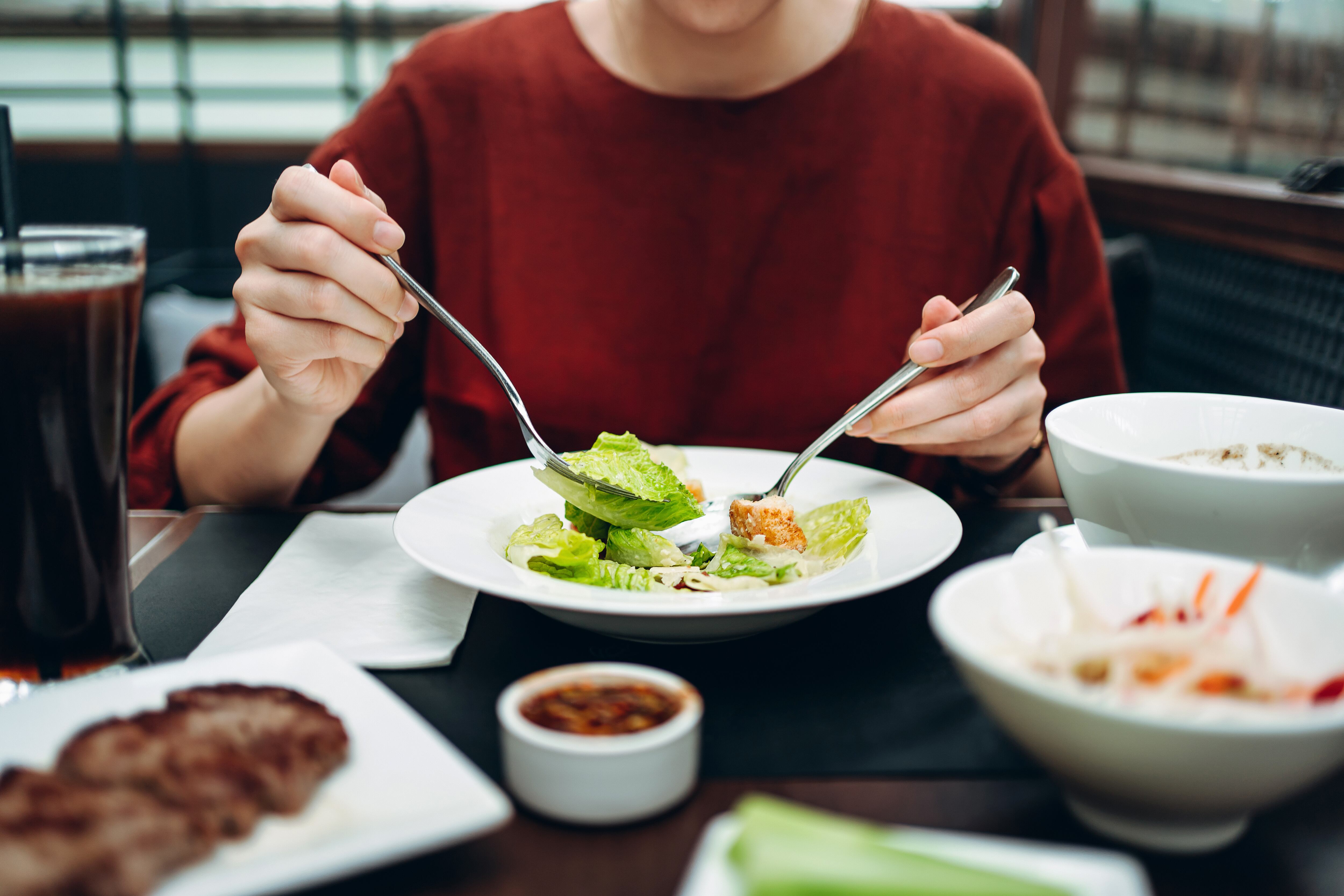
For most of her life, Claudia Stearns dreaded Thanksgiving. As a person who struggled with obesity since childhood, Stearns hated the annual turmoil of obsessing about what she ate — and the guilt of overindulging on a holiday built around food.

Now, after losing nearly 100 pounds using medications including Wegovy, a powerful new anti-obesity drug, Stearns says the “food noise” in her head has gone very, very quiet.

“Last year, it felt so lovely to just be able to enjoy my meal, to focus on being with friends and family, to focus on the joy of the day,” says Stearns, 65, of Somerville, Massachusetts. “That was a whole new experience.”

As millions of Americans struggling with obesity gain access to a new generation of weight-loss drugs, Stearns’ experience is becoming more common — and more noticeable at the times of year when cooking, eating and a sense of abundance can define and heighten gatherings of loved ones and friends. Medical experts and consumers say the drugs are shifting not only what users eat, but also the way they think about food.

For some, it means greater mental control over their meals. Others say it saps the enjoyment from social situations, including traditionally food-centric holidays like Thanksgiving, Passover and Christmas.

“It’s something that really changes a lot of things in their life,” says Dr. Daniel Bessesen, chief of endocrinology at Denver Health, who treats patients with obesity. “They go from food being a central focus to it’s just not.”

UNDERMINING THE FESTIVITIES?

The new obesity drugs, originally designed to treat diabetes, include semaglutide, used in Ozempic and Wegovy, and tirzepatide, used in Mounjaro and recently approved as Zepbound. Now aimed at weight loss, too, the drugs delivered as weekly injections work far differently than any diet. They mimic powerful hormones that kick in after people eat to regulate appetite and the feeling of fullness communicated between the gut and the brain. Users can lose as much as 15% to 25% of their body weight, studies show.

“That’s how it works — it reduces the rewarding aspects of food,” explains Dr. Michael Schwartz, an expert in metabolism, diabetes and obesity at the University of Washington in Seattle.

For Stearns, who started treatment in 2020, using the weight-loss medications means she can take a few bites of her favorite Thanksgiving pies — and then stop.

“I would not feel full," she says, “but I would feel satisfied.”

Yet such a shift can have broader implications, both religious and cultural, because it alters the experience of festive and religious holidays that are often built around interactions with food — and lots of it.

“I’m Italian. For us, it’s like going to church, going to a table,” says Joe Sapone, 64, a retiree from Atlantic Highlands, New Jersey, who lost about 100 pounds with dieting and Mounjaro. He no longer needs what he called “the food orgy” of a holiday, but he acknowledges it was an adjustment.

“Part of succeeding at this is disconnecting a good time with what you eat,” he says. “Am I still going to have fun if I don't eat that much?”

CHANGES IN ENJOYMENT

Many users welcome what they say is greater control over what they eat, even during the emotionally charged holiday season.

“I may be more selective of the items I put on my plate,” says Tara Rothenhoefer, 48, of Trinity, Florida. She lost more than 200 pounds after joining a clinical trial testing Mounjaro for weight loss in 2020. “I don’t care about the bread as much. I still eat what I enjoy.”

But others on the drugs lose their appetites entirely or suffer side effects — nausea, vomiting, diarrhea — that undermine the pleasure of any food.

“I’ve had a handful of patients over the years who were really miserable because they didn’t enjoy food in the same way,” says Dr. Katherine Saunders, an obesity expert at Weill Cornell Medicine and co-founder of Intellihealth, a clinical and software company that focuses on obesity treatment.

But, she added, most people who have turned to weight-loss medications have spent years struggling with the physical and mental burdens of chronic obesity and are relieved to discover a decreased desire for food — and grateful to shed pounds.

When people stop taking the drugs, their appetites return and they regain weight, often faster than they lost it, studies show. One early analysis found that two-thirds of patients who started taking weight-loss drugs were no longer using them a year later.

Part of that may be due to high costs and ongoing supply shortages. But the larger question of what it means to alter a basic human drive like appetite needs to be considered as well, says Dr. Jens Juul Holst of the University of Copenhagen. He is one of the researchers who first identified the gut hormone GLP-1, or glucagon-like peptide 1, which eventually led to the new class of obesity drugs.

Speaking at an international diabetes conference this fall, Holst offered a philosophical critique of the new medications' real-world impact.

“Why is it that you’ve lost weight? That’s because you’ve lost your appetite. That’s because you’ve lost the pleasure of eating and the reward of having a beautiful meal,” Holst told his colleagues. “And how long can you stand that? That is the real, real question.”

The Associated Press Health and Science Department receives support from the Howard Hughes Medical Institute’s Science and Educational Media Group. The AP is solely responsible for all content.
Share:
More In Science
New Study Shows Chatbots Help Prevent Eating Disorders
Ellen Fitzsimmons-Craft, assistant professor of psychiatry at Washington University School of Medicine, joins Cheddar News to discuss how chatbots can help prevent eating disorders and the research that uncovered these findings.
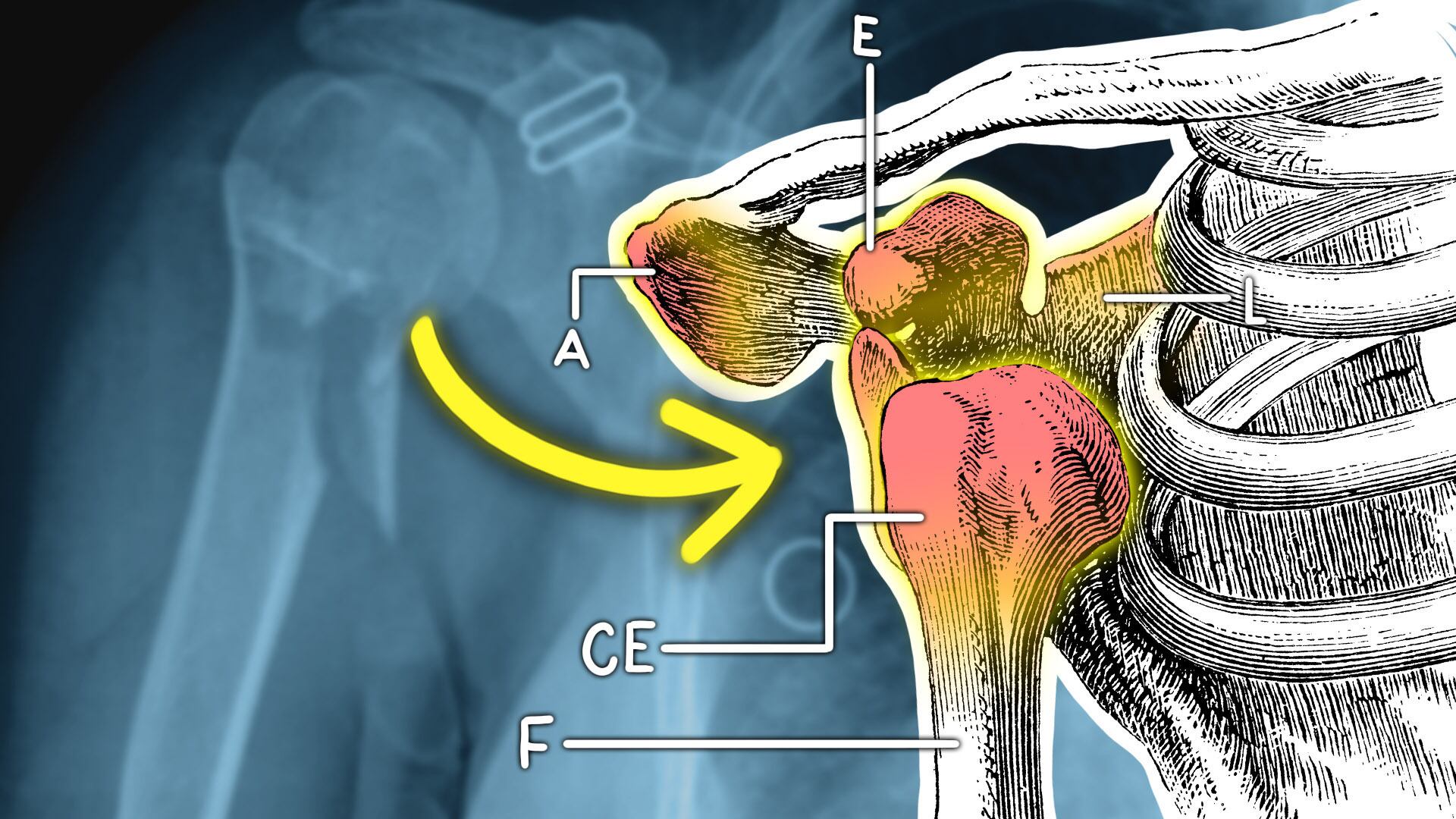
Why The Human Shoulder Is A Design Disaster
Shoulder injuries are one of the most common orthopedic injuries – and they're also one of the most commonly ignored. But chimpanzees, with whom we share nearly 99% of our DNA, don’t encounter the same issues we do. So why are human shoulders such a design disaster? Well, we can trace the answer back to a very particular moment in our evolution.
Nurses Call For Protection For HealthCare Workers
As the Omicron variant continues to sweep across the country. The US Supreme Court is expected to hear arguments at the end of this week on whether or not the Biden administration can force private companies to vaccinate or test millions of their employees. In addition, the National Nurses United has spearheaded legal action to protect nurses and health care workers, patients, and the public while on the job. President of the National Nurses Union, Zenei Cortez, joined Cheddar to discuss more.
Pear Therapeutics CEO on How Its Apps Work for Conditions Like Addiction
Digital medical care provider Pear Therapeutics rang the closing bell on the Nasdaq Friday and President and CEO Dr. Corey McCann, joined Cheddar to talk about how the company plans to grow the business of software-based therapeutics and how the first FDA authorized prescription digital therapeutics company will go about treating illnesses like insomnia and addiction. "These really are pieces of software. In many cases, they're apps and in the cases of our addiction products, these are based on something called cognitive behavioral therapy or CBT," he said. "These products change the patient's brain circuitry to help them be abstinent, to help them stay in treatment, and that's exactly what we see in randomized clinical trials and that's what we see in the real world." He also addressed the ongoing mental health crises brought on by the pandemic. **copy updated to remove IPO information as Pear Therapeutics went public in December**
Virgin Orbit Goes Public One Week Before 'Above the Clouds' Space Mission
Satellite launch service Virgin Orbit has gone public on the Nasdaq via a SPAC merger with NextGen Acquisitions with a valuation of about $3.2 billion. CEO Dan Hart joined Cheddar's "Between Bells" from in front of his LauncherOne rocket in New York City's Times Square to talk about what's next after the IPO, an upcoming "Above the Clouds" mission to deliver commercial and national security payloads, and the benefits of their rockets being launched from commercial 747 aircraft. "We can launch anywhere in the world," he said. "There are almost 80 space agencies across the world, for instance, and about 10 of them have space launch. We can give them a space flight capability overnight by taking a runway and turning it into a spaceport."
Cheddar Climate: The Fight for Change 2021 Year-End Special
The year 2021 saw numerous natural disasters around the world, including extreme heat and wildfires, rare deep freezes, and historic flooding. This year's United Nations COP26 conference was key for getting world leaders on board with emissions reductions and other climate-focused policies as the UN Secretary-General said the agency's report on global warming is a 'code red for humanity.' In the U.S., President Joe Biden has focused most of his domestic agenda on slashing emissions and building climate-focused infrastructure. Guests from The Economist, UNC-Chapel Hill, Global Rescue, and more join Cheddar Climate's year-end special to discuss how the climate changed in 2021, and what to expect in 2022.
Little Otter Raises $22 Million Series A to Combat the Children's Mental Health Crisis
Digital mental health company Little Otter recently announced it closed a $22 million Series A round. Little Otter was founded in 2020 by a mother-daughter team, which based the company on the idea that a child's mental health can only be addressed by treating the whole family through technology available to everyone. Little Otter CEO and co-founder Rebecca Egger and her mother, Little Otter Chief Medical and Scientific Officer and co-founder Dr. Helen Egger joined Cheddar News' Closing Bell to discuss.
The Truth About "Rising" Male Infertility
Among all the other events of the last few years, you may have missed this one: Spermageddon. This is the fun name for the idea that sperm counts among mainly ‘Western’ men are in freefall. The Spermageddon hype began with the publication of a 2017 study showing a nearly 60% drop in overall sperm counts in men living in North America, Europe, Australia, and New Zealand. But four years later, it seems that Spermageddon has been overblown. By a lot. And all that hype has obscured the real issue behind declining male fertility.
How Covid-19 Has Changed Our Mental Health World; Wellness Trends to Watch in 2022
Covid-19 has changed the way we view wellness. Jillian Hughes, communications director of Mental Health America, joins Cheddar News to discuss breaking the stigma around mental health. Justin Davis, CEO and co-founder of Spectrum Labs, weighs in on how social media impacts our wellbeing. Lastly, Precision Nutrition CEO Timothy Jones advices us on what trends to watch in 2022.
Load More