By Marcia Dunn
NASA held its first public meeting on UFOs Wednesday a year after launching a study into unexplained sightings.
The space agency televised the hourslong hearing featuring an independent panel of experts. The team includes 16 scientists and other experts selected by NASA including retired astronaut Scott Kelly, the first American to spend nearly a year in space.
Several committee members have been subjected to “online abuse” for serving on the team, which detracts from the scientific process, said NASA's Dan Evans, adding that NASA security is dealing with it.
“It’s precisely this rigorous, evidence-based approach that allows one to separate the fact from fiction," Evans said.
The study is a first step in trying to explain mysterious sightings in the sky that NASA calls UAPs, or unidentified aerial phenomena.
The group is looking at what unclassified information is available on the subject and how much more is needed to understand what's going on in the sky, according to astrophysicist David Spergel, the committee's chair who runs the Simons Foundation.
No secret military data are included, such as anything surrounding the suspected spy balloons from China spotted flying over the U.S. earlier this year.
The meeting was held at at NASA headquarters in Washington with the public taking part remotely.
A final report is expected by the end of July.
The Associated Press Health and Science Department receives support from the Howard Hughes Medical Institute’s Science and Educational Media Group. The AP is solely responsible for all content.
A new U.N. biodiversity report card highlights the decline over the past 10 years in fragile ecosystems such as coral reefs and tropical forests.
Astronomers looking at the atmosphere in neighboring Venus see something that might just be a sign of life. In a study published Monday, they say they found the chemical signature of a noxious gas called phosphine.
As people seek new ways to cope and treat psychiatric disorders like depression and anxiety, Ketamine is growing in popularity as doctors describe improvements in patients. Cheddar's Chloe Aiello reports.
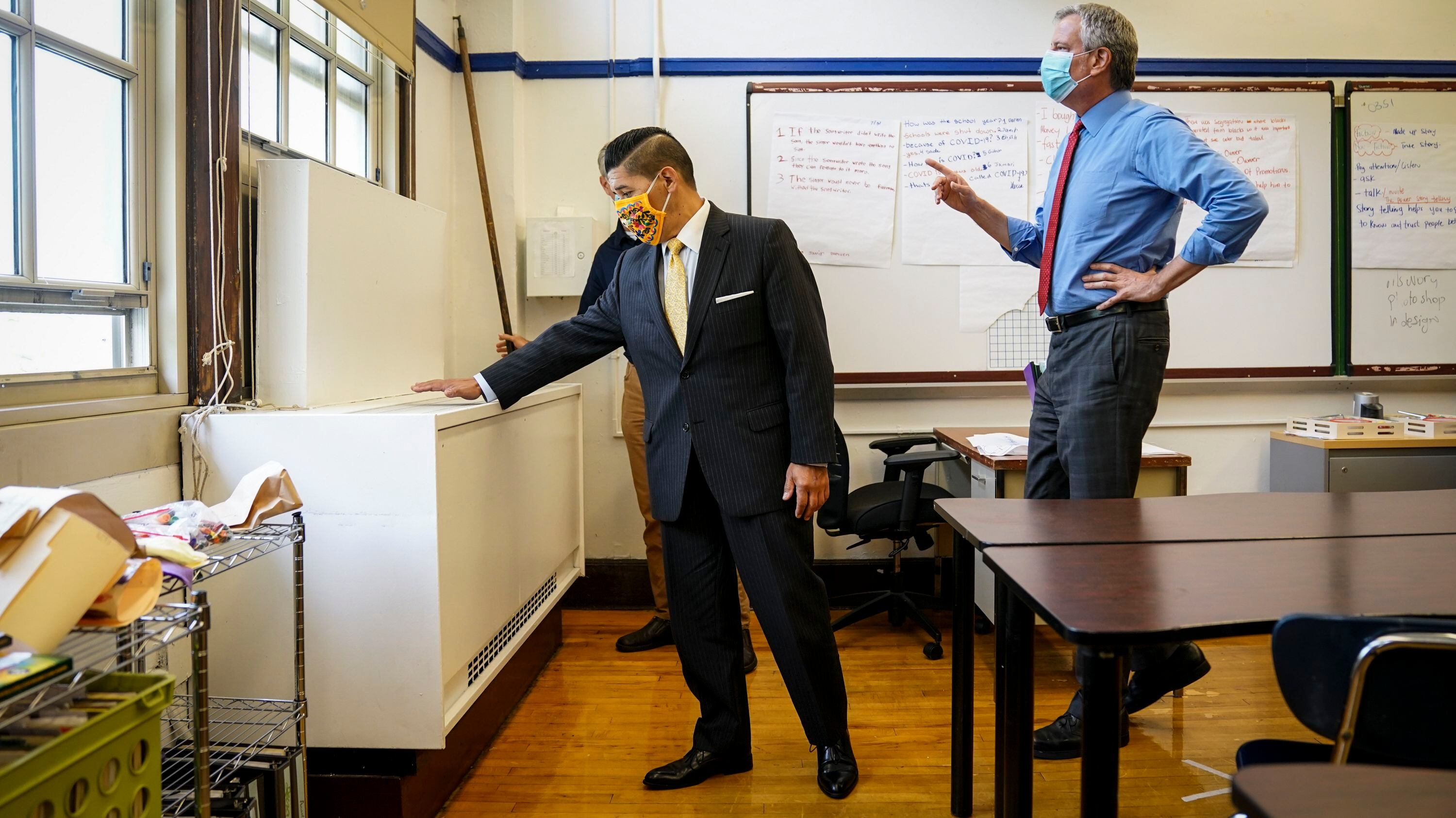
Figuring out best practices when it comes to preventing airborne transmission is inherently challenging though, especially when it comes to the technical aspects of retrofitting ventilation systems.
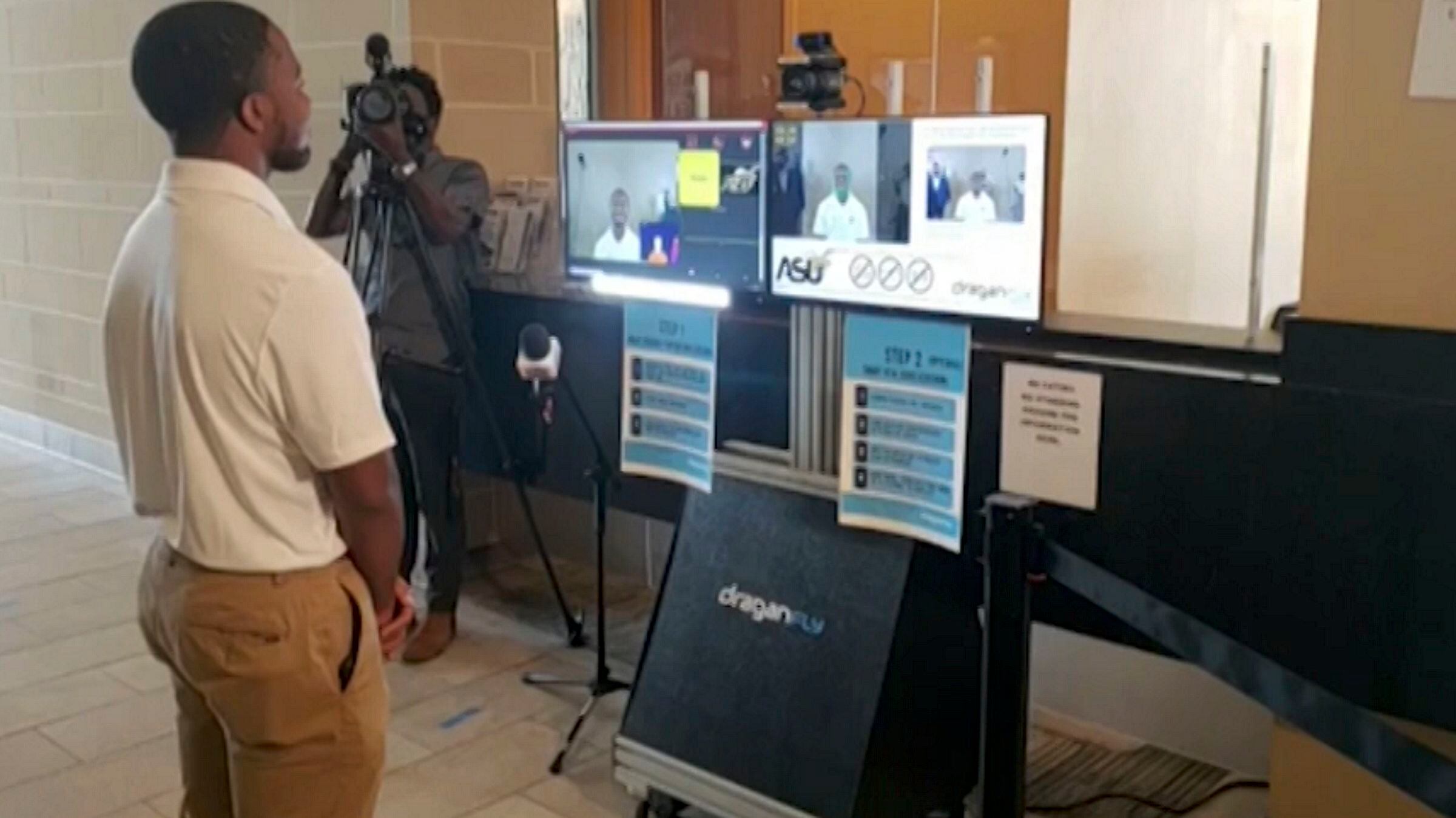
Alabama State University has managed to keep COVID-19 infections at zero despite rising cases on college campuses. University president, Quinton Ross, Jr, joined Cheddar to discuss new technology that scans for coronavirus symptoms.
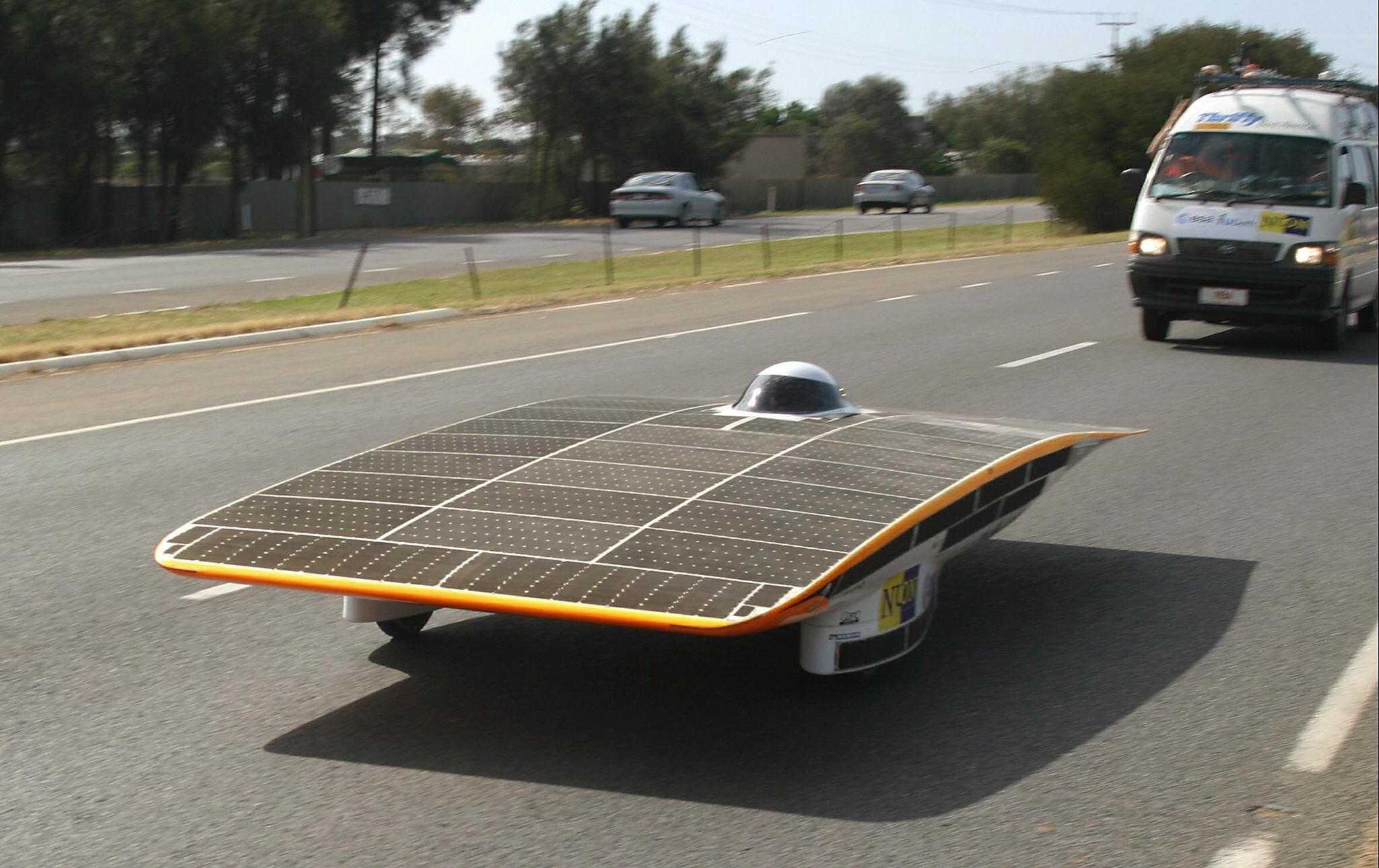
In the 1980's and 90's, the solar car was deemed the future of transportation. Yet, just as quickly as it arrived, the solar car disappeared. But today, as the problems caused by our reliance on fossil fuels have grown, so has a demand for alternative sources of energy for our vehicles. While electric cars are rapidly gaining a larger share of the automotive market, this technology still relies on electricity from a grid often fueled by petroleum or coal. And this is why some companies today are again trying to harness the most powerful energy source we know: the sun.
Wildfires are raging unchecked across parts of the western United States as winds sweep the region.
A new federal report shows vaping rates among U.S. teenagers fell dramatically this year.
Dr. Anthony Fauci says AstraZeneca's suspension of its COVID-19 vaccine study shows “one of the safety valves” built into the research to spot any potential problems.
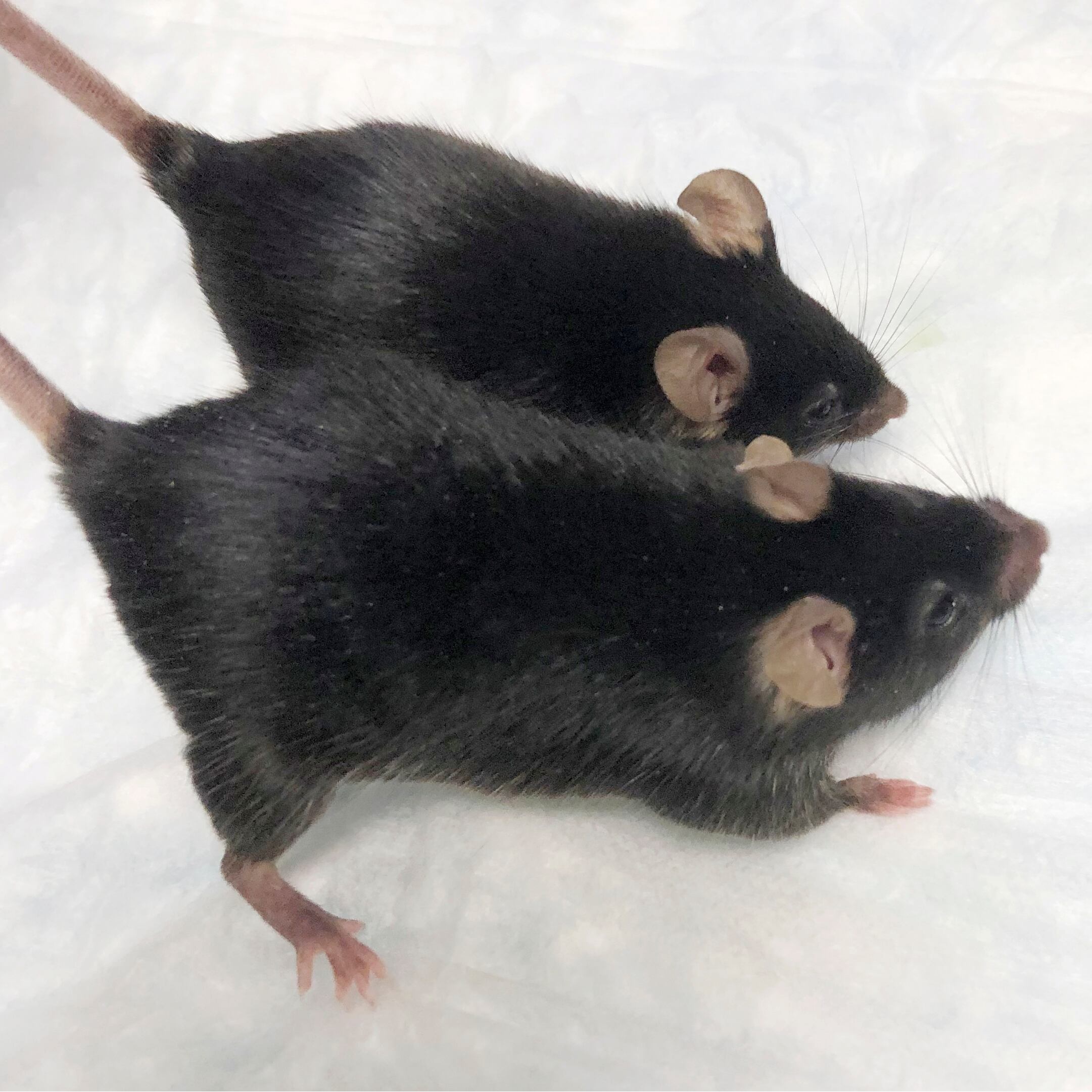
Scientists who sent bulked-up, mutant “mighty mice” to the International Space Station say the animals held onto their muscle during the monthlong flight.