By Marcia Dunn
NASA held its first public meeting on UFOs Wednesday a year after launching a study into unexplained sightings.
The space agency televised the hourslong hearing featuring an independent panel of experts. The team includes 16 scientists and other experts selected by NASA including retired astronaut Scott Kelly, the first American to spend nearly a year in space.
Several committee members have been subjected to “online abuse” for serving on the team, which detracts from the scientific process, said NASA's Dan Evans, adding that NASA security is dealing with it.
“It’s precisely this rigorous, evidence-based approach that allows one to separate the fact from fiction," Evans said.
The study is a first step in trying to explain mysterious sightings in the sky that NASA calls UAPs, or unidentified aerial phenomena.
The group is looking at what unclassified information is available on the subject and how much more is needed to understand what's going on in the sky, according to astrophysicist David Spergel, the committee's chair who runs the Simons Foundation.
No secret military data are included, such as anything surrounding the suspected spy balloons from China spotted flying over the U.S. earlier this year.
The meeting was held at at NASA headquarters in Washington with the public taking part remotely.
A final report is expected by the end of July.
The Associated Press Health and Science Department receives support from the Howard Hughes Medical Institute’s Science and Educational Media Group. The AP is solely responsible for all content.
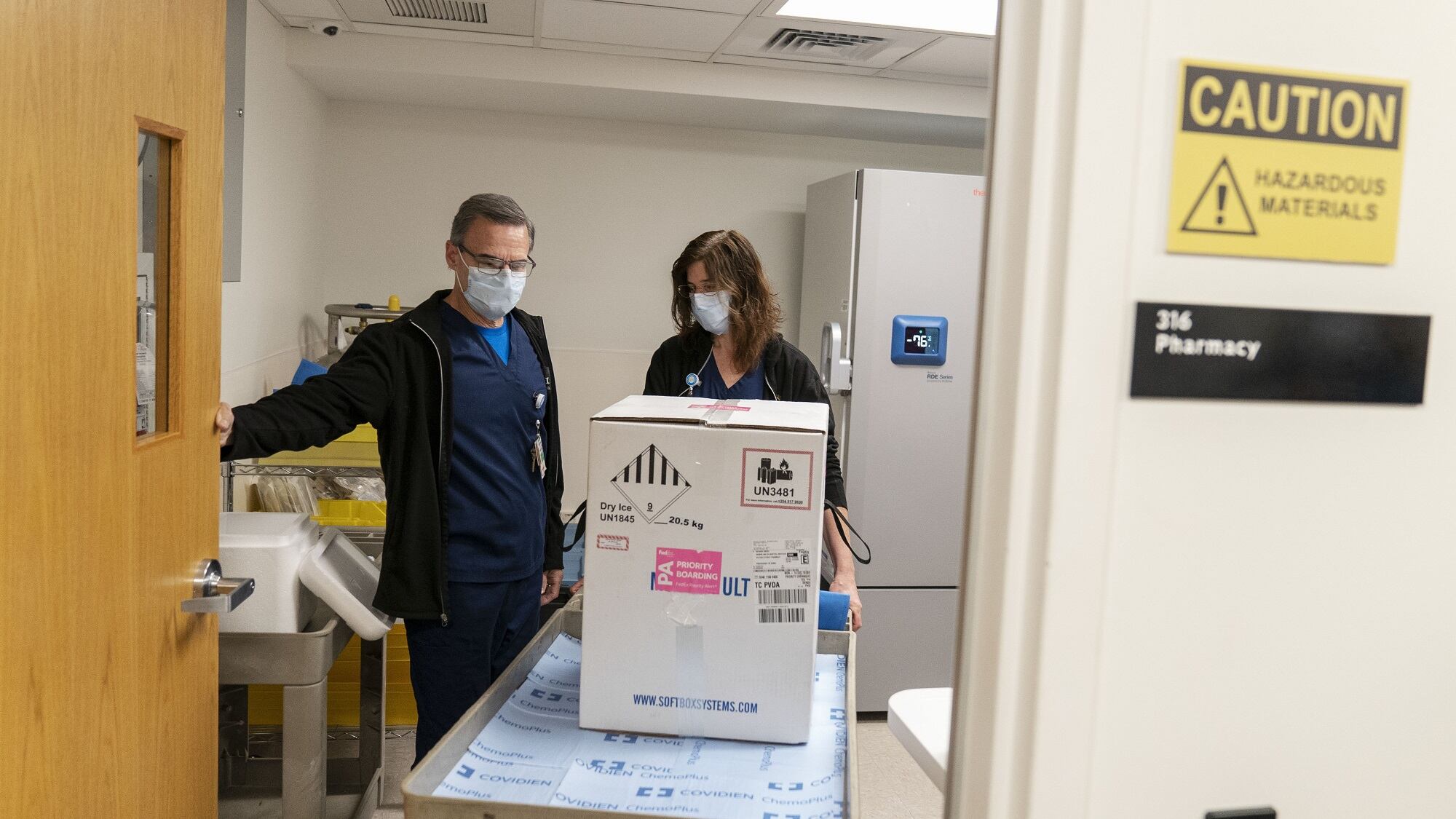
Hospital workers begin unloading precious frozen vials of COVID-19 vaccine Monday, with the first vaccinations against a scourge that has killed nearly 300,000 Americans expected later in the day.
Sen. Tina Smith (D-Minn.) joined Cheddar to discuss the need for the federal government to provide more help to states in order to effectively distribute the COVID vaccines.
Get better sleep, improve productivity and boost overall happiness with a little help from these highly-rated mindfulness picks.
Airships were once believed to be the future of human flight, so why did they fall out of favor so quickly and which flaws ultimately made them a design disaster?
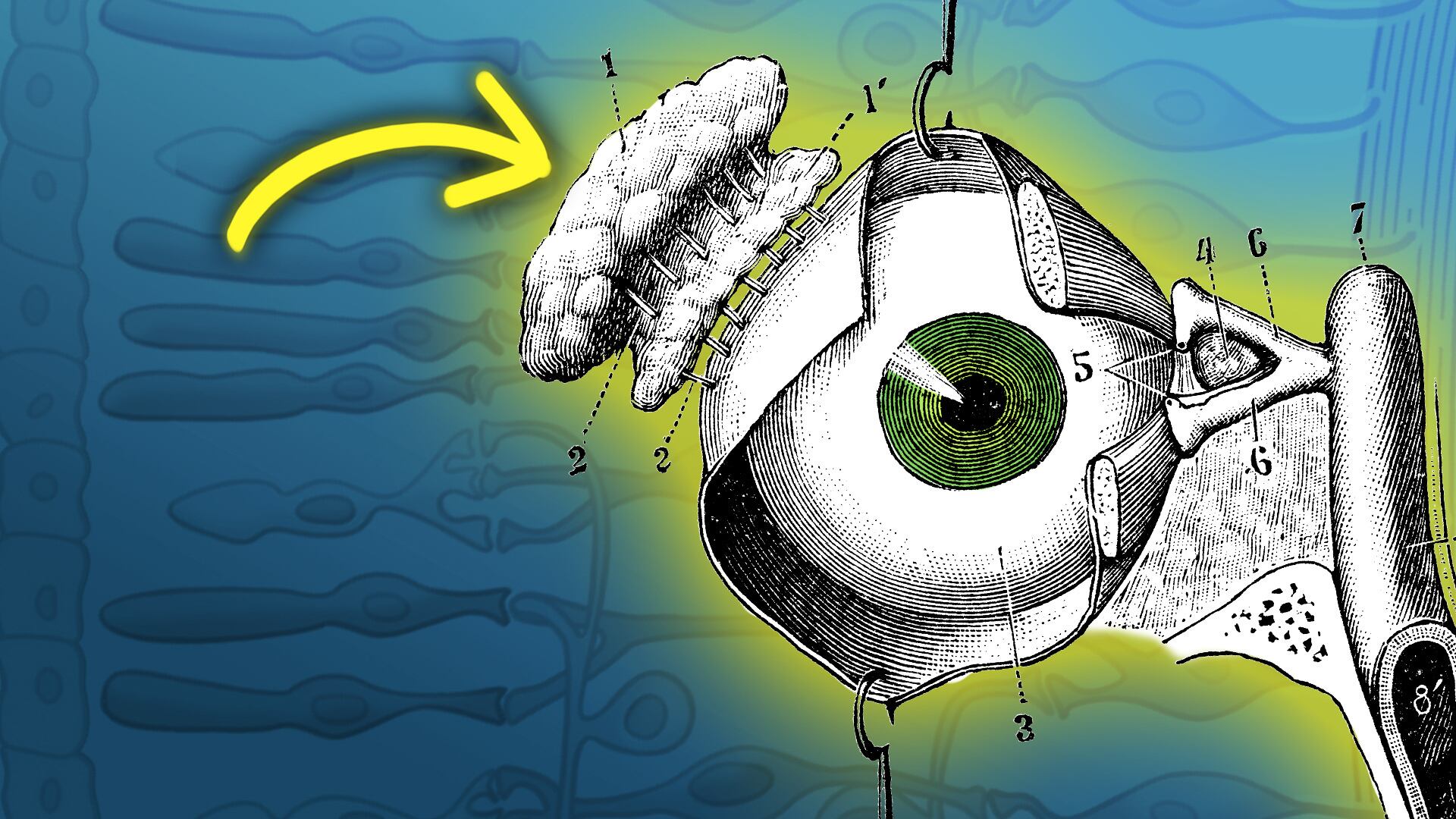
Over 24 million adults in the United States have eye issues: Either you’re born with eye issues, you grow up to have eye issues, or you get so old that your eyes deteriorate into one big issue. So why are our eyes an engineering nightmare? Cheddar explains.
Make a gamer's day with the hottest accessories, subscriptions and consoles of the holiday season.
A new report shows how warming temperatures in the Arctic are transforming the region's geography and ecosystems.
Indian health officials say they have found traces of nickel and lead in a few blood samples taken from hundreds of patients who have been hospitalized by a mysterious illness in a southern state.
British regulators warned Wednesday that people who have a history of serious allergic reactions shouldn’t receive the new Pfizer-BioNTech vaccine as they investigate two adverse reactions that occurred on the first day of the country’s mass vaccination program.
These seven surprises are guaranteed to top a gadget lover's holiday wish list.