NASA's James Webb Space Telescope has caught a rare glimpse of one of the most massive and brightest stars known nearing supernova.
The space agency made the discovery in June of 2022 but just unveiled the findings to the public. The star is currently in its Wolf-Rayet phase or the part of a star's life cycle that begins before it transitions into a supernova blast.
The star, called WR 124 and is 15,000 light years away, was detected by the Webb telescope as it shed its outer layers that reflected back glimmering light and halos of dust and gas. Supernovae are of particular interest to scientists because the dust emitted from them are essential to the makeup of a solar system. The formation of planets, protection of budding stars, and the clumping of molecules are all linked to cosmic dust.
It's been a longstanding theory on how the Milky Way galaxy formed, according to Science Daily, that a massive star exploded near a cloud of dust and gas and collapsed on itself.
"This is Carl Sagan's stardust concept, the fact that the iron in your blood and the calcium in your bones was literally forged inside of a star that exploded billions of years ago," Dr. Amber Straughn, astrophysicist at NASA's Goddard Space Flight Center and deputy project scientist for the Webb telescope's science communications, told CNN. "And that's what we're seeing in this new image. That dust is spreading out into the cosmos and will eventually create planets. And this is how we got here, in fact."
The James Webb Space Telescope launched on Christmas Day in 2021 and is expected to continue sending observations until 2026. NASA said it hopes the space observatory will function for at least five years after that.
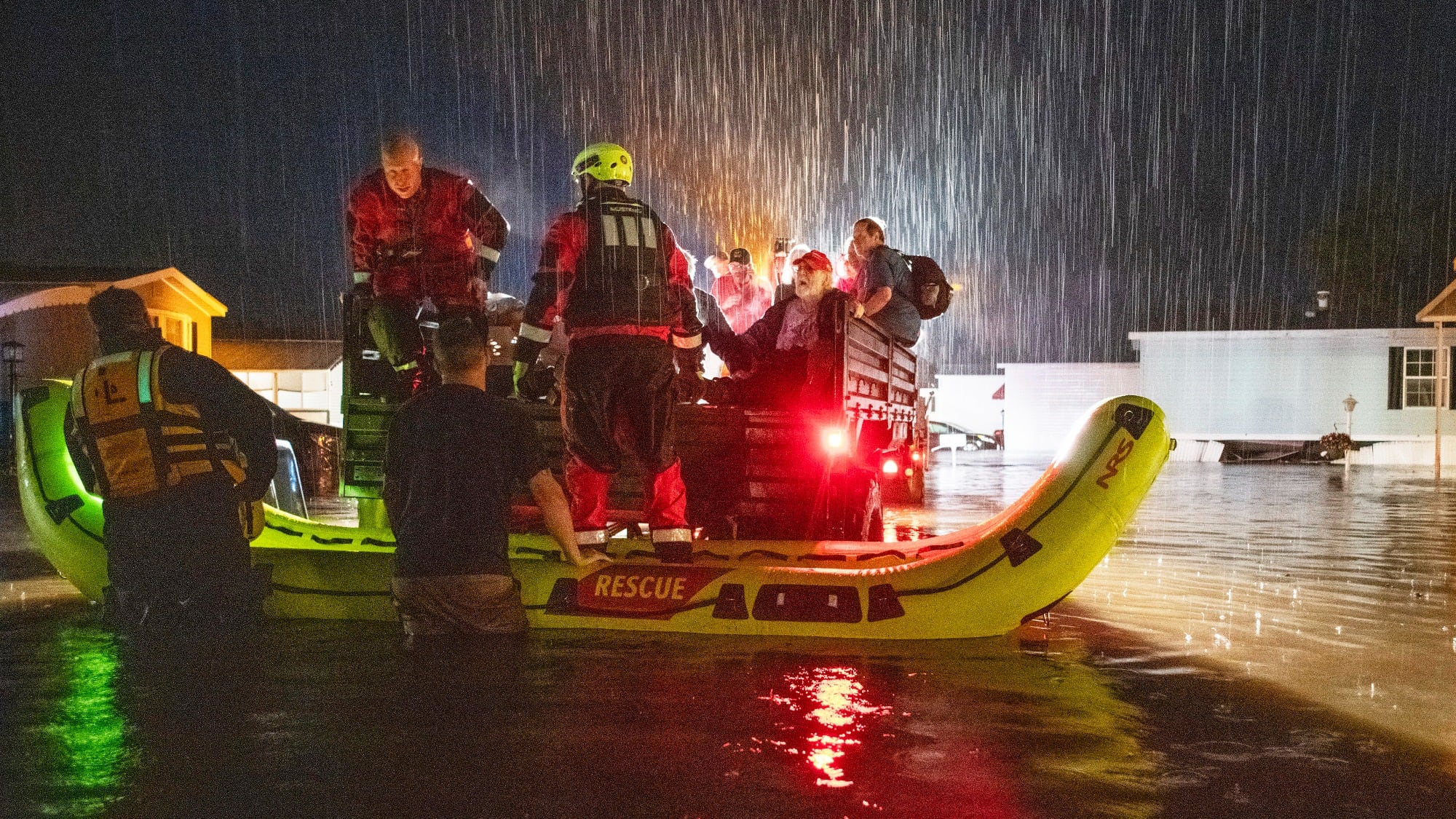
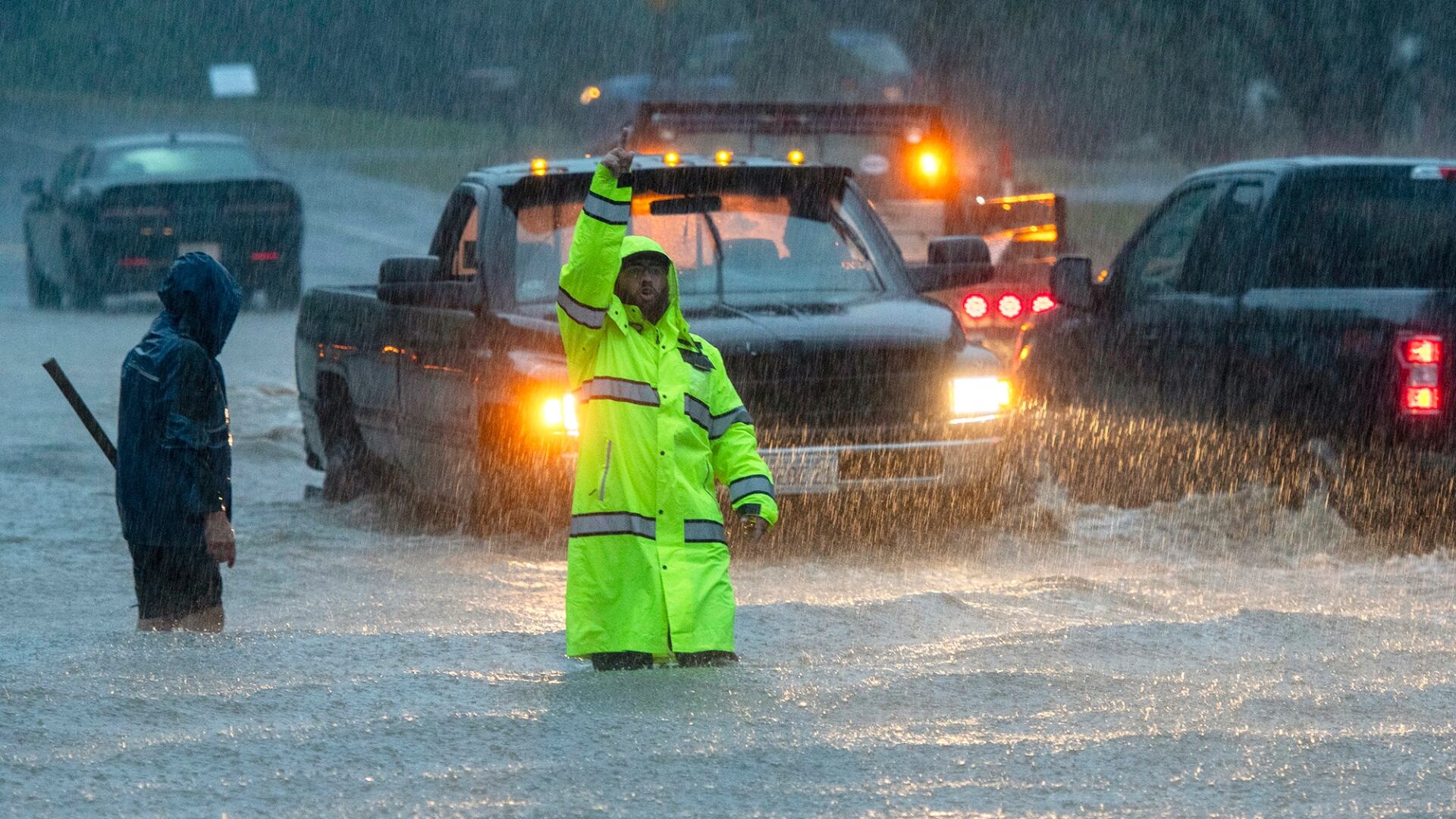
Heavy rainfall flooded parts of Massachusetts and Rhode Island, with two communities declaring a state of emergency as water poured into homes, creating moats around their foundations and leading to boat rescues of residents. Concern about a dam listed in poor condition led to more evacuations.
The leading decongestant used by millions of Americans looking for relief from a stuffy nose is no better than a dummy pill, according to government experts who reviewed the latest research on the long-questioned drug ingredient.
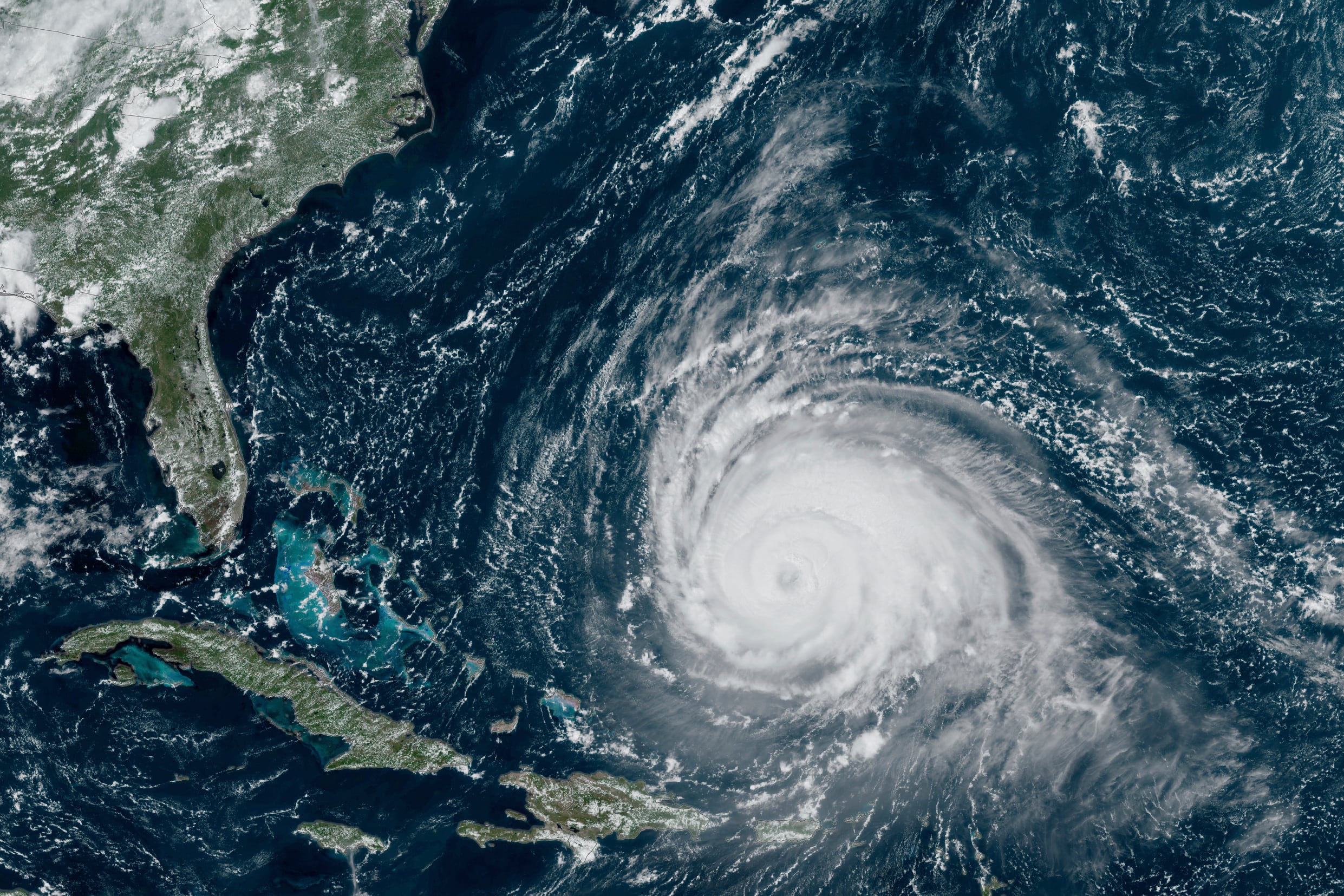
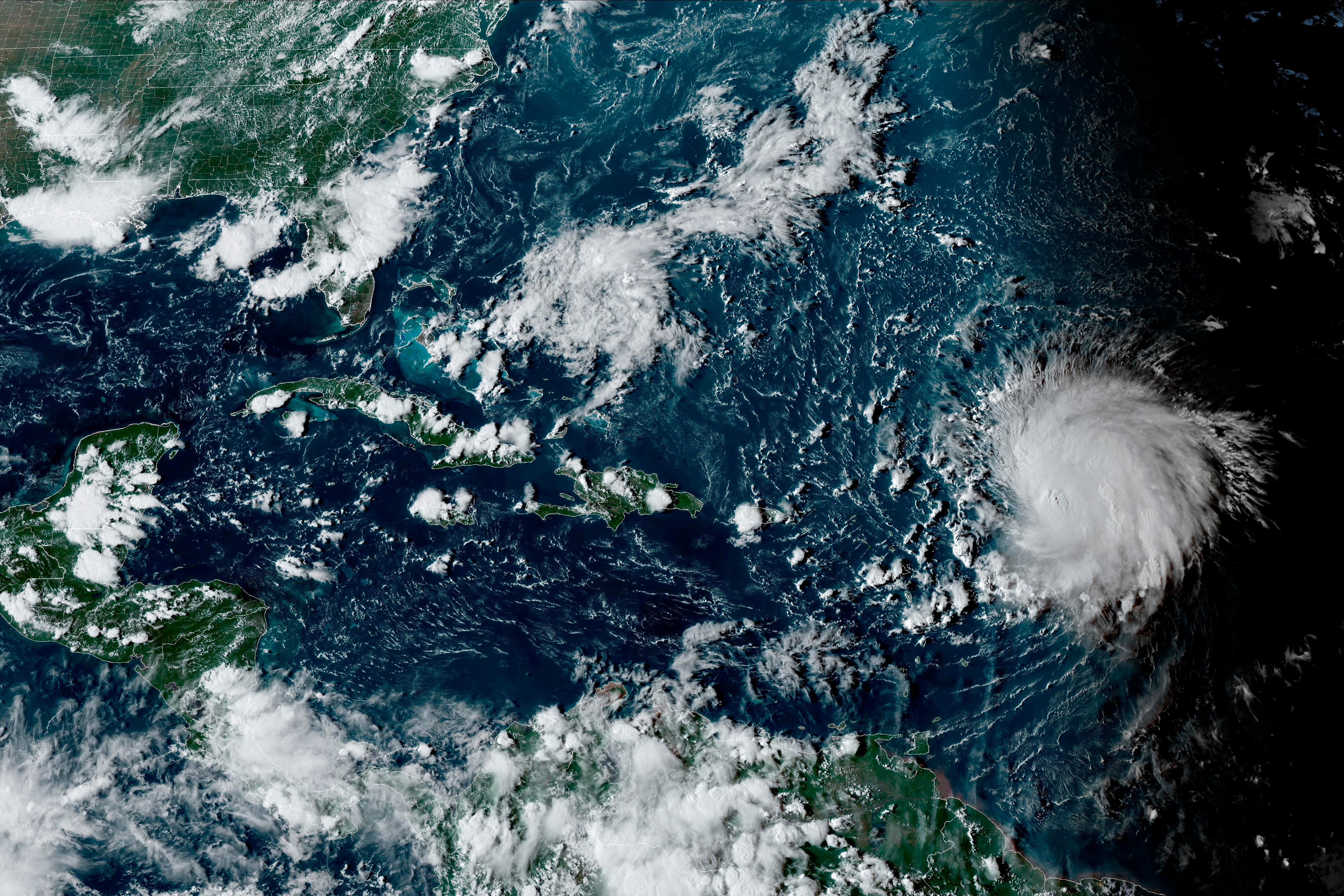
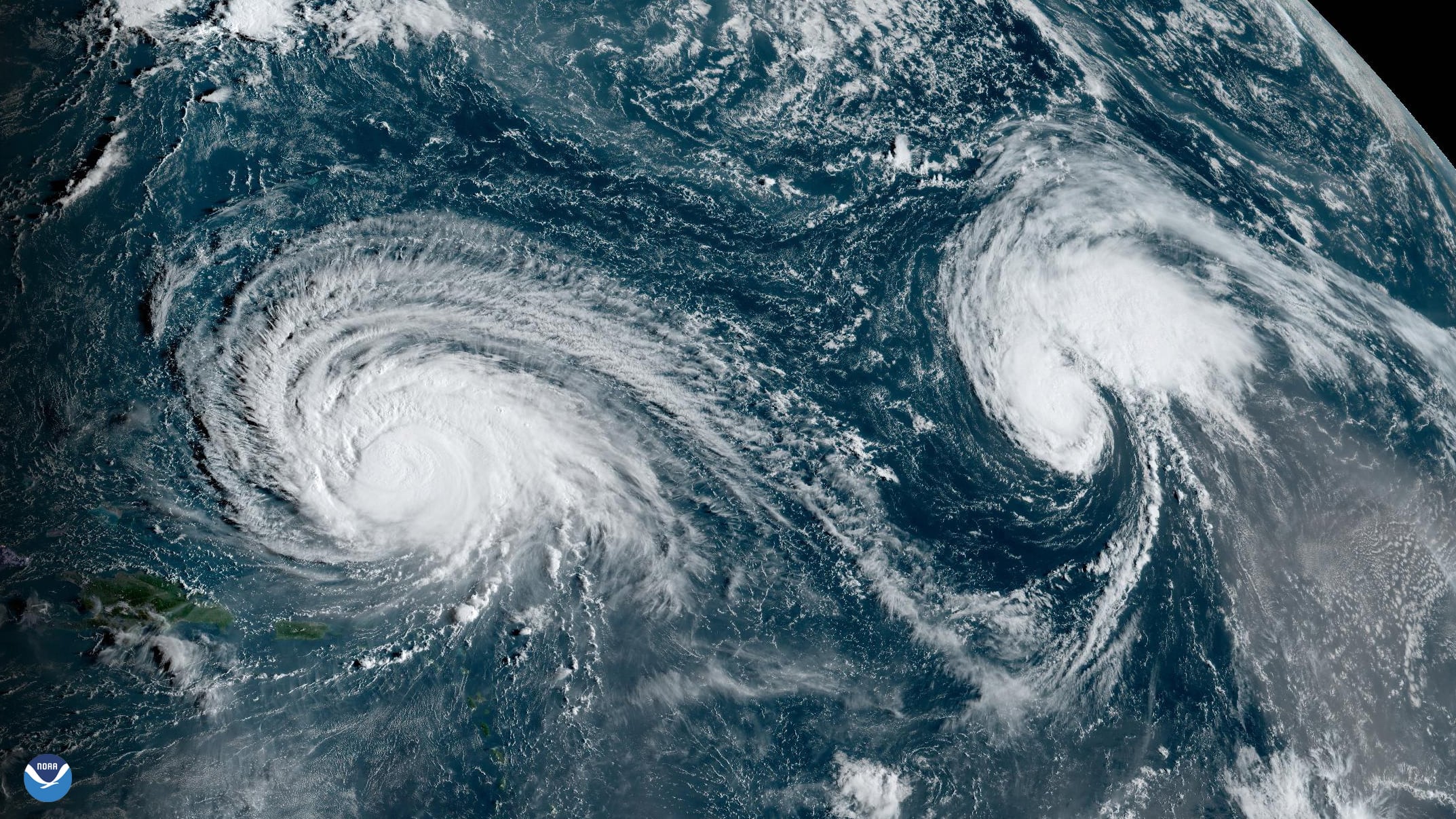
Hurricane Lee, still a Category 3 storm with winds of 115 mph, is expected to increase in size but be significantly weaker in the coming days, as it turns north to reach the U.S. East Coast, according to the National Hurricane Center.
The U.S. approved updated COVID-19 vaccines Monday, hoping to rev up protection against the latest coronavirus strains and blunt any surge this fall and winter.
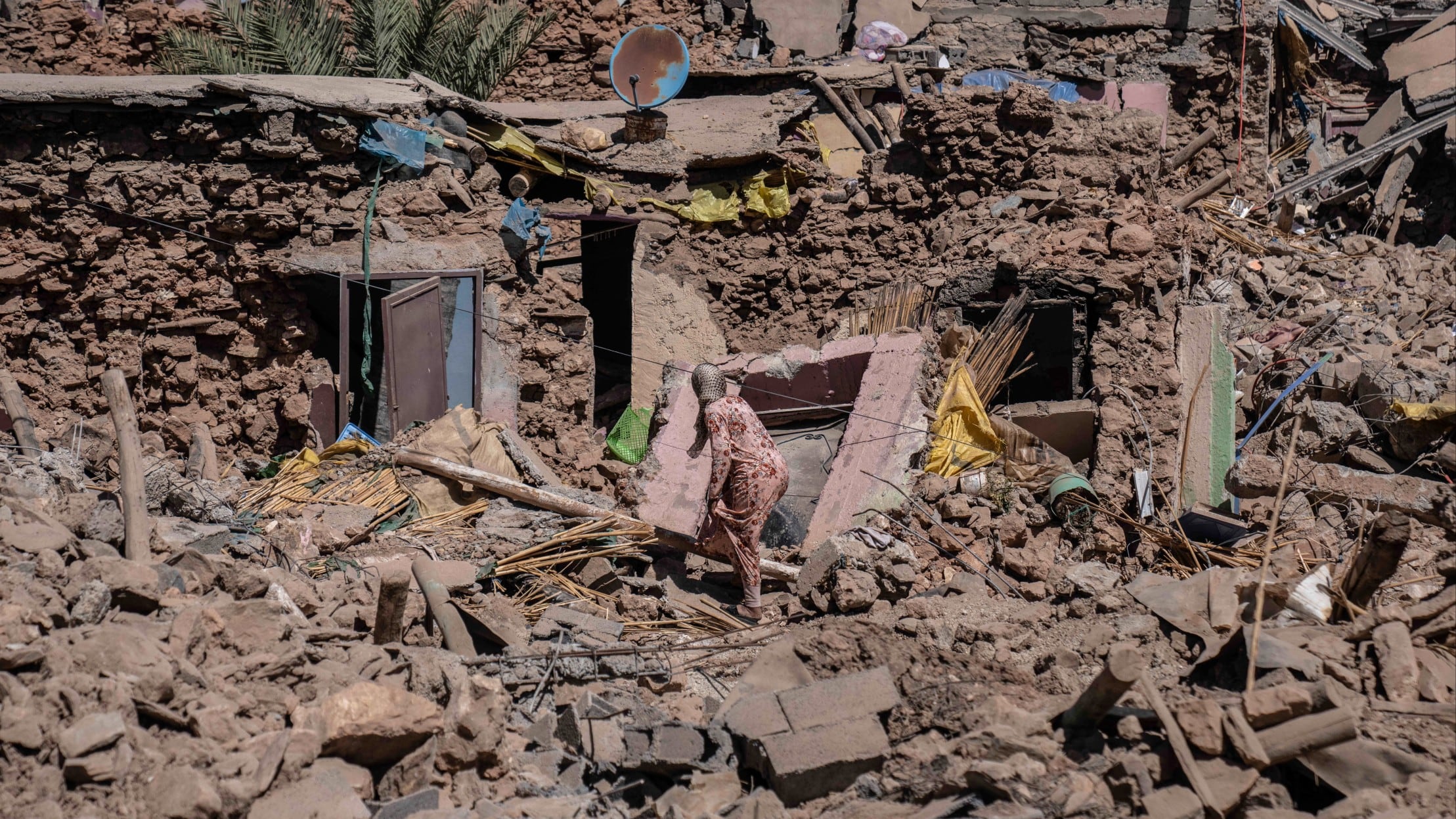
An earthquake has sown destruction and devastation in Morocco, where death and injury counts continue to rise as rescue crews dig out people both alive and dead in villages that were reduced to rubble.
Hurricane Lee whipped up waves of more than 15 feet (5 meters) on Monday as the Category 3 storm cranked through open waters just north of the Caribbean region.