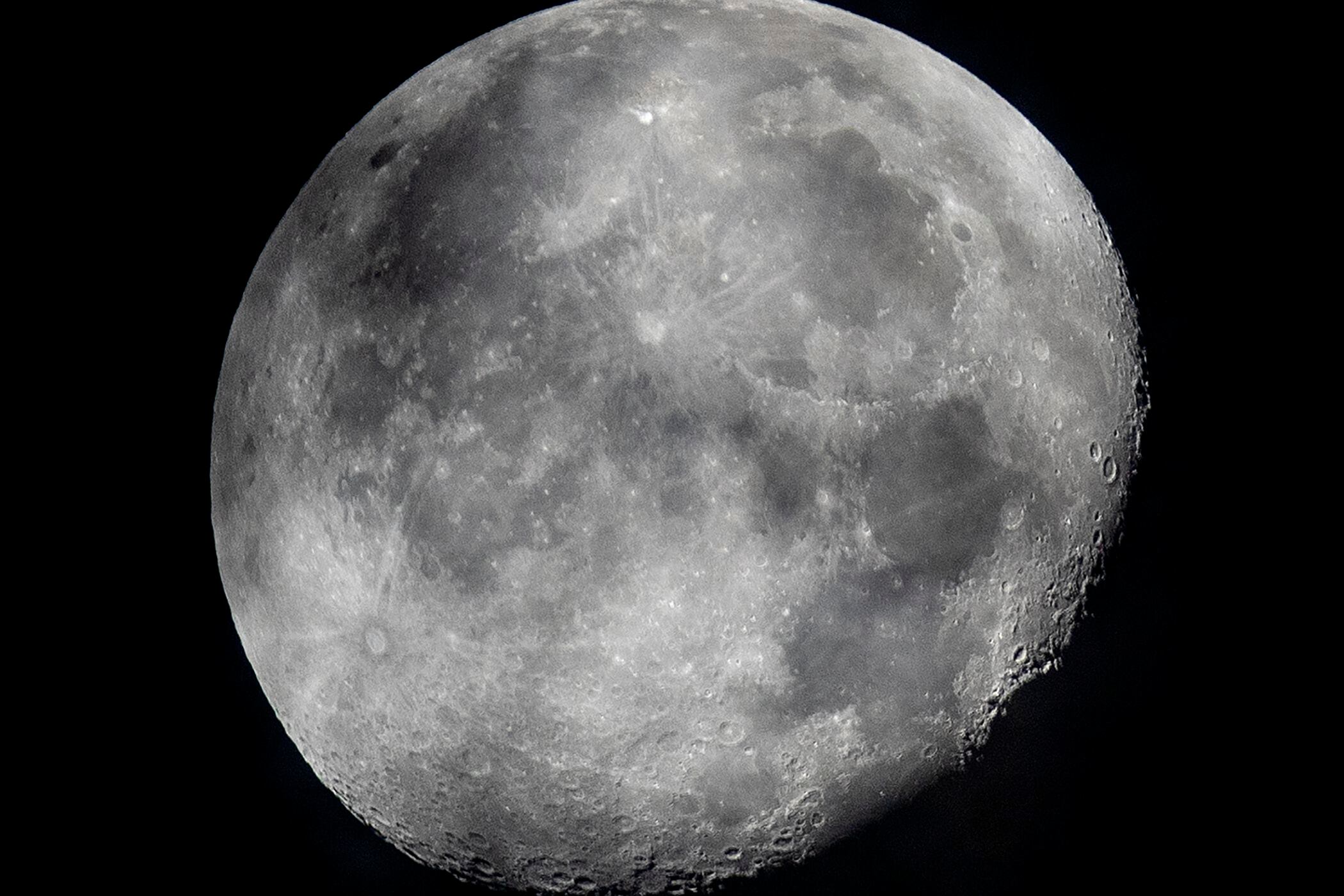
The waning moon is seen at the sky over Frankfurt, Germany, early Monday, Oct. 5, 2020. (AP Photo/Michael Probst)
By Marcia Dunn
The moon’s shadowed, frigid nooks and crannies may hold frozen water in more places and in larger quantities than previously suspected, good news for astronauts at future lunar bases who could tap into these resources for drinking and making rocket fuel, scientists reported Monday.
While previous observations have indicated millions of tons of ice in the permanently shadowed craters of the moon’s poles, a pair of studies in the journal Nature Astronomy take the availability of lunar surface water to a new level.
More than 15,400 square miles (40,000 square kilometers) of lunar terrain have the capability to trap water in the form of ice, according to a team led by the University of Colorado’s Paul Hayne. That’s 20% more area than previous estimates, he said.
These ice-rich areas are near the moon’s north and south poles. Temperatures are so low in these so-called cold traps — minus 261 degrees Fahrenheit (minus 163 degrees Celsius) — that they could hold onto the water for millions or even billions of years.
“We believe this will help expand the possible landing sites for future lunar missions seeking water, opening up real estate previously considered ‘off limits’ for being bone dry,” Hayne said in an email to The Associated Press.
Using data from NASA’s Lunar Reconnaissance Orbiter, the researchers identified cold traps as small as a few yards (meters) across and as wide as 18 miles (30 kilometers) and more and used computer models to get all the way down to micrometers in size.
“Since the little ones are too small to see from orbit, despite being vastly more numerous, we can’t yet identify ice inside them,” Hayne said. “Once we’re on the surface, we will do that experiment.”
For a second study, scientists used NASA's airborne infrared observatory Sofia to conclusively identify water molecules on the sunlit portions of the moon, just outside the polar regions. Most of these molecules are likely stored in the voids between moon dust and other particles or locked inside glassy volcanic material.
Scientists believe all this water on the moon came from comets, asteroids, interplanetary dust, solar wind, or even lunar volcanic eruptions. They'll have a better idea of the sources “if we can get down on the surface and analyze samples of the ice,” Hayne said.
The lead researcher, Casey Honniball, a postdoctoral fellow at NASA’s Goddard Space Flight Center, said at a news conference that she wanted to make it clear the Sofia study had not found puddles on the moon. Rather, the identified hydrogen and oxygen molecules are so far apart, they are neither in liquid or solid form, she noted.
NASA is under White House direction to put astronauts back on the moon by 2024. The space agency wants its new Artemis moon-landing program to be sustainable, unlike the Apollo program a half-century ago.
___
The Associated Press Health and Science Department receives support from the Howard Hughes Medical Institute’s Department of Science Education. The AP is solely responsible for all content.
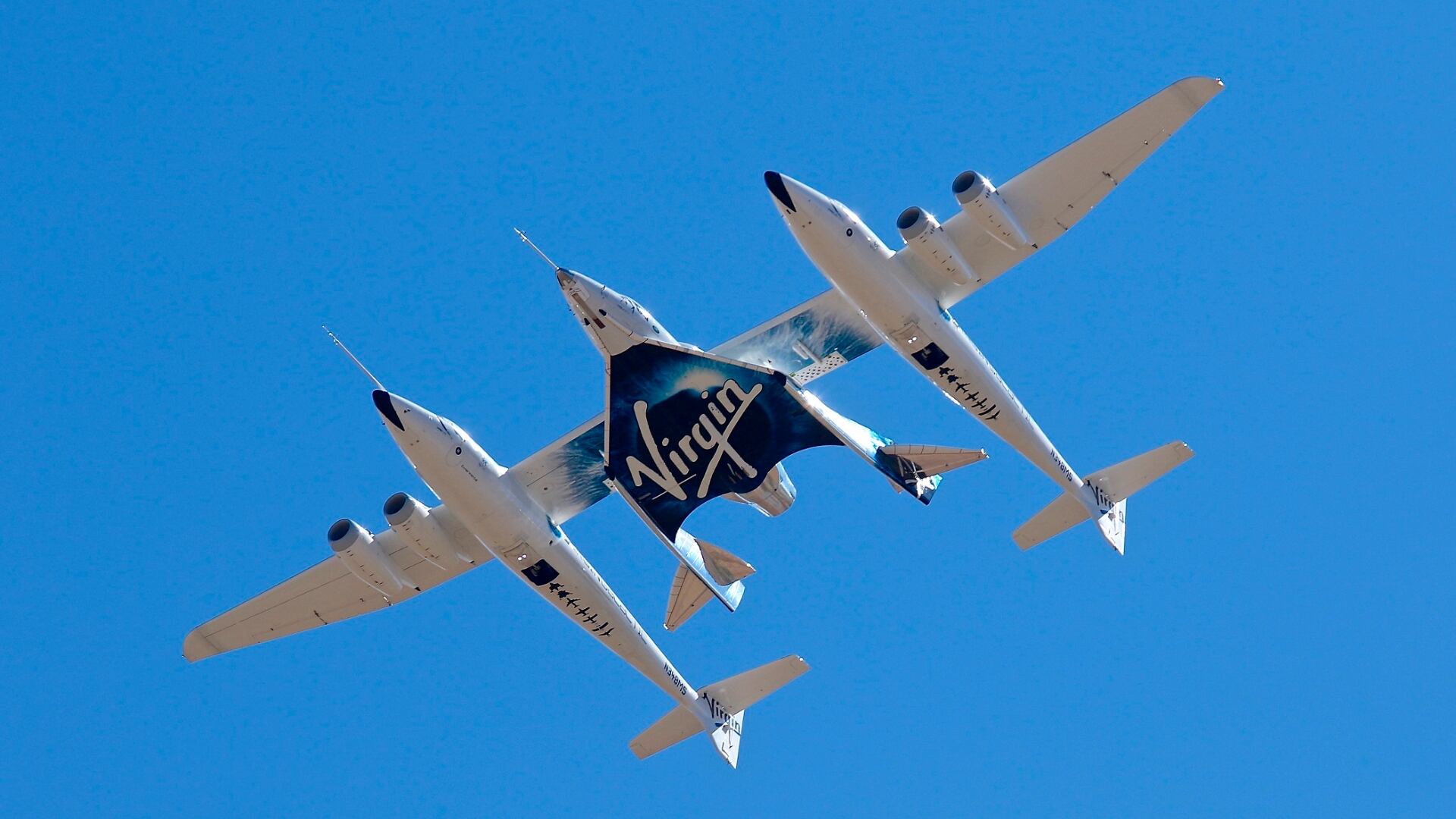
Virgin Galactic is reporting an increase in demand for commercial space flights after seeing a boost in ticket sales, raising the price for a seat on a shuttle to $450,000. The company said they now have 700 customers.
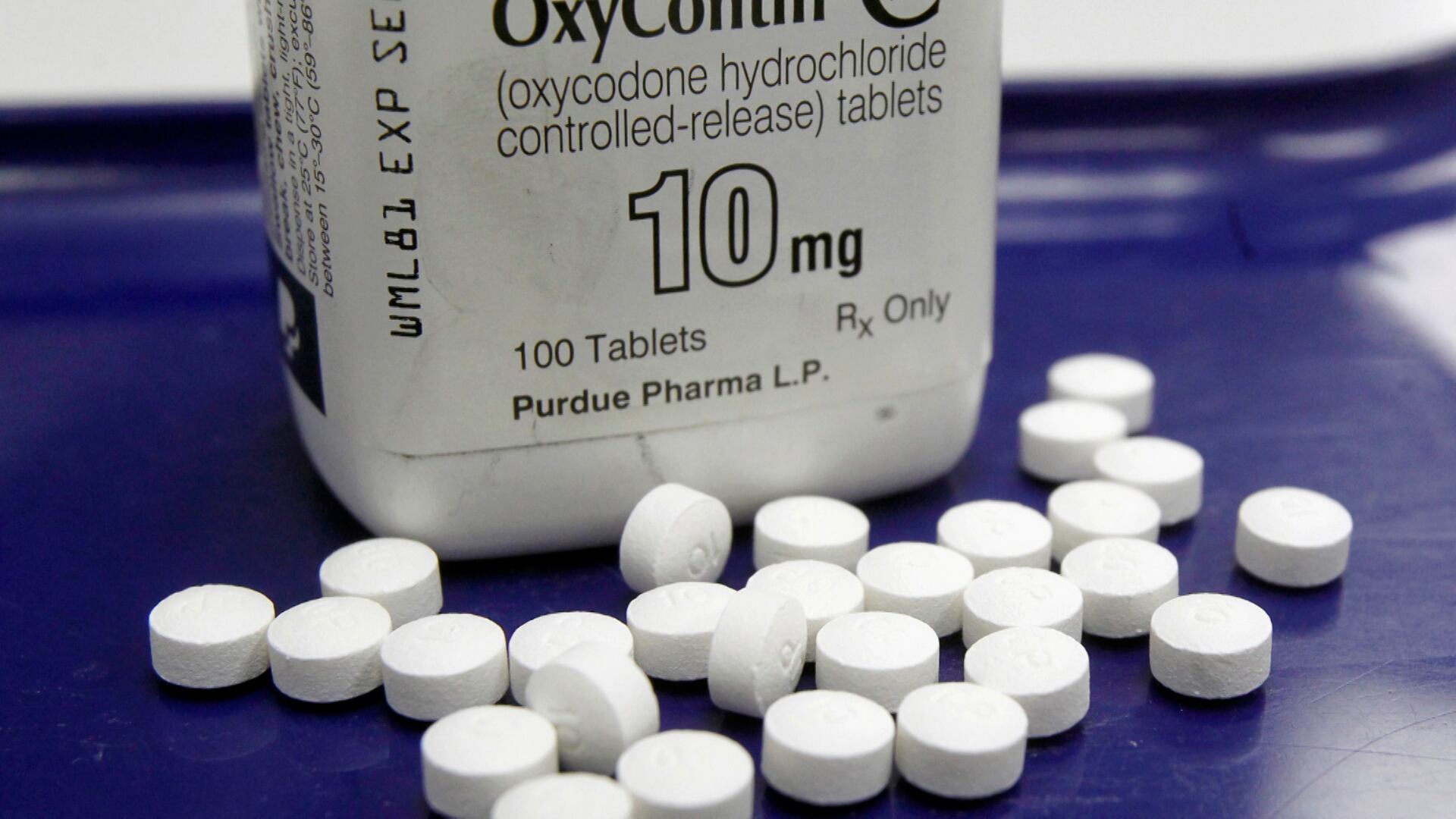
Jill Wagner and Baker Machado break down the state of the Opioid Crisis in the U.S. The CDC reported a 30% increase in overdose deaths from 2020 to 2021, but in recent months pharmaceutical companies have drastically raised the price of Naloxone or 'Narcan,' affecting the response of community harm prevention groups.
The world hit a grim milestone on Monday, with COVID-19 cases surpassing a quarter of a billion worldwide. As cases increase, the fight to beat the virus continues as well, with a number of medical breakthroughs coming out over the last few months in the form of pills from Pfizer and Merck. Regeneron is now the latest company to join the fight, recently releasing new data on a covid antibody cocktail. Professor Peter Pitts, former FDA Associate Commissioner and the founder of the Center for Medicine in the Public Interest breaks down the differences between the 3 treatments and why vaccines are still among the fire line of defense.
Jill and Carlo discuss the scenes of joy at American airports as borders reopen, another tool in the Covid toolbox, the latest in the Astroworld crowd crush tragedy and more.
The Biden Administration's mandate for COVID vaccinations by large employers has been put on hold by federal courts as GOP-led states and some businesses push back on the order's legality. Jonathan Adler, a law professor at Case Western Reserve University, joined Cheddar to discuss the legal challenges to implementing such mandates through OSHA (Occupational Safety and Health Administration). "Certainly expanding vaccinations is a good thing, and as vaccination rates go up that's better for all of us," Adler said. "But there are some legal questions about whether or not it's appropriate to use a law about occupational safety and health as the means to do that."
Dr. Nasia Safdar, Doctor at UW Madison, joined Wake Up With Cheddar to discuss the implications of Merck sharing its antiviral pill, which has been shown in early trials to cut hospitalizations and deaths by half, with poorer nations around the globe.
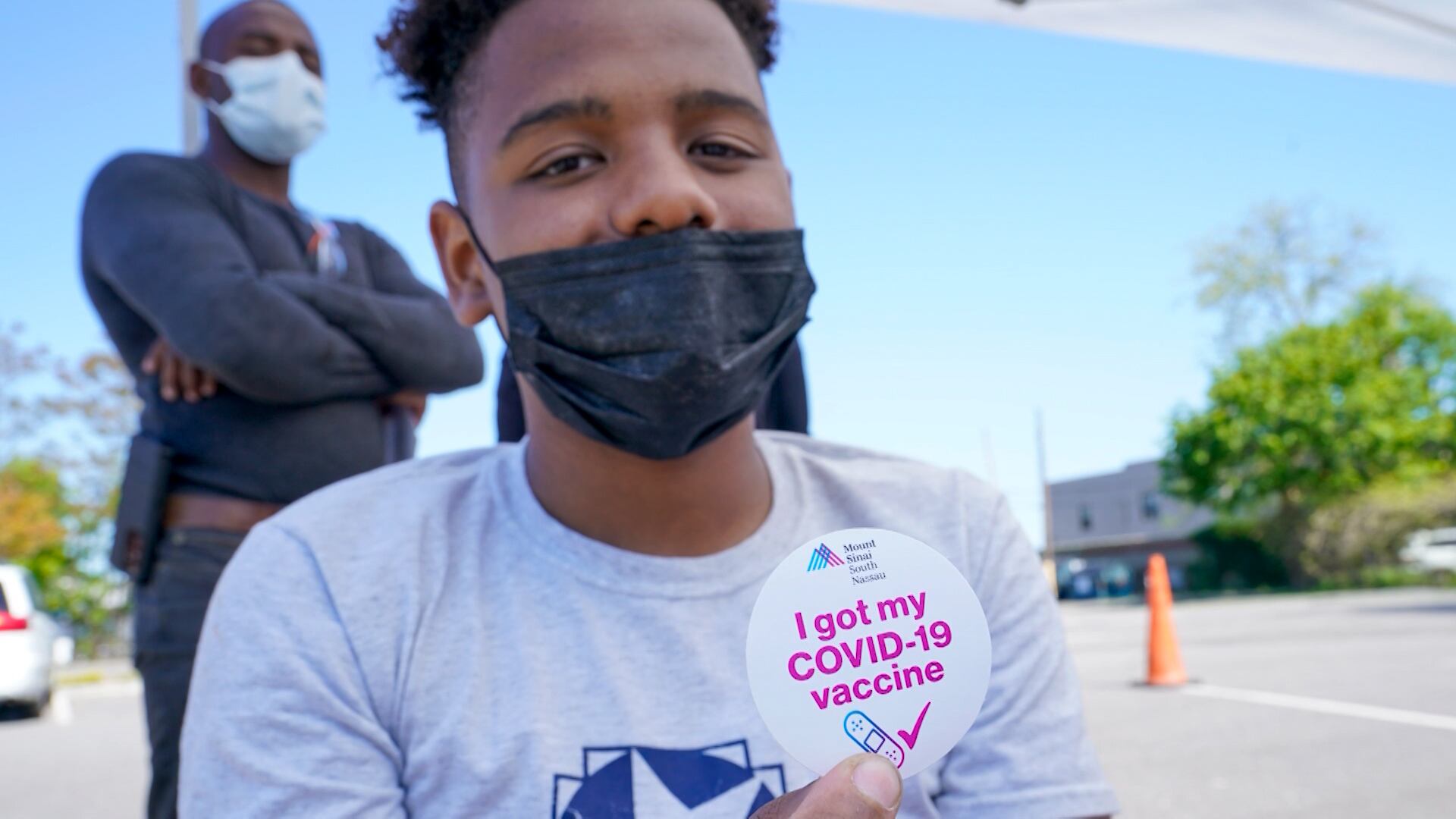
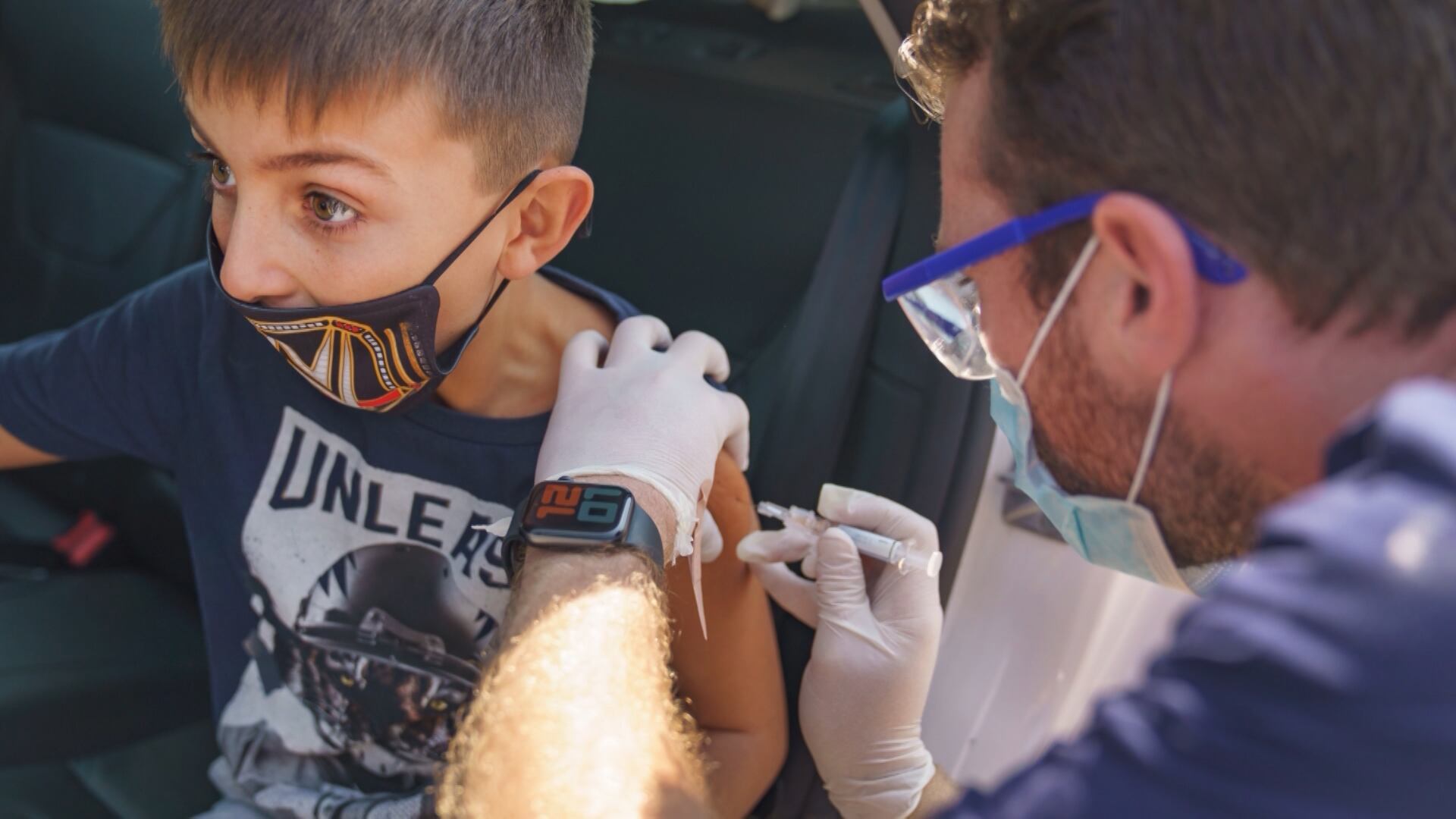
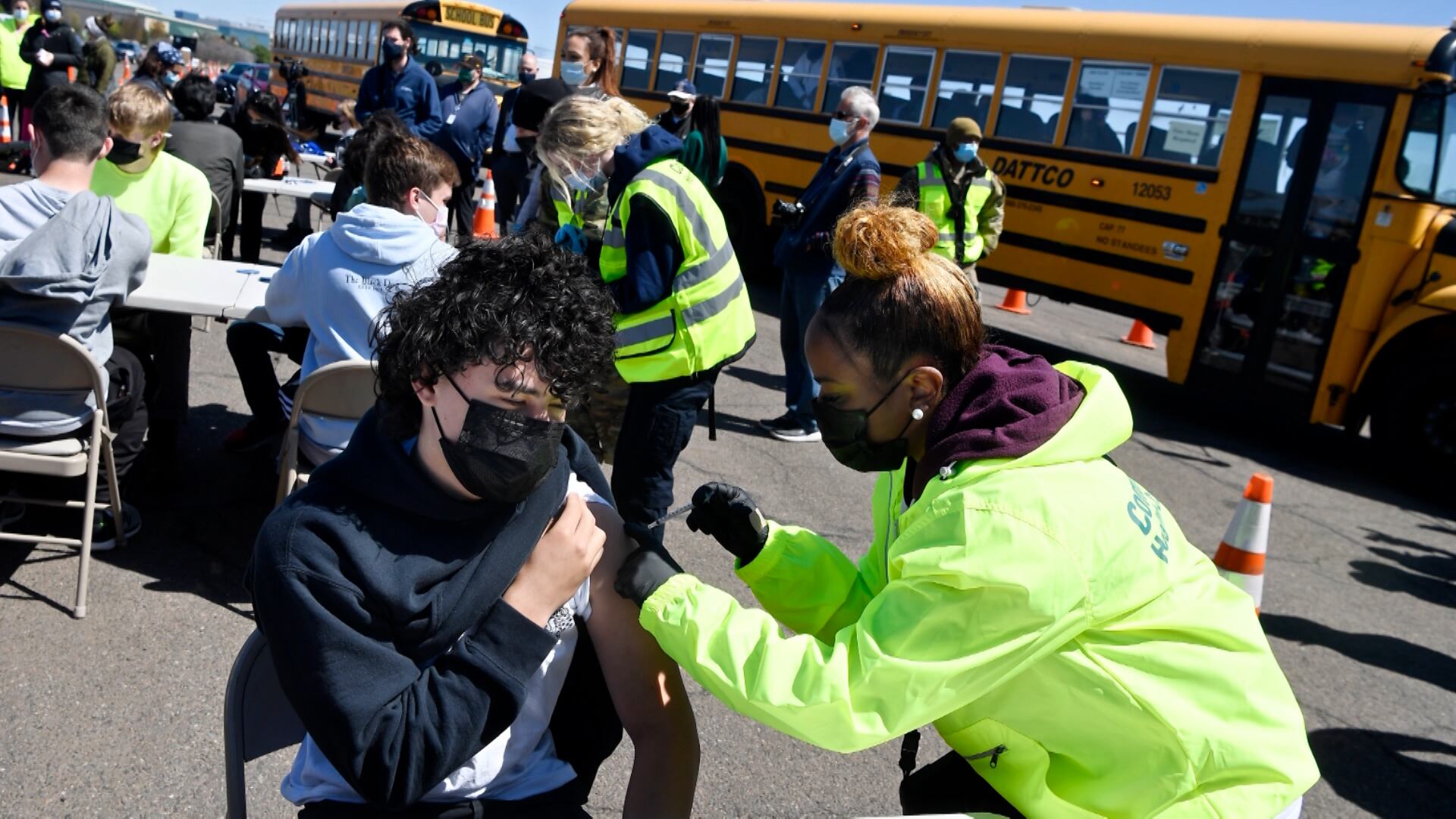
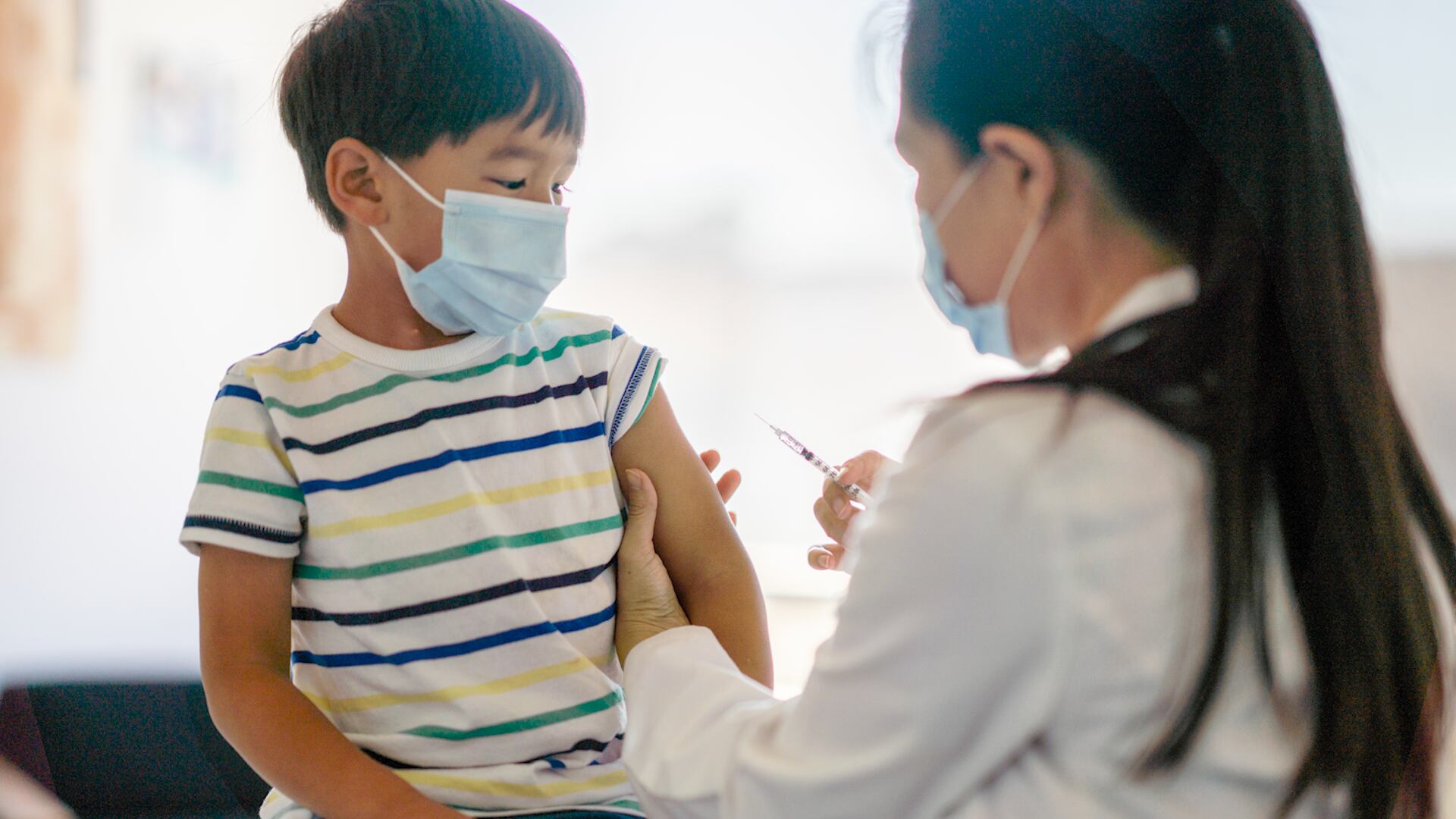
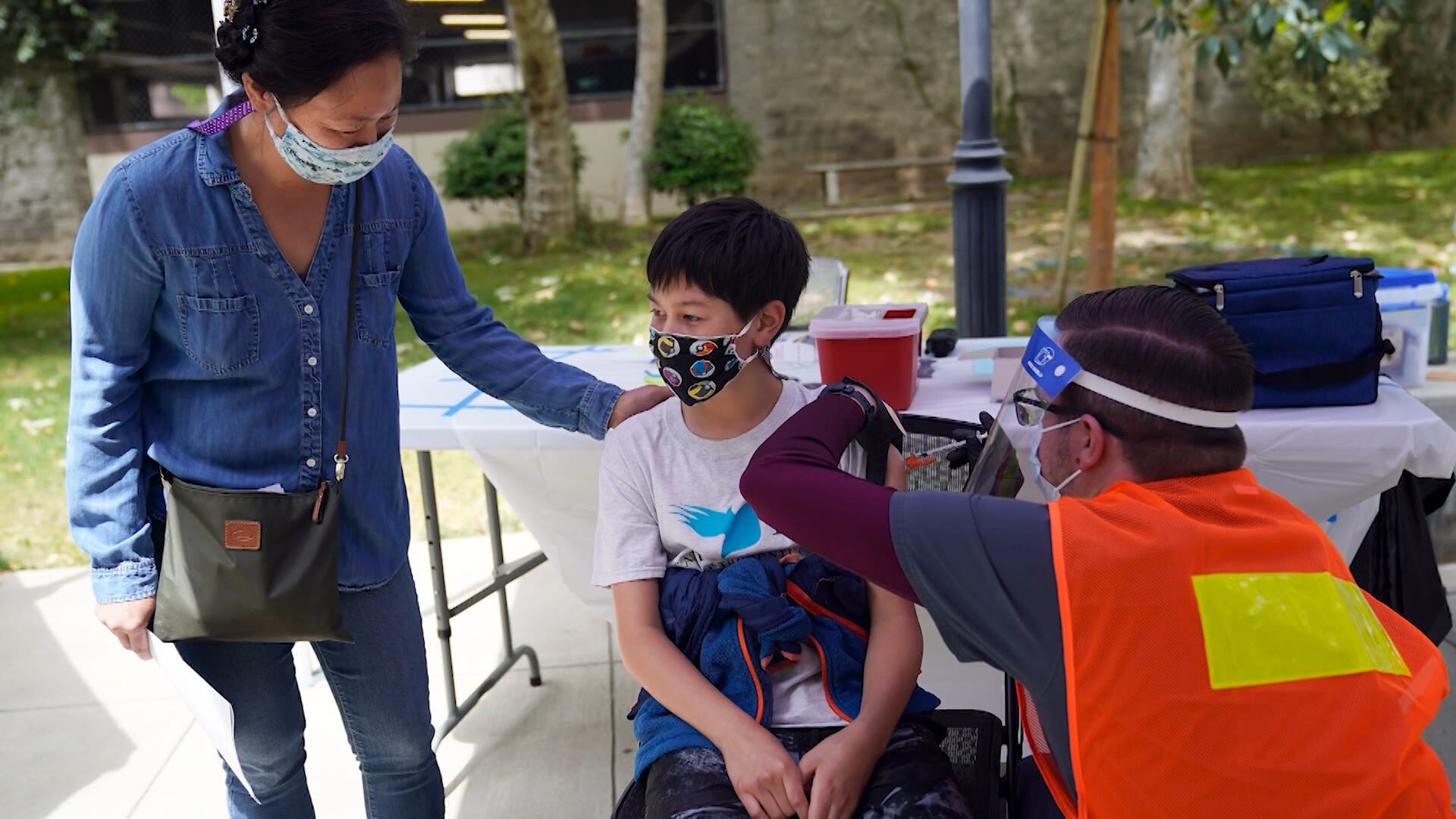
Dr. Robert Frenck, an infectious disease specialist at Cincinnati Children's Hospital, joined Cheddar to talk about the significance of children ages 5-11 being authorized to receive COVID-19 vaccinations. He also discussed schools being cleared to administer vaccines and noted the importance of meeting people where they are rather than forcing them to find the shots. Frenck also said he expects that children under 5 years old will begin getting vaccinations sometime in spring.
A CDC advisory committee as unanimously voted to recommend the Pfizer Covid-19 vaccine in children ages 5 to 11. Dr. Amesh Adalja, Infectious Disease Specialist and Senior Scholar at Johns Hopkins Center for Health Security, joined Cheddar News to discuss.
A Freitag pod with Carlo and Baker, talking about the upcoming federal vax-or-test deadline, the most shocking upset of this week's elections, an incredible story of selflessness and Love, Hate, Ate.