By David A. Lieb
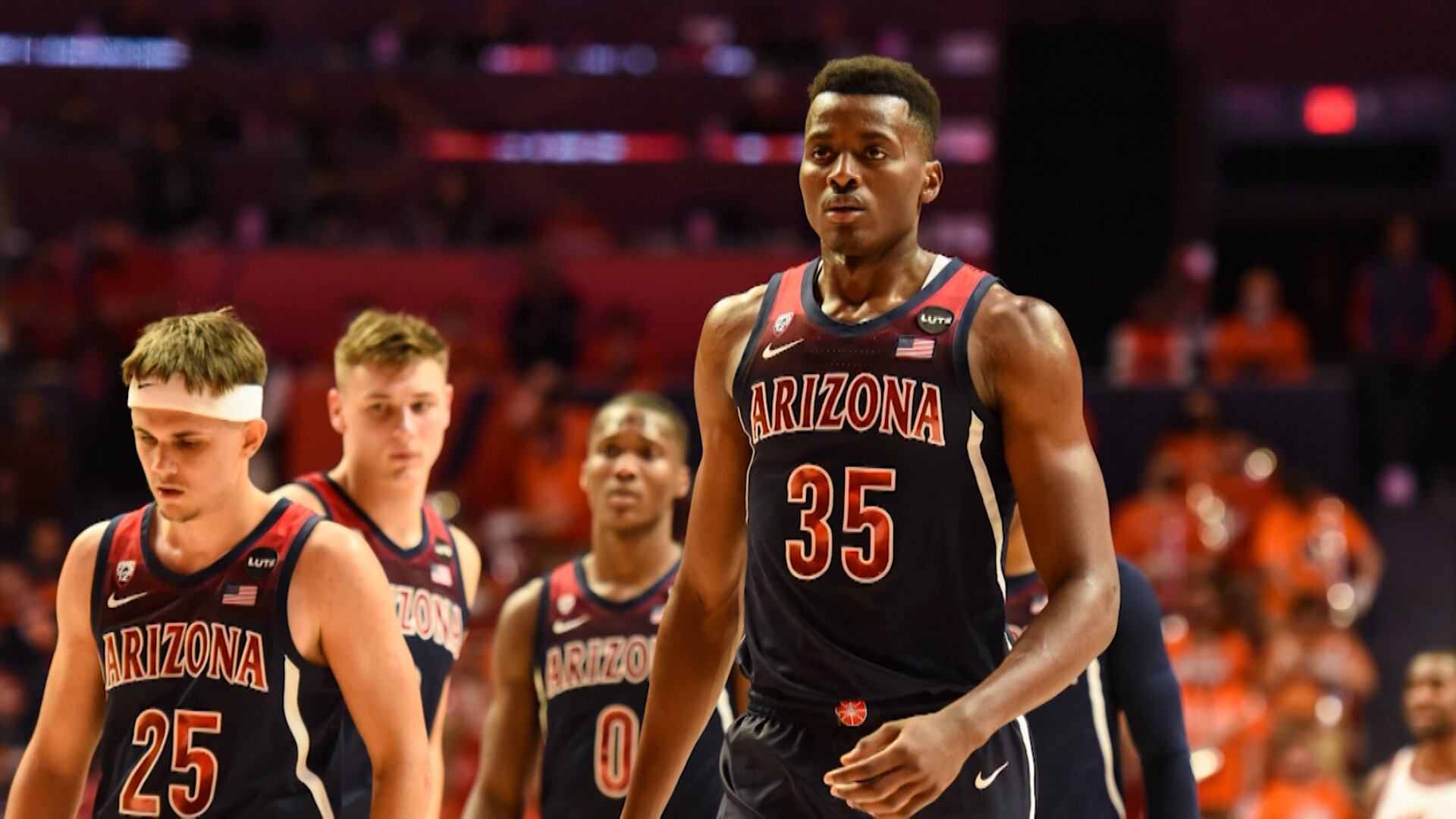
The stakes are higher in Ohio this year for March Madness — and not just because it's a regional host for the first round of the men's NCAA basketball tournament.
For the first time, Ohio sports fans can click on a mobile app or tap into kiosks at bars, restaurants or grocery stores and legally bet on the famed tournament.
Kansas, Massachusetts and Maryland also are new additions to the world of online sports betting since the NCAA tournament last tipped off. A total of 33 states and the District of Columbia now offer at least some form of sports wagering — each scrambling for shares of a multibillion-dollar enterprise that has rapidly expanded after the U.S. Supreme Court allowed it nearly five years ago.
Ohio got off to a booming start when it launched sports betting in January. In its first month, Ohio bettors wagered more than $1.1 billion, generating more than $20 million in state tax revenue. That nearly tripled the revenue amount that legislative analysts had projected for the entire first six months of operation. But no one's blaming them for missing the mark.
“They couldn’t know how big of a market we were going to have on day one,” said Jessica Franks, communications director at the Ohio Casino Control Commission.
Whereas some states started with limited in-person sports betting and gradually added mobile apps, Ohio began more aggressively — simultaneously launching numerous mobile options and retail locations. Republican Gov. Mike DeWine is now proposing to double the tax rate on sports betting.
New York began allowing sports betting in 2019, but only in person at four upstate casinos, limiting the market. Betting boomed when the state began allowing people to make sports bets through cell phones and computers in January 2022. In the first month, more than $1.6 billion was wagered through online sports betting, compared to just $15 million through in-person sports bets at casinos.
New York charges a 51% tax on revenue from mobile sports betting — a far higher rate than other states — with most revenue going to education. Budget officials originally projected that mobile sports betting would generate $357 million in state tax revenue for the 2023 fiscal year, which ends March 31. Bettors have blown that away. Through February, mobile sports betting had generated $661 million of tax revenue for education.
State Sen. Joseph Addabbo Jr., who advocated for sports betting as chair of the Senate Racing, Gaming and Wagering Committee, said even he is amazed at the results.
“There is an appetite, certainly, to do sports betting with a mobile device," Addabbo said.
New York and Ohio both have large populations and multiple professional sports teams to help drive interest in sports betting.
Arkansas, a much smaller state without major league sports teams, began in-person sports betting at casinos in July 2019. Things really took off last year when it launched mobile sports betting. State figures show nearly $3 million was wagered on this year's Super Bowl — more than three times the annual amount before mobile betting was allowed.
State officials expect people from neighboring states to cross into Arkansas to bet on March Madness.
“We will be surprised if March doesn’t set a new monthly record for sports betting in the state,” said Scott Hardin, spokesperson for the Arkansas Department of Finance and Administration.
Other states also have exceeded expectations for sports betting revenues.
Indiana's sports wagering taxes topped $31 million in the 2022 fiscal year — well more than the $12 million projection when lawmakers authorized it in 2019. New Hampshire's tax take of nearly $24 million from sports betting easily doubled its original projection for the 2022 fiscal year.
But not every state is banking as many bucks as projected from sports betting.
Legislative analysts in Montana, which allows sports bets only from online networks inside bars and casinos, had anticipated that $79 million of bets would be cast last fiscal year, generating $4.8 million of state tax revenue. The actual results were about half that — $2.4 million of state tax revenue from about $45 million of sports bets.
Connecticut received less than $20 million in sports betting taxes in the first 16 months since wagering began in October 2021. Legislative analysts had projected $21 million in its first full fiscal year.
Nationwide, legal sports betting has generated more than $3 billion in state and federal taxes since the 2018 Supreme Court ruling allowing it, according to the American Gaming Association, the industry's largest lobbying organization. It's producing about three-quarters of what eventually could be expected from a fully mature market.
The debate about sports betting has shifted from "`Is this something we should consider?' to 'How should we go about doing this in a way that best serves our constituencies?’” said Casey Clark, the association's senior vice president.
The prospects for sports betting to expand into more states this year appear mixed.
A bill legalizing sports betting passed the Kentucky House and advanced Wednesday to the Senate but still faces a high hurdle. Similar bills have died in the past in the Senate, and this year's version would a need three-fifths vote to pass.
Supporters also are taking another run at a sports betting bill in Minnesota and various other states.
In Missouri, attempts to authorize sports betting have gotten bogged down in the Senate over whether to pair them with regulations on slot-machine-style games that have been popping up in convenience stores.
In Georgia, sports betting bills have stalled amid debate about whether a constitutional amendment is needed, how to spend the potential tax revenue and whether to pair sports betting with the legalization of casinos and horse racing tracks.
The three most populous states — California, Texas and Florida — all currently lack online sports betting. The Seminole Tribe of Florida, which received exclusive state rights to run sports betting, shut down its online app in December 2021 after federal courts ruled it violated a rule requiring people to be physically present on tribal land when wagering.
After the most expensive ballot issue battle in U.S. history, California voters last November rejected a pair of rival sports betting initiatives backed by Native American tribes and the gambling industry. Supporters are likely to try again, though it's unclear when that might occur.
___
Lieb reported from Jefferson City, Mo. Associated Press writers Jeff Amy in Atlanta; Tom Davies in Indianapolis; Andrew DeMillo in Little Rock, Ark.; Brendan Farrington in Tallahassee, Fla.; Susan Haigh in Hartford, Conn.; Amy Beth Hanson in Helena, Mont.; Steve Karnowski in St. Paul, Minn.; Maysoon Khan in Albany, N.Y.; Holly Ramer in Concord, N.H.; Bruce Schreiner in Frankfort, Ky.; and Julie Carr Smyth in Columbus, Ohio, contributed to this report.