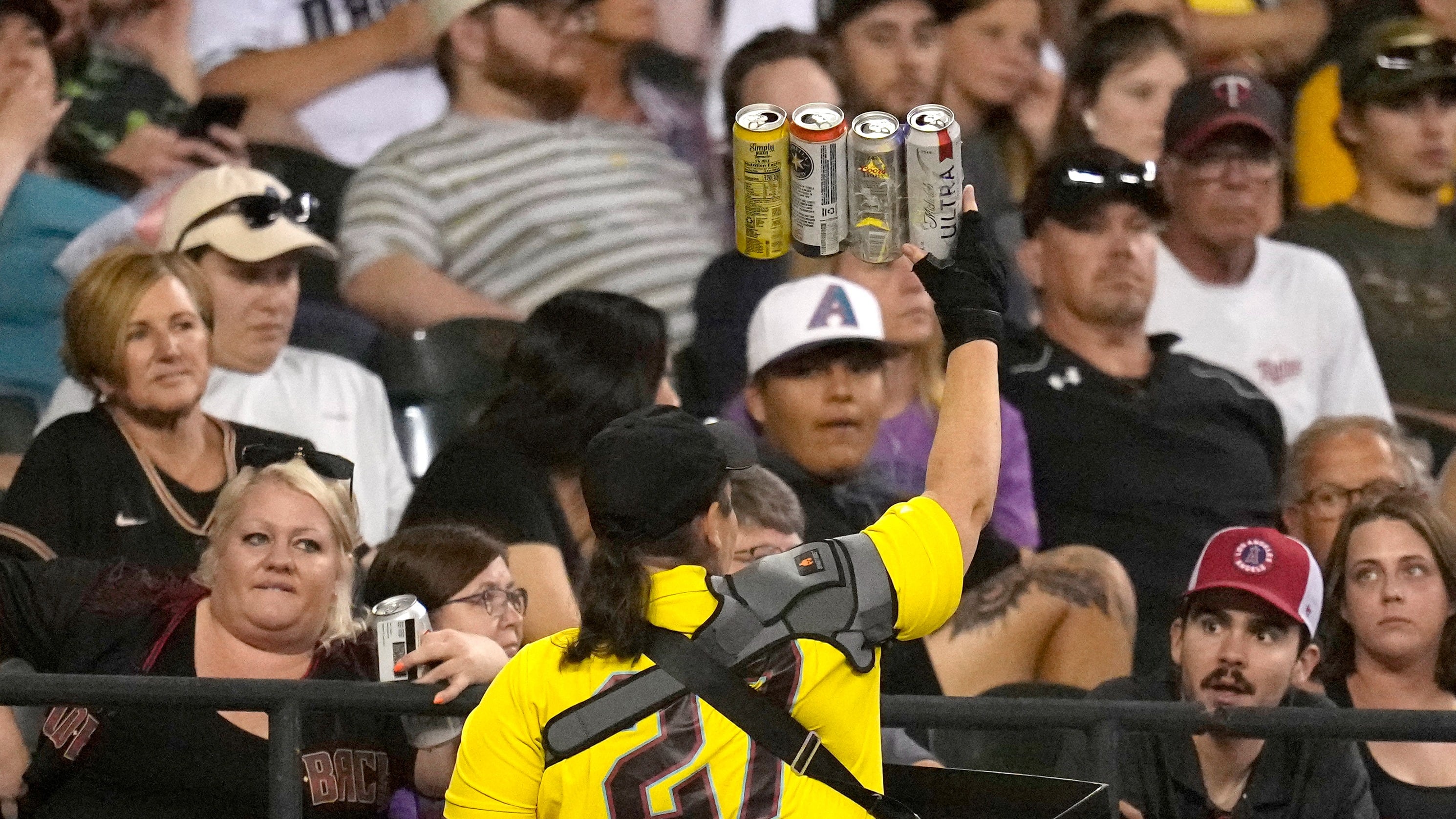
A beer vendor walks through the stands during the seventh inning of a baseball game between the Arizona Diamondbacks and the Milwaukee Brewers Tuesday, April 11, 2023, in Phoenix. (AP Photo/Ross D. Franklin)
By David Brandt
Thanks to the pitch clock, the action is moving much faster at Major League Baseball games.
It also means a little less time for fans to enjoy a frosty adult beverage.
To combat that time crunch, at least four teams — the Arizona Diamondbacks, Texas Rangers, Minnesota Twins and Milwaukee Brewers — have extended alcohol sales through the eighth inning this season. Others, like the Miami Marlins and New York Mets, still have seventh-inning cutoffs, but haven't ruled out changes.
“Totally makes sense to me,” said Tom Lienhardt, who was sipping on a beer Tuesday night before the Brewers-Diamondbacks game at Chase Field. “Since the games are shorter, you’ve got to adjust.”
Teams historically have stopped selling alcohol after the seventh.
At least one team, the Baltimore Orioles, already sold alcohol through the eighth inning, or until 3 1/2 hours after first pitch, whichever came first.
MLB games have been considerably shorter this season, largely thanks to a series of rule changes, particularly the new pitch clock. Through the first 1 1/2 weeks of the season, the average game time was down 31 minutes, on track to be the sport’s lowest since 1984.
The minor leagues played with the pitch clock last season. At least one minor league general manager — Kevin Mahoney of the Class A Brooklyn Cyclones — said there was no dropoff in concession sales even with shorter games.
Still, some big league teams have felt the need to make adjustments.
The Rangers allowed some alcohol sales in the eighth inning last season, but have made that option more widely available in 2023. The team said the move to offer in-seat service to everyone — fans can order on their phones — was done partly in reaction to the pitch clock and the potential of shorter game times so fans would not have to miss extended action waiting in lines at concession stands.
Brewers President of business operations Rick Schlesinger confirmed to MLB.com that their team's move to extend alcohol sales through the eighth was an experiment.
“If it turns out that this is causing an issue or we feel that it might cause an issue, then we’ll revert to what we have done previously,” Schlesinger said.
MLB says it does not regulate when teams sell alcohol. Most franchises have used the seventh inning as a cutoff, at least partly to avoid overserving customers who could then get in their cars and drive home.
But in reality, most teams already had areas around the ballpark where fans could get alcohol after the seventh, even if the concession stands stopped serving. Many parks are connected to restaurants or have VIP areas where the booze still flows.
“If it cuts off sales in the seventh inning, the eighth inning or the ninth inning, that really doesn’t affect our stance because regardless, we just don’t want people to drink alcohol and then drive home from the game,” said Erin Payton, Regional Executive Director for Mothers Against Drunk Driving.
___
AP Baseball Writers Ronald Blum, Noah Trister and Stephen Hawkins, and AP Sports Writers Dave Campbell, Alanis Thames and Ryan Kryska contributed to this report.
A jam-packed Freitag pod with Carlo and Baker: new Covid hotspots, Kyle Rittenhouse trial, Belarus making trouble for Europe, red-hot housing market, and how to manage a PR crisis the right way.
Olivia Harlan Dekker provides her winning picks for top games surrounding AFC playoff contenders, Martin Weiss provides his betting insight on what to expect for the remainder of the NFL season, and Mark Drumheller tells viewers who to back in a pair of key college football matchups.
Sponsored by BetMGM
Cheddar gets a look at Curiosity Stream's 'Beyond the Spotlight,' a biography series about the intriguing people who capture our attention, fill our social feeds, and shape pop culture.
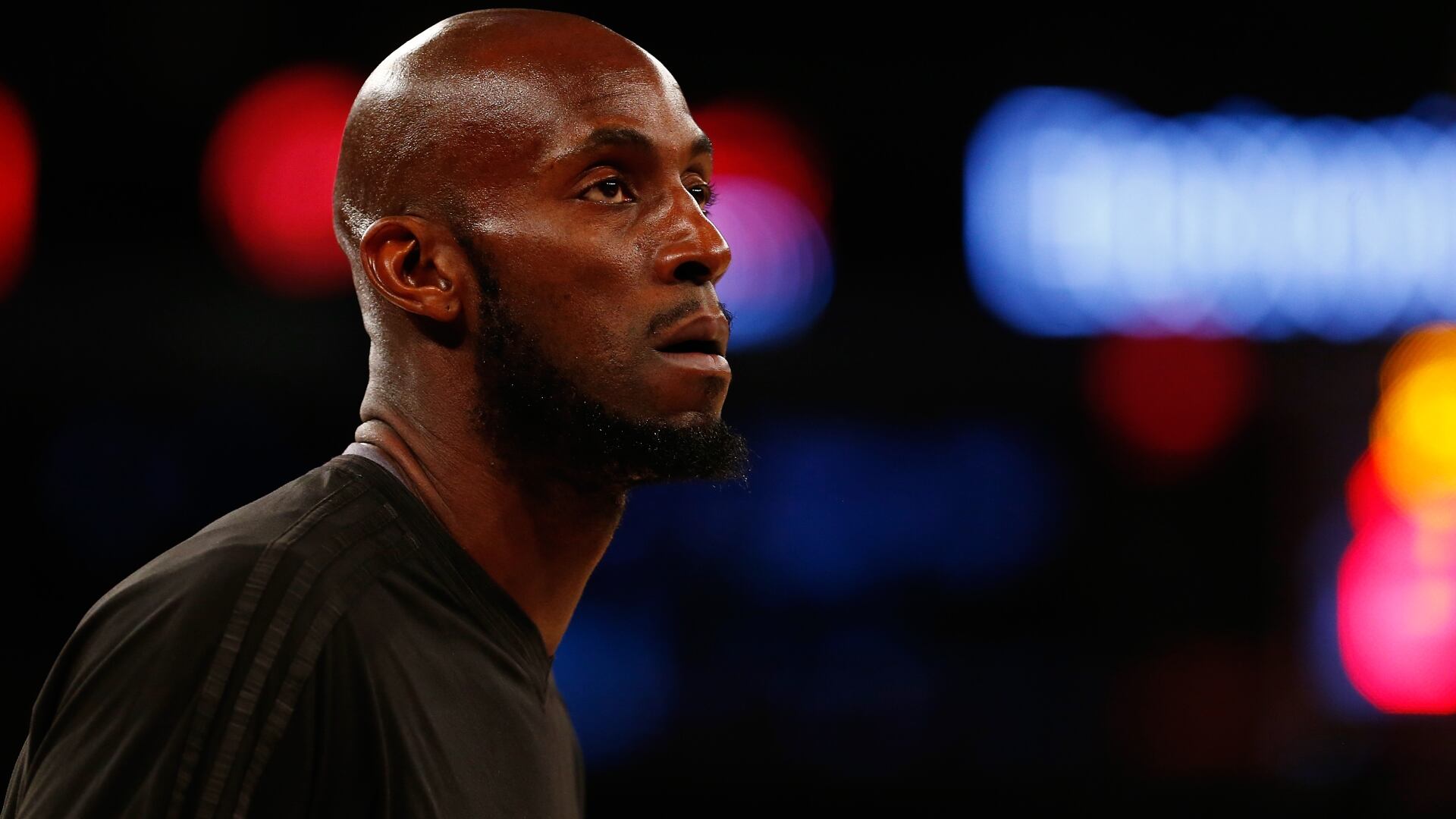
"Anything Is Possible," a documentary about NBA superstar Kevin Garnett recounting his career from being drafted out of high school to a championship with the Boston Celtics, is set to premiere on Showtime. Executive producer Marc Levin and co-directors Daniel Levin and Eric Newman joined Cheddar to provide some background on the project and discuss Garnett's legacy. With KG considered a pioneer for modern NBA draftees straight out of high school (the fifth pick in 1995), the filmmakers also discussed the possibility of the league reversing course on its current rule that requires a player to be at least 19-years-old and a year removed from high school to play.
Professional sports is facing a reckoning right now over several stories painting an ugly picture of a toxic work environment, encompassing multiple teams in multiple leagues and dealing with different issues.
This week, the NHL's Chicago Blackhawks ousted their general manager and senior director of hockey operations after an investigation confirmed former player Kyle Beach's claims that the team's former video coach Brad Aldrich sexual assaulted him back in 2010, with upper management ignoring his claims until after the team won the Stanley Cup that season. Last night, Joel Quenneville, now the coach of the Florida Panthers but Chicago's coach that season, stepped down from his post.
This comes just a few weeks after the NFL was rocked by leaked emails showing now-former Las Vegas Raiders Head Coach Jon Gruden using racist, sexist and homophobic language. He resigned soon after the emails came to light. We can't forget, though, that those emails come from a much broader investigation of the toxic work environment in the offices of the Washington Football Team. NFL Commissioner Roger Goodell said this week the league wouldn't publicly release anything from its investigation of the team, but lawyers for many of the women interviewed in the case say they want a public report.
And last January, just one month after hiring him, the New York Mets had to fire then-General manager Jared Porter, who admitted to sending explicit, unsolicited texts and images to a female reporter in 2016 when he worked for the Chicago Cubs. ESPN had been in possession of the texts since 2017, but the woman in question asked the network not to run the story out of fear her career would be harmed. She only reached back out to ESPN after she left the field of journalism altogether. Porter has been banned from the sport through next season.
If you believe in the phrase "where there's smoke, there's fire," professional sports is a five-alarm blaze.
Julie DiCaro, senior writer and editor at Deadspin, joins None of the Above to discuss.
Jill and Carlo discuss the scenes of joy at American airports as borders reopen, another tool in the Covid toolbox, the latest in the Astroworld crowd crush tragedy and more.
Gaming technology studio Mythical Games recently raised $150 million in a round led by Andreesen Horowitz, bringing Mythical's valuation to above unicorn status at $1.2 billion. Mythical Games' mission is to create a new generation of gaming with play-to-earn games that allow players to play to win actual cryptocurrency. Now the company is taking it to another level with NFT technology, allowing players to play with characters they can truly own. Mythical Games CEO John Linden joined Cheddar News' Closing Bell to discuss.