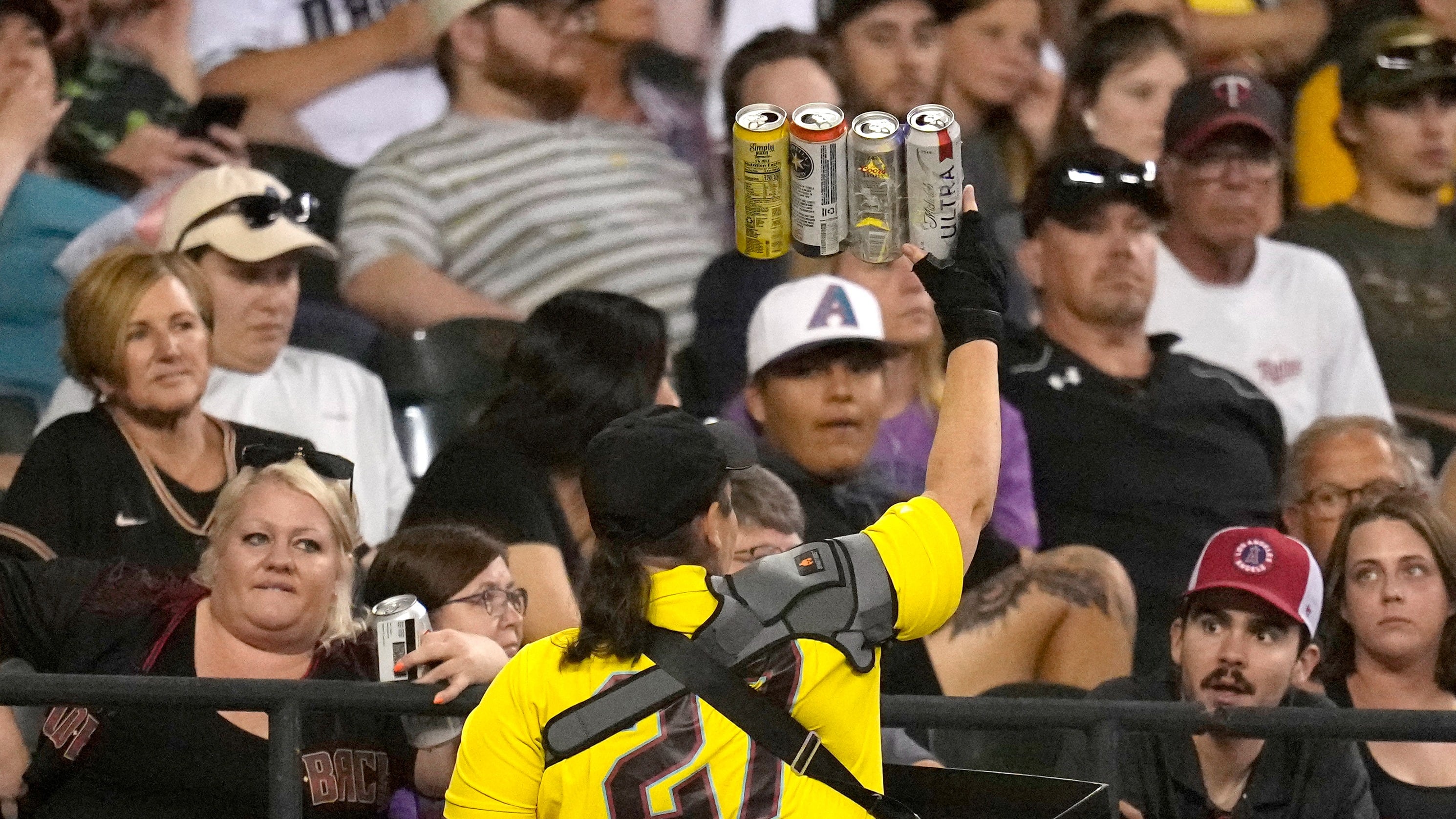
A beer vendor walks through the stands during the seventh inning of a baseball game between the Arizona Diamondbacks and the Milwaukee Brewers Tuesday, April 11, 2023, in Phoenix. (AP Photo/Ross D. Franklin)
By David Brandt
Thanks to the pitch clock, the action is moving much faster at Major League Baseball games.
It also means a little less time for fans to enjoy a frosty adult beverage.
To combat that time crunch, at least four teams — the Arizona Diamondbacks, Texas Rangers, Minnesota Twins and Milwaukee Brewers — have extended alcohol sales through the eighth inning this season. Others, like the Miami Marlins and New York Mets, still have seventh-inning cutoffs, but haven't ruled out changes.
“Totally makes sense to me,” said Tom Lienhardt, who was sipping on a beer Tuesday night before the Brewers-Diamondbacks game at Chase Field. “Since the games are shorter, you’ve got to adjust.”
Teams historically have stopped selling alcohol after the seventh.
At least one team, the Baltimore Orioles, already sold alcohol through the eighth inning, or until 3 1/2 hours after first pitch, whichever came first.
MLB games have been considerably shorter this season, largely thanks to a series of rule changes, particularly the new pitch clock. Through the first 1 1/2 weeks of the season, the average game time was down 31 minutes, on track to be the sport’s lowest since 1984.
The minor leagues played with the pitch clock last season. At least one minor league general manager — Kevin Mahoney of the Class A Brooklyn Cyclones — said there was no dropoff in concession sales even with shorter games.
Still, some big league teams have felt the need to make adjustments.
The Rangers allowed some alcohol sales in the eighth inning last season, but have made that option more widely available in 2023. The team said the move to offer in-seat service to everyone — fans can order on their phones — was done partly in reaction to the pitch clock and the potential of shorter game times so fans would not have to miss extended action waiting in lines at concession stands.
Brewers President of business operations Rick Schlesinger confirmed to MLB.com that their team's move to extend alcohol sales through the eighth was an experiment.
“If it turns out that this is causing an issue or we feel that it might cause an issue, then we’ll revert to what we have done previously,” Schlesinger said.
MLB says it does not regulate when teams sell alcohol. Most franchises have used the seventh inning as a cutoff, at least partly to avoid overserving customers who could then get in their cars and drive home.
But in reality, most teams already had areas around the ballpark where fans could get alcohol after the seventh, even if the concession stands stopped serving. Many parks are connected to restaurants or have VIP areas where the booze still flows.
“If it cuts off sales in the seventh inning, the eighth inning or the ninth inning, that really doesn’t affect our stance because regardless, we just don’t want people to drink alcohol and then drive home from the game,” said Erin Payton, Regional Executive Director for Mothers Against Drunk Driving.
___
AP Baseball Writers Ronald Blum, Noah Trister and Stephen Hawkins, and AP Sports Writers Dave Campbell, Alanis Thames and Ryan Kryska contributed to this report.
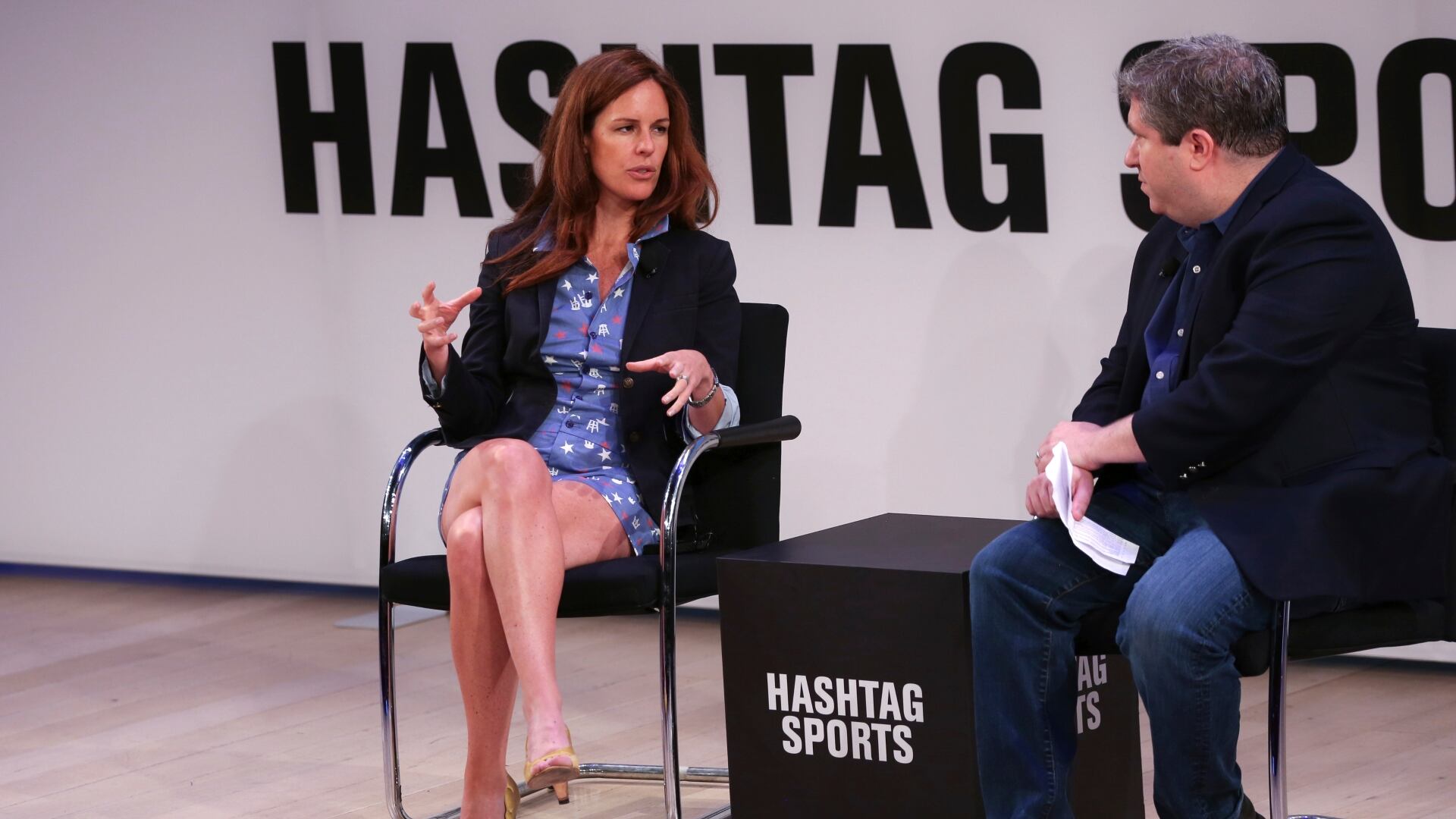
Barstool Sports CEO Erika Nardini joined Cheddar's Kristen Scholer to discuss plans for the future even as COVID-19 upended Barstool's sponsorship of the Arizona Bowl featuring the Boise State Broncos and the Central Michigan Chippewas due to the spreading omicron variant. "In our case as a company, coronavirus has been a big boom for us," she noted. "We've been able to create a lot of new programming, launch a lot of different personalities, and frankly take share from traditional media, and that's what we've done the entire pandemic." While she admitted to taking a hit on the canceled Bowl game, live events aren't completely off the table for Barstool in 2022. Nardini also talked about potential sports betting expansion following its partnership with Penn National Gaming.
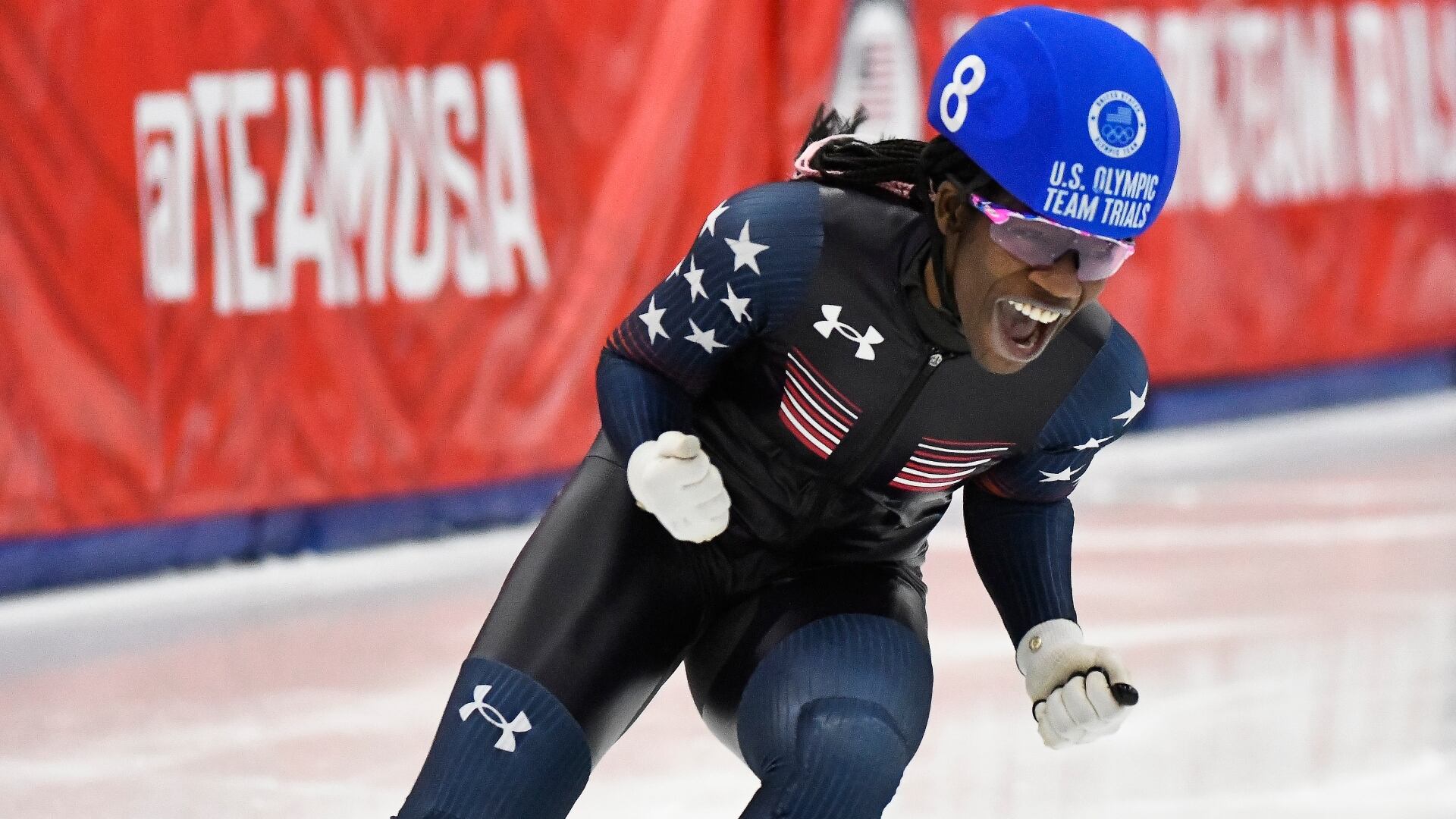
Five women have been named to the U.S. short-track speedskating team for the 2022 Beijing Olympics. Among those five, there was only one returning Olympian of the group, Maame Biney, who competed in the 2018 Olympics as the first African-American woman to ever qualify for the U.S. short-track speedskating team. JD sat down with Biney to discuss how she's preparing for the games.
Eric Mitchell, Sports Analyst and President & CEO of LifeFlip Media, breaks down the updated rules around testing in the NFL and outlines how vaccinated players are impacted by new return-to-play guidelines.
Carlo and Baker kick off the weirdest week of the year with all the news you missed over the holiday weekend, including calls for the CDC to shorten its isolation window as Omicron sweeps through the country.
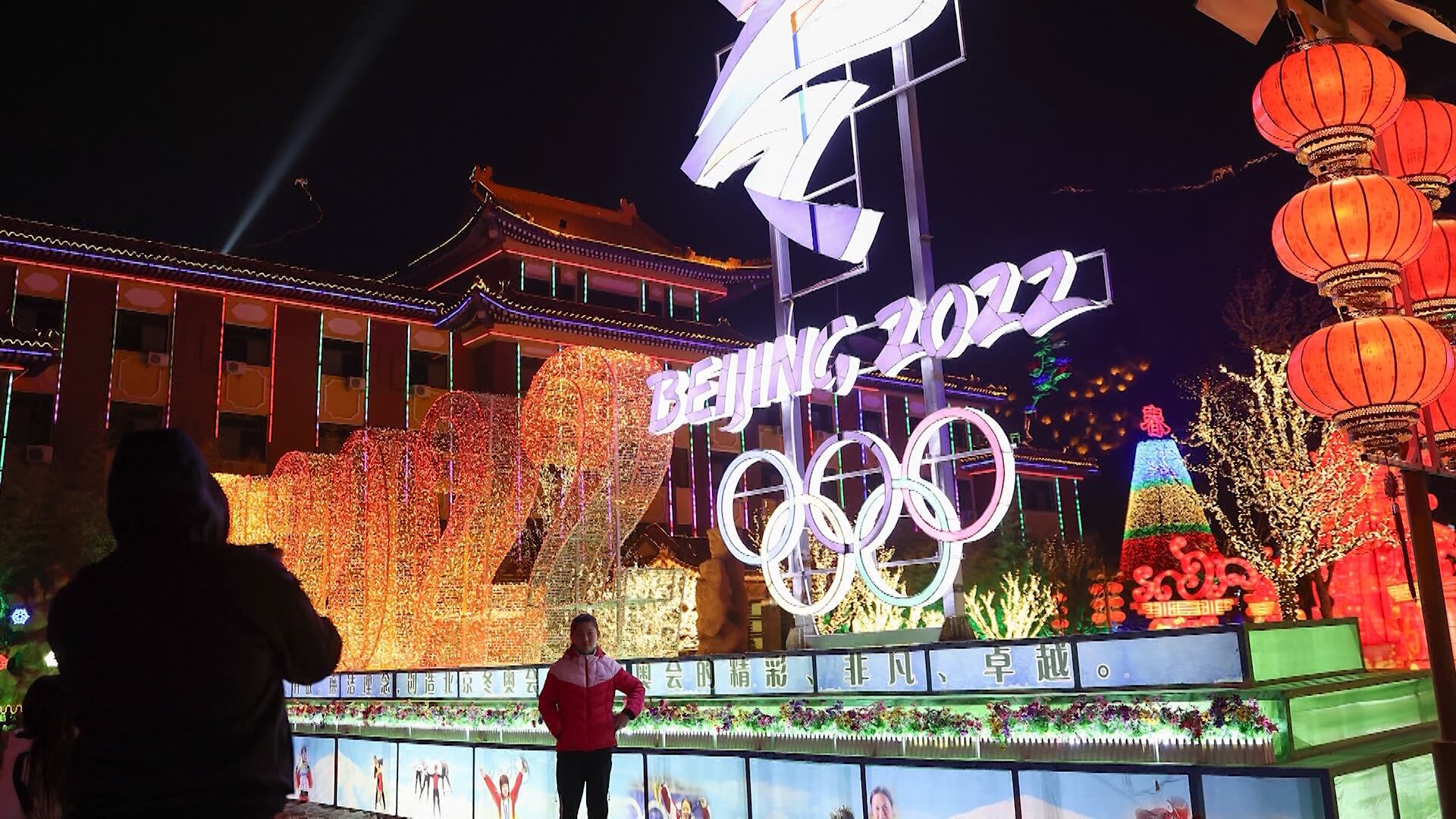
The 2022 Winter Olympics will be without some of hockey's biggest players. The NHL and the NHL Player's Association have agreed to not participate in the men's hockey tournament at the Games in Beijing next year. The league has been forced to postpone some games because of a rise in COVID-19 cases among players. Washington Post sports reporter Samantha Pell joins Cheddar News' Closing Bell to discuss what this could mean for the Winter Olympics and the sport of hockey.
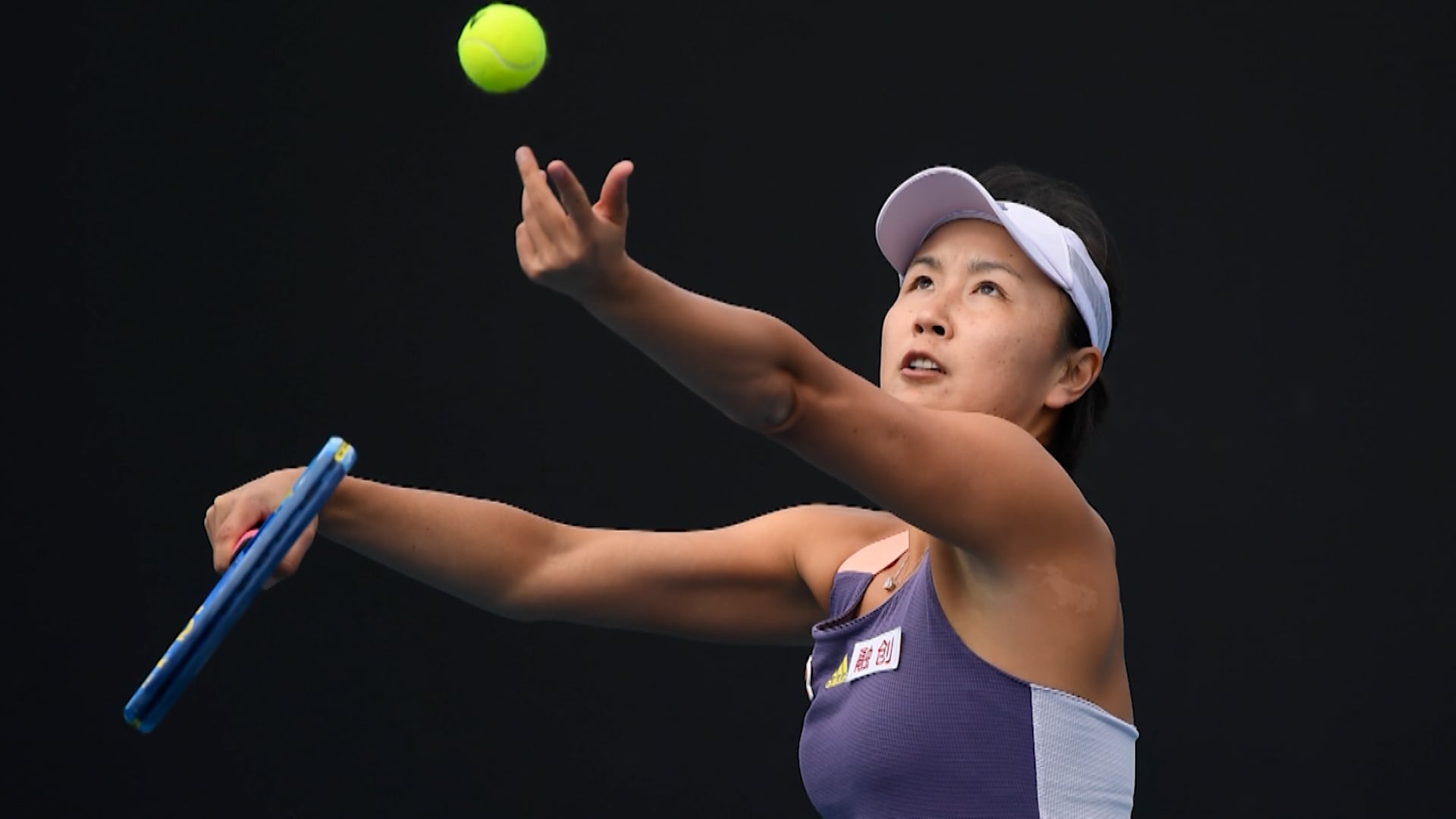
Former professional tennis player Patrick McEnroe joined Cheddar to discuss the troubling issues surrounding player Peng Shuai who appeared potentially to have been silenced following her social media post accusing former Vice-Premier Zhang Gaoli of sexual assault. Shuai's subsequent disappearance, reappearance, and apparent retraction of the accusation in an interview only added to worries. "When this happened, all of us in the tennis community were very concerned. And, by the way, another thing Peng said in this interview was that she doesn't speak very good English," McEnroe noted. "Well I can assure you, she speaks darn good English, 'cause I spoke to her on many occasions over the last 15 years."
Carlo and Baker cover the heartening news on the Covid front ahead of the holiday, plus President Biden punting student loan repayments again, a new space telescope and Love, Hate, Ate: Christmas Eve Eve Edition!