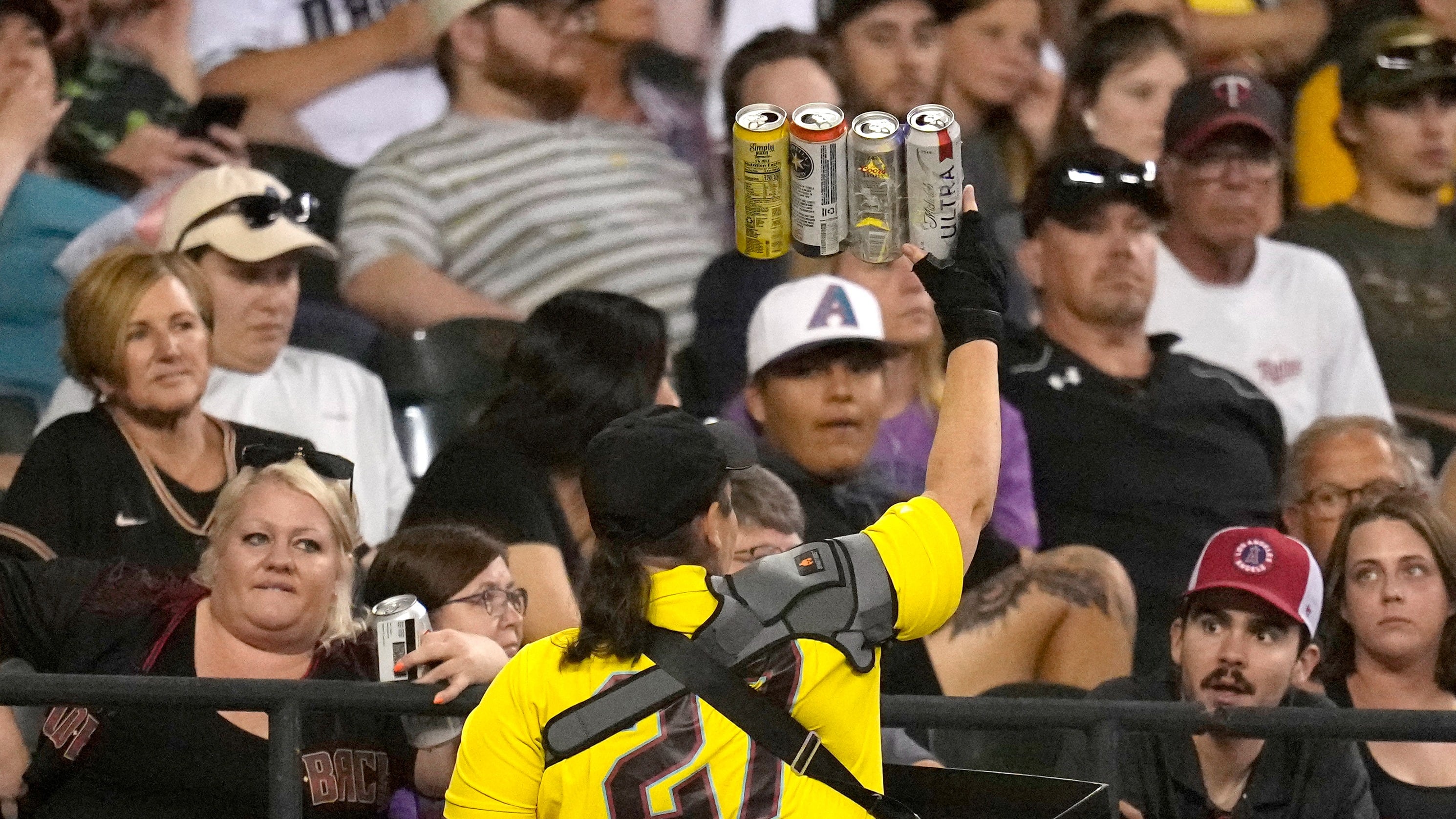
A beer vendor walks through the stands during the seventh inning of a baseball game between the Arizona Diamondbacks and the Milwaukee Brewers Tuesday, April 11, 2023, in Phoenix. (AP Photo/Ross D. Franklin)
By David Brandt
Thanks to the pitch clock, the action is moving much faster at Major League Baseball games.
It also means a little less time for fans to enjoy a frosty adult beverage.
To combat that time crunch, at least four teams — the Arizona Diamondbacks, Texas Rangers, Minnesota Twins and Milwaukee Brewers — have extended alcohol sales through the eighth inning this season. Others, like the Miami Marlins and New York Mets, still have seventh-inning cutoffs, but haven't ruled out changes.
“Totally makes sense to me,” said Tom Lienhardt, who was sipping on a beer Tuesday night before the Brewers-Diamondbacks game at Chase Field. “Since the games are shorter, you’ve got to adjust.”
Teams historically have stopped selling alcohol after the seventh.
At least one team, the Baltimore Orioles, already sold alcohol through the eighth inning, or until 3 1/2 hours after first pitch, whichever came first.
MLB games have been considerably shorter this season, largely thanks to a series of rule changes, particularly the new pitch clock. Through the first 1 1/2 weeks of the season, the average game time was down 31 minutes, on track to be the sport’s lowest since 1984.
The minor leagues played with the pitch clock last season. At least one minor league general manager — Kevin Mahoney of the Class A Brooklyn Cyclones — said there was no dropoff in concession sales even with shorter games.
Still, some big league teams have felt the need to make adjustments.
The Rangers allowed some alcohol sales in the eighth inning last season, but have made that option more widely available in 2023. The team said the move to offer in-seat service to everyone — fans can order on their phones — was done partly in reaction to the pitch clock and the potential of shorter game times so fans would not have to miss extended action waiting in lines at concession stands.
Brewers President of business operations Rick Schlesinger confirmed to MLB.com that their team's move to extend alcohol sales through the eighth was an experiment.
“If it turns out that this is causing an issue or we feel that it might cause an issue, then we’ll revert to what we have done previously,” Schlesinger said.
MLB says it does not regulate when teams sell alcohol. Most franchises have used the seventh inning as a cutoff, at least partly to avoid overserving customers who could then get in their cars and drive home.
But in reality, most teams already had areas around the ballpark where fans could get alcohol after the seventh, even if the concession stands stopped serving. Many parks are connected to restaurants or have VIP areas where the booze still flows.
“If it cuts off sales in the seventh inning, the eighth inning or the ninth inning, that really doesn’t affect our stance because regardless, we just don’t want people to drink alcohol and then drive home from the game,” said Erin Payton, Regional Executive Director for Mothers Against Drunk Driving.
___
AP Baseball Writers Ronald Blum, Noah Trister and Stephen Hawkins, and AP Sports Writers Dave Campbell, Alanis Thames and Ryan Kryska contributed to this report.
The New York Times has acquired sports outlet The Athletic in a $550 million deal. The acquisition brings the Times closer to its 10 million paid subscribers goal by 2025.
Austin Mock, College Football betting contributor for The Athletic, explains his strategy for selecting a winner in the national title game between Georgia and Alabama.
Sponsored by BetMGM
Michael Jenkins gives his picks for the final week of the NFL regular season while Joe Osborne dishes out his insight for how to approach a week where some teams choose to sit out their star players. Meanwhile, Austin Mock explains his strategy for selecting a winner in the national title game between Georgia and Alabama.
Sponsored by BetMGM
It's no secret tech giant Amazon has a mission of becoming a major player in sports media, and the company is poised to make progress on that goal in 2022. Amazon Prime Video will be the exclusive home to Thursday Night Football for the 2022-23 NFL season. In December, the New York Post reported that Amazon is in the beginning stages of developing studio sports programs, and hopes to soon have a full daily lineup of sports shows. Front Office Sports senior reporter A.J. Perez joined Cheddar News' Closing Bell to discuss.
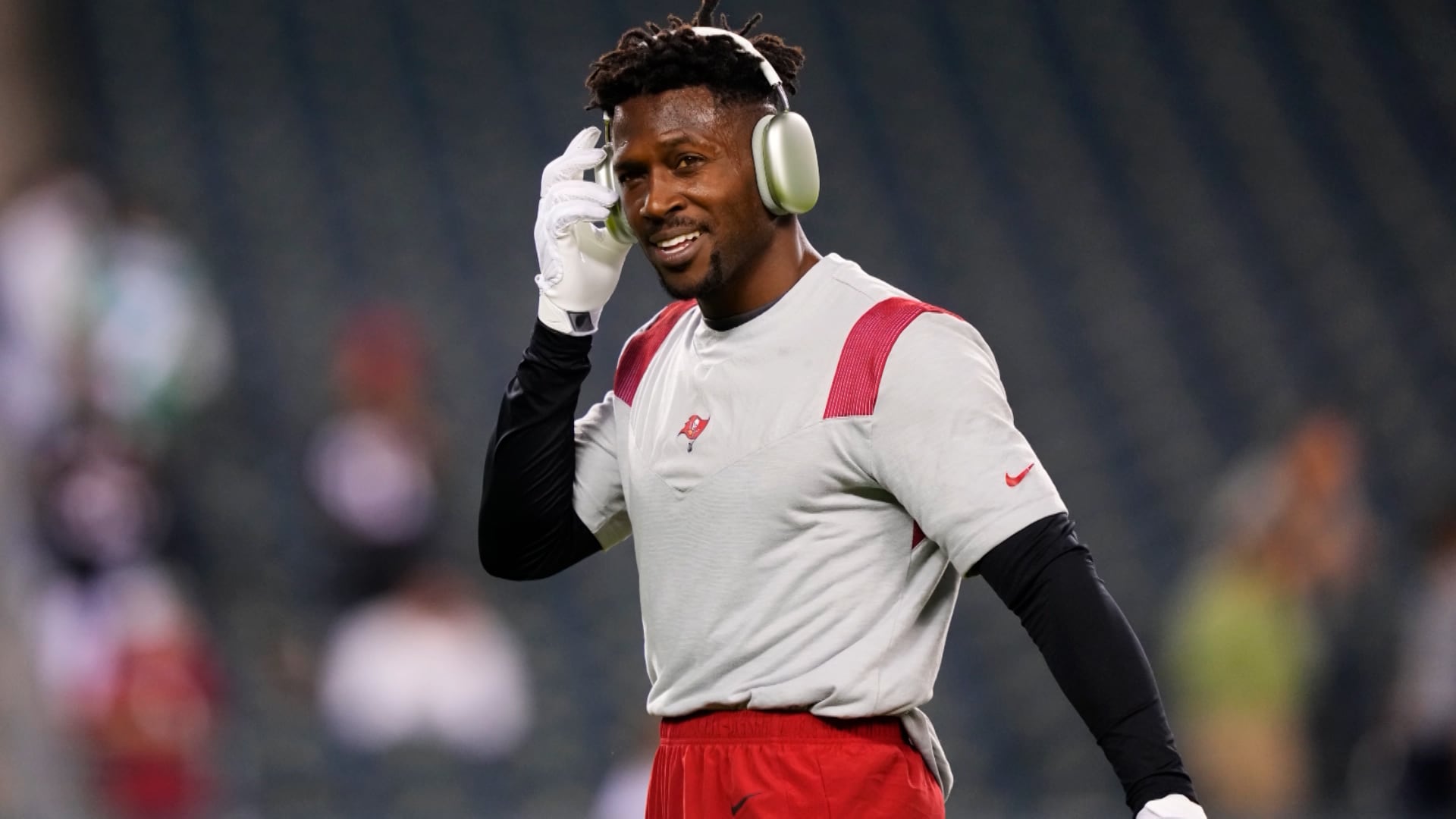
The seven-time Pro Bowler Antonio Brown thrust himself into the spotlight again after an on-field meltdown against the New York jets that ended with him pulling off his jersey and exiting the field at MetLife Stadium, leading his Tampa Bay Buccaneers head coach Bruce Arians to say that Brown was "no longer a buc." Sports commentator and former quarterback Lester Ricard Jr. joined Cheddar's "Closing Bell" to discuss the troubled star's latest actions as well as his checkered past few years in and around the league. "About three or four years ago, Antonio Brown, his career was trending towards a Hall of Famer, one of the best wide receivers of all time," said Ricard Jr. "I don't know if he's self-imploding or whatever's going on with him." Ricard went on to speculate about a specific hit Brown may have taken years back he felt could have led to the current behavior.
Sports betting is going mainstream in the United States. Dozens of states have legalized it, California is set to do the same this year. Arizona, which legalized sports betting in September, set new national records for gambling in its first months. Daniel Graetzer, CEO of Maximbet, joins Cheddar News to discuss what's next for the booming industry.
There is a new player in the mobile app stock trading space.
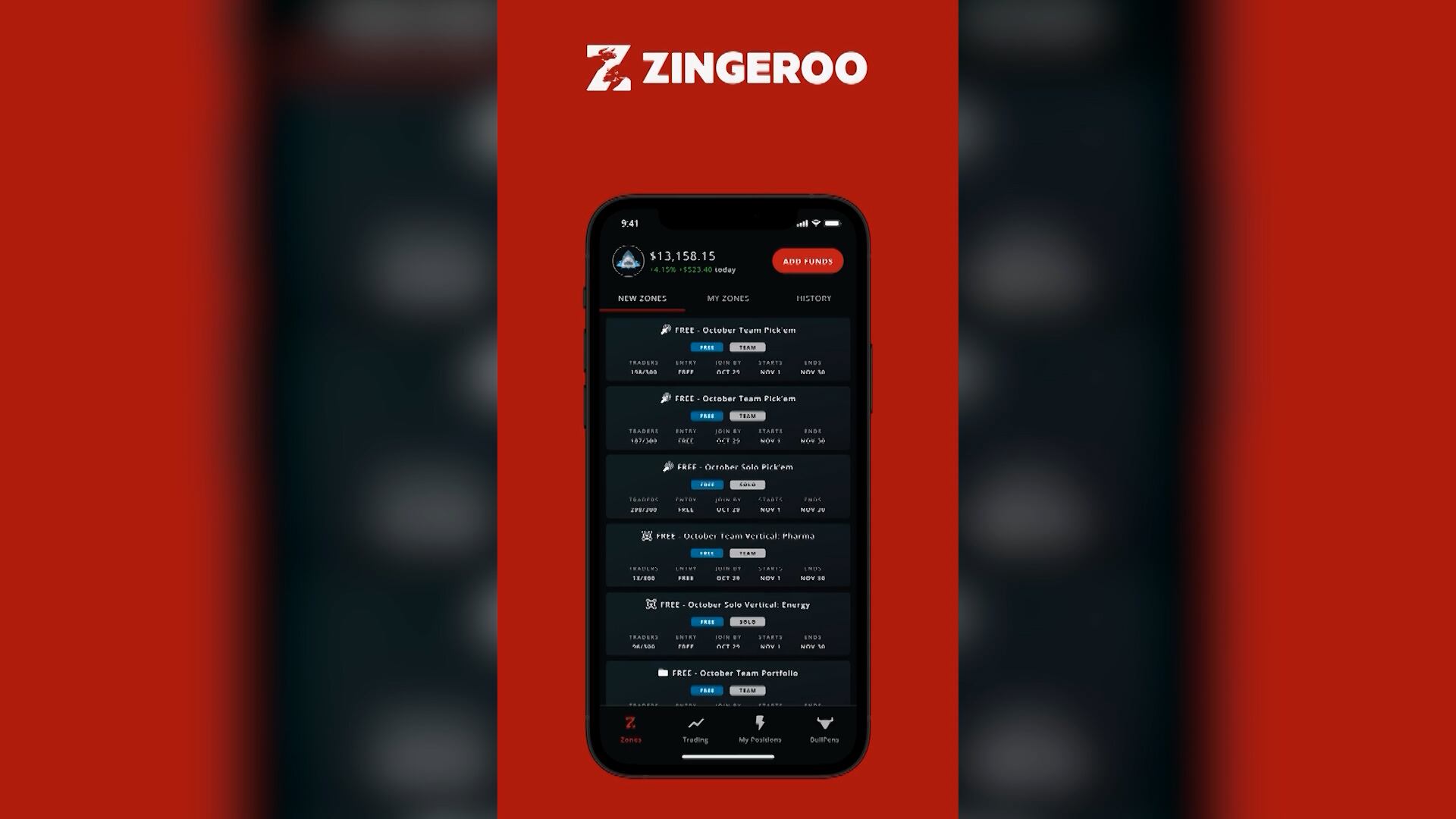
Zingeroo recently announced a funding round of $8.5 million. The company says it aims to bring 'friendly competition' to stock trading, by literally breaking trading down into daily and weekly competitions between friends. Zingeroo also says it hopes its new approach can make trading more accessible, educational, and social than ever before. Zingeroo co-founder and CEO Zoe Barry joins Cheddar News' Closing Bell for more.
Back in July of 2021, the NCAA announced a new policy in favor of allowing student-athletes to be given the chance to gain income through endorsement deals as well as public appearances. The Name, Image, and Likeness policy have found great appreciation among athletes who now can grow their businesses without having to sacrifice their playing eligibility. However, some critics believe this new policy could cause some chaos in the locker room. Sports Reporter at the Wall Street Journal Laine Higgins, joined Cheddar to discuss more.