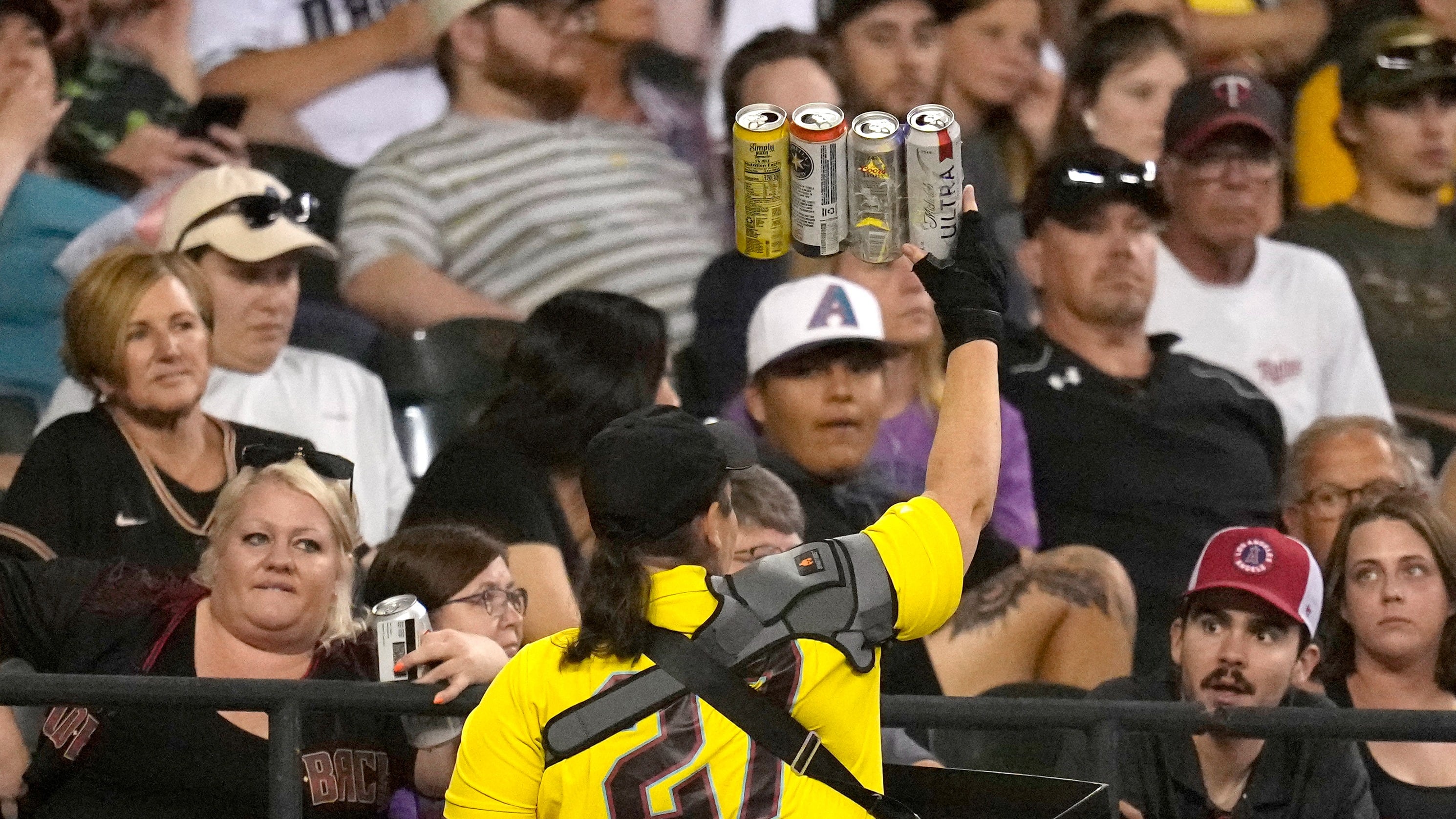
A beer vendor walks through the stands during the seventh inning of a baseball game between the Arizona Diamondbacks and the Milwaukee Brewers Tuesday, April 11, 2023, in Phoenix. (AP Photo/Ross D. Franklin)
By David Brandt
Thanks to the pitch clock, the action is moving much faster at Major League Baseball games.
It also means a little less time for fans to enjoy a frosty adult beverage.
To combat that time crunch, at least four teams — the Arizona Diamondbacks, Texas Rangers, Minnesota Twins and Milwaukee Brewers — have extended alcohol sales through the eighth inning this season. Others, like the Miami Marlins and New York Mets, still have seventh-inning cutoffs, but haven't ruled out changes.
“Totally makes sense to me,” said Tom Lienhardt, who was sipping on a beer Tuesday night before the Brewers-Diamondbacks game at Chase Field. “Since the games are shorter, you’ve got to adjust.”
Teams historically have stopped selling alcohol after the seventh.
At least one team, the Baltimore Orioles, already sold alcohol through the eighth inning, or until 3 1/2 hours after first pitch, whichever came first.
MLB games have been considerably shorter this season, largely thanks to a series of rule changes, particularly the new pitch clock. Through the first 1 1/2 weeks of the season, the average game time was down 31 minutes, on track to be the sport’s lowest since 1984.
The minor leagues played with the pitch clock last season. At least one minor league general manager — Kevin Mahoney of the Class A Brooklyn Cyclones — said there was no dropoff in concession sales even with shorter games.
Still, some big league teams have felt the need to make adjustments.
The Rangers allowed some alcohol sales in the eighth inning last season, but have made that option more widely available in 2023. The team said the move to offer in-seat service to everyone — fans can order on their phones — was done partly in reaction to the pitch clock and the potential of shorter game times so fans would not have to miss extended action waiting in lines at concession stands.
Brewers President of business operations Rick Schlesinger confirmed to MLB.com that their team's move to extend alcohol sales through the eighth was an experiment.
“If it turns out that this is causing an issue or we feel that it might cause an issue, then we’ll revert to what we have done previously,” Schlesinger said.
MLB says it does not regulate when teams sell alcohol. Most franchises have used the seventh inning as a cutoff, at least partly to avoid overserving customers who could then get in their cars and drive home.
But in reality, most teams already had areas around the ballpark where fans could get alcohol after the seventh, even if the concession stands stopped serving. Many parks are connected to restaurants or have VIP areas where the booze still flows.
“If it cuts off sales in the seventh inning, the eighth inning or the ninth inning, that really doesn’t affect our stance because regardless, we just don’t want people to drink alcohol and then drive home from the game,” said Erin Payton, Regional Executive Director for Mothers Against Drunk Driving.
___
AP Baseball Writers Ronald Blum, Noah Trister and Stephen Hawkins, and AP Sports Writers Dave Campbell, Alanis Thames and Ryan Kryska contributed to this report.
Former wide receiver for the New York Giants, Victor Cruz has partnered with Krystal Restaurants, a popular burger chain in the South, to bring the franchise to his home state of New Jersey. Cruz and Alice Crowder, CMO of Krystal Restaurants, joined Cheddar's Opening Bell to discuss the venture. The five new locations will be known as "Victor Cruz's Krystal," decked out with memorabilia from his football career, with the former player explaining how "hands-on" he plans on being. "You never know, OK? You might walk in and Victor Cruz will be flipping a burger back there, and you might be getting it directly from the source," he said.
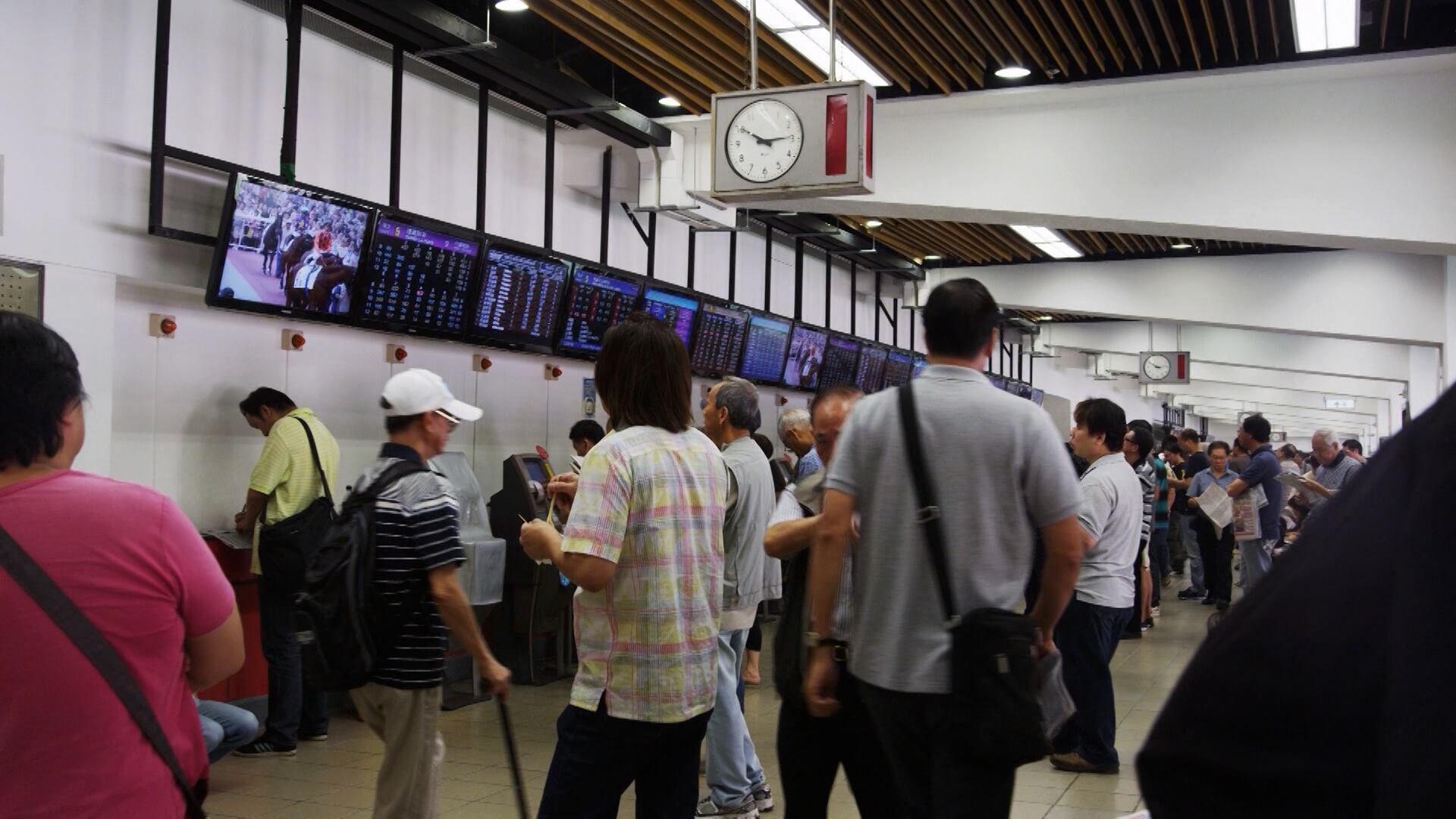
Max Bichsel, vice president at Gambling.com Group joins Cheddar News to talk about the growing sports betting industry, New York legalizing mobile betting, and 2022 predictions for the sector.
Cody Roark, NFL analyst at Pro Football Network joins Cheddar News to talk about NFL playoff predictions and which teams have a shot at the Super Bowl.
Next-gen social sports platform Break the Love recently raised $2.5 million in seed funding. Break the Love's platform and iOS app allows users to discover and book group-based tennis activities, to either learn, train, or compete. The new company has already gotten support from a few big names in the world of tennis, including the coach of Naomi Osaka, as well as the United States Tennis Association and the brand Wilson. Break the Love founder and CEO Trisha Goyal joins Cheddar News' Closing Bell to discuss.
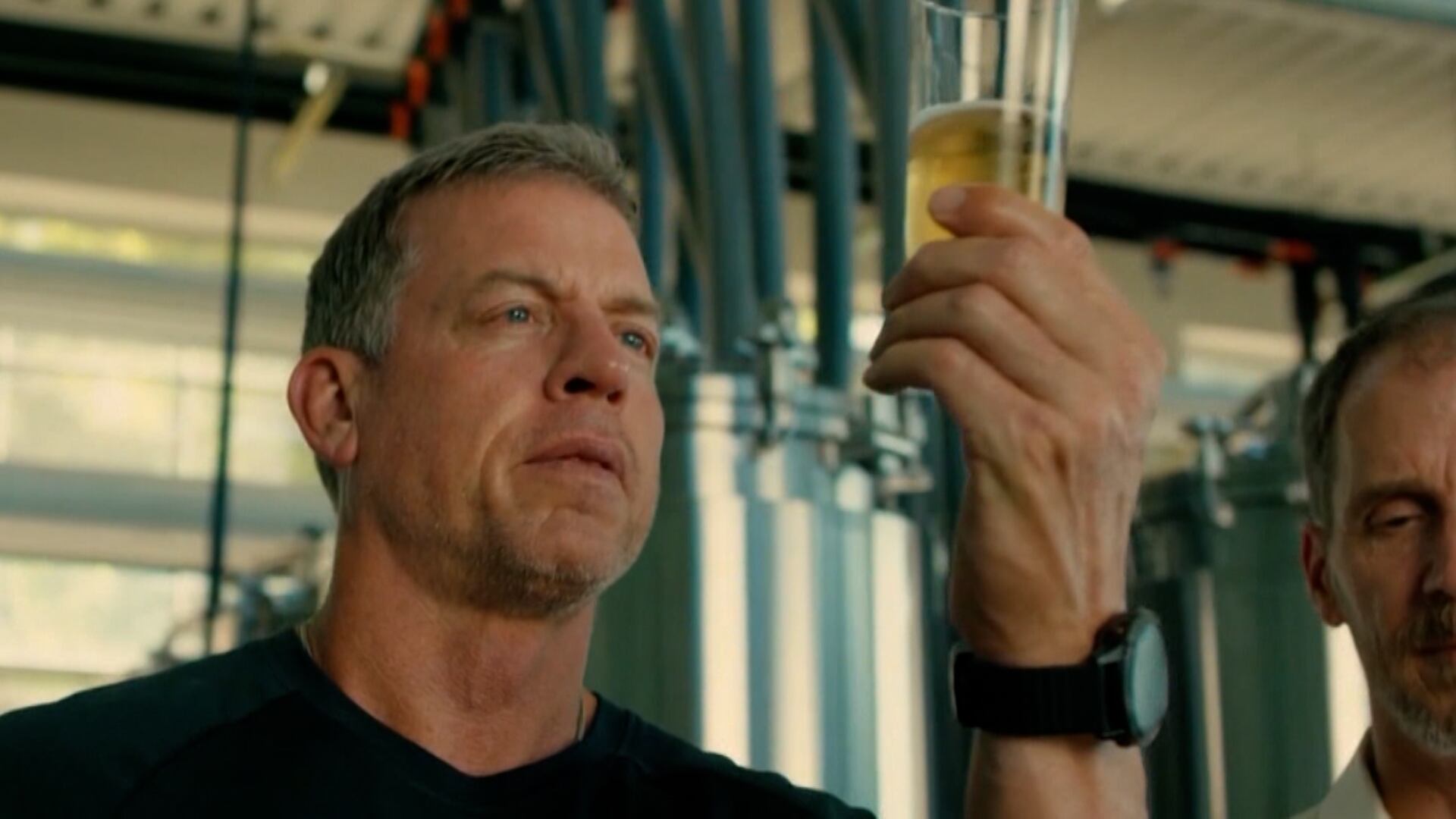
Hall of Fame quarterback Troy Aikman joined Cheddar's "Between Bells" to talk about his own brand of organic light beer called Eight (his jersey number with the Dallas Cowboys) and explained that he's had an interest in the industry since his days working for a distributor during college. "These brands that are on the market have been there for a long time and [I] felt that it was time for something fresh, something new, and I thought that we could do it in a way that was a better-for-you beer' and that's what we've done," he said. Aikman also provided some insight into the upcoming NFL playoffs and noted that he doesn't see a clear frontrunner for this year's Vince Lombardi trophy.
It is 'game on' for sports bettors in the state of New York, as mobile betting kicks off on four major betting operating platforms this Saturday. The state, with over 20 million residents, will be the most populous state with legal online sports betting. Max Bichsel, VP of US Business for EmpireStakes.com joins Cheddar News to discuss.
College athletes scored big in 2021 when they were finally allowed to begin earning money based off of their name, image, and likeness, known as NIL. But how can young athletes best manage their money so they can set themselves up for years of success? Nicole Pullen Ross, Head of Goldman Sachs Sports and Entertainment Solutions, joins Cheddar News' Closing Bell to discuss why financial management for college athletes is important, common pitfalls they could run into, and more.
On Saturday, New York will join neighboring New Jersey and Connecticut in authorizing mobile sports betting. Matt Kalish, president and co-founder of Draftkings North America, joined Cheddar to talk about the landmark change that is estimated to rake in $500 million in annual tax revenue on a potential billion-dollar market. Kalish also addressed the possibility that legalized sports betting in the Empire State could cannibalize his company's revenues in the bordering states. "It's pretty inconvenient, you know, to go across the border to make a bet. And people were doing it, but I think it really stifled a lot of the opportunity," he said. "So while there's some of that going on, I think really a tremendous amount, like a giant percent, of New York will be very incremental."
Desmond Howard, former NFL wide receiver and Modelo college football playoff ambassador, joins Cheddar News to talk about the Modelo sweepstakes honoring the 30th anniversary of his iconic punt return.