A large cross-section of Americans is at risk of falling below the poverty line as the program that provided more than 32 million people with extra SNAP (Supplemental Nutrition Assistance Program) benefits during the pandemic is set to end. Families received at least $95 extra per month to spend on food.
In place since 2020, it provided an emergency allotment of benefits as an unprecedented number of people faced added financial hardship as COVID-19 spread. Congress passed the Consolidated Appropriations Act at the end of 2022, which concludes the expanded program in February. The change comes as food prices have continued to skyrocket at grocery stores.
During the pandemic, nearly 4.2 million Americans were able to stay above the poverty line with the additional aid at the end of 2021, according to a study conducted by the Urban Institute, with poverty reduced by 9.6 percent in states with the SNAP expansion. But in states where the program has already ended, there have been reports of people struggling to buy necessary food items.
"The emergency allotments were always intended to be temporary and they did tremendous good during a very difficult time in our country," Stacy Dean, USDA deputy undersecretary for Food, Nutrition and Consumer Services, told the Associated Press.
Older Americans on social security will feel the reduction in SNAP funds particularly hard as a recent 8.7 percent cost of living adjustment will be unlikely to offset the loss of the benefits.
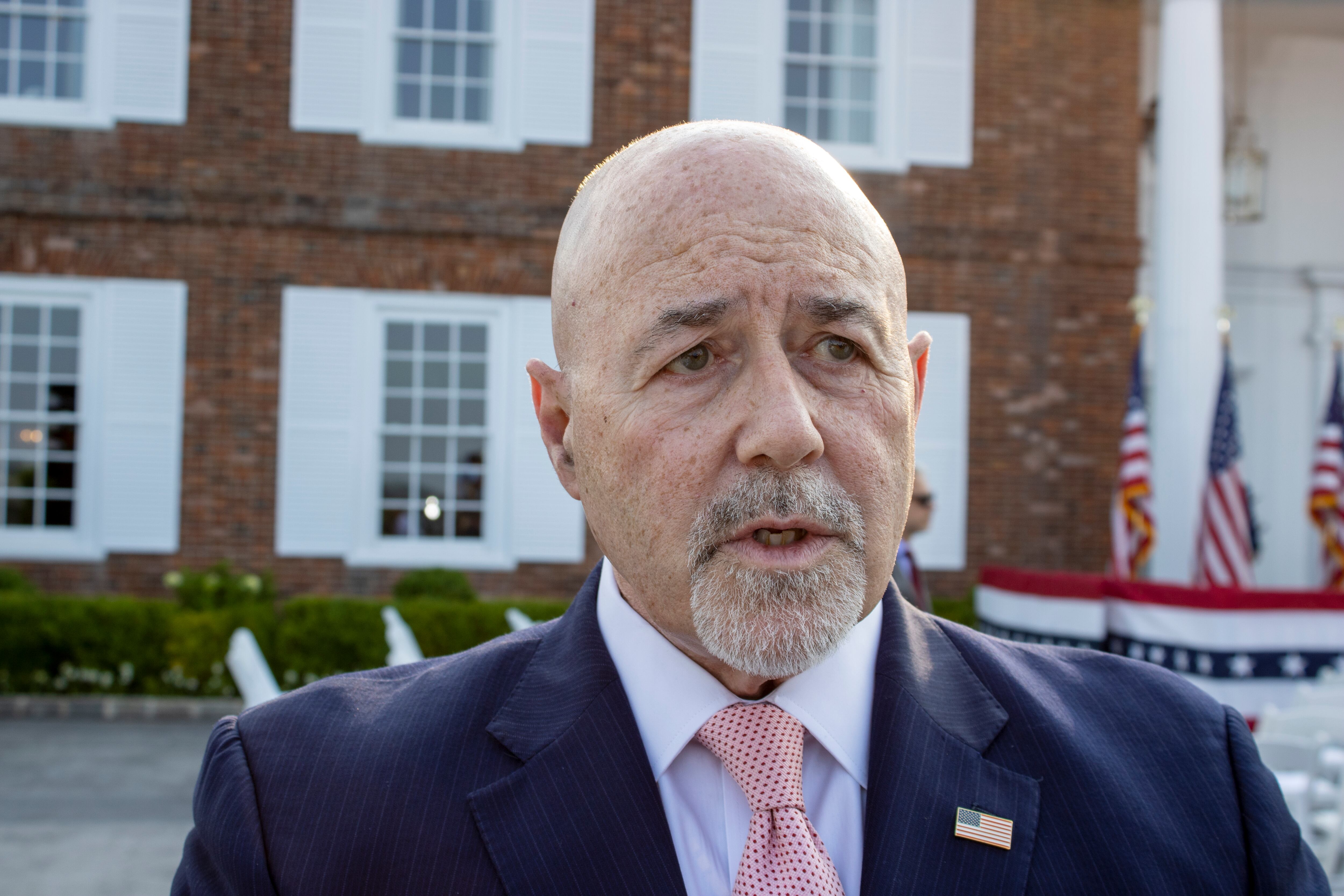
The lawyer for former NYPD commissioner Bernard Kerik turned over thousands of pages and documents to a special counsel as part of an investigation into Kerik's alleged involvement to overturn the results of the 2020 election.
Israel’s parliament on Monday approved the first major law in Prime Minister Benjamin Netanyahu’s contentious plan to overhaul the country’s justice system, triggering a new burst of mass protests and drawing accusations that he was pushing the country toward authoritarian rule.
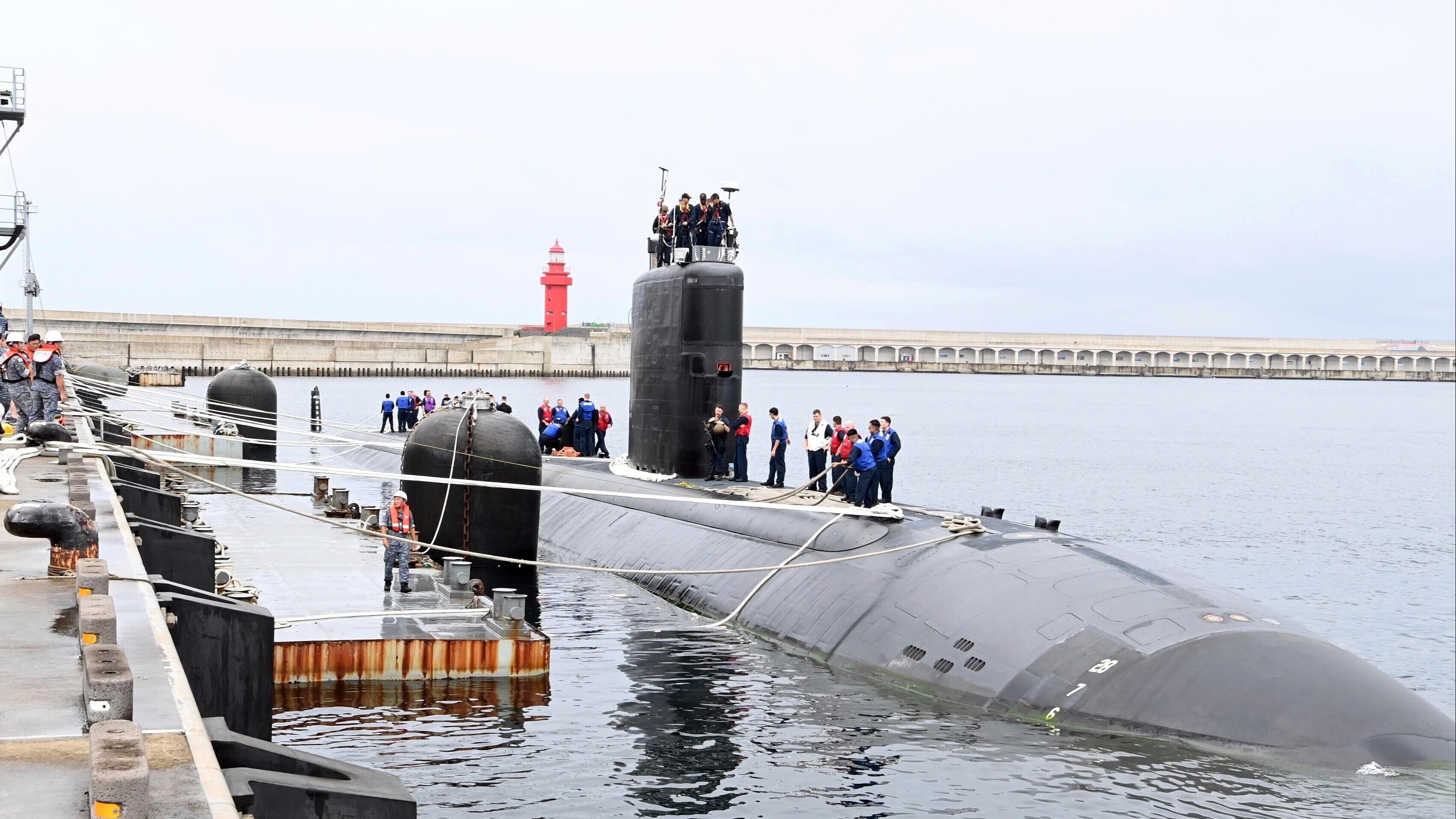
North Korea fired two short-range ballistic missiles into its eastern sea, South Korea’s military said Tuesday, adding to a recent streak in weapons testing that is apparently in protest of the U.S. sending major naval assets to South Korea in a show of force.
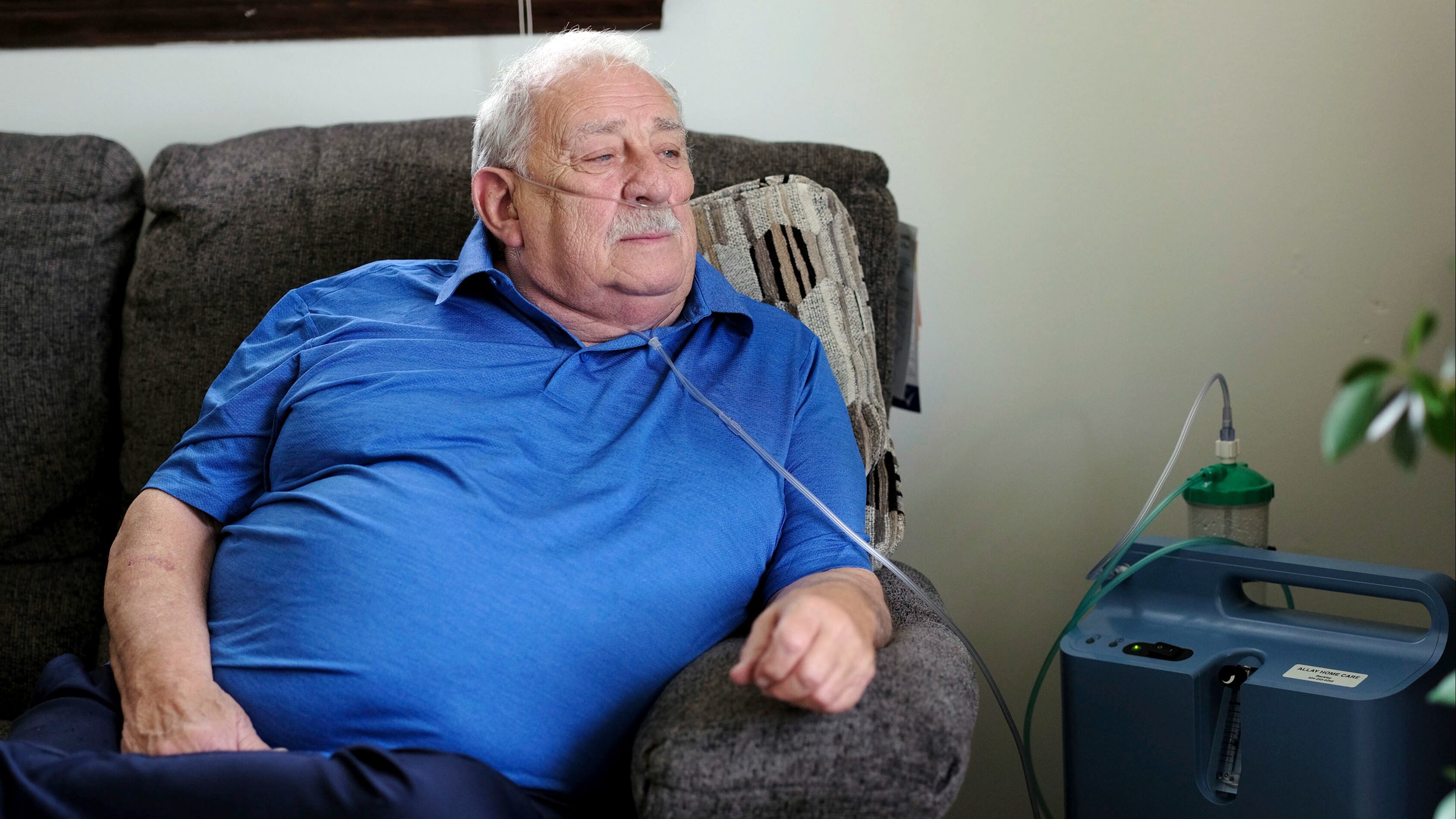
Now the federal Mine Safety and Health Administration has proposed a rule that would cut the current limit for silica exposure by half — a major victory for safety advocates. But there is skepticism and concern about the government following through after years of broken promises and delays.
A state trooper's account of officers denying migrants water in 100-degree Fahrenheit (37.7 Celsius) temperatures and razor wire leaving asylum-seekers bloodied has prompted renewed criticism.