Microsoft founder Bill Gates reflects upon a 50-year-old computer code
By Michael Liedtke
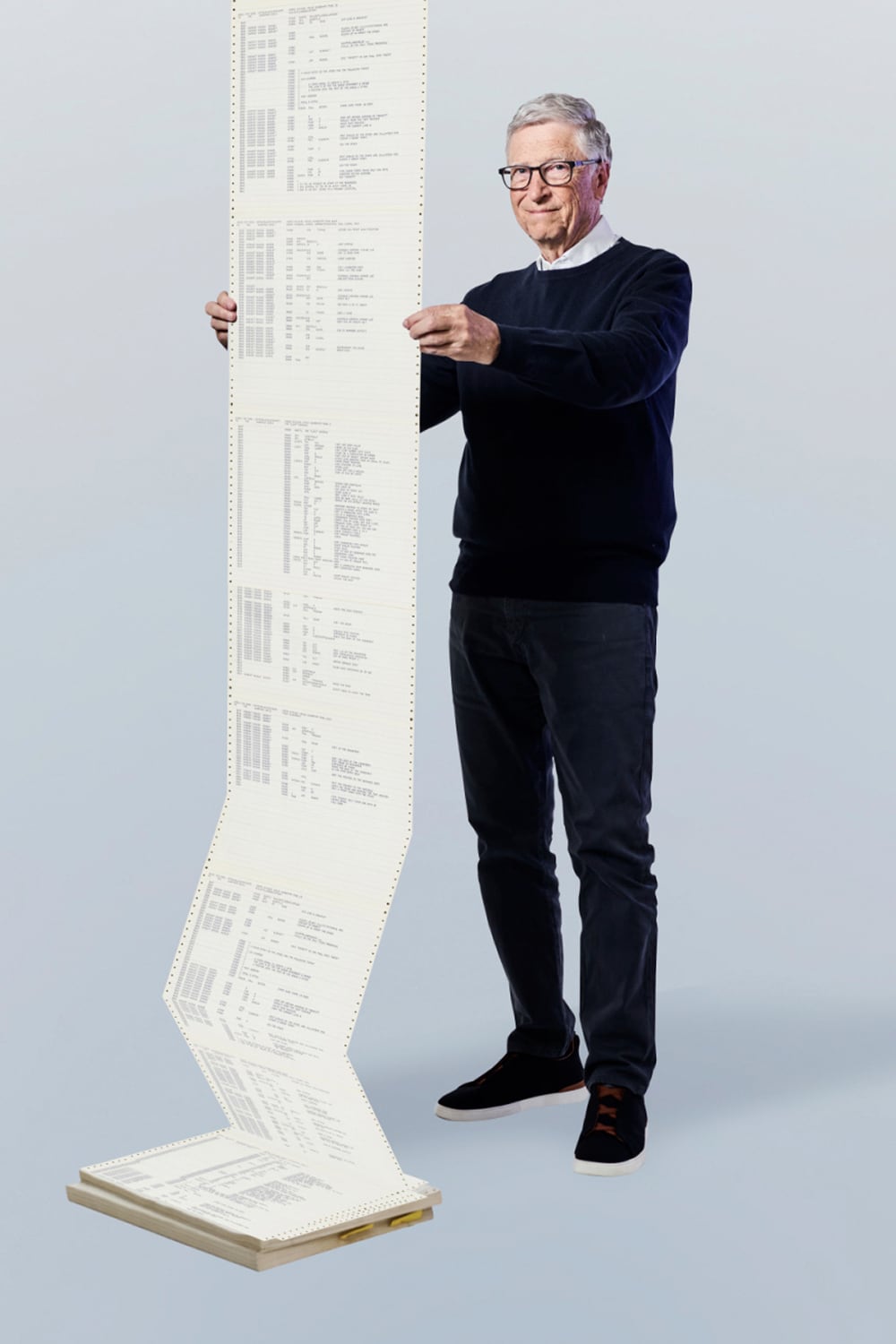
CORRECTS THAT PHOTO WAS TAKEN IN RECENT TIMES - This recent photo provided by Gates Ventures shows Microsoft founder Bill Gates holding a printout of the computer coding that launched the software maker in April 1975. (Ian Allen/Gates Ventures via AP)
Even as he grows older, Microsoft founder Bill Gates still fondly remembers the catalytic computer code he wrote 50 years ago that opened up a new frontier in technology.
Although the code that Gates printed out on a teletype machine may look crude compared to what's powering today's artificial intelligence platforms, it played a critical role in creating Microsoft in April 1975 — a golden anniversary that the Redmond, Washington, company will celebrate on Friday.
Gates, 69, set the stage for that jubilee with a blog post reminiscing on how he and his old high school friend — the late Paul Allen — scrambled to create the world's first “software factory” after reading an article in the January 1975 issue of Popular Electronics magazine about the Altair 8800, a minicomputer that would be powered by a tiny chip made by the then-obscure technology company, Intel.
The article inspired Gates, who was just a freshman at Harvard University, and Allen to call Altair's maker, Micro Instrumentation and Telemetry Systems, and promise the company's CEO Ed Roberts they had developed software that would enable consumers to control the hardware. There was just one hitch: Gates and Allen hadn't yet come up with the code they promised Roberts.
Gates and Allen tackled the challenge by latching onto the BASIC computer language that had been developed in 1964 at Dartmouth College, but they still had to figure out a way to make the technology compatible with the forthcoming Altair computer, even though they didn't even have a prototype of the machine.
After spending two months working on the program with little sleep, Gates finished the code that became the basis for the Altair's first operating system. “That code remains the coolest I’ve ever written,” Gates wrote in his blog post, which includes an option to download the original program.
The code would go on to provide the foundation for a business that would make personal computers a household staple, with a suite of software that include the Word, Excel and PowerPoint programs, as well as the Windows operating system that still powers most PCs today.
“That was the revolution,” Gates said of the code in a video accompanying his post. “That was the thing that ushered in personal computing.”
Gates' recollection of the code is part of a nostalgic kick that he has been on this year as he prepares to turn 70 in October.
The trip down memory lane included the February release of a memoir exploring his early years as an often-misunderstood child with few friends, and a hailing of the 25th anniversary of the philanthropic foundation he created after stepping down as Microsoft's CEO in 2000. The tech giant initially stumbled after Gates' departure but has been thriving under CEO Satya Nadella, and has amassed a market value of about $2.8 trillion.
In his memoir, Gates also reflected on his tempestuous relationship with fellow PC pioneer, the late Apple co-founder Steve Jobs, whose company will be celebrating its golden anniversary next year.
“Fifty years is a long time,” said Gates, whose personal fortune is estimated at $108 billion. “It’s crazy that the dream came true.”
Holiday shopping heats up as Tom’s Guide editor Kate Kozuch reveals the tech gifts everyone wants, from wellness gadgets to gaming buzz—and how to score deals!
Spain's government has fined Airbnb 64 million euros or $75 million for advertising unlicensed tourist rentals. The consumer rights ministry announced the fine on Monday. The ministry stated that many listings lacked proper license numbers or included incorrect information. The move is part of Spain's ongoing efforts to regulate short-term rental companies amid a housing affordability crisis especially in popular urban areas. The ministry ordered Airbnb in May to remove around 65,000 listings for similar violations. The government's consumer rights minister emphasized the impact on families struggling with housing. Airbnb said it plans to challenge the fine in court.
The Islamic State group and other militant organizations are experimenting with artificial intelligence as a tool to boost recruitment and refine their operations. National security experts say that just as businesses, governments and individuals have embraced AI, extremist groups also will look to harness the power of AI. That means aiming to improve their cyberattacks, breaking into sensitive networks and creating deepfakes that spread confusion and fear. Leaders in Washington have responded with calls to investigate how militant groups are using AI and seek ways to encourage tech companies to share more about how their products are being potentially misused.
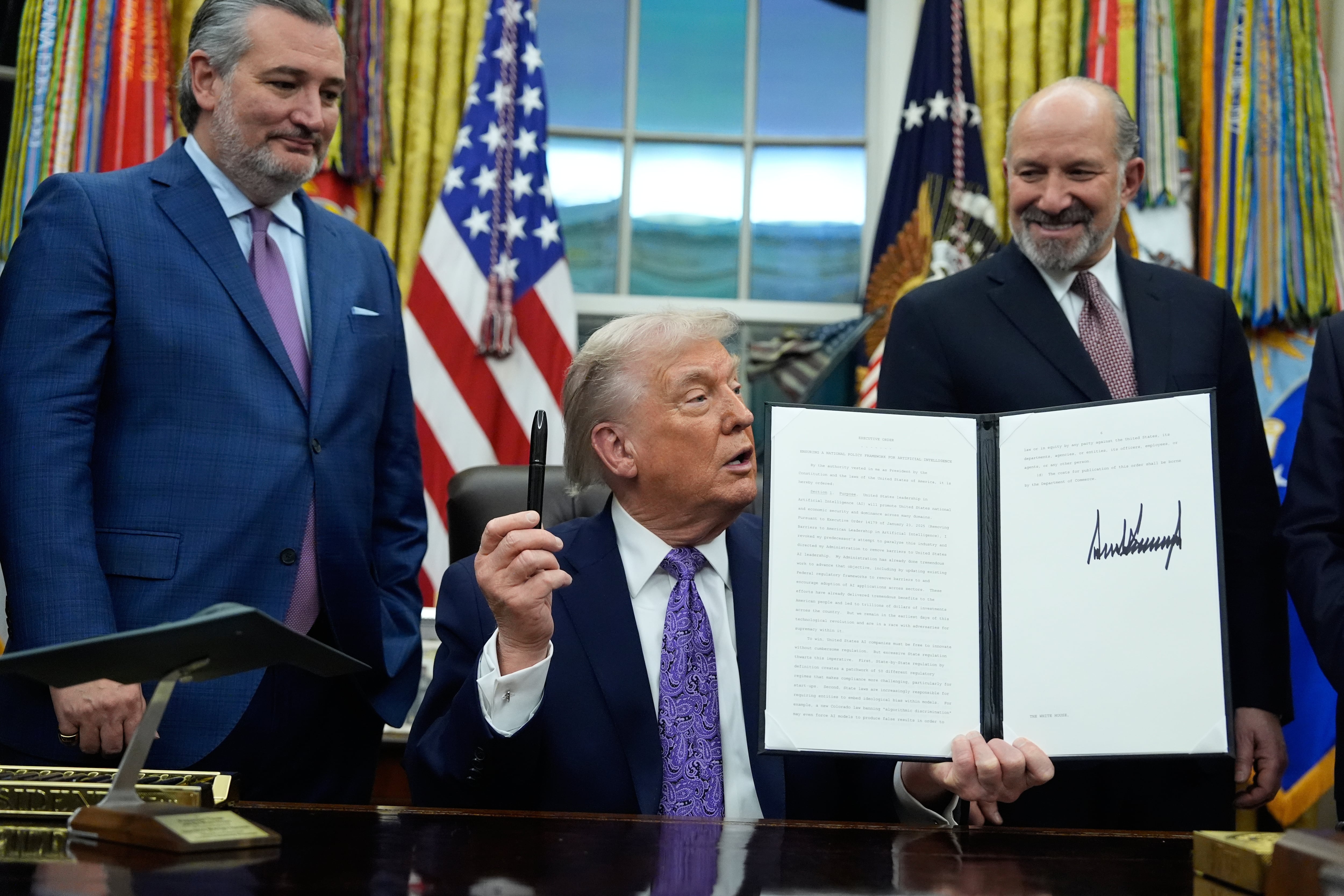
President Donald Trump has signed an executive order to block states from regulating artificial intelligence. He argues that heavy regulations could stifle the industry, especially given competition from China. Trump says the U.S. needs a unified approach to AI regulation to avoid complications from state-by-state rules. The order directs the administration to draw up a list of problematic regulations for the Attorney General to challenge. States with laws could lose access to broadband funding, according to the text of the order. Some states have already passed AI laws focusing on transparency and limiting data collection.
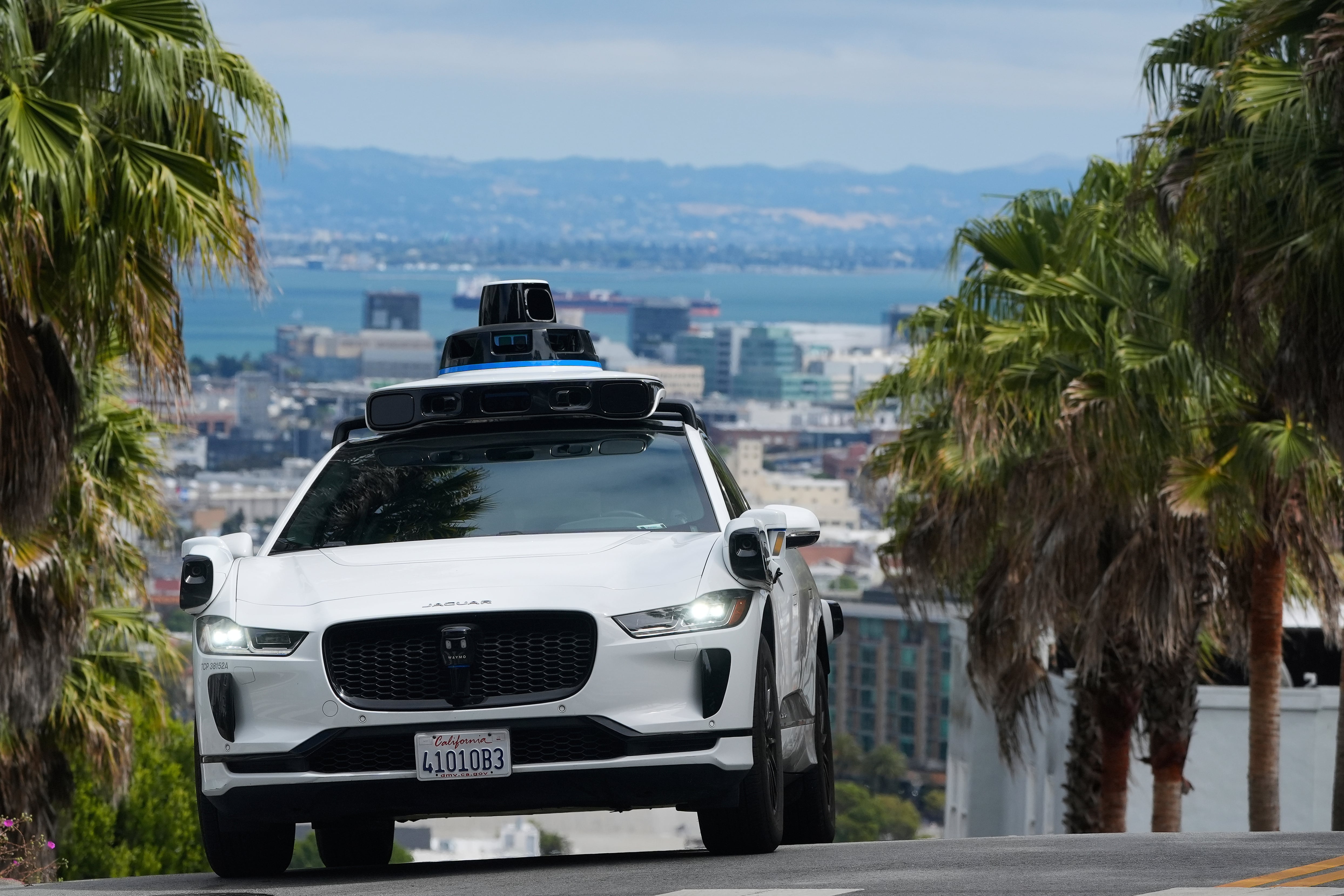
Waymo's self-driving taxis have been in the spotlight for both negative and positive reasons. This week, the automated ride-hailing taxis went viral after a San Francisco woman gave birth inside a Waymo taxi while on her way to the hospital. A Waymo spokesperson on Wednesday confirmed the unusual delivery. It said the company's rider support team detected unusual activity inside the vehicle and alerted 911. The taxi arrived safely at the hospital before emergency services. Waymo's popularity is growing despite heightened scrutiny following an illegal U-turn and the death of a San Francisco cat. The company, owned by Alphabet, says it is proud to serve riders of all ages.
OpenAI has appointed Slack CEO Denise Dresser as its first chief of revenue. Dresser will oversee global revenue strategy and help businesses integrate AI into daily operations. OpenAI CEO Sam Altman recently emphasized improving ChatGPT, which now has over 800 million weekly users. Despite its success, OpenAI faces competition from companies like Google and concerns about profitability. The company earns money from premium ChatGPT subscriptions but hasn't ventured into advertising. Altman had recently announced delays in developing new products like AI agents and a personal assistant.