For many struggling U.S. and Canadian cannabis companies, the clock is ticking. According to a new report from Ello Capital, many leading cannabis companies only have enough cash on-hand to last 18 months or less.
Major Canadian businesses, like Aurora ($ACB), Tilray ($TLRY), and Canopy Growth ($CGC) have cash enough to last a median of 6.5 months, Ello Capital estimates. U.S. companies, like Columbia Care, Green Thumb Industries, and Trulieve, the report says, are substantially better off, with cash enough to last a median of 14.4 months.
"I like to look at the U.S. market because I see the best long-term opportunities there and we see some really high quality growers coming out of states like Illinois that have strong cash balances on their sheet and strong business, and, more importantly, management that is fiscally responsible," said Motley Fool investment analyst Emily Flippen. "Put it simply, there are lots of Canadian players that will be sifted out ... but that's not to say that every single pure play cannabis company is doomed."
Published on the heels of a spate of layoffs and management shuffles, the report paints a dire picture of the state of the cannabis industry — but less than two months into 2020, it's already been a rocky one for the cannabis sector. Aurora Cannabis, Tilray, and MedMen are among the latest cannabis companies to announce layoffs, substantial cost-cutting efforts, and leadership departures. Even high profile figures like MedMen former CEO Adam Bierman and former Aurora CEO Terry Booth have not been spared. According to Ello Capital, Aurora and MedMen have liquidity enough for 2.3 and 6 months, respectively.
Investor sentiment around cannabis stocks has chilled in the face of overvaluation, overspending, and underperformance in key markets, and many companies have found themselves cash strapped and swimming in debt. Despite the fact some of these companies may not survive, Flippen said there are options for investors looking for long-term investment opportunities, especially in U.S. cannabis.
"If you're trying to get in and make a quick buck off of cannabis companies, that's a good way to lose your money really fast. But if you are a long-term patient investor, pick good companies that have strong management and forget about them for the next five years. I genuinely think those investors will be fine," she said.
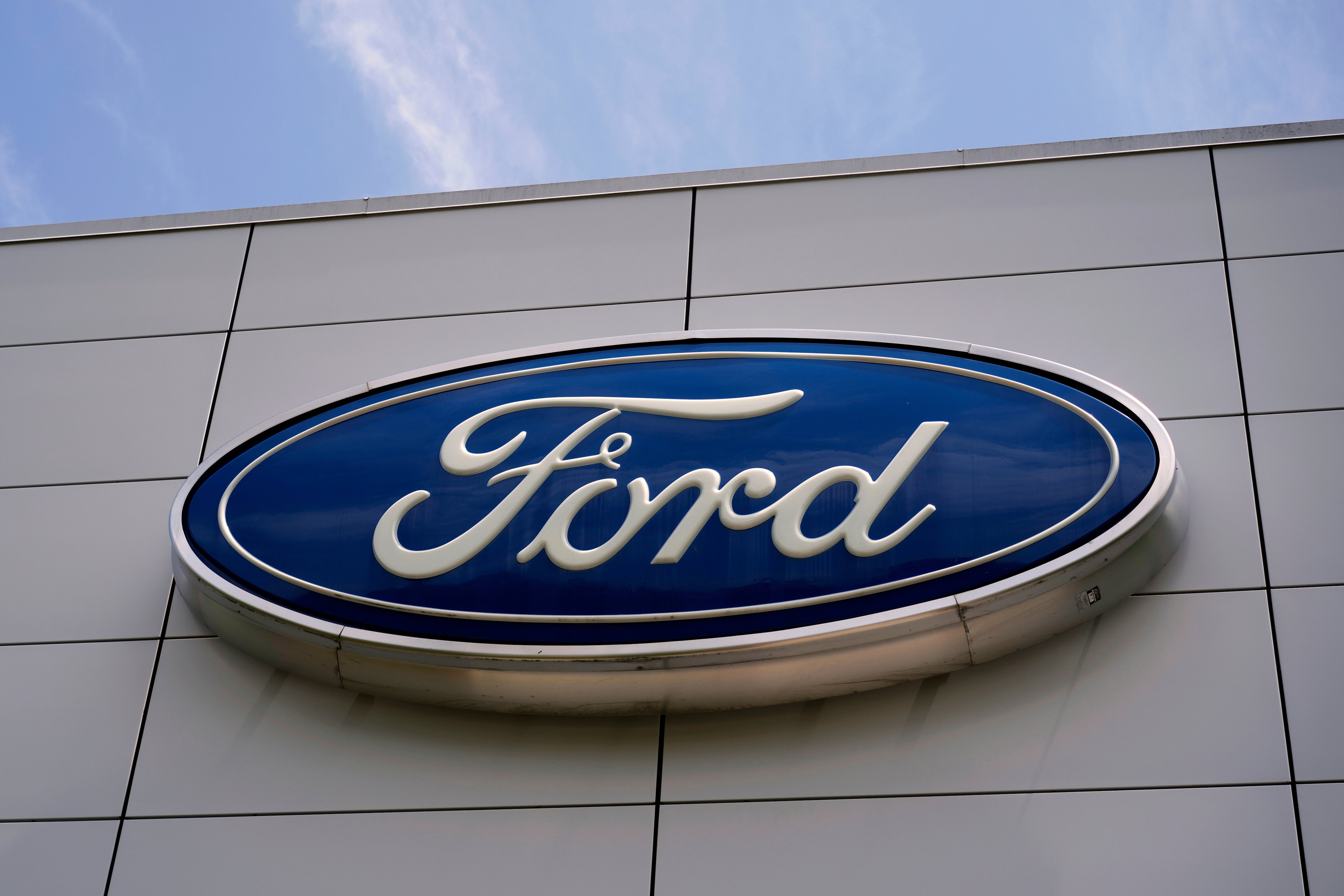
Ford is recalling more than 355,000 of its pickup trucks across the U.S. because of an instrument panel display failure that’s resulted in critical information, like warning lights and vehicle speed, not showing up on the dashboard.
Nvidia reported a 56% increase in second-quarter revenue and a 59% rise in net income compared to a year ago.
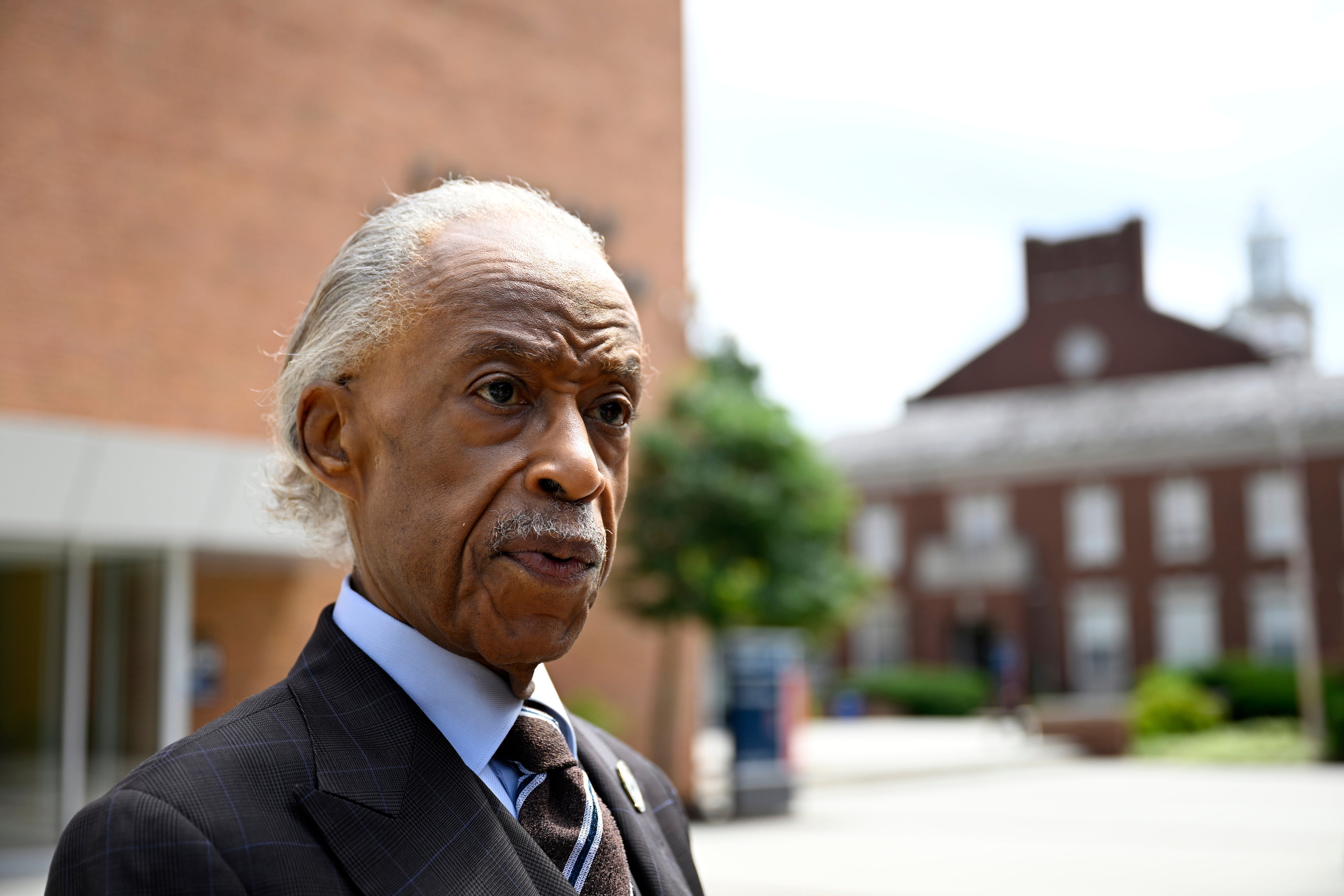
The Rev. Al Sharpton is set to lead a protest march on Wall Street to urge corporate America to resist the Trump administration’s campaign to roll back diversity, equity and inclusion initiatives. The New York civil rights leader will join clergy, labor and community leaders Thursday in a demonstration through Manhattan’s Financial District that’s timed with the anniversary of the Civil Rights-era March on Washington in 1963. Sharpton called DEI the “civil rights fight of our generation." He and other Black leaders have called for boycotting American retailers that scaled backed policies and programs aimed at bolstering diversity and reducing discrimination in their ranks.
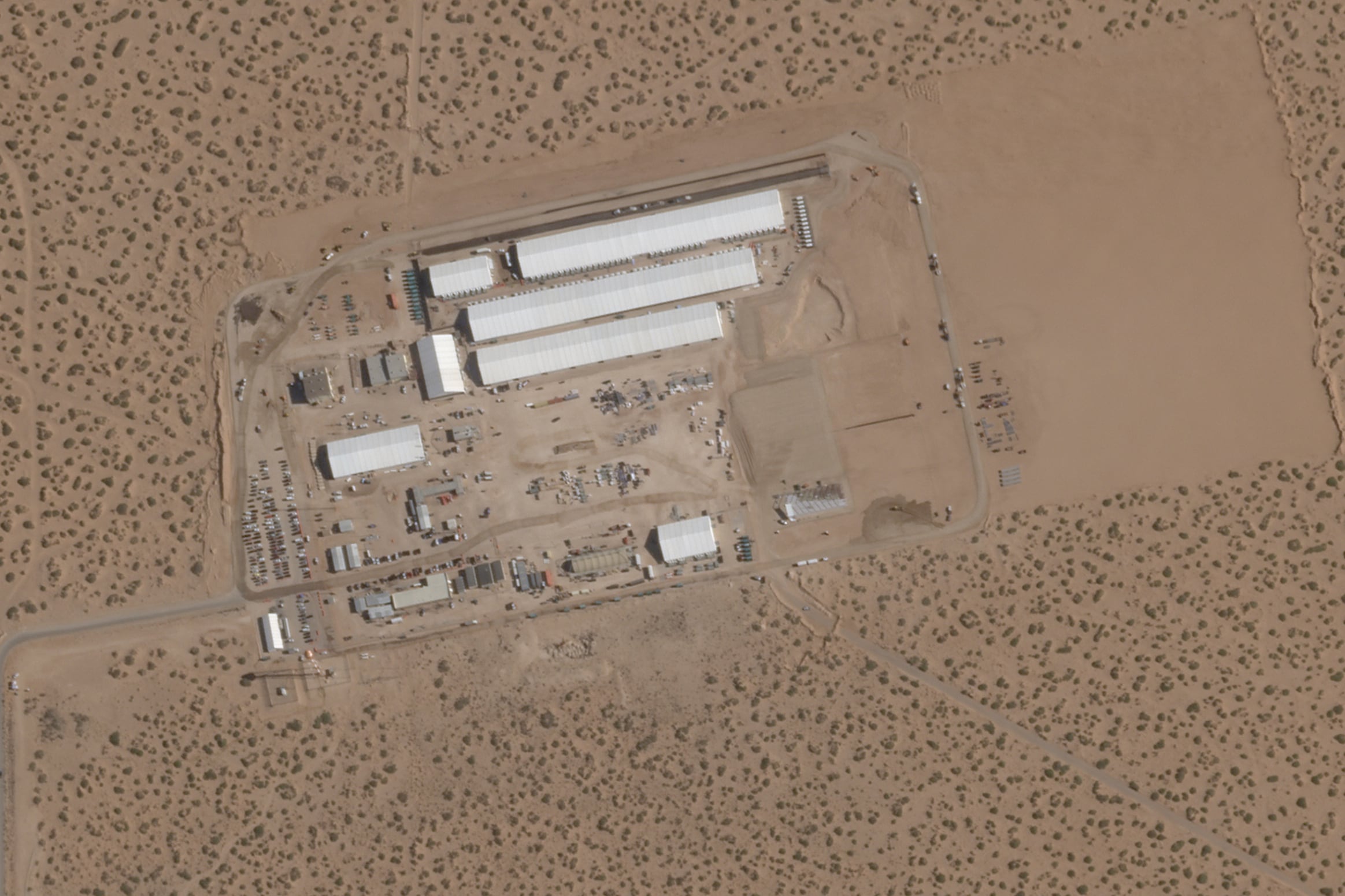
President Donald Trump's administration last month awarded a $1.2 billion contract to build and operate what's expected to become the nation’s largest immigration detention complex to a tiny Virginia firm with no experience running correction facilities.
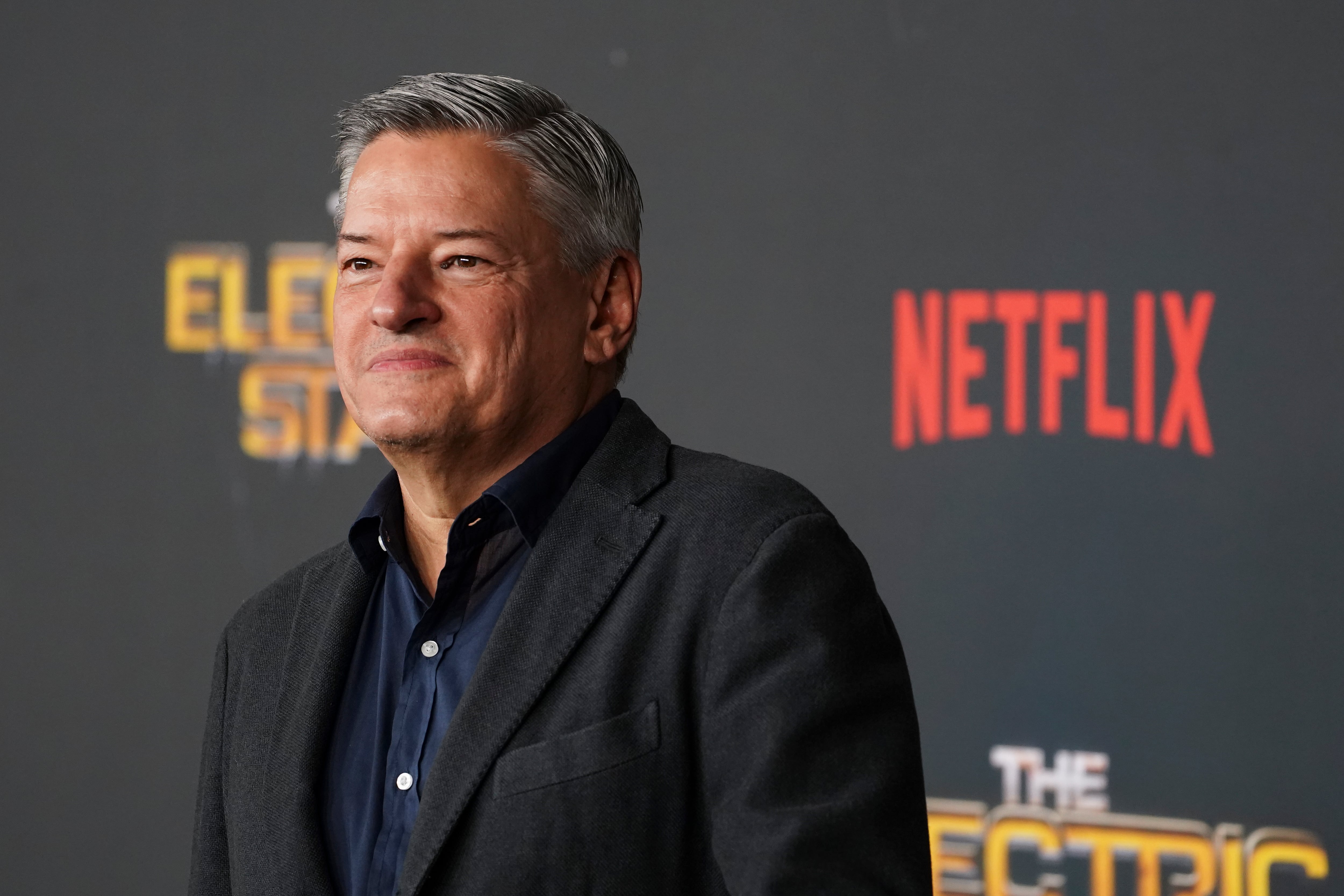
Netflix CEO Ted Sarandos claims audiences don't want to watch Netflix movies in theaters, but that seems not to be the case recently.
Chipmaker Nvidia is poised to release a quarterly report that could provide a better sense of whether the stock market has been riding an overhyped artificial intelligence bubble or is being propelled by a technological boom that’s still gathering momentum.
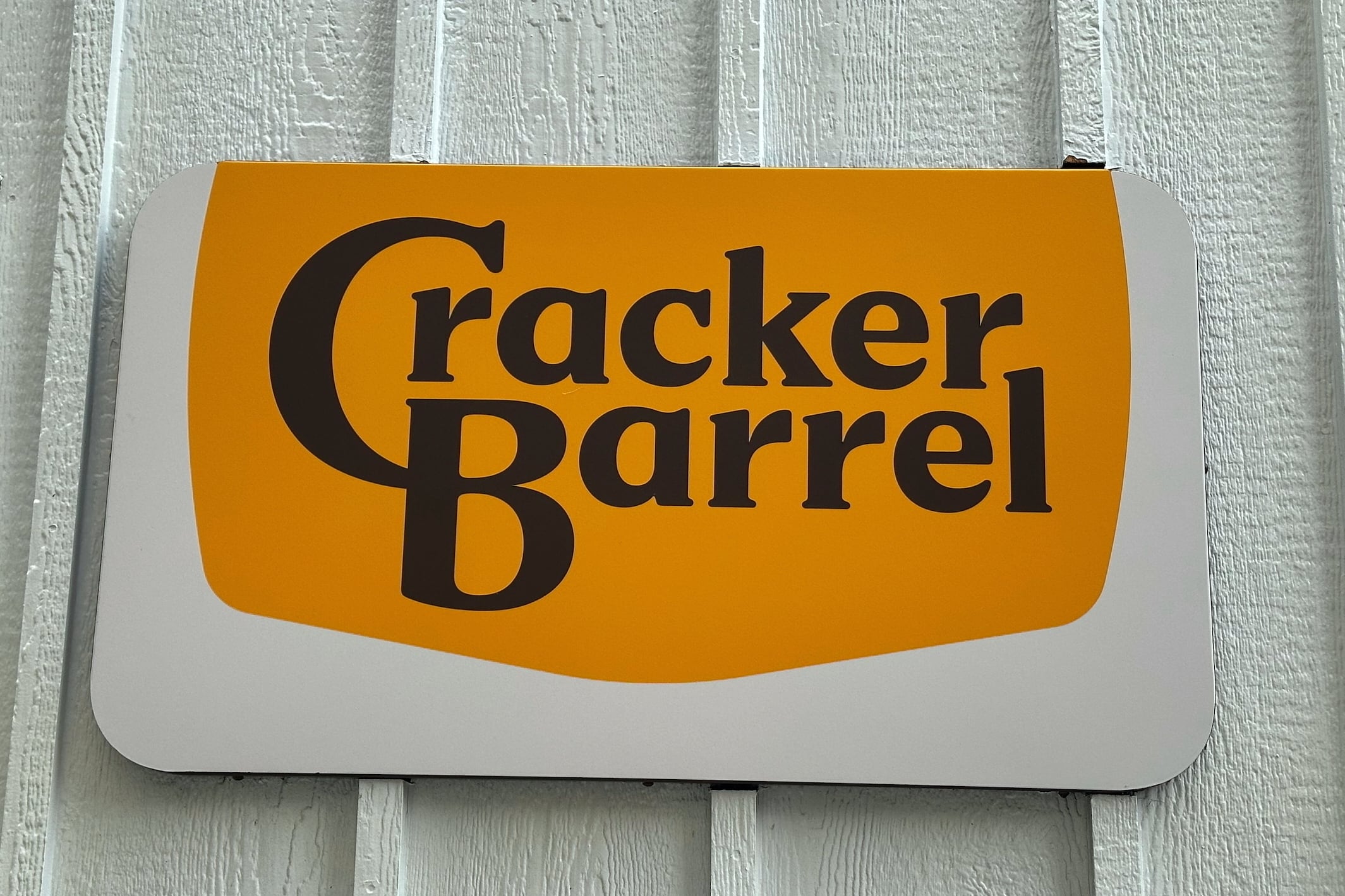
Cracker Barrel said late Tuesday it’s returning to its old logo after critics — including President Donald Trump — protested the company’s plan to modernize.
Low-value imports are losing their duty-free status in the U.S. this week as part of President Donald Trump's agenda for making the nation less dependent on foreign goods. A widely used customs exemption for international shipments worth $800 or less is set to end starting on Friday. Trump already ended the “de minimis” rule for inexpensive items sent from China and Hong Kong, but having to pay import taxes on small parcels from everywhere else likely will be a big change for some small businesses and online shoppers. Purchases that previously entered the U.S. without needing to clear customs will be subject to the origin country’s tariff rate, which can range from 10% to 50%.
Southwest Airlines will soon require plus-size travelers to pay for an extra seat in advance if they can't fit within the armrests of one seat. This change is part of several updates the airline is making. The new rule starts on Jan. 27, the same day Southwest begins assigning seats. Currently, plus-size passengers can pay for an extra seat in advance and later get a refund, or request a free extra seat at the airport. Under the new policy, refunds are still possible but not guaranteed. Southwest said in a statement it is updating policies to prepare for assigned seating next year.
Cracker Barrel is sticking with its new logo. For now. But the chain is also apologizing to fans who were angered when the change was announced last week.