The Supreme Court is leaving in place a $2 billion verdict in favor of women who claim they developed ovarian cancer from using Johnson & Johnson talc products.
The justices did not comment Tuesday in rejecting Johnson & Johnson's appeal. The company argued that it was not treated fairly in facing one trial involving 22 cancer sufferers who came from 12 states and different backgrounds.
A Missouri jury initially awarded the women $4.7 billion, but a state appeals court dropped two women from the suit and reduced the award to $2 billion. The jury found that the company’s talc products contain asbestos and asbestos-laced talc can cause ovarian cancer. The company disputes both points.
Johnson & Johnson, which is based in New Brunswick, New Jersey, has stopped selling its iconic talc-based Johnson’s Baby Powder in the U.S. and Canada, though it remains on the market elsewhere.
Justices Samuel Alito and Brett Kavanaugh took no part in the court's action. Alito owns $15,000 to $50,000 in Johnson & Johnson stock. Kavanaugh's father headed the trade association that lobbied against labeling talc a carcinogen and including a warning label on talc products.
Ethicists contacted by The Associated Press said they did not think E. Edward Kavanaugh's role required his son to step aside from the case.
Fresh off a successful funding round, co-founder of Lapse Dan Silvertown shares thoughts on regulation, privacy, and why the money for great startups is still out there.
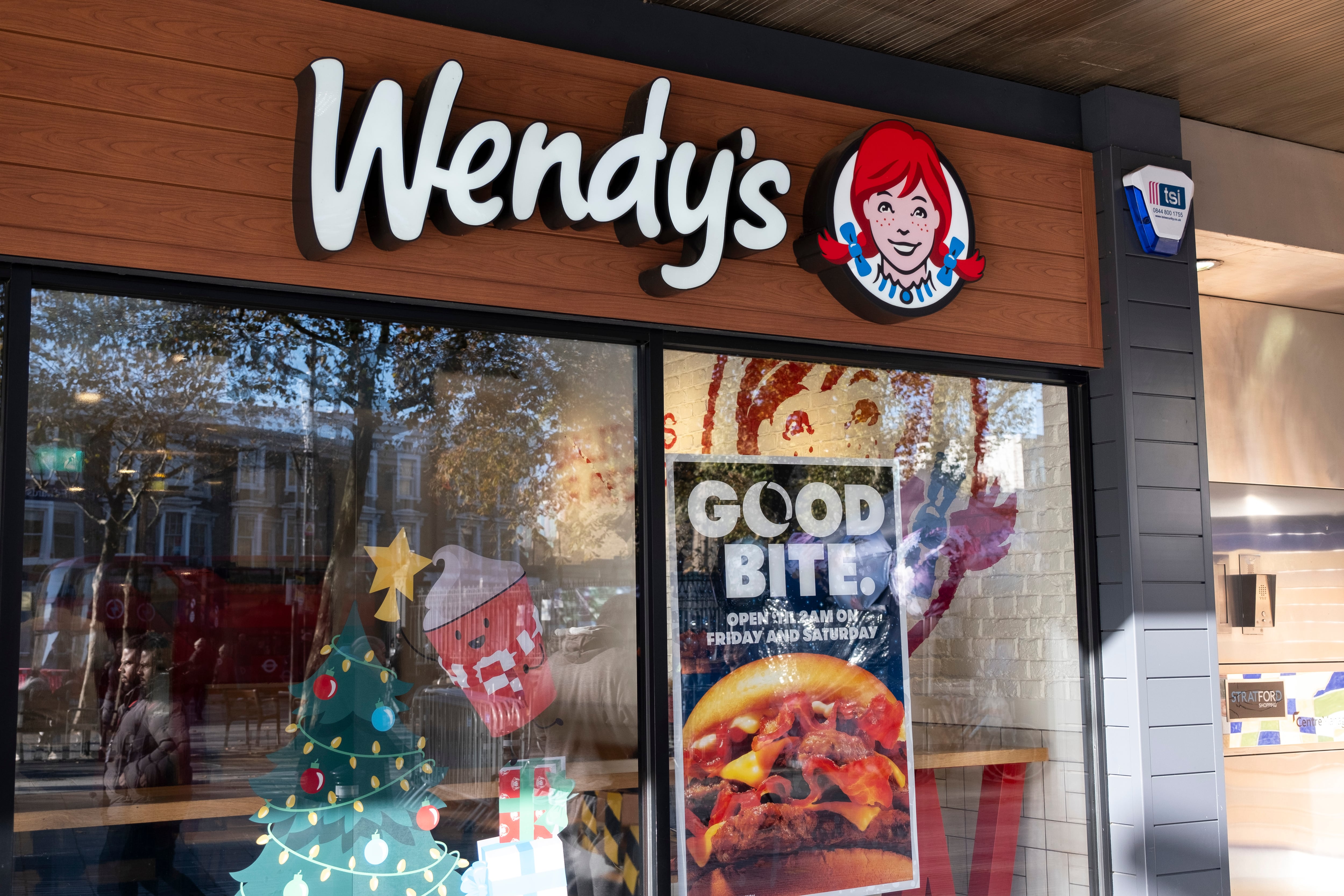
Wendy's announced they are testing out fluctuating prices throughout the day for certain products based on demand. Who will groan the most: lunch-breakers, dinner drivers or late-night goblins?
Shubha Dasgupta, CEO of Pineapple Financial, discusses incorporating artificial intelligence with its newly announced ‘Maui’ tool, plus plans for expansion.
Chair of Penn Engineering’s Department of Computer and Information Science Zachary Ives shares how the department is building its artificial intelligence degree program.
Frances Stacy, Optimal Capital Director of Strategy, breaks down why the latest data indicates the economy may be struggling more than expected, plus some sectors she’s watching.
The Federal Trade Commission is suing to block a proposed merger between the two grocery stores. The FTC says the $24.6 billion deal would eliminate competition and lead to higher prices for millions of Americans.