The Supreme Court is leaving in place a $2 billion verdict in favor of women who claim they developed ovarian cancer from using Johnson & Johnson talc products.
The justices did not comment Tuesday in rejecting Johnson & Johnson's appeal. The company argued that it was not treated fairly in facing one trial involving 22 cancer sufferers who came from 12 states and different backgrounds.
A Missouri jury initially awarded the women $4.7 billion, but a state appeals court dropped two women from the suit and reduced the award to $2 billion. The jury found that the company’s talc products contain asbestos and asbestos-laced talc can cause ovarian cancer. The company disputes both points.
Johnson & Johnson, which is based in New Brunswick, New Jersey, has stopped selling its iconic talc-based Johnson’s Baby Powder in the U.S. and Canada, though it remains on the market elsewhere.
Justices Samuel Alito and Brett Kavanaugh took no part in the court's action. Alito owns $15,000 to $50,000 in Johnson & Johnson stock. Kavanaugh's father headed the trade association that lobbied against labeling talc a carcinogen and including a warning label on talc products.
Ethicists contacted by The Associated Press said they did not think E. Edward Kavanaugh's role required his son to step aside from the case.
Pittsburgh International Airport CEO, Christina Cassotis talks the airport’s upcoming upgrades and why you can’t count out business travel, even in a post-pandemic world.
Fresh off of speaking at the UN, Amalya Yeghoyan, Executive Director of FAR’s Gyumri Information Technology Center, discusses her work to empower women through tech.
Veetahl Eilat-Raichel, Founder and CEO of Sorbet, shares how employees can harness the value of their time off – and how companies can use PTO to employees’ benefit.
Brooke May, Managing Partner at Evans May Wealth, weighs in on how the market is expected to perform through the rest of 2024, plus why she’s still bullish on tech but cautious when it comes to financials.
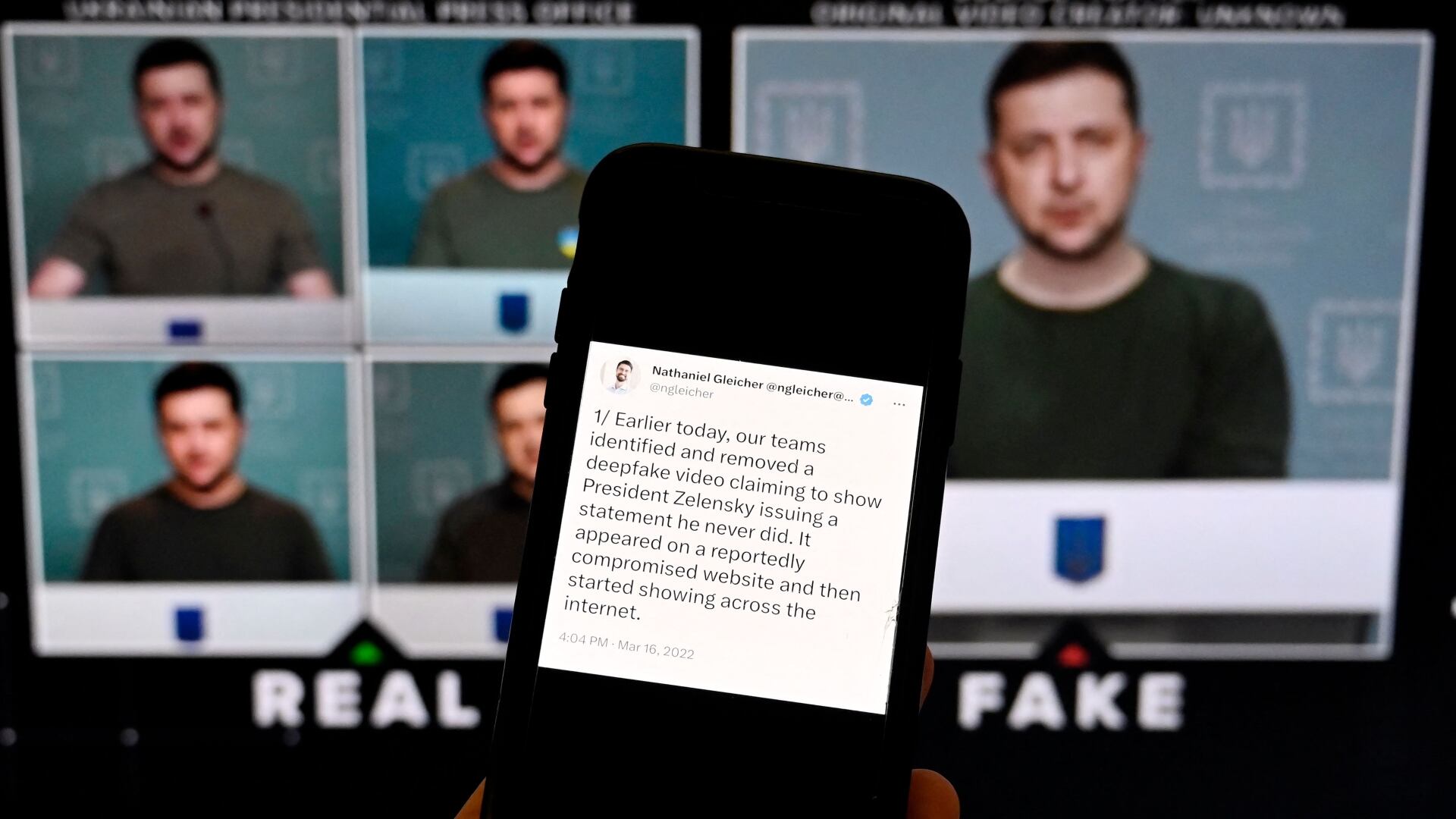
Pete Nicoletti, Global CISO at Check Point, explains why it’s so difficult to legislate against A.I. disinformation and why it’s a concern going into the 2024 election.