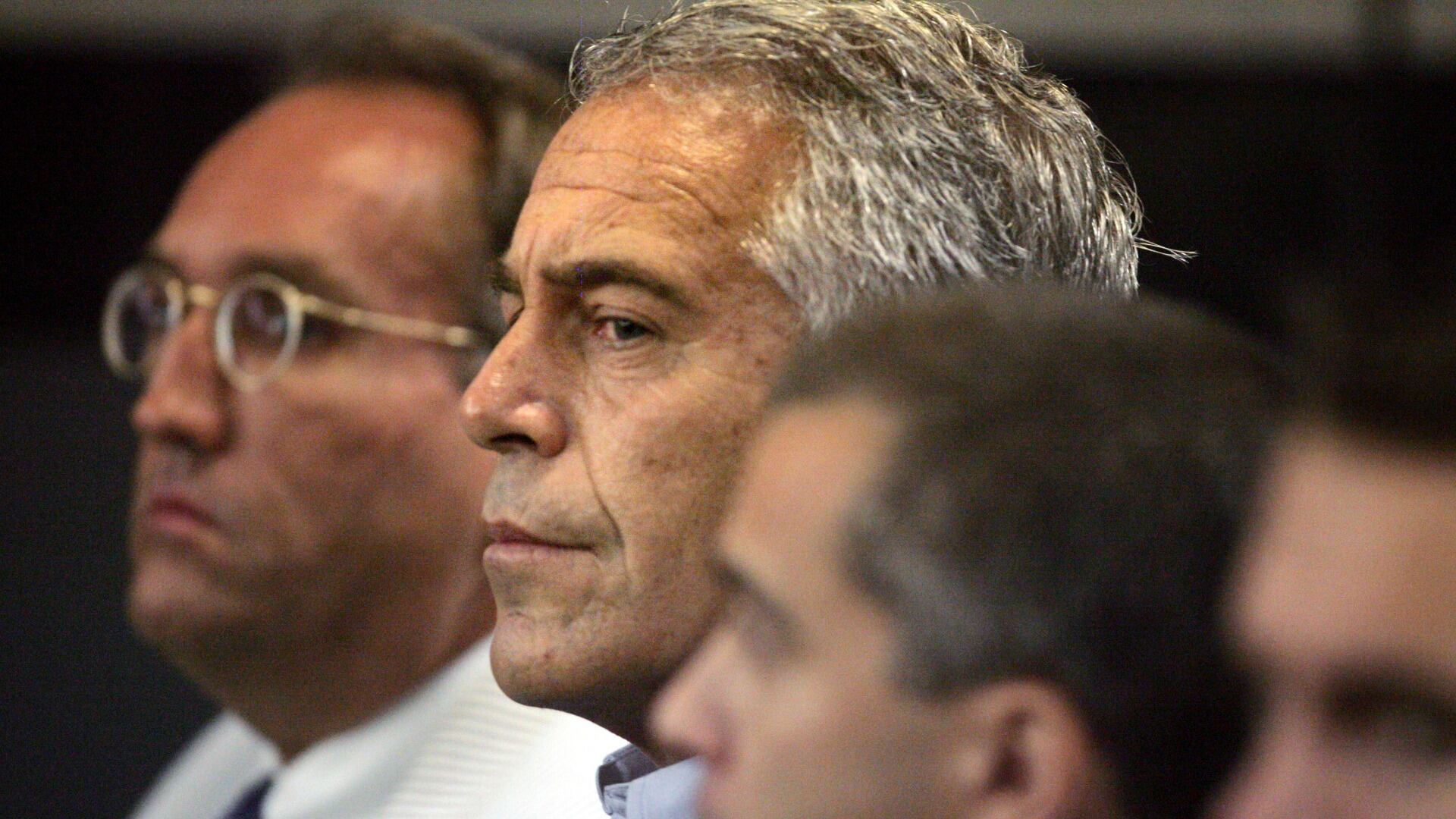
Jeffrey Epstein appears in court in West Palm Beach, Fla., July 30, 2008. Deutsche Bank has agreed to pay $75 million to settle a lawsuit, Thursday, May 18, 2023, claiming that the German lender should have seen evidence of sex trafficking by Jeffrey Epstein when he was a client, according to lawyers for women who say they were abused by the late financier. (Uma Sanghvi/The Palm Beach Post via AP, File)
By Ken Sweet
JPMorgan Chase agreed Tuesday to pay $75 million to the U.S. Virgin Islands to settle claims that the bank enabled the sex trafficking acts committed by financier Jeffrey Epstein.
JPMorgan said that $55 million of the settlement will go toward local charities and assistance for victims. Another $20 million will go toward legal fees.
The Virgin Islands, where Epstein had an estate, sued JPMorgan last year, saying its investigation has revealed that the financial services giant enabled Epstein’s recruiters to pay victims and was “indispensable to the operation and concealment of the Epstein trafficking enterprise."
In effect, the Virgin Islands had argued that JPMorgan had been complicit in Epstein's behavior and did not raise any red flags to law enforcement or bank regulators about Epstein being a “high risk” customer and making repeated large cash withdrawals.
The settlement averts a trial that had been set to start next month.
The bank also said it reached an confidential legal settlement with James “Jes” Staley, the former top JPMorgan executive who managed the Epstein account before leaving the the bank. JPMorgan sued Staley earlier this year, alleging that he covered up or minimized Epstein's wrongdoing in order to maintain the lucrative account.
JPMorgan had already agreed to pay $290 million in June in a class-action lawsuit that involved victims of Epstein's trafficking crimes.
Epstein died by suicide in a federal jail in 2019.
‘Our Biggest Fight’ author and Project Liberty founder Frank McCourt, Jr. explains his problem with the internet – and why this Tiktok bill is just a starting point.
Consumer prices in the United States picked up last month, a sign that inflation remains a persistent challenge for the Federal Reserve and for President Biden.
Jayesh Govindarajan, head of A.I. at Salesforce, explains the company's new Einstein copilot, plus other ways it is investing in artificial intelligence.
Altro founder and CEO Michael Broughton shares how his company is bringing both expanded credit access and financial wellness to underserved consumers, plus netting early investments from Tinashe, Quavo, and Jay Z’s Marcy Ventures.
Portillo’s CEO Michael Osanloo discusses the company’s decades of profitability, opening restaurants in new markets, and why it doesn’t need trends like dynamic pricing.
Adam Turnquist, Chief Technical Strategist for LPL Financial, weighs in on the latest CPI data, what could get the Fed to lower borrowing costs, and the crypto rally.