A worker, right, hands out paper unemployment applications after a batch of applications in English were brought in, Tuesday, April 7, 2020, at Babcock Park in Hialeah, Fla. (AP Photo/Wilfredo Lee)
More than 6.6 million people applied for unemployment benefits last week, according to new data from the Department of Labor.
That brings the total number of layoffs since the coronavirus pandemic hit the U.S. economy to 17 million, or 10 percent of the total workforce, in just three weeks.
This is only the latest in a series of historic surges for the unemployment rolls. Two weeks ago, a record-breaking 6.9 million people filed jobless claims. The week before that saw 3.3 million claims, surpassing the former one-week record of 695,000 set in 1982.
One reason for the continued rise in filings is that more people can now apply. The $2.2 trillion stimulus package that Congress passed at the end of last month expanded unemployment insurance to freelancers, independent contractors, and the self-employed.
How this impacts the economy in the long-run is a topic of fierce debate. Economists are projecting unemployment rates of 10 percent to an astonishing 30 percent by this summer.
The unemployment rate for March rose to 4.4 percent, but that doesn't account for the bulk of the economic damage that followed nationwide stay-at-home orders and shutdowns later in the month.
The Federal Reserve followed up the job numbers with the announcement that it would put $2.3 trillion into the economy through new loan programs for small businesses, states, and municipalities.
Former Medtronic CEO and author of 'True North' Bill George explains the steps Boeing leadership must take to regain client and consumer trust after 737 Max 9 production was stopped.
Amazon blamed "regulatory hurdles" for calling off its proposed acquisition of robot vacuum maker iRobot. Not even a Roomba could clean up the deal's antitrust scrutiny.
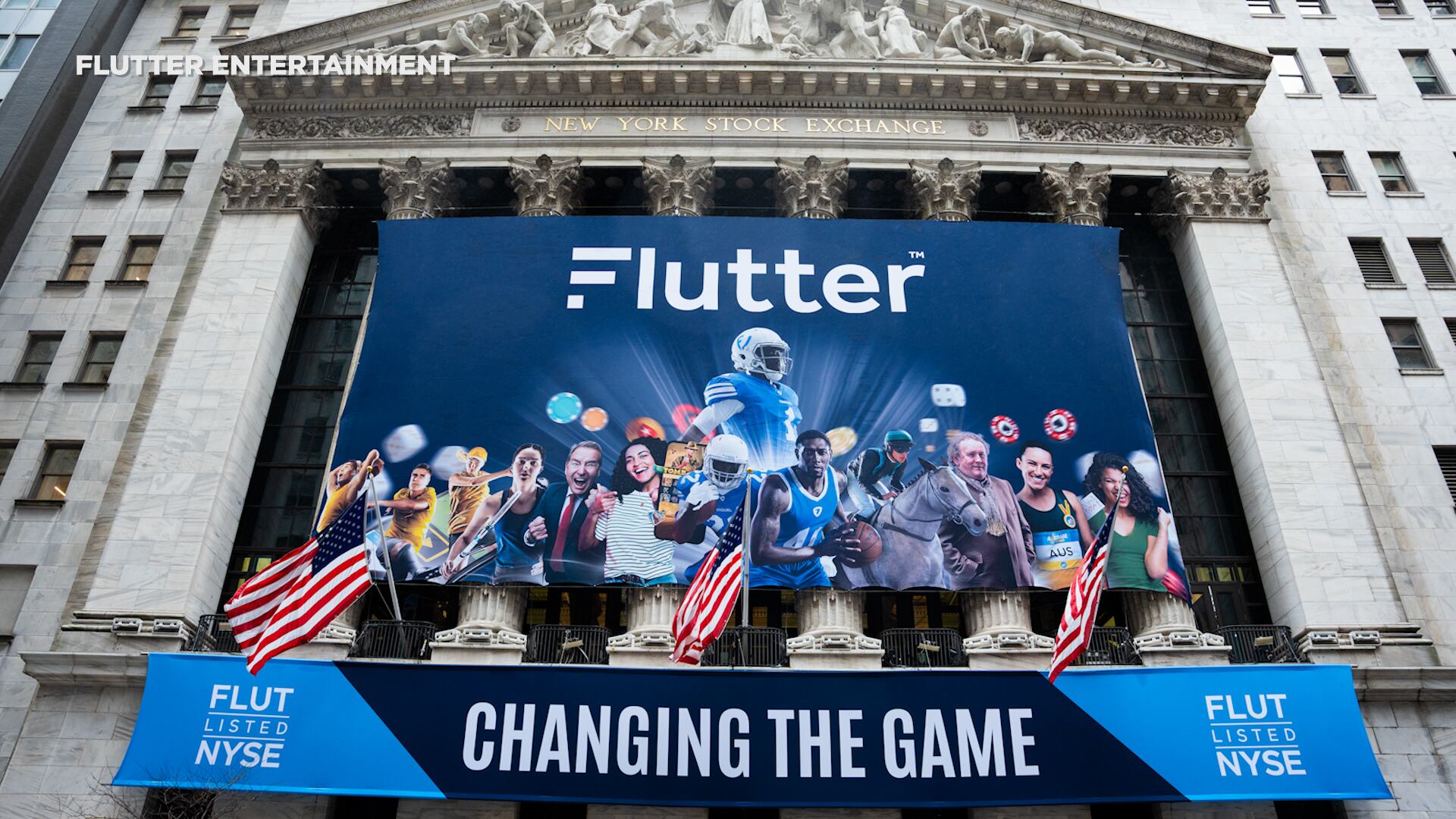
To celebrate Flutter Entertainment's debut on the NYSE, FanDuel CEO Amy Howe shares her thoughts on the company's plans for growth, the future of online sportsbetting, and Super Bowl Sunday.
Investopedia's Caleb Silver shares thoughts on the upcoming Fed meeting, why individual investors are still slightly skeptical, and what he's looking for from mega cap tech earnings.
Season's greetings! Tax season, that is. January 29 is the first day you can file your tax return. We walk you through each step — plus a checklist you can download.
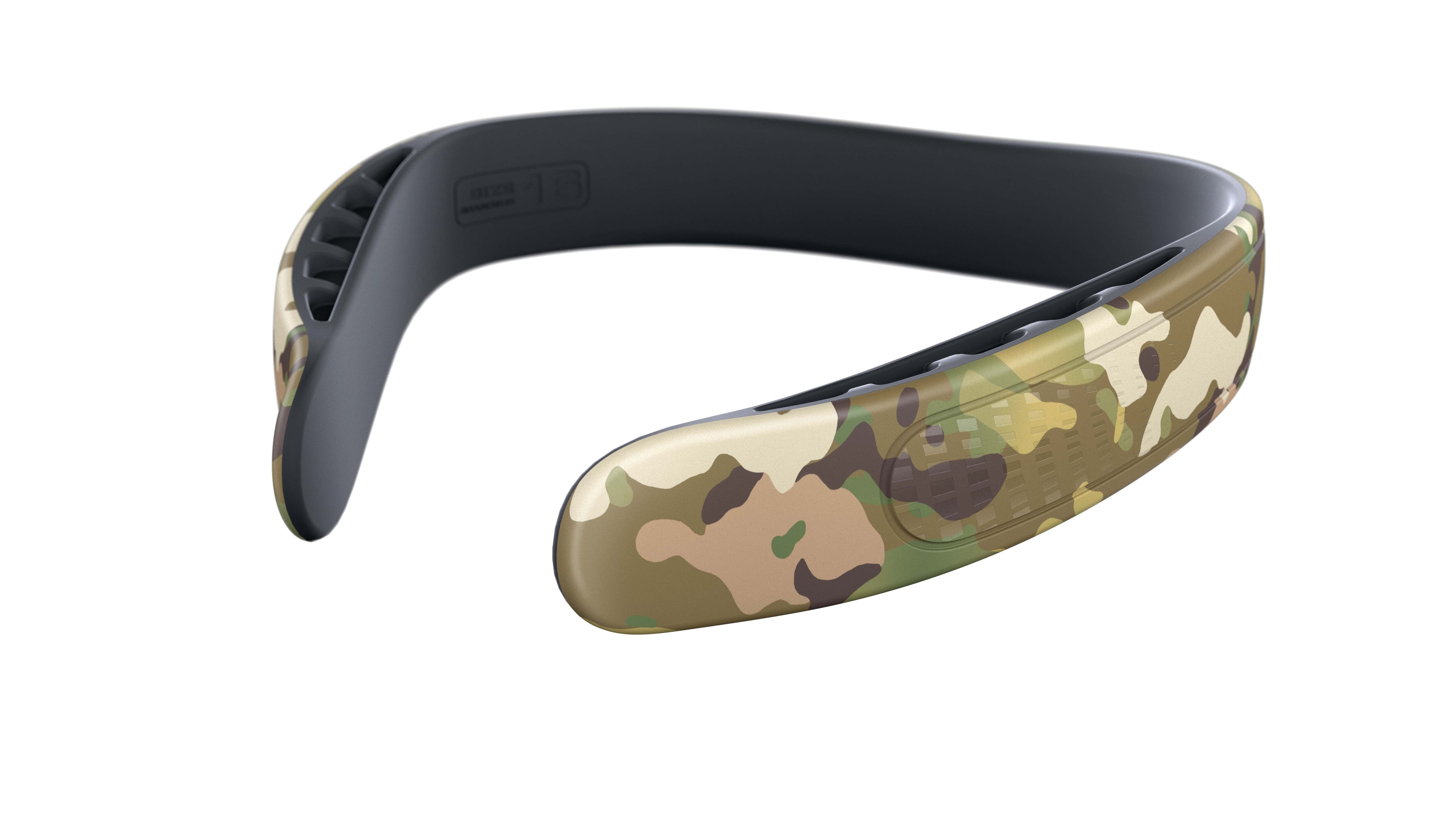
The Q-Collar helps protect athletes from impact-related concussions. Now, the U.S. Army is evaluating if the device could help reduce traumatic brain injury cased by blast weapons.
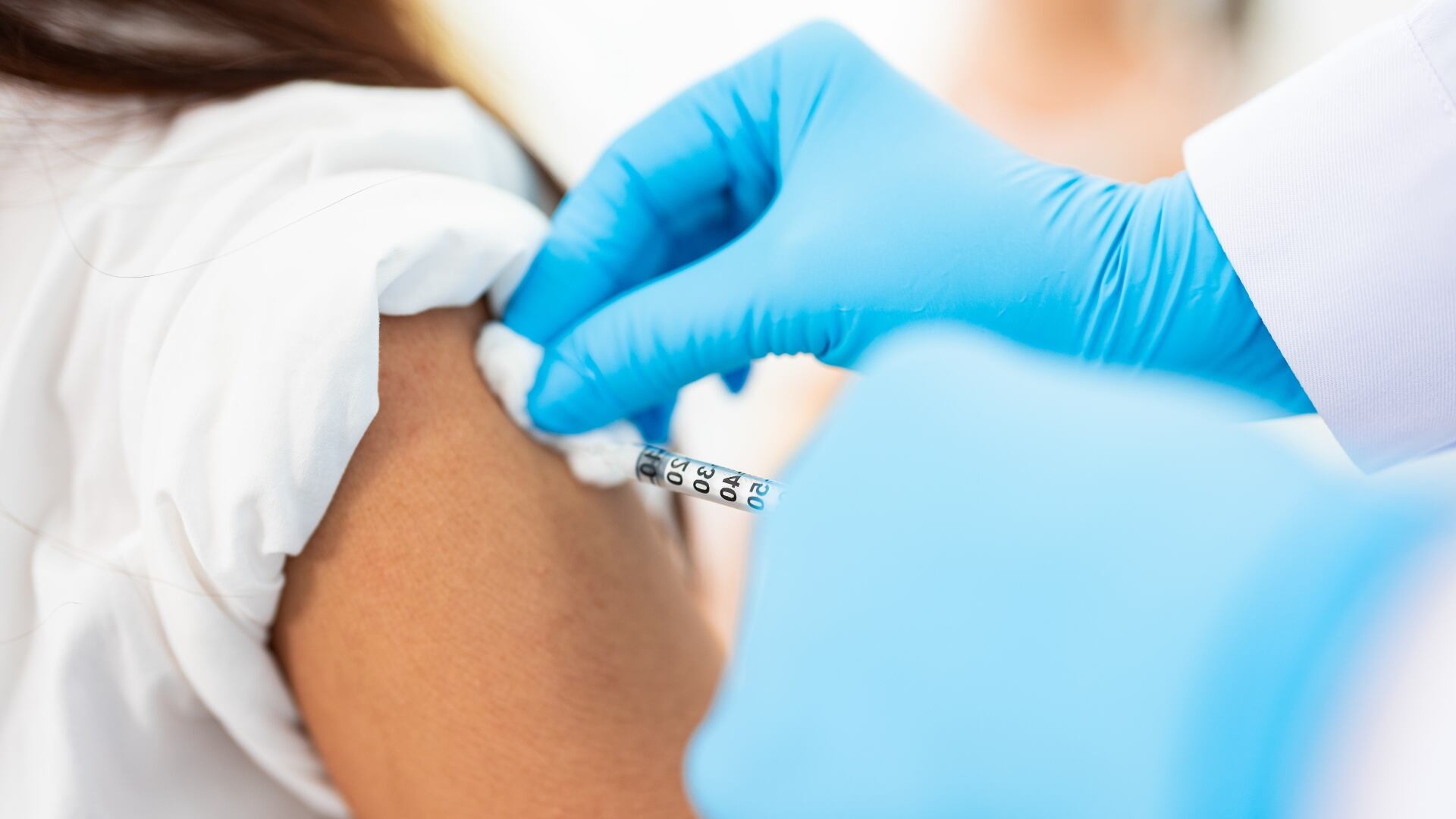
Co-founder and executive chairman of the board at Vaxxinity Lou Reese shares how the company is working to bring vaccines for chronic illnesses like heart disease and Parkinson’s to market with an eye for accessibility.
Mario Veneroso, Kingsview Asset Management Partner, weighs in on the latest economic data and whether the market is pricing in too many rate cuts for the coming year.