A worker, right, hands out paper unemployment applications after a batch of applications in English were brought in, Tuesday, April 7, 2020, at Babcock Park in Hialeah, Fla. (AP Photo/Wilfredo Lee)
More than 6.6 million people applied for unemployment benefits last week, according to new data from the Department of Labor.
That brings the total number of layoffs since the coronavirus pandemic hit the U.S. economy to 17 million, or 10 percent of the total workforce, in just three weeks.
This is only the latest in a series of historic surges for the unemployment rolls. Two weeks ago, a record-breaking 6.9 million people filed jobless claims. The week before that saw 3.3 million claims, surpassing the former one-week record of 695,000 set in 1982.
One reason for the continued rise in filings is that more people can now apply. The $2.2 trillion stimulus package that Congress passed at the end of last month expanded unemployment insurance to freelancers, independent contractors, and the self-employed.
How this impacts the economy in the long-run is a topic of fierce debate. Economists are projecting unemployment rates of 10 percent to an astonishing 30 percent by this summer.
The unemployment rate for March rose to 4.4 percent, but that doesn't account for the bulk of the economic damage that followed nationwide stay-at-home orders and shutdowns later in the month.
The Federal Reserve followed up the job numbers with the announcement that it would put $2.3 trillion into the economy through new loan programs for small businesses, states, and municipalities.
Alberto Perlman, CEO of Zumba, shares what users can find on its new app, the demand for in-person fitness classes, and the secret to remaining a go-to exercise brand for decades.
Jamie Meyers, Senior Securities Analyst from Laffer Tengler Investments, discusses why he believes the rally will widen to small cap stocks and how the latest economic data is impacting his strategy.
From Nvidia to Microsoft, Gil Luria, D.A. Davidson senior research analyst, breaks down the Magnificent Seven, plus whether the Vision Pro can move the needle for Apple.
Suzy Batiz, founder and CEO of ~Pourri, discusses creating Poo-Pourri, building out multiple businesses, and why she believes any problem can be overcome.
Fresh off his unanimous appointment as interim CEO, Dax Dasilva shares his strategy for Lightspeed and why growth and profitability are his biggest focus.
Eddie Ghabour, co-founder and owner of KEY Advisors Wealth Management, explains why he’s investing in India, what could happen if inflation rises again, and the long-term ‘debt bubble’ looming.
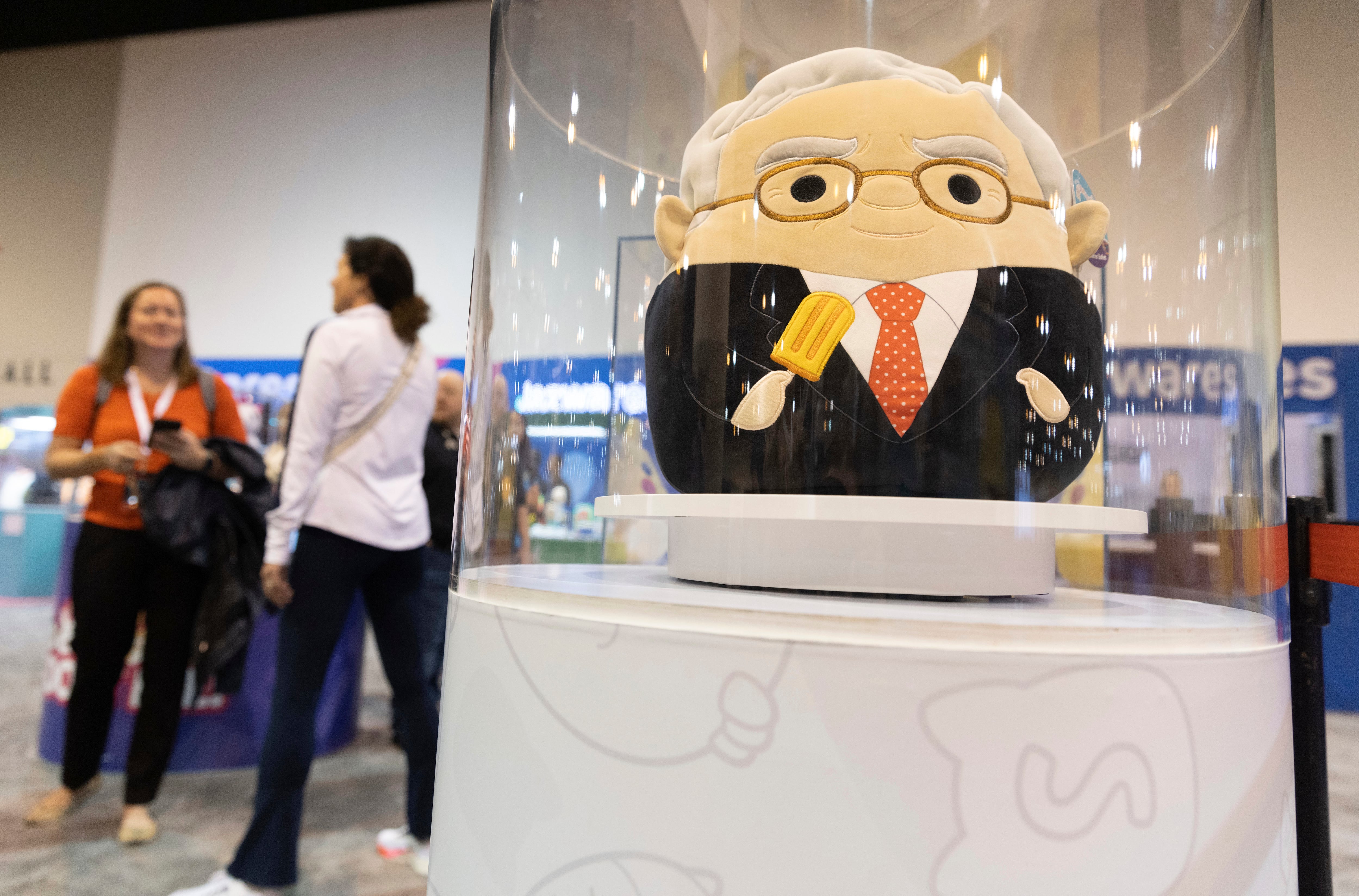
The company behind Squishmallows says Build-A-Bear's new Skoosherz toys are a copy of their own plushies. Build-A-Bear filed their own suit basically responding, "No they're not!"