A worker, right, hands out paper unemployment applications after a batch of applications in English were brought in, Tuesday, April 7, 2020, at Babcock Park in Hialeah, Fla. (AP Photo/Wilfredo Lee)
More than 6.6 million people applied for unemployment benefits last week, according to new data from the Department of Labor.
That brings the total number of layoffs since the coronavirus pandemic hit the U.S. economy to 17 million, or 10 percent of the total workforce, in just three weeks.
This is only the latest in a series of historic surges for the unemployment rolls. Two weeks ago, a record-breaking 6.9 million people filed jobless claims. The week before that saw 3.3 million claims, surpassing the former one-week record of 695,000 set in 1982.
One reason for the continued rise in filings is that more people can now apply. The $2.2 trillion stimulus package that Congress passed at the end of last month expanded unemployment insurance to freelancers, independent contractors, and the self-employed.
How this impacts the economy in the long-run is a topic of fierce debate. Economists are projecting unemployment rates of 10 percent to an astonishing 30 percent by this summer.
The unemployment rate for March rose to 4.4 percent, but that doesn't account for the bulk of the economic damage that followed nationwide stay-at-home orders and shutdowns later in the month.
The Federal Reserve followed up the job numbers with the announcement that it would put $2.3 trillion into the economy through new loan programs for small businesses, states, and municipalities.
The video announcement Friday came after weeks of speculation spread on social media about her whereabouts and health since she was hospitalized in January for unspecified abdominal surgery.
Chip Giller, co-founder, and Amy Seidenwurm, Chief of Programs and Strategy at Agog: The Immersive Media Institute, discuss how the organization uses the virtual world to make real change.
Luminary founder and CEO Cate Luzio shares some of the company’s latest Women’s History Month events and why there’s so much to celebrate about women in the workplace.
WSJ reporter Ray Smith breaks down why more companies are offering ‘dry’ promotions – a responsibility or title bump with no pay raise – and the pros and cons of accepting them.
Apple says a Justice Department antitrust lawsuit accusing it of engineering an illegal monopoly in smartphones in the U.S. is “wrong on the facts and the law.”
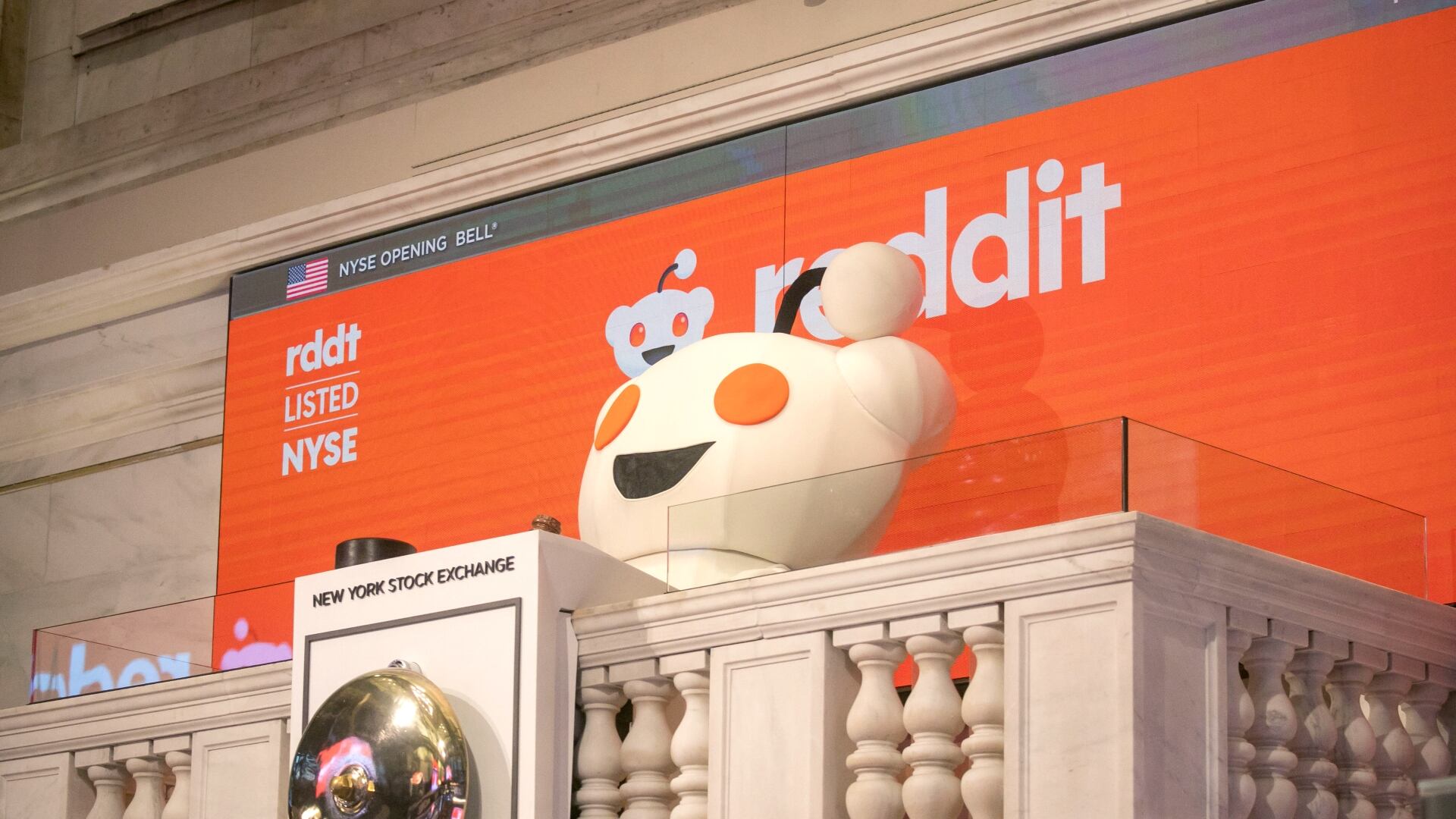
As Reddit shares begin trading at the NYSE, ‘Einstein of Wall Street’ Peter Tuchman breaks down the social platform’s debut and what it means for the overall IPO market in 2024.
CEO and co-founder of Alix, Alexandra Mysoor, discusses why it’s so important for everyone, regardless of income, to both plan and settle their estates.
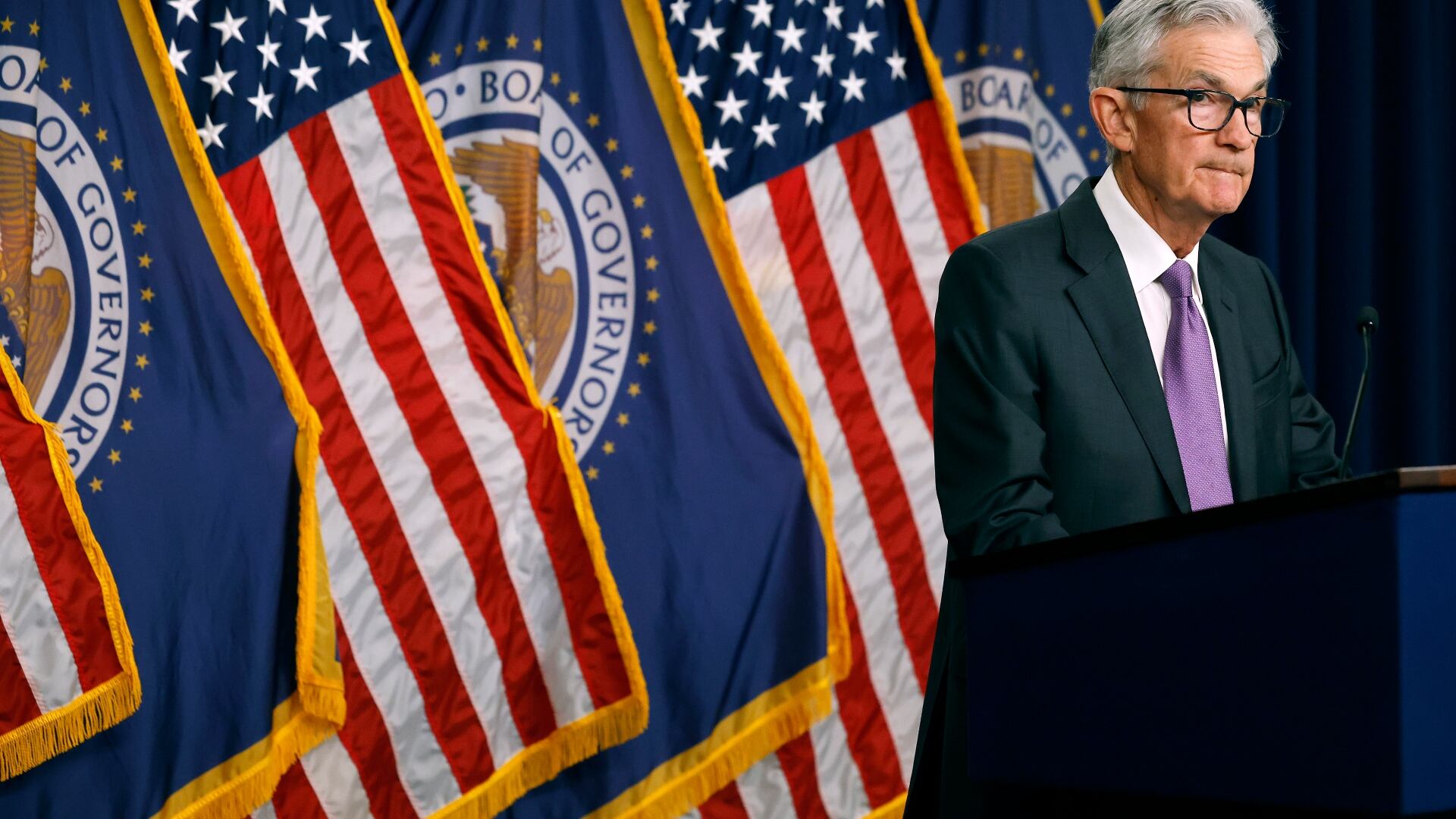
After the Fed forecast three cuts to come in 2024, Kevin D. Mahn, President and CIO at Hennion & Walsh Asset Management breaks down why the market looks strong, and he sees some reasons for concern in Reddit’s choice to IPO.