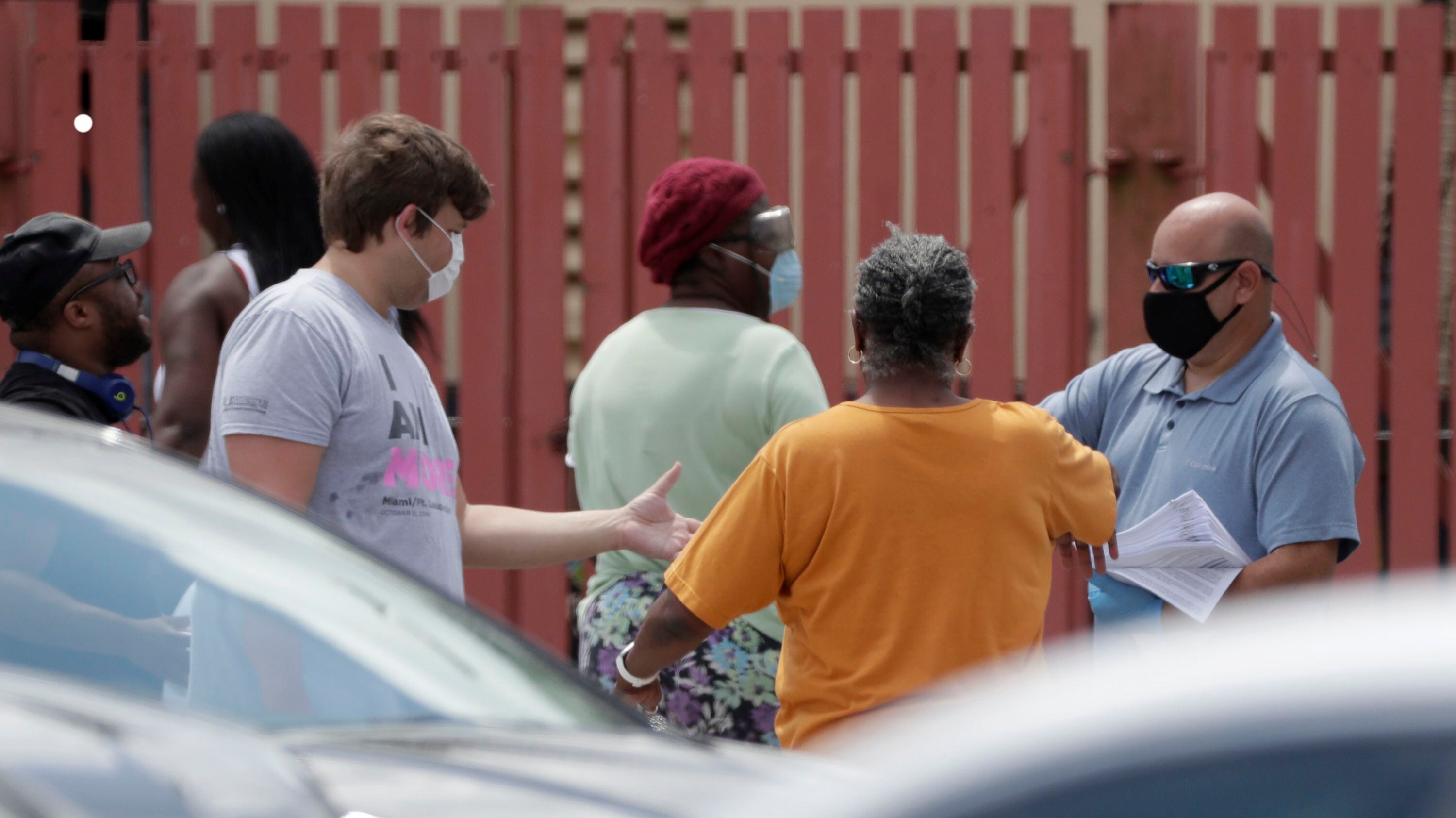
A worker, right, hands out paper unemployment applications after a batch of applications in English were brought in, Tuesday, April 7, 2020, at Babcock Park in Hialeah, Fla. (AP Photo/Wilfredo Lee)
More than 6.6 million people applied for unemployment benefits last week, according to new data from the Department of Labor.
That brings the total number of layoffs since the coronavirus pandemic hit the U.S. economy to 17 million, or 10 percent of the total workforce, in just three weeks.
This is only the latest in a series of historic surges for the unemployment rolls. Two weeks ago, a record-breaking 6.9 million people filed jobless claims. The week before that saw 3.3 million claims, surpassing the former one-week record of 695,000 set in 1982.
One reason for the continued rise in filings is that more people can now apply. The $2.2 trillion stimulus package that Congress passed at the end of last month expanded unemployment insurance to freelancers, independent contractors, and the self-employed.
How this impacts the economy in the long-run is a topic of fierce debate. Economists are projecting unemployment rates of 10 percent to an astonishing 30 percent by this summer.
The unemployment rate for March rose to 4.4 percent, but that doesn't account for the bulk of the economic damage that followed nationwide stay-at-home orders and shutdowns later in the month.
The Federal Reserve followed up the job numbers with the announcement that it would put $2.3 trillion into the economy through new loan programs for small businesses, states, and municipalities.
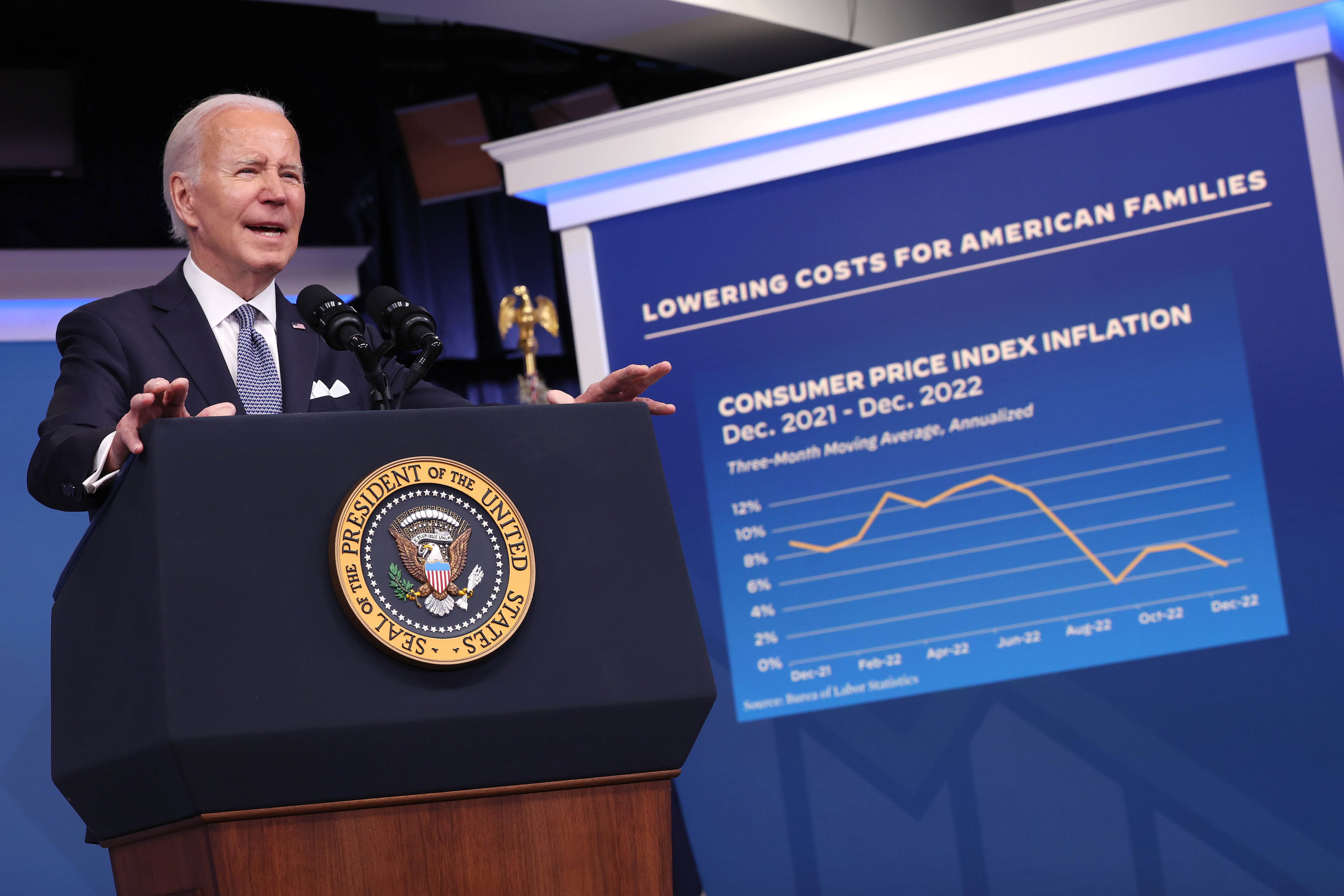
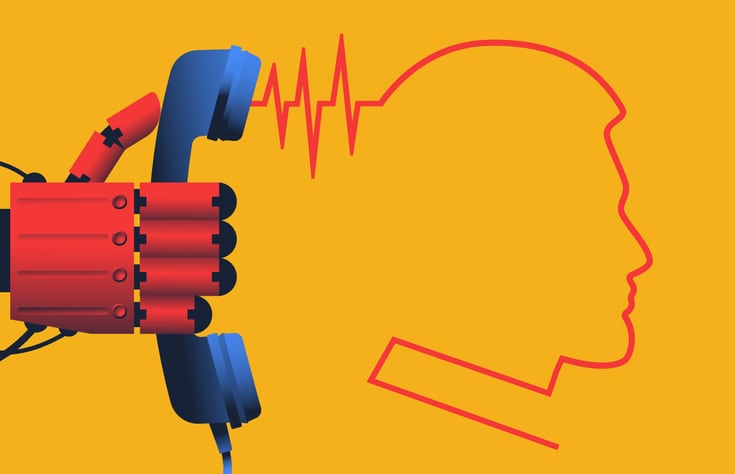
Whether it’s a deepfake video of actor Tom Cruise discovering gum in a lollipop or President Joe Biden discouraging people from voting via telephone, you’ve likely come across a deepfake video, photo or audio recording.
Tensions in the South China Sea, Apple moving to India, and banning TikTok? The podcast ‘Face Off: The U.S. Versus China’ helps explain how we got here.
Cust2Mate is a leading innovator in retail technology, aiming to revolutionize the shopping experience. By implementing smart cart technology, the tech company addresses the issue of theft while enhancing the shopper's journey.
The Biden administration has unveiled a plan, Plan B, to address the student loan debt crisis. It offers to cancel up to $20,000 in interest for borrowers enrolled in income-driven repayment plans. This proposal aims to reset balances for those facing growing debt due to unpaid interest, benefiting low—and middle-income borrowers. An estimated 25 million borrowers are eligible for some form of interest forgiveness.
As we head into the second quarter, there’s an argument in favor of buying Boeing stock. Why? As one expert says, ‘there’s nowhere else to get planes.’
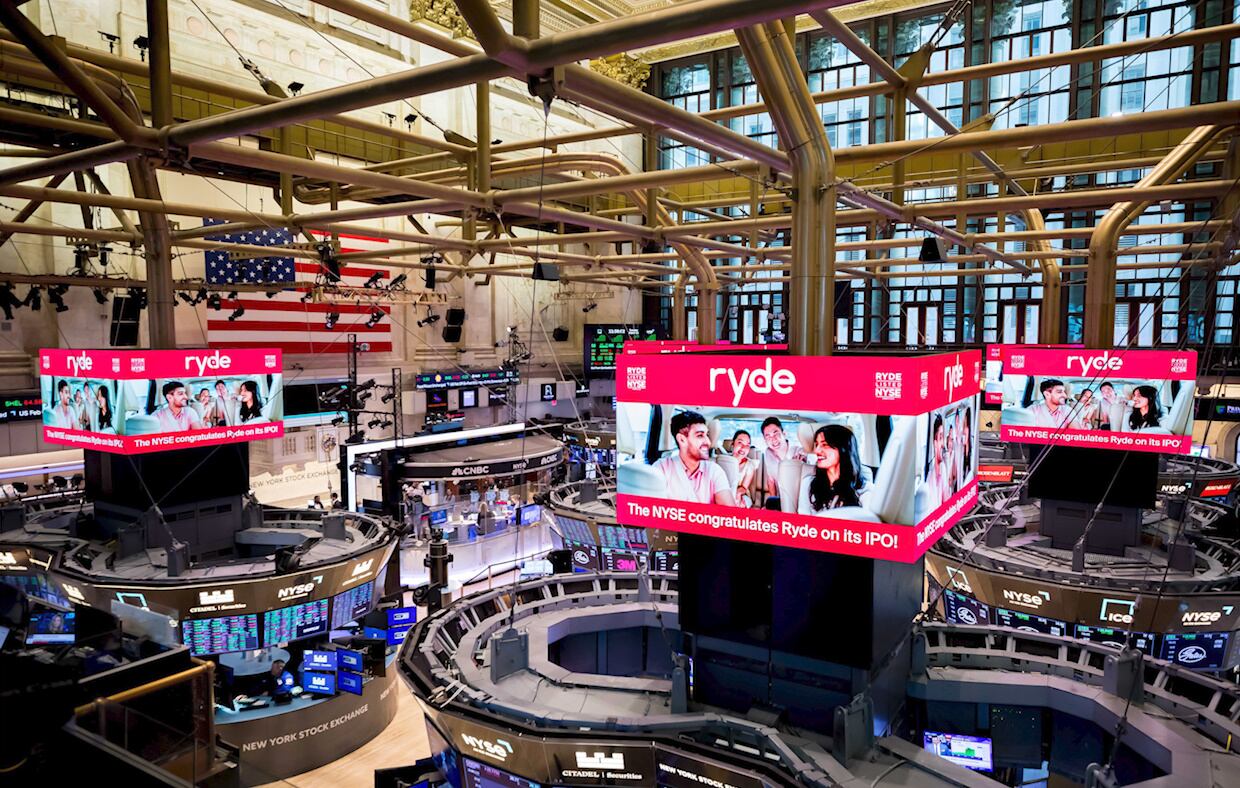
With inflation and prices still on the rise, it might be worth considering a carpool app. One of them, Singapore-based Ryde, just went public in the U.S.