IRS Wants to End Major Tax Loophole for the Wealthy
By Josh Boak and Fatima Hussein
(Patrick Semansky/AP Photo)
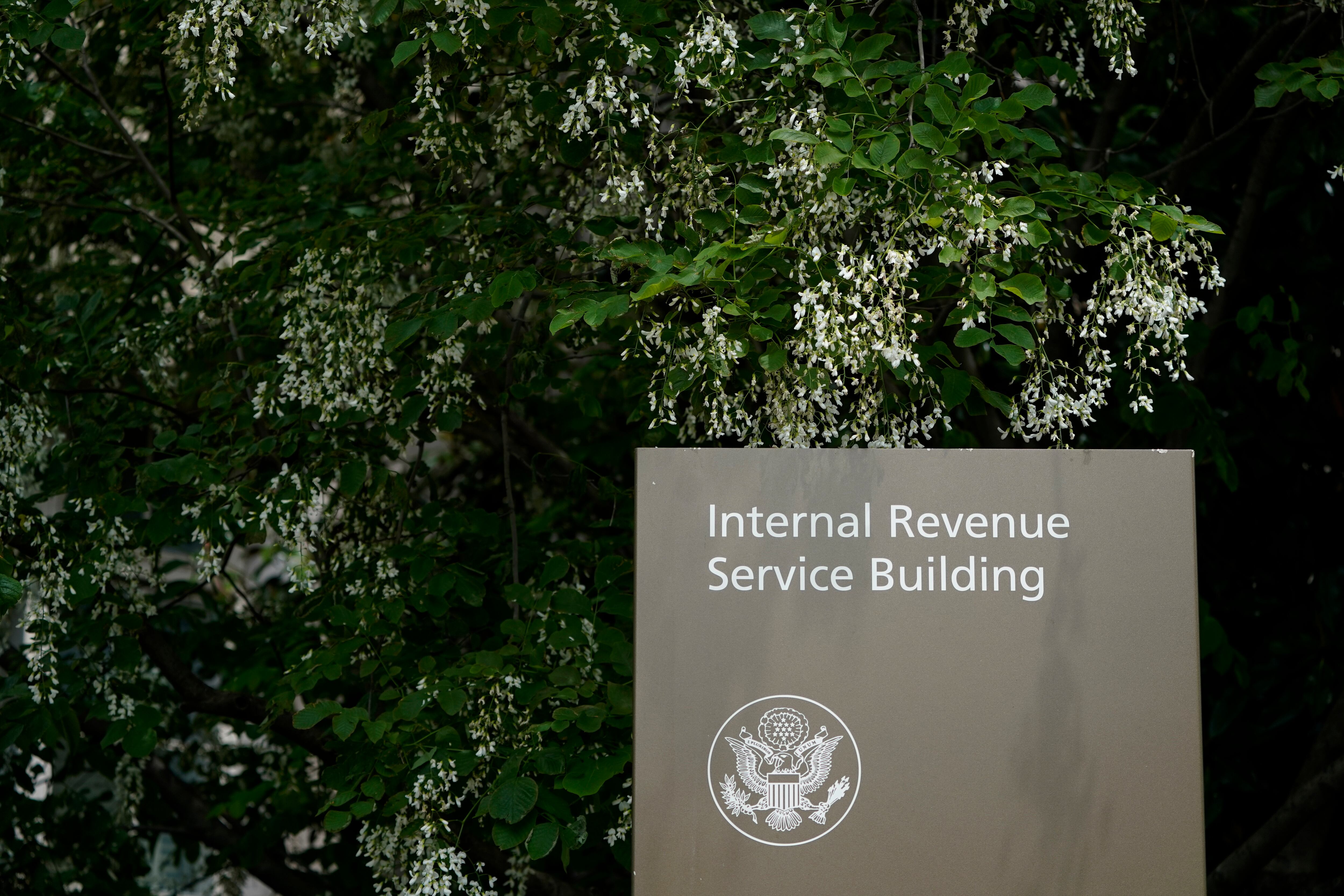
WASHINGTON (AP) — The IRS plans to end a major tax loophole for wealthy taxpayers that could raise more than $50 billion in revenue over the next decade, the U.S. Treasury Department says.
The guidance and ruling being announced Monday includes plans to essentially stop “partnership basis shifting" — a process by which a business or person can move assets among a series of related parties to avoid paying taxes.
Biden administration officials said after evaluating the practice that there are no economic grounds for these transactions, with Deputy Treasury Secretary Wally Adeyemo calling it “really just a shell game.” The officials said the additional IRS funding provided through the 2022 Inflation Reduction Act had enabled increased oversight and greater awareness of the practice.
“These tax shelters allow wealthy taxpayers to avoid paying what they owe," IRS commissioner Danny Werfel said.
Due to previous years of underfunding, the IRS had cut back on the auditing of wealthy individuals and the shifting of assets among partnerships and companies became common.
The IRS says filings for large pass-through businesses used for the type of tax avoidance in the guidance increased 70% from 174,100 in 2010 to 297,400 in 2019. However, audit rates for these businesses fell from 3.8% to 0.1% in the same time frame.
Treasury said in a statement announcing the new guidance that there is an estimated $160 billion gap between what the top 1% of earners likely owe in taxes and what they pay.
Monday's announcement is part of the IRS’s ongoing effort to zero in on high-wealth tax cheats who manipulate the tax code or don't pay their taxes at all.
The IRS plans to raise audit rates on companies with assets above $250 million to 22.6% in 2026, from an 8.8% rate in the tax year 2019. It also plans to increase audit rates by tenfold on large complex partnerships with assets over $10 million.
Stephen Kates, Financial Analyst at Bankrate, joins to discuss the Fed’s 25-basis-point rate cut, inflation risks, and what it all means for consumers and marke
Big tech earnings take center stage as investors digest results from Alphabet, Meta, Microsoft, Amazon, and Apple, with insights from Gil Luria of D.A. Davidson
Disney content has gone dark on YouTube TV, leaving subscribers of the Google-owned live streaming platform without access to major networks like ESPN and ABC. That’s because the companies have failed to reach a new licensing deal to keep Disney channels on YouTube TV. Depending on how long it lasts, the dispute could particularly impact coverage of U.S. college football matchups over the weekend — on top of other news and entertainment disruptions that have already arrived. In the meantime, YouTube TV subscribers who want to watch Disney channels could have little choice other than turning to the company’s own platforms, which come with their own price tags.
President Donald Trump said he has decided to lower his combined tariff rates on imports of Chinese goods to 47% after talks with Chinese leader Xi Jinping on curbing fentanyl trafficking.
Universal Music Group and AI platform Udio have settled a copyright lawsuit and will collaborate on a new music creation and streaming platform. The companies announced on Wednesday that they reached a compensatory legal settlement and new licensing agreements. These agreements aim to provide more revenue opportunities for Universal's artists and songwriters. The rise of AI song generation tools like Udio has disrupted the music streaming industry, leading to accusations from record labels. This deal marks the first since Universal and others sued Udio and Suno last year. Financial terms of the settlement weren't disclosed.