President Trump reportedly ordered the firing of Robert Mueller over the summer but reversed course after the White House special counsel threatened to resign. That's according to a recent report in the New York Times. Fordham University Law Professor Jed Shugerman explains the potential legal ramifications of these revelations.
"This now becomes part of a longer timeline for Mueller," said Shugerman. "The statue that covers obstruction of justice depends upon proving that there was a corrupt intent. So the more events that show a corrupt intent the stronger the case would be."
Former White House Communication Director Anthony Scaramucci took to Twitter, tweeting "...@POTUS should be able to have a private conversation with WH Counsel without the content being leaked." Shugerman says presidents can have private conversations, but they cannot conspire to commit felonies.
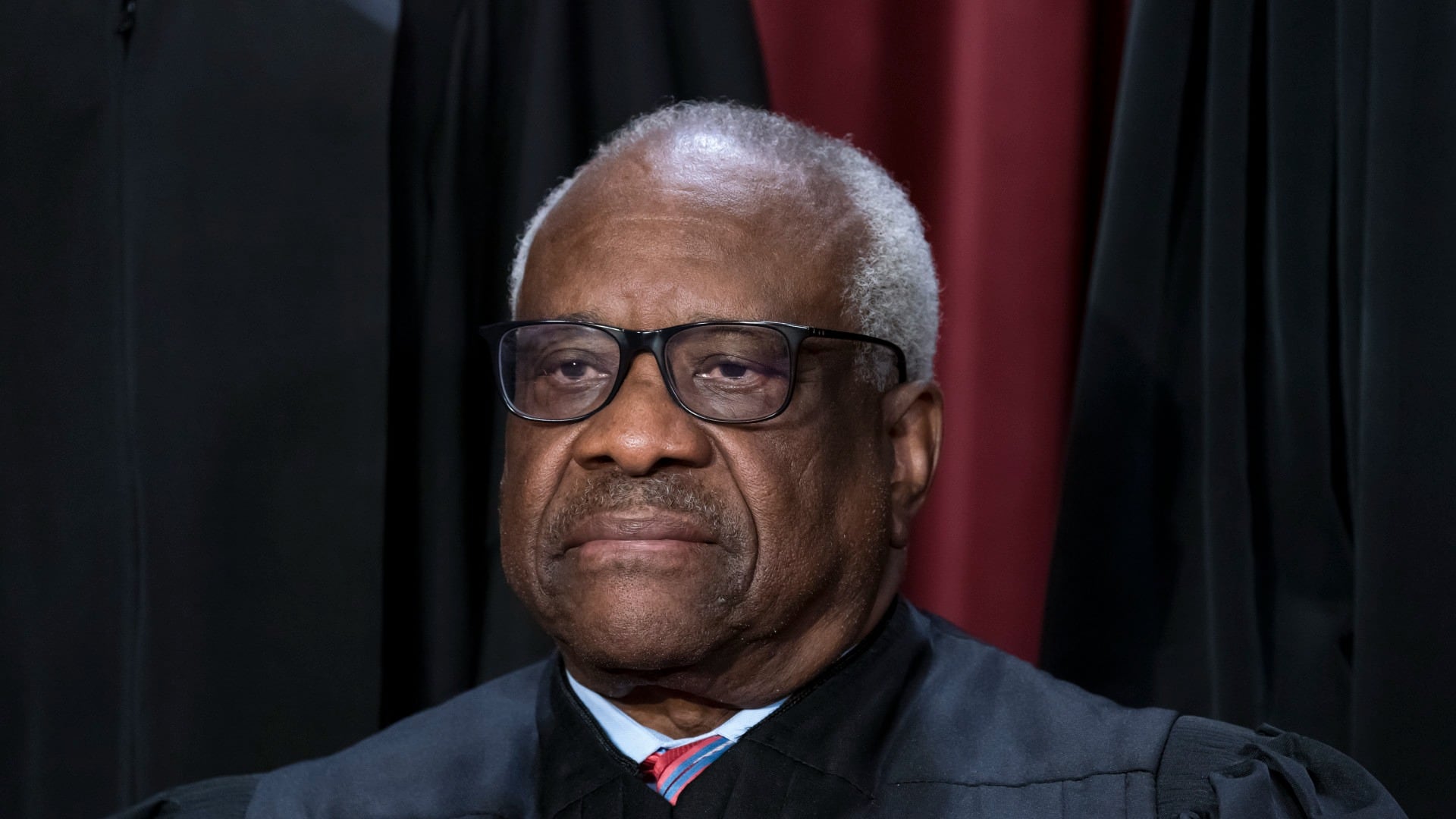
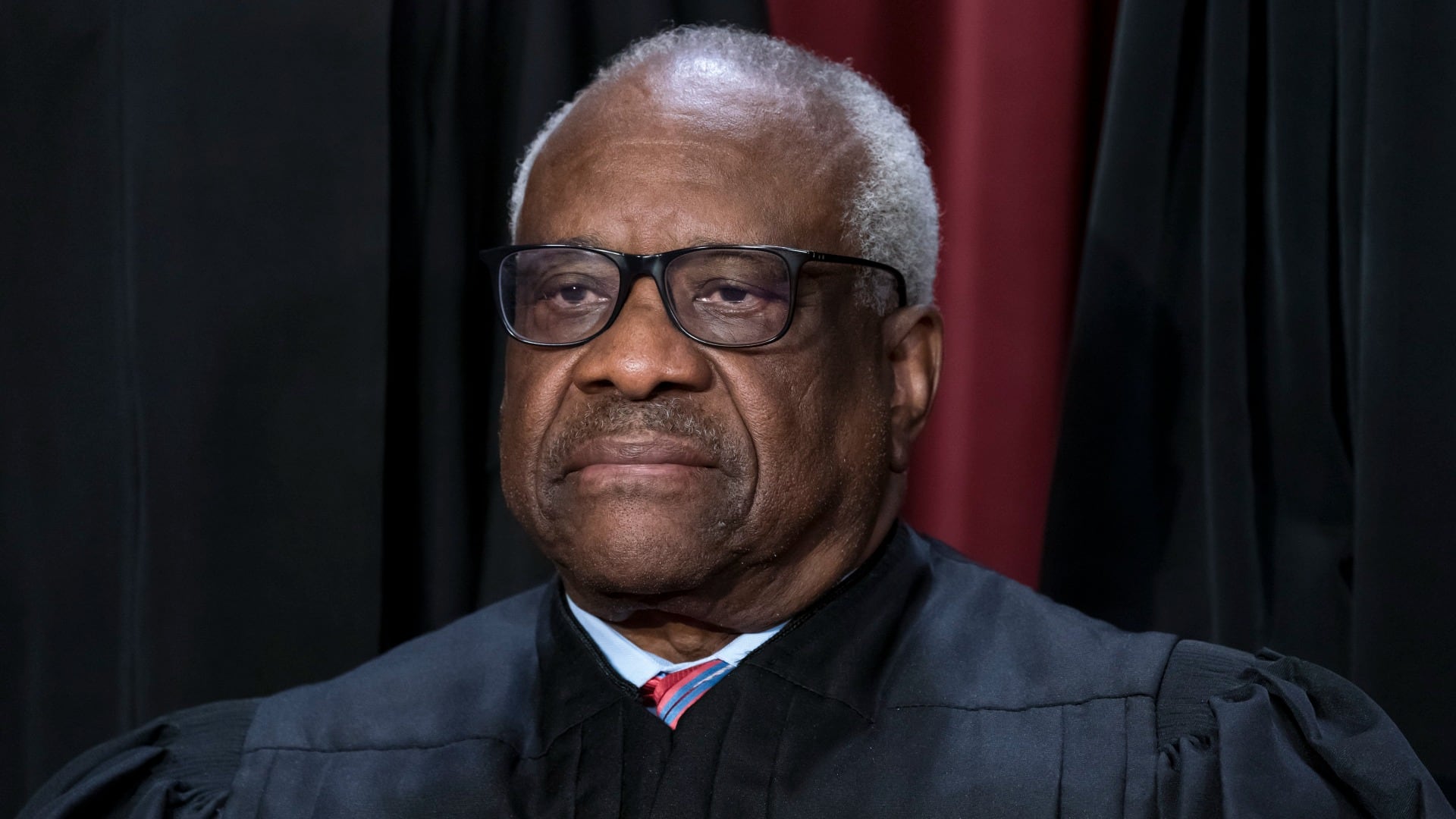
Supreme Court Justice Clarence Thomas defended himself against reports that a GOP donor treated him to super luxury vacations.
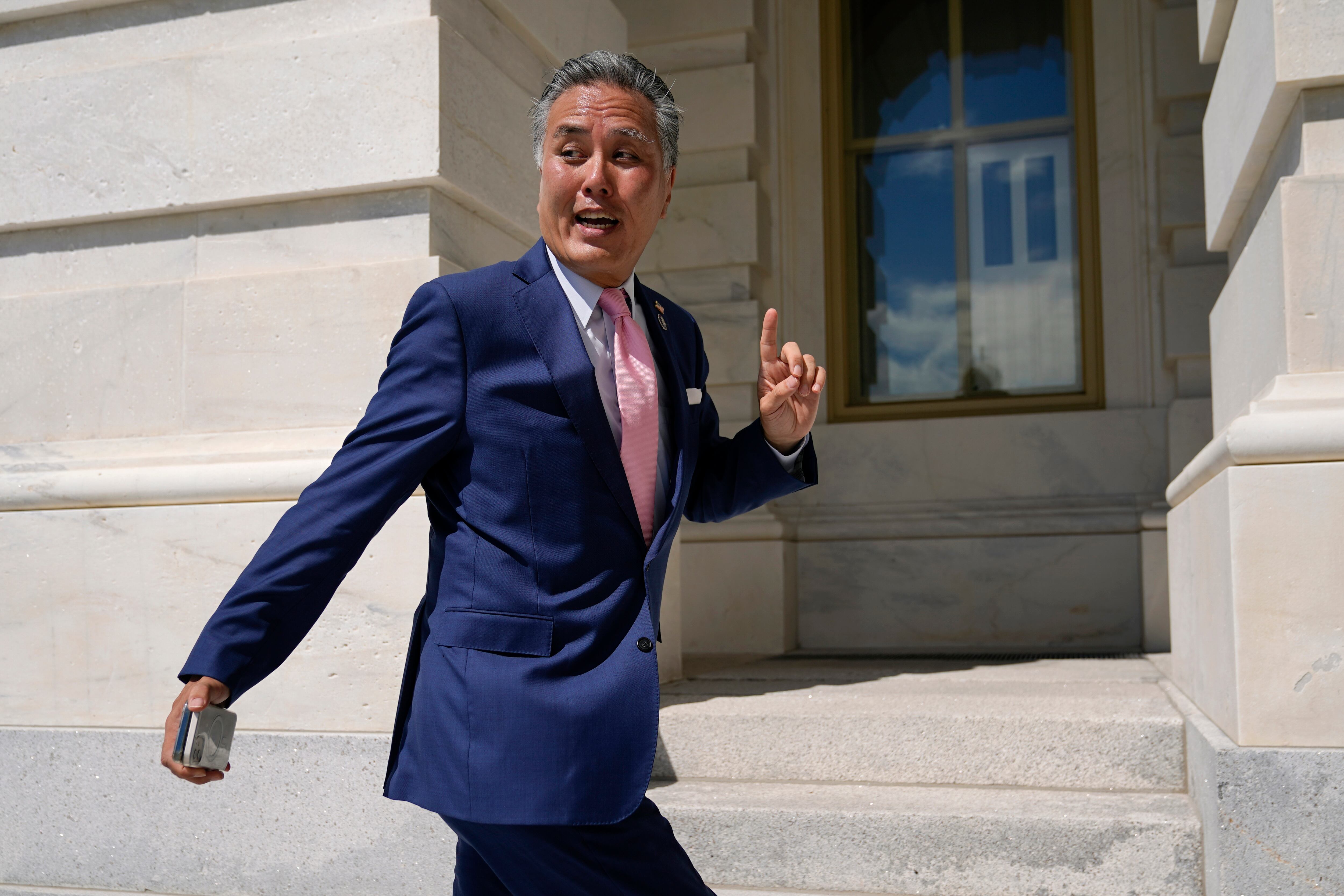
California Rep. Mark Takano re-introduced a bill for a four-day work week to bring to Congress. "The idea here is to ignite and jumpstart a serious conversation about how long the work week should be," Rep. Takano said. "The next steps are to continue to build interest ... that interest needs to be turned into public sentiment."
Cheddar Explains: How Climate Change is Driving Migration
Supreme Court Justice Clarence Thomas says he wasn’t required to disclose the many trips he and his wife took that were paid for by a Republican megadonor.
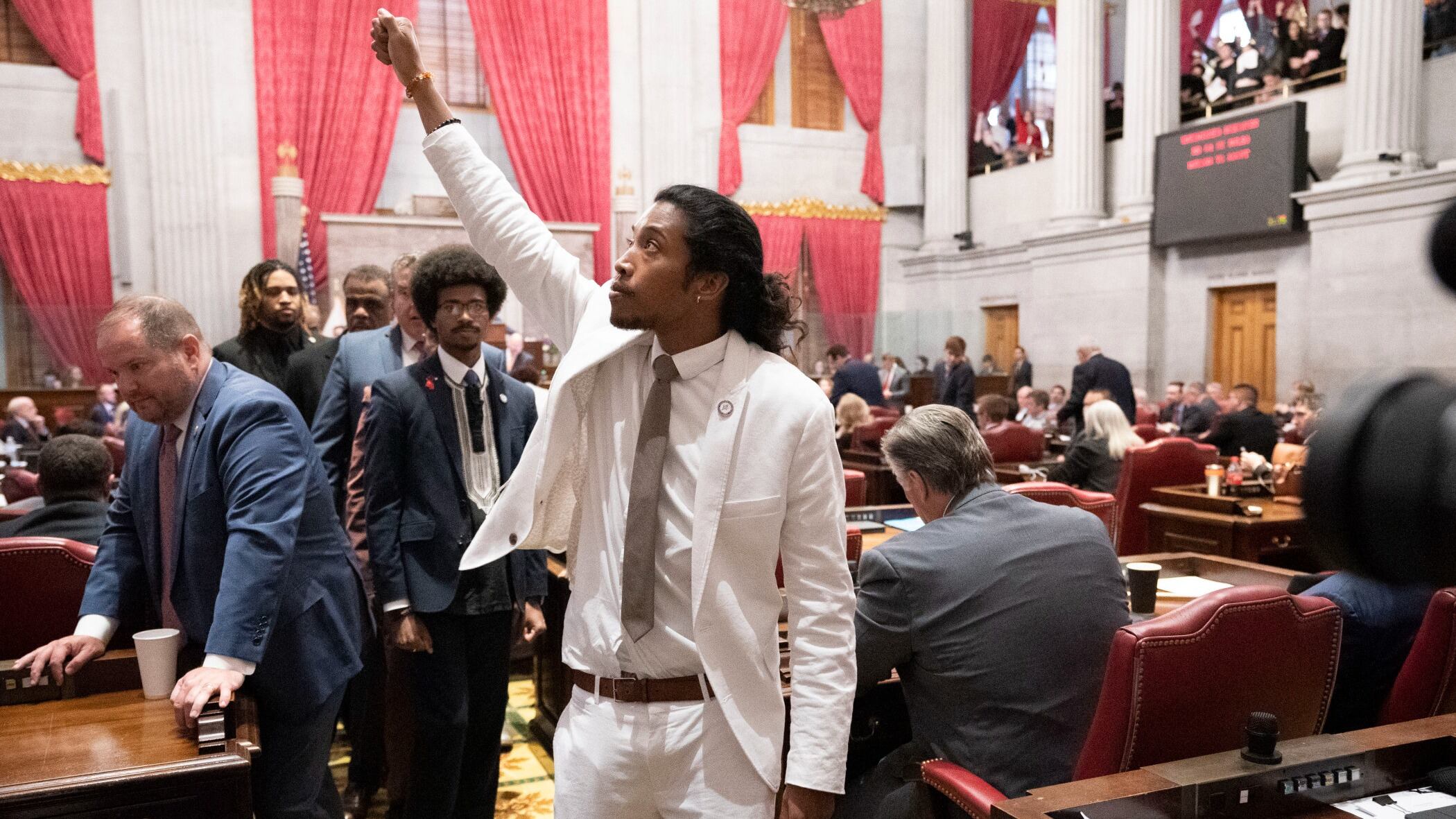
The two expelled members are Black and the member not expelled is white.
On A Positive Note: U.S. Taps First Woman to Ever Lead Largest U.S. National Guard
The capacity to burn coal for power went up in 2022 despite global promises to phase down the fuel that’s the biggest source of planet-warming gases in the atmosphere, a report Wednesday found.
Supreme Court Justice Clarence Thomas has for more than two decades accepted luxury trips nearly every year from Republican megadonor Harlan Crow without reporting them on financial disclosure forms, ProPublica reports.
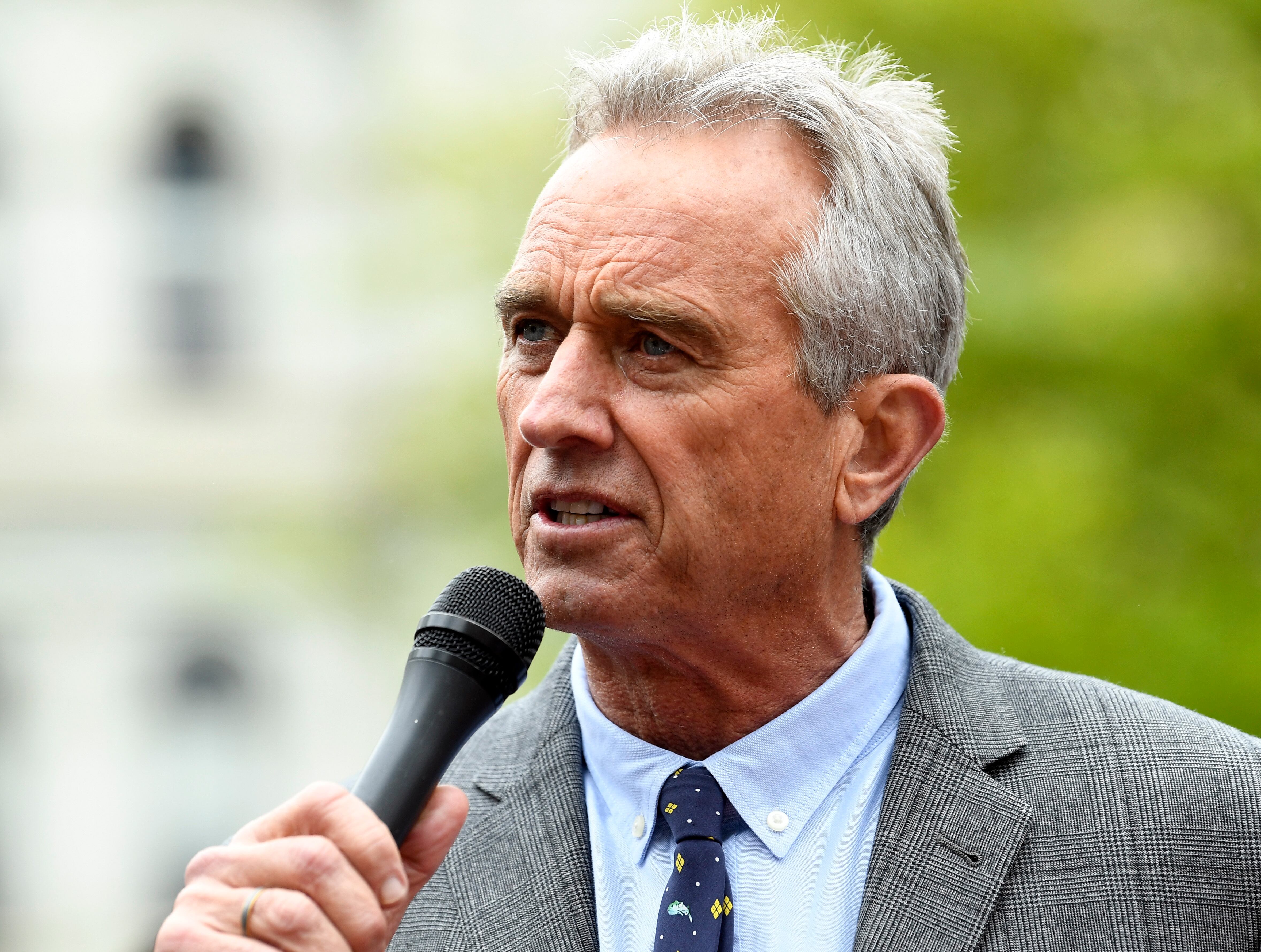
Democrat Robert F. Kennedy Jr., an anti-vaccine activist and scion of one of the country’s most famous political families, is running for president.
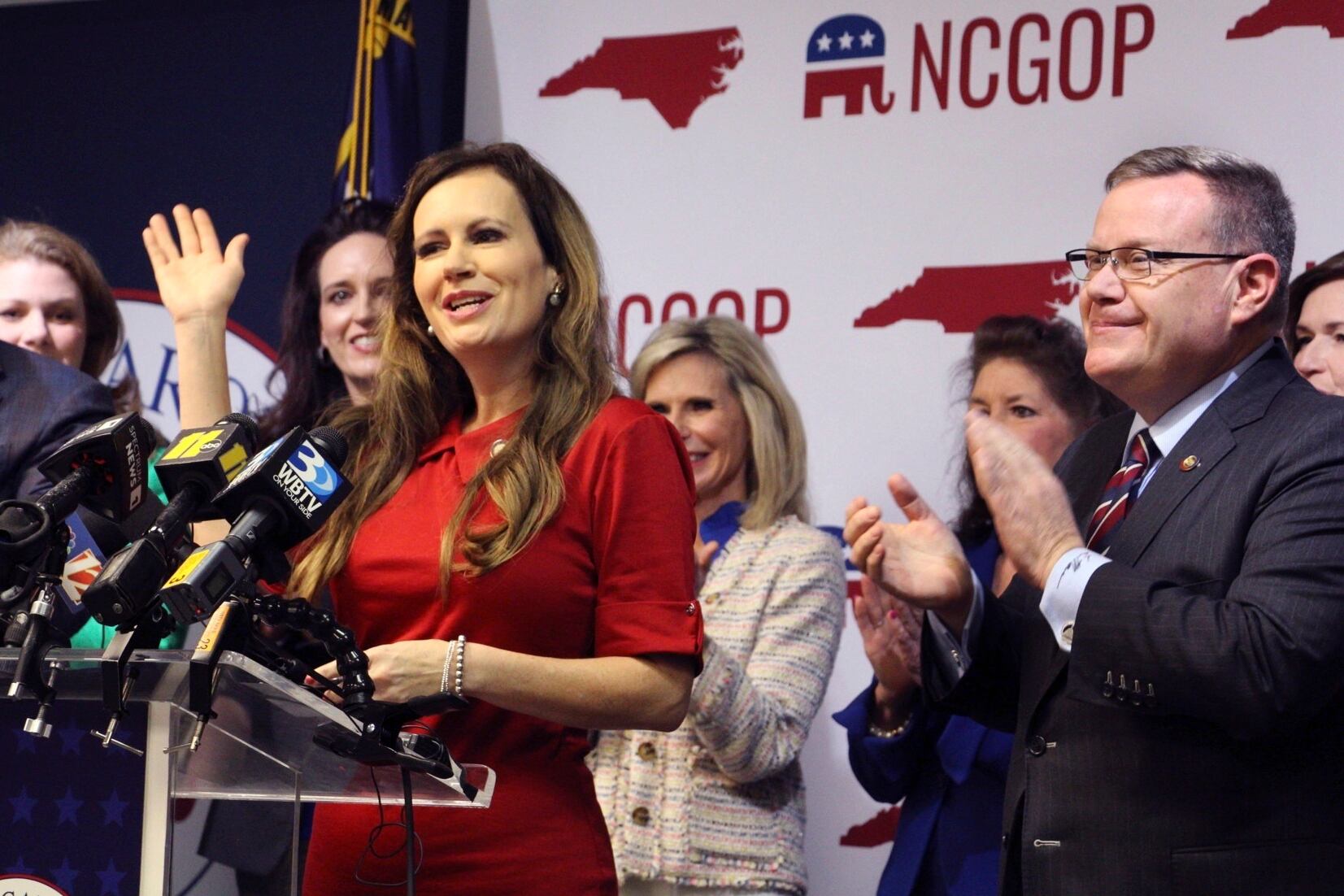
A Democratic state lawmaker in North Carolina announced Wednesday that she is jumping to the Republican Party, giving the GOP veto-proof majorities in both the state's legislative chambers that should make it easier to enact conservative policies over the opposition of Gov. Roy Cooper.