Following a report this morning from Reuters that Chinese tech giant Huawei planned to move into the electric vehicle market, Andy Purdy, chief security officer for the company's U.S. division, refuted that it would be manufacturing cars of its own.
"We're not, as a recent report said, going to be manufacturing our own electric cars," Purdy told Cheddar. However, he said the company would develop automotive computer systems.
The report comes amid Huawei's ongoing efforts to improve relations with the U.S. after the Trump administration imposed sanctions that cut the company off from a vital supply of semiconductors. The former administration also pursued criminal charges against Meng Wanzhou, chief financial officer of Huawei and daughter of the company founder, who has been under house arrest in Canada for the last two years as she fights extradition.
"We hope the Biden administration disaggregates those issues and focuses on them one-by-one," Purdy said.
He also stressed that 40,000 American jobs were on the table, which was his rough calculation of how many jobs were created by Huawei's annual purchase of 12 billion semiconductors prior to 2019, the year it bought 18 billion in order to stockpile ahead of the sanctions.
"If in the long-term, we and other companies are not allowed to buy those chips, those jobs will leave America forever," he said.
The sanctions knocked $20 billion off Huawei's revenue in 2019, he added, and that the company will announce soon what the damage was in 2020.
"We do know that we're in the black for revenue and profit for 2020, which is a good thing, but we're hurting badly and we're going to continue to hurt for the foreseeable future," Purdy explained.
The Biden administration has enacted a new labor rule that aims to prevent the misclassification of workers as independent contractors. The labor department rule going into effect Tuesday replaces a scrapped Trump-era standard that lowered the bar for classifying employees as contractors
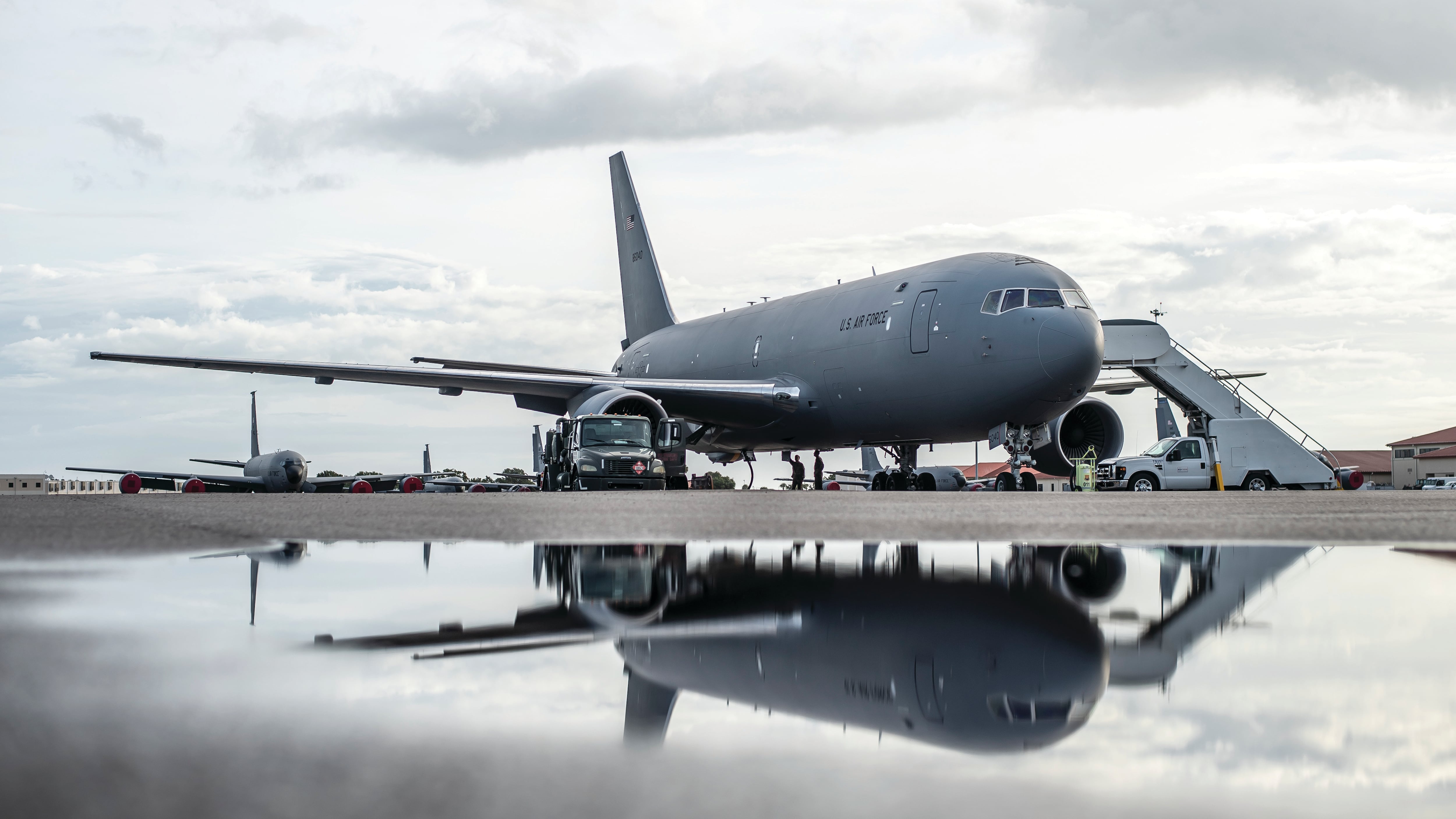
The KC-46 was to be the ideal candidate for a fixed-price development program. Instead, it has cost Boeing billions, and made industry wary of such deals.
Dave Long, CEO and Co-Founder of Orangetheory Fitness joins Cheddar to chat trends in the industry for 2024. He updates us on the company's plans to expand and what the state of the economy has meant for business.
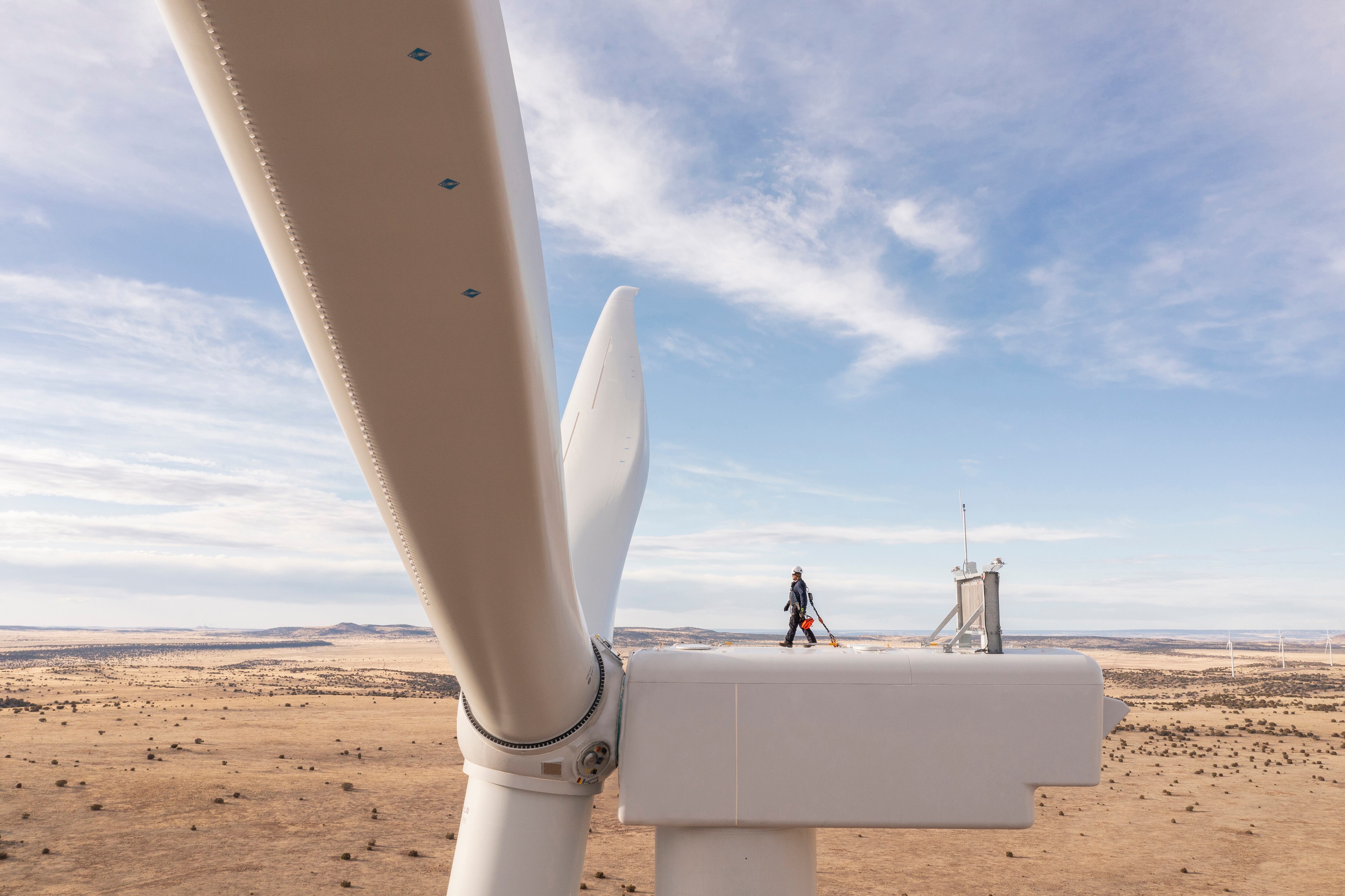
One of the world's largest renewable energy developers will be getting hundreds of wind turbines from General Electric spinoff GE Vernova as part of a record equipment order and long-term service deal.
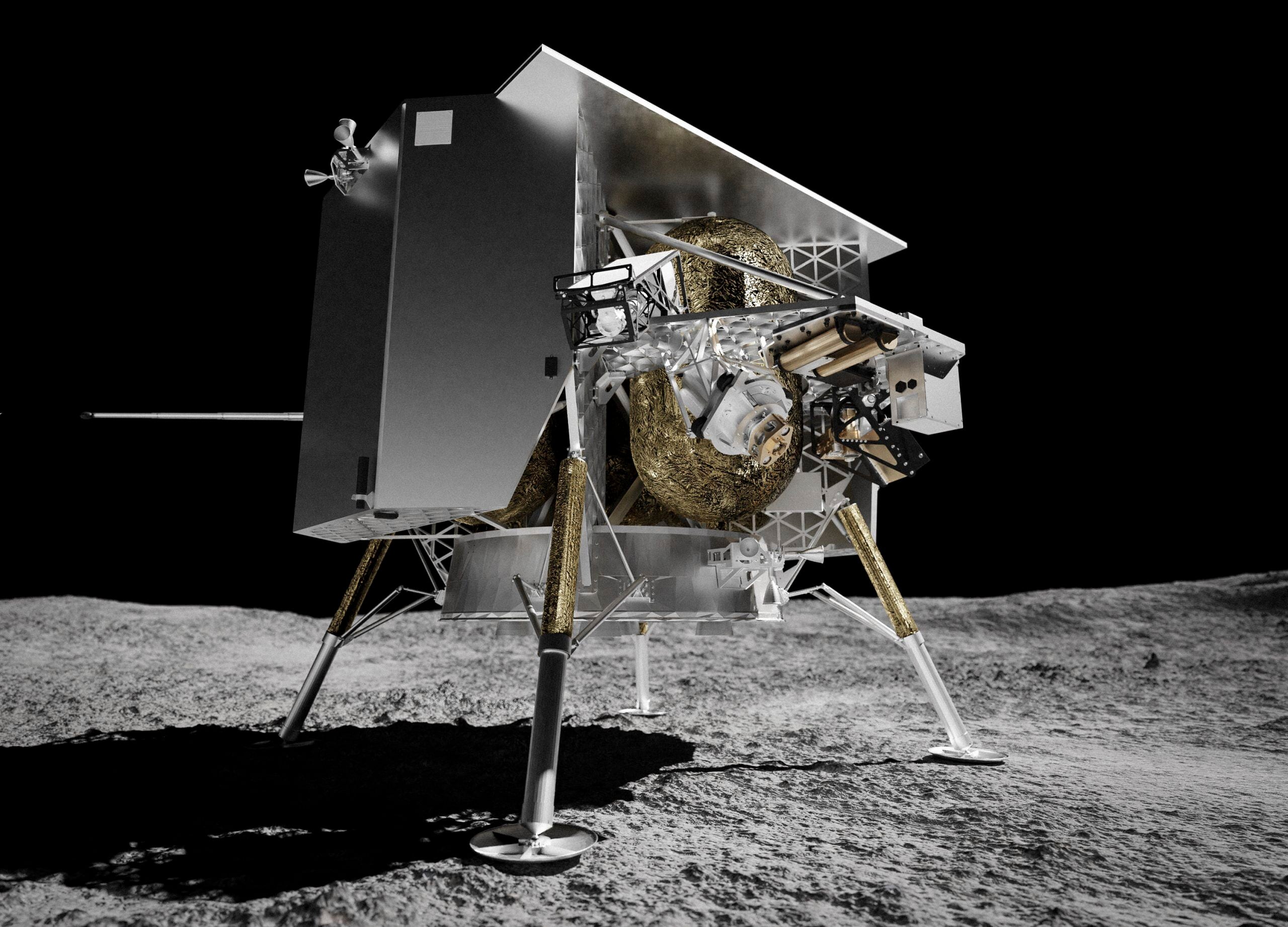
A moon landing attempt by a private US company appears doomed because of a fuel leak on the newly launched spacecraft. Astrobotic Technology managed to orient the lander toward the sun Monday so its solar panel could capture sunlight and charge its onboard battery.
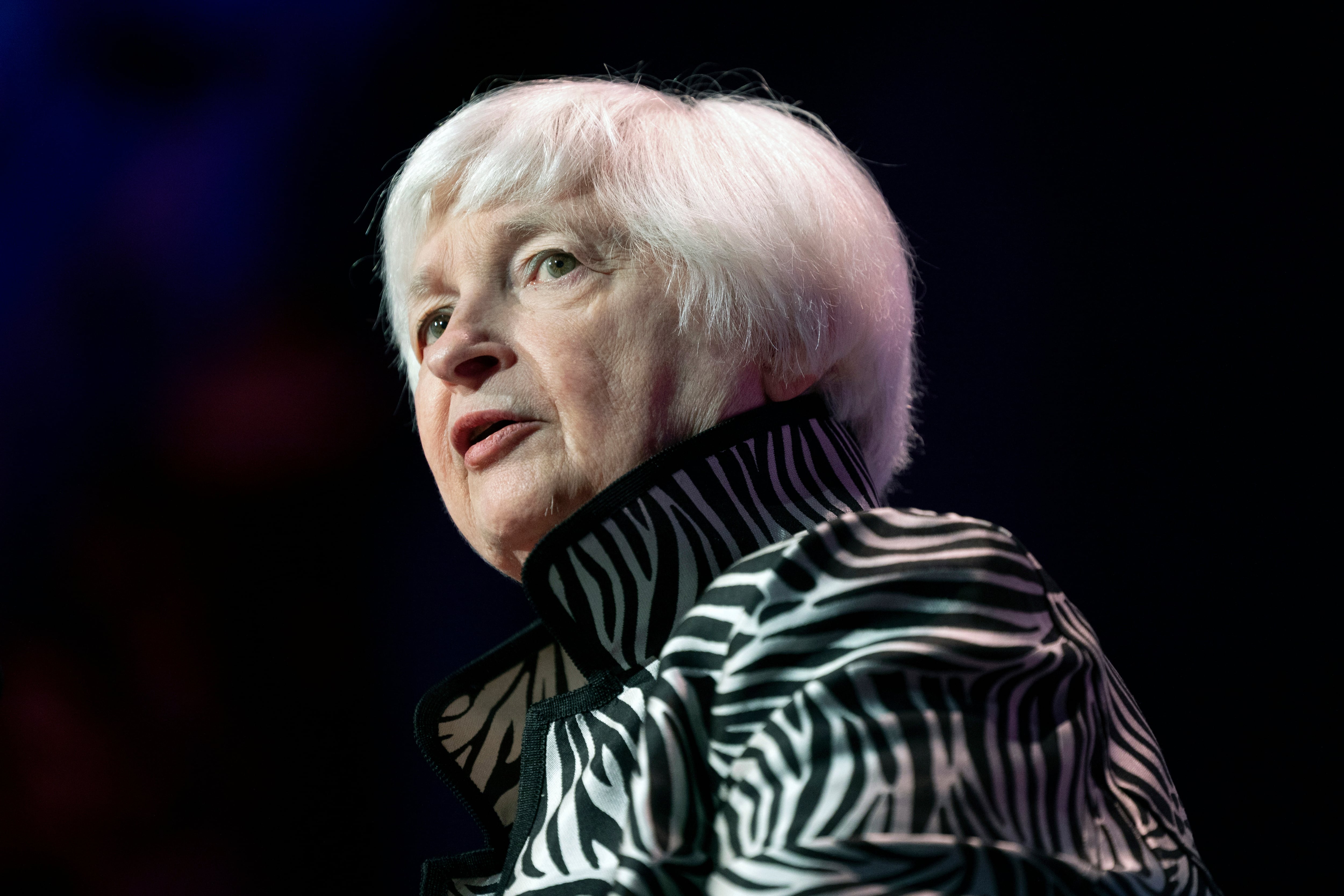
Treasury Secretary Janet Yellen has announced that 100,000 businesses have signed up for a new database that collects ownership information intended to help unmask shell company owners. Yellen says the database will send the message that “the United States is not a haven for dirty money.”
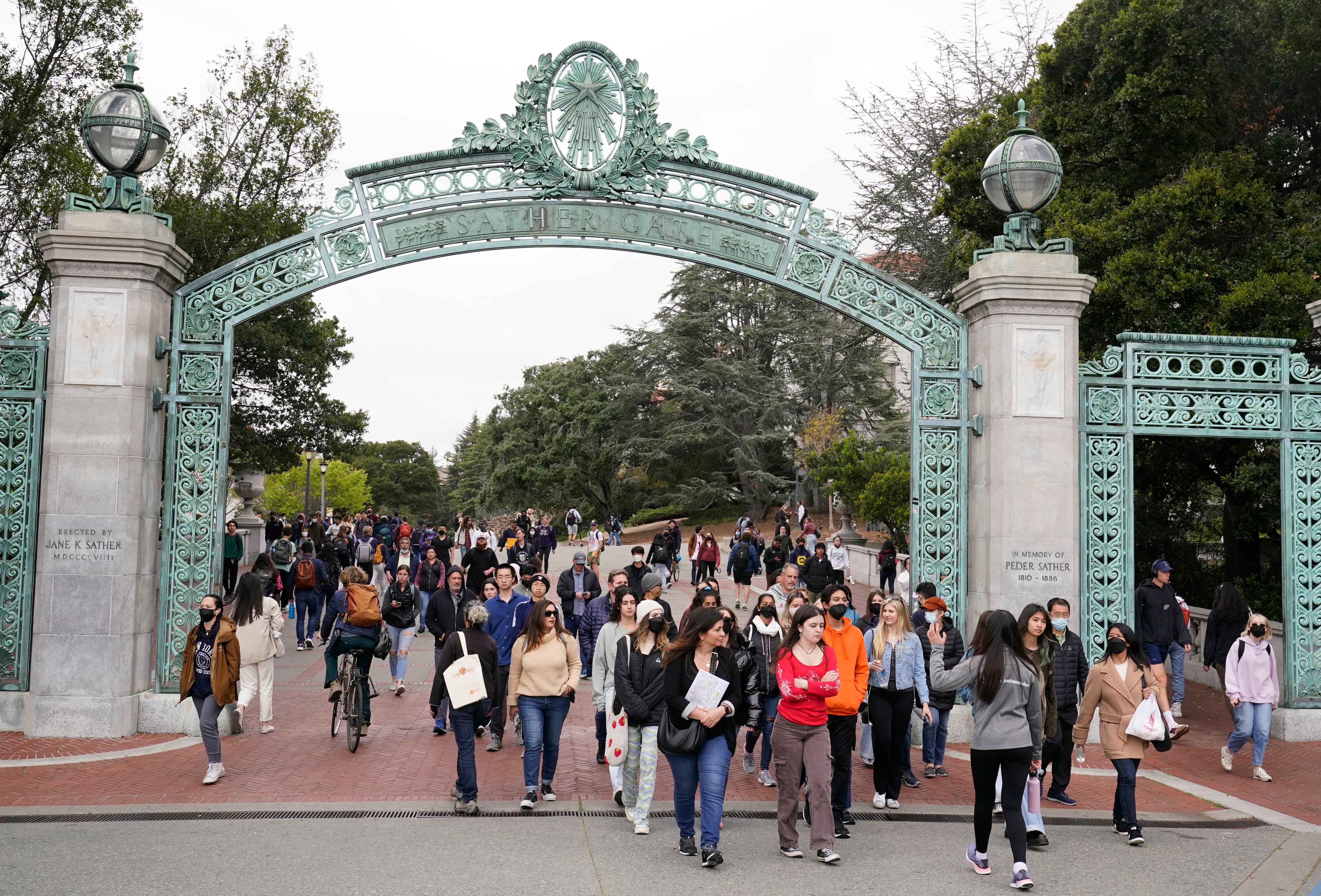
A new version of the federal student aid application known as the FAFSA is available for the 2024-2025 school year, but only on a limited basis as the U.S. Department of Education works on a redesign meant to make it easier to apply.
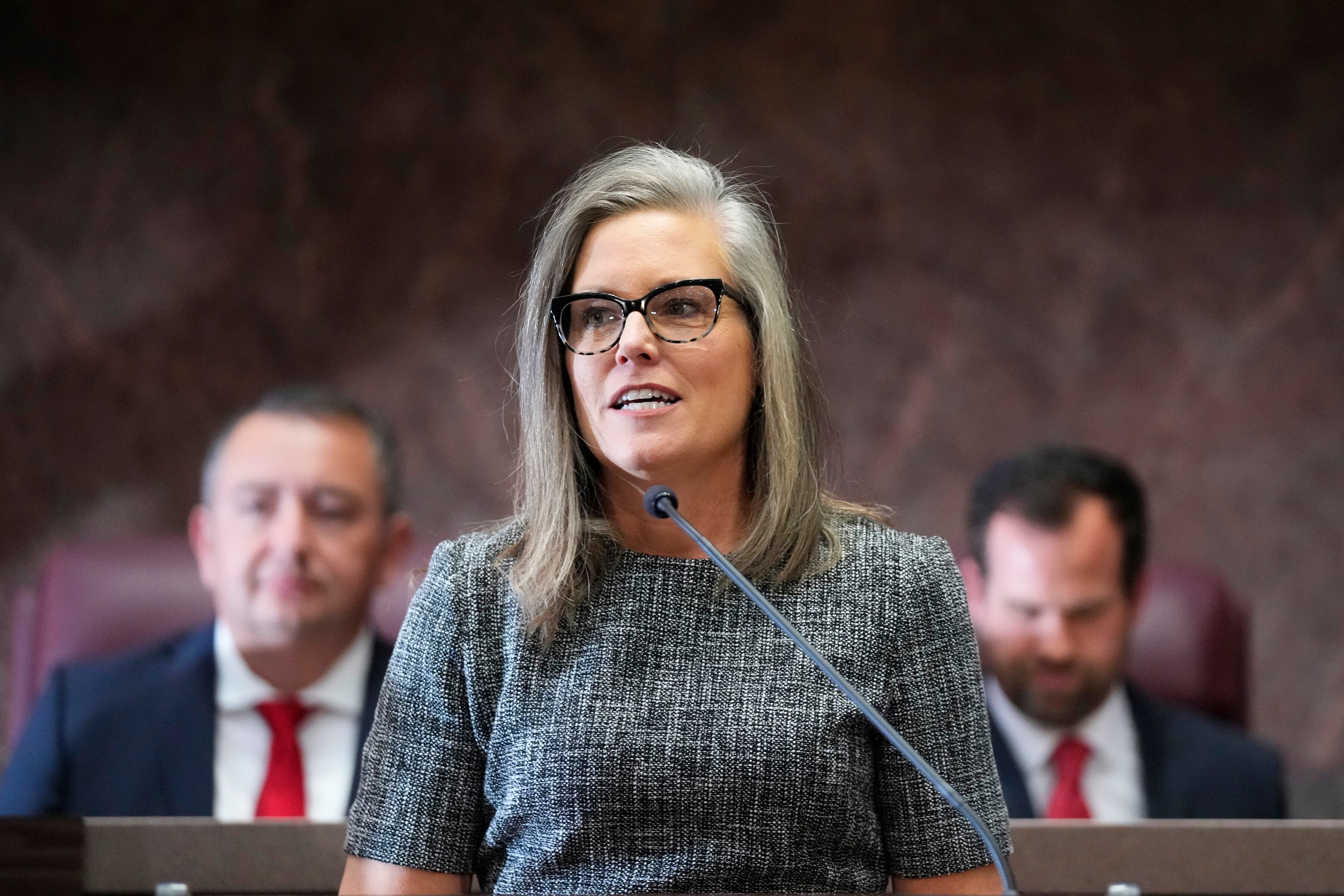
A steep budget deficit caused by plummeting tax revenues and escalating school voucher costs will be in focus Monday as Democratic Gov. Katie Hobbs and the Republican-controlled Arizona Legislature return for a new session at the state Capitol.
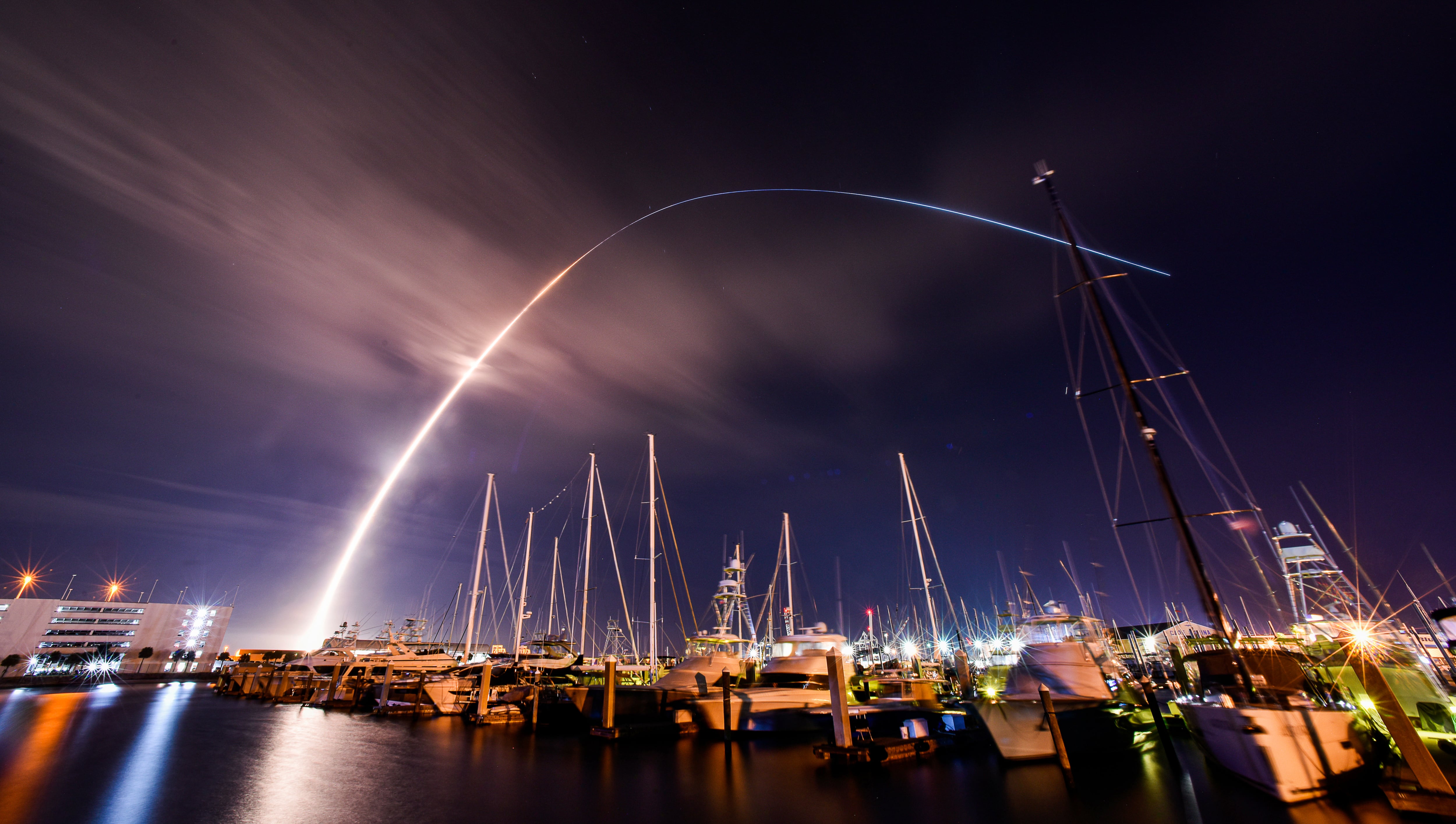
The first U.S. lunar lander in more than 50 years is on its way to the moon. The private lander from Astrobotic Technology blasted off Monday from Cape Canaveral, Florida, catching a ride on United Launch Alliance's brand new rocket Vulcan.