Following a report this morning from Reuters that Chinese tech giant Huawei planned to move into the electric vehicle market, Andy Purdy, chief security officer for the company's U.S. division, refuted that it would be manufacturing cars of its own.
"We're not, as a recent report said, going to be manufacturing our own electric cars," Purdy told Cheddar. However, he said the company would develop automotive computer systems.
The report comes amid Huawei's ongoing efforts to improve relations with the U.S. after the Trump administration imposed sanctions that cut the company off from a vital supply of semiconductors. The former administration also pursued criminal charges against Meng Wanzhou, chief financial officer of Huawei and daughter of the company founder, who has been under house arrest in Canada for the last two years as she fights extradition.
"We hope the Biden administration disaggregates those issues and focuses on them one-by-one," Purdy said.
He also stressed that 40,000 American jobs were on the table, which was his rough calculation of how many jobs were created by Huawei's annual purchase of 12 billion semiconductors prior to 2019, the year it bought 18 billion in order to stockpile ahead of the sanctions.
"If in the long-term, we and other companies are not allowed to buy those chips, those jobs will leave America forever," he said.
The sanctions knocked $20 billion off Huawei's revenue in 2019, he added, and that the company will announce soon what the damage was in 2020.
"We do know that we're in the black for revenue and profit for 2020, which is a good thing, but we're hurting badly and we're going to continue to hurt for the foreseeable future," Purdy explained.
Adtalem CEO Steve Beard addresses a report from Safkhet Capital taking the short position on the for-profit education giant, plus why he believes there should be financial recourse for student loan borrowers misled by their institutions.
CEO of Americares Christine Squires shares how the organization is helping provide medical assistance in a time of increasing instability, war, and climate-related disaster.
Doug Clinton, Deepwater Asset Management managing partner, shares tips for investors looking to take advantage of the massive boom in artificial intelligence beyond Microsoft and Nvidia.
Jason Moser, analyst and adviser at the Motley Fool, shares thoughts on recent tech earnings, including what’s behind Google’s share price drop and why A.I. could be Microsoft’s ‘iPhone moment.’
CEOs of social media platforms like Facebook, TikTok, and more meet with lawmakers Wednesday about how they are protecting children from sexual exploitation.
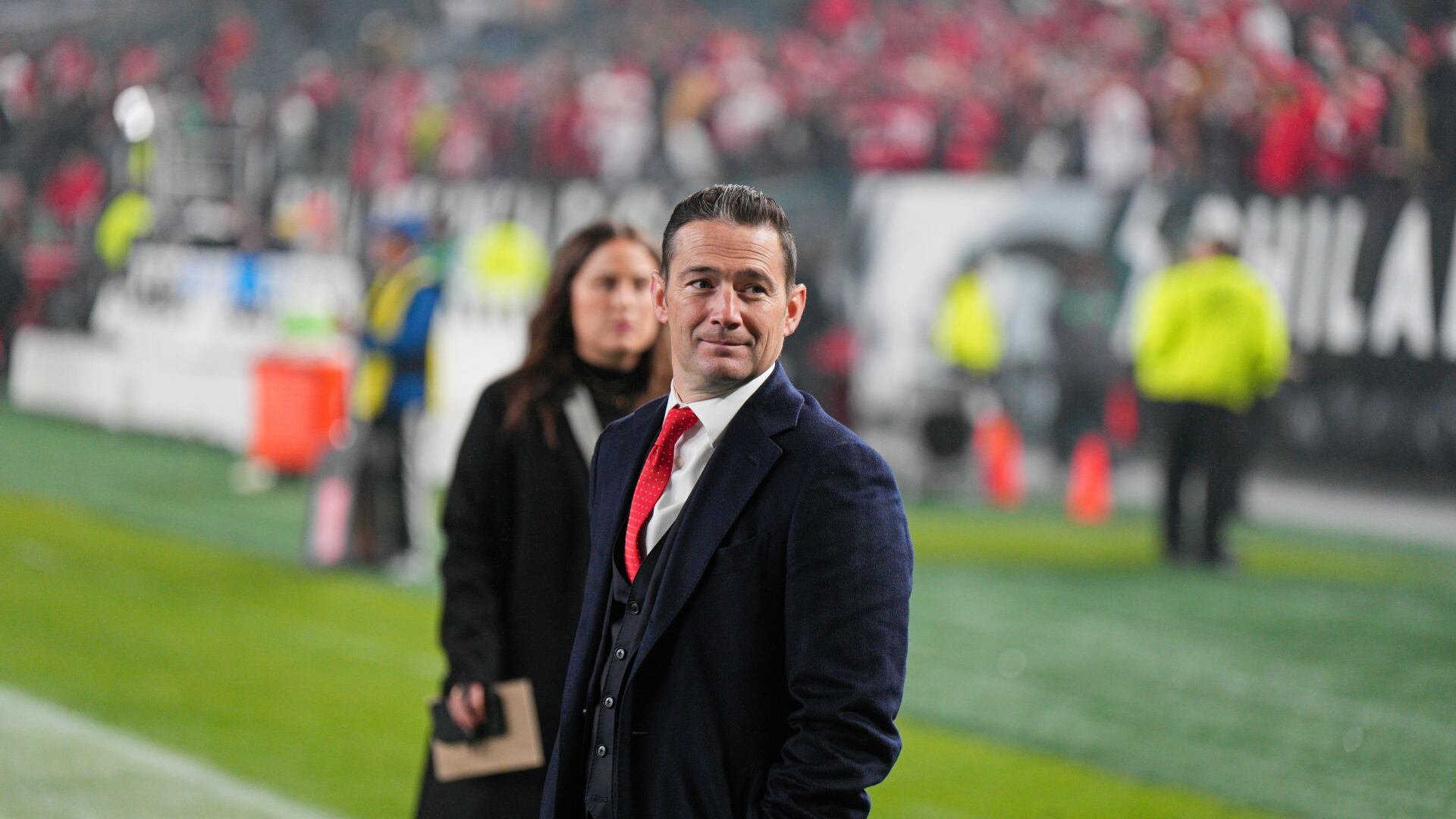
San Francisco 49ers president Al Guido discusses what goes into preparing for Super Bowl LVIII, building a championship-ready team, and how Taylor Swift and streaming are both bringing new fans to the NFL.
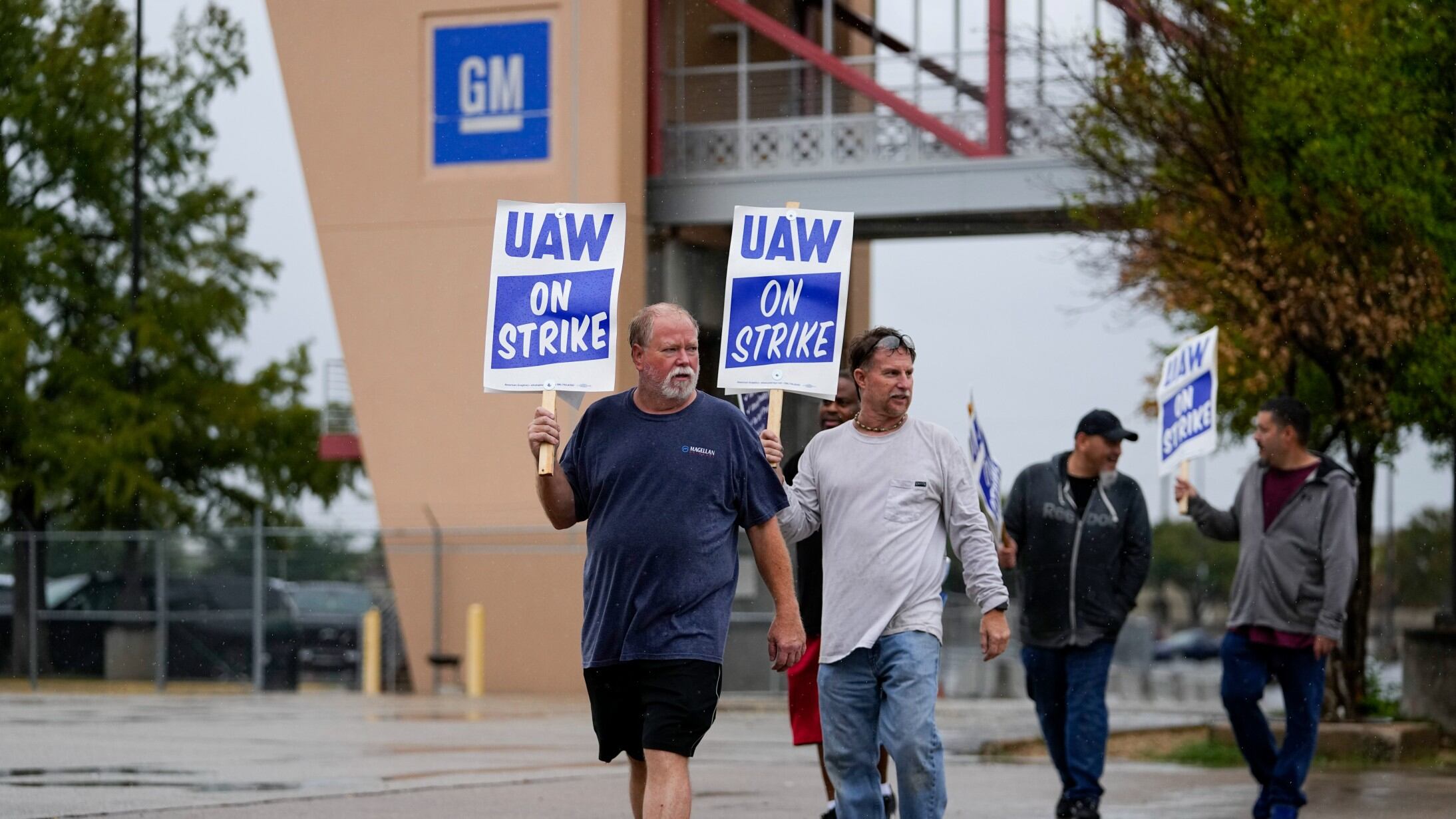
A $1 billion loss from a six-week strike did not crash GM's net income last year, which instead rose 12% — and the automaker expects improvement in 2024, too.
Accrue CEO and founder Michael Hershfield explains why Americans' credit card delinquencies are on the rise, advice on what can help, and the key difference between Boomers and Gen Z when it comes to money.
Senior Economist at Morning Consult Kayla Bruun shares thoughts on what to expect from the Fed's January meeting and where monetary policy is headed, as well as how consumers are faring.