Americans are on track to spend more online this holiday season than ever before. According to Adobe Insights, Americans spent $6.59 billion on Cyber Monday.
The increase in online traffice means cyber attackers are going to be even more active. So how can you protect your data and your wallet while scouring the web for deals?
Tech reporter Jared Lindzon shares some of the best ways to protect yourself this holiday season. Starting off, make sure you are changing your passwords regularly. He also adds that you shouldn't reuse passwords for different websites. A hacker's first instinct is to try a password they already know works on other sites.
Lindzon also gives a few examples of common online scams during the holidays. He highlights phishing scams as the most likely way a hacker will try and get your information.
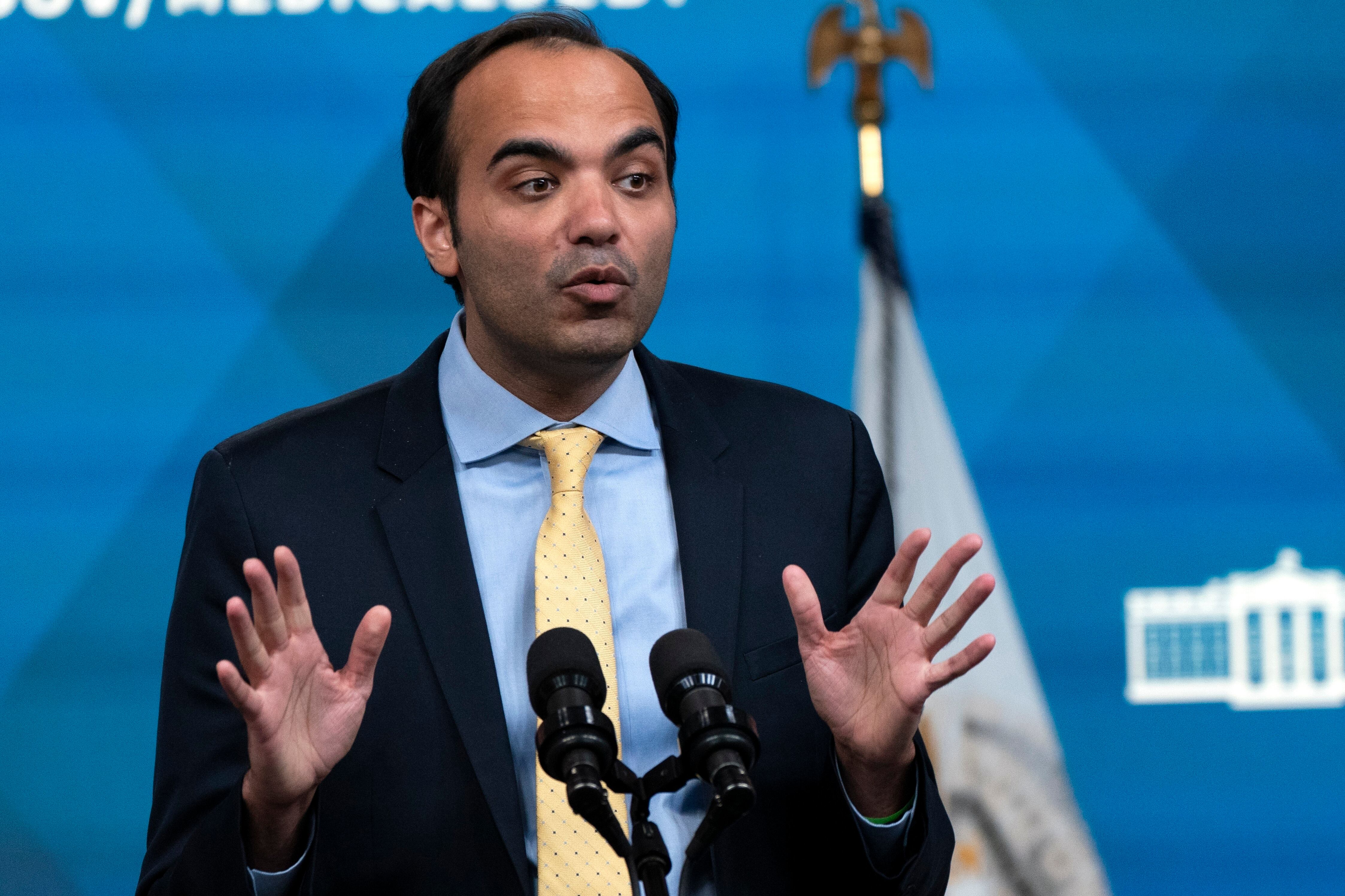
The Consumer Financial Protection Bureau says that buy now, pay later lenders are basically credit card providers and must provide the same protections.
PepsiCo's "Rolling Remembrance" American Flag Relay Puts Veteran Drivers at the Wheel to Raise Funds and Awareness for Children of Fallen Patriots Foundation
Fresh off the company’s IPO at the New York Stock Exchange Bowhead Specialty CEO Stephen Sills discusses what’s next and why some insurance rates are rising.
AAA predicts a surge in summer 2024 travel, with 44 million travelers, surpassing pre-pandemic levels. Expect more solo trips, AI use, and Taylor Swift.
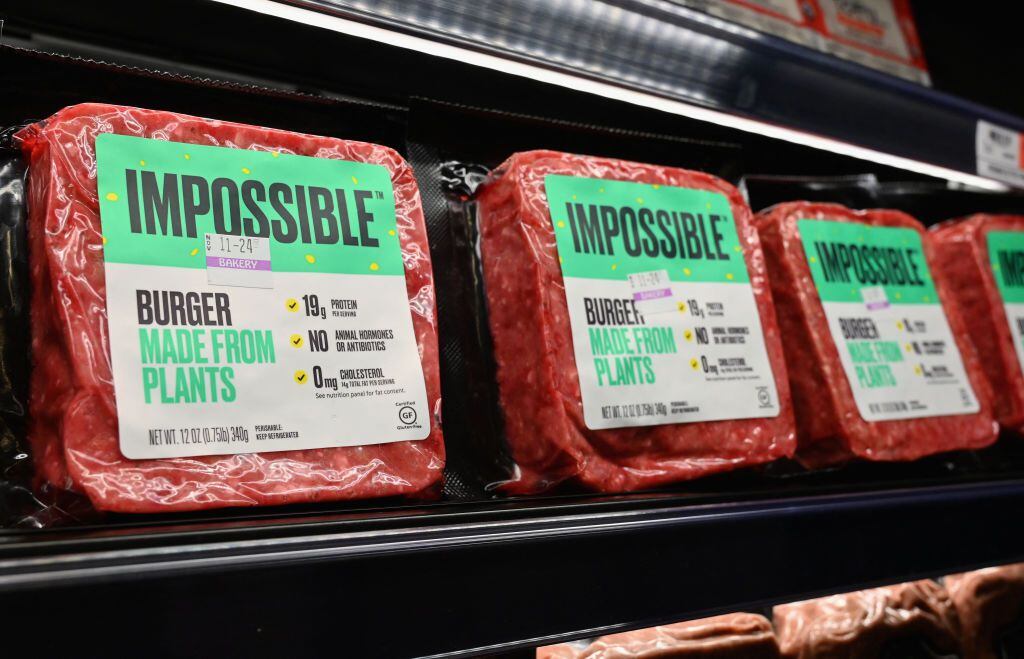
As Americans prepare for a long weekend of grilling, Impossible Foods wants to put aside the culture wars, win over meat eaters – and IPO when it's 'ready.'