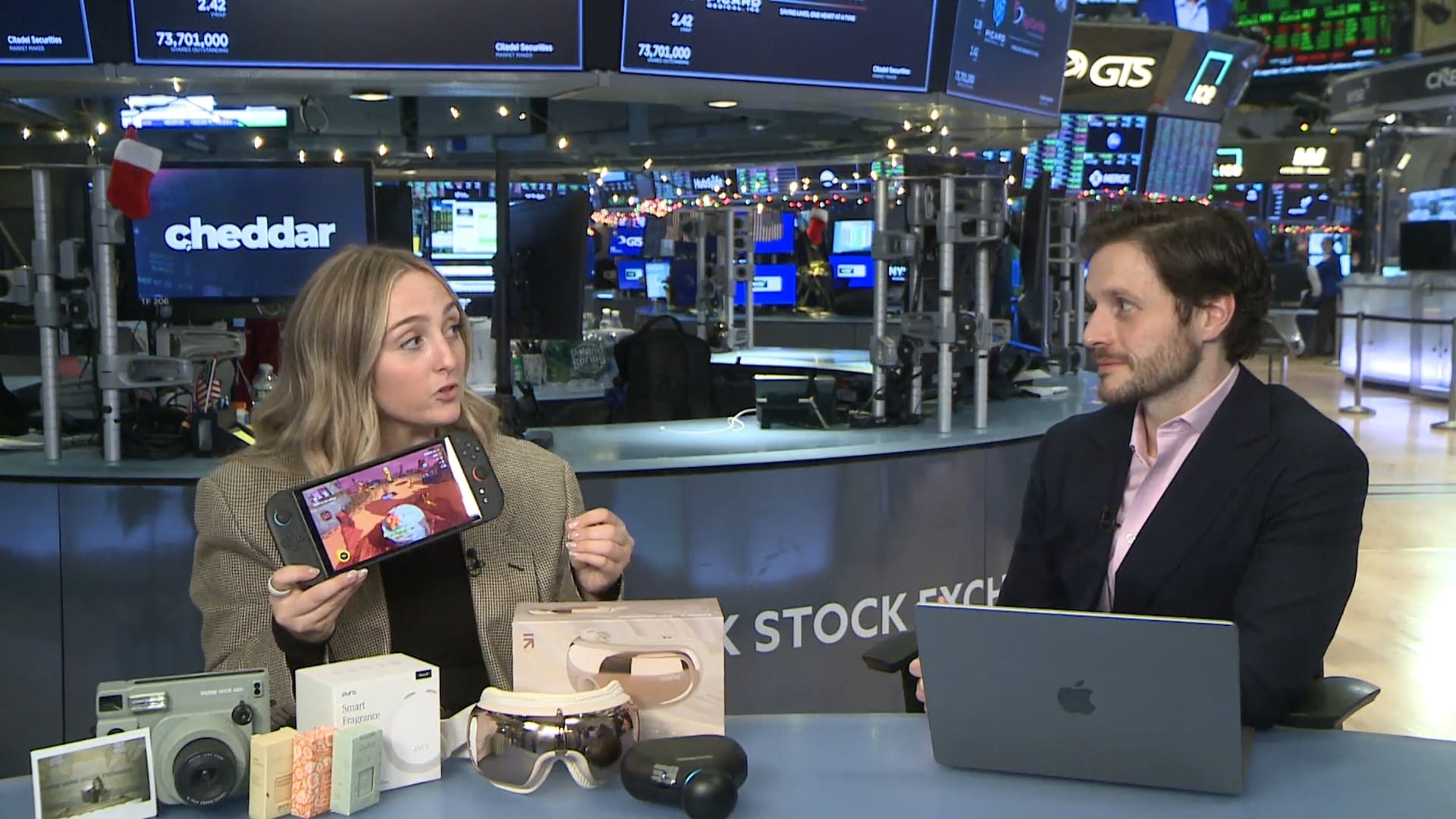
Americans are on track to spend more online this holiday season than ever before. According to Adobe Insights, Americans spent $6.59 billion on Cyber Monday.
The increase in online traffice means cyber attackers are going to be even more active. So how can you protect your data and your wallet while scouring the web for deals?
Tech reporter Jared Lindzon shares some of the best ways to protect yourself this holiday season. Starting off, make sure you are changing your passwords regularly. He also adds that you shouldn't reuse passwords for different websites. A hacker's first instinct is to try a password they already know works on other sites.
Lindzon also gives a few examples of common online scams during the holidays. He highlights phishing scams as the most likely way a hacker will try and get your information.
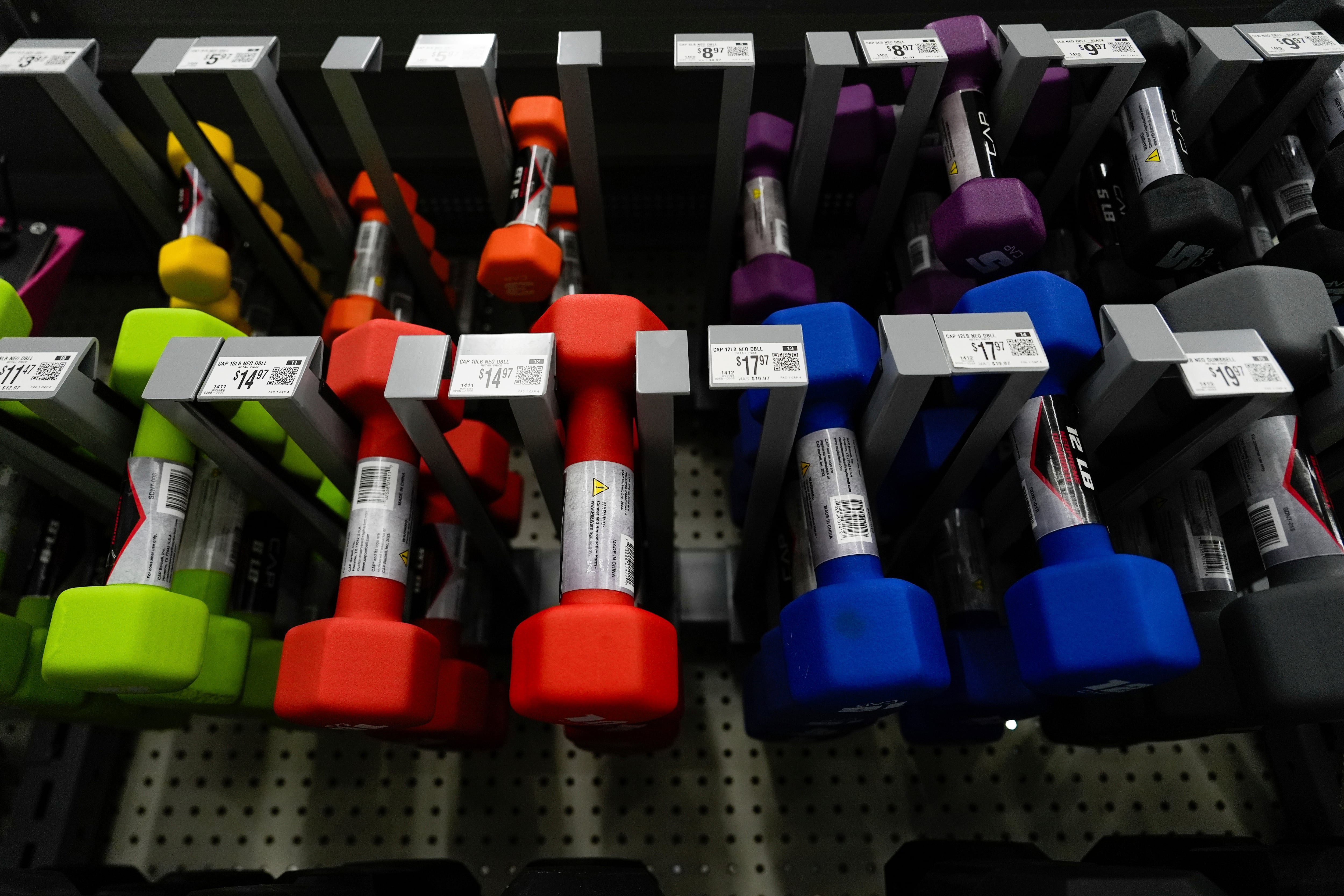
Walmart, which became the nation’s largest retailer by making low prices a priority, has found itself in a place it’s rarely been: Warning customers that prices will rise for goods ranging from bananas to car seats.
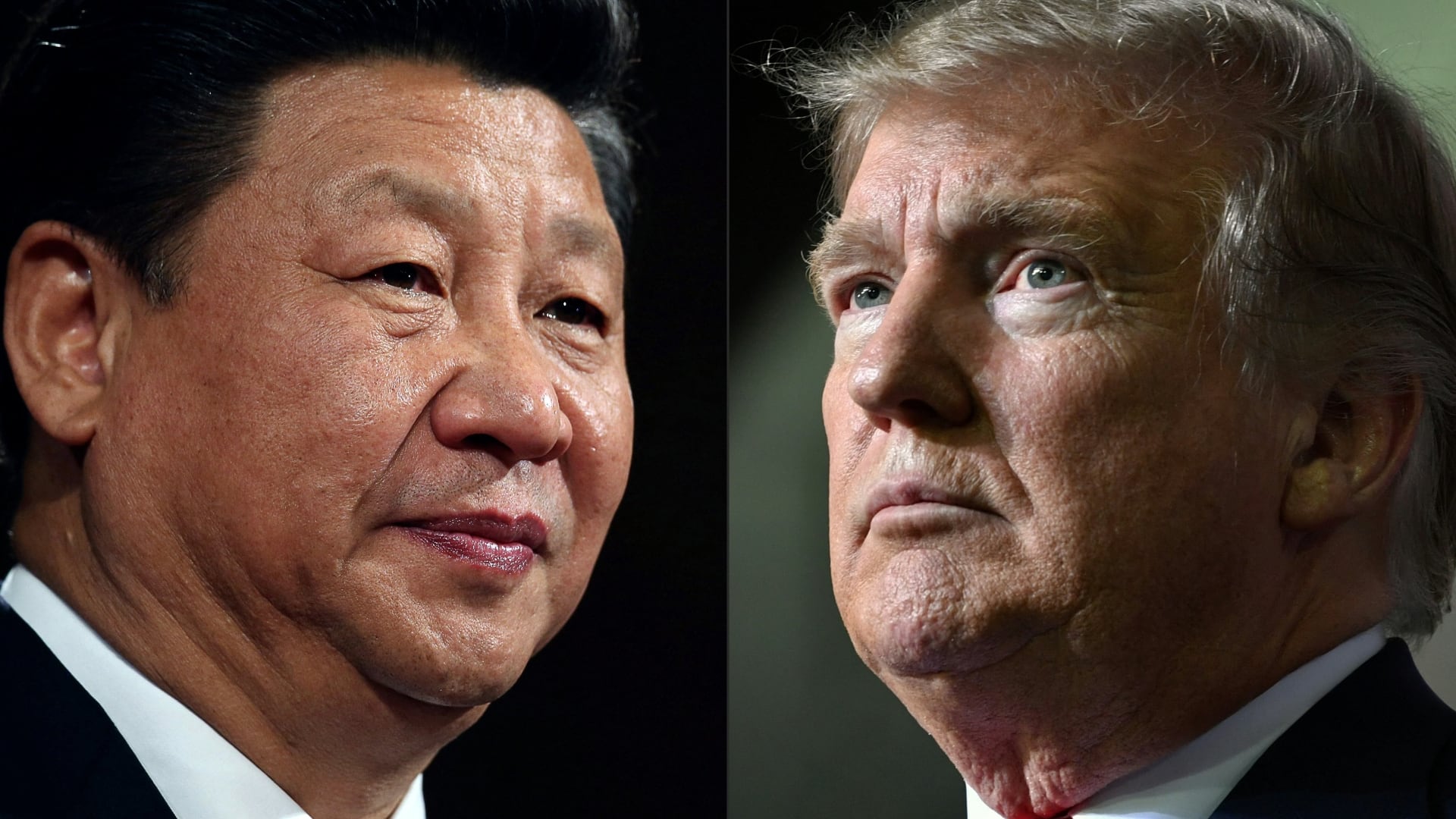
Chris Beauchamp, Chief Market Analyst at IG International, joins J.D. Durkin to give analysis on the recent trade truce between the U.S. and China. Watch!
Shan Aggarwal, VP of Corporate and Business Development at Coinbase, discusses the company's acquisitio of Deribit as it heads into the S&P 500. Watch!
American businesses that rely on Chinese goods are reacting with muted relief after the U.S. and China agreed to pause their exorbitant tariffs on each other’s products for 90 days. Many companies delayed or canceled orders after President Donald Trump last month put a 145% tariff on items made in China. Importers still face relatively high tariffs, however, as well as uncertainty over what will happen in the coming weeks and months. The temporary truce was announced as retailers and their suppliers are looking to finalize their plans and orders for the holiday shopping season. They’re concerned a mad scramble to get goods onto ships will lead to bottlenecks and increased shipping costs.
Shopping expert Trae Bodge discusses how talks between the U.S. and China is good news for now, but uncertainty remains for back-to-school and the holidays.
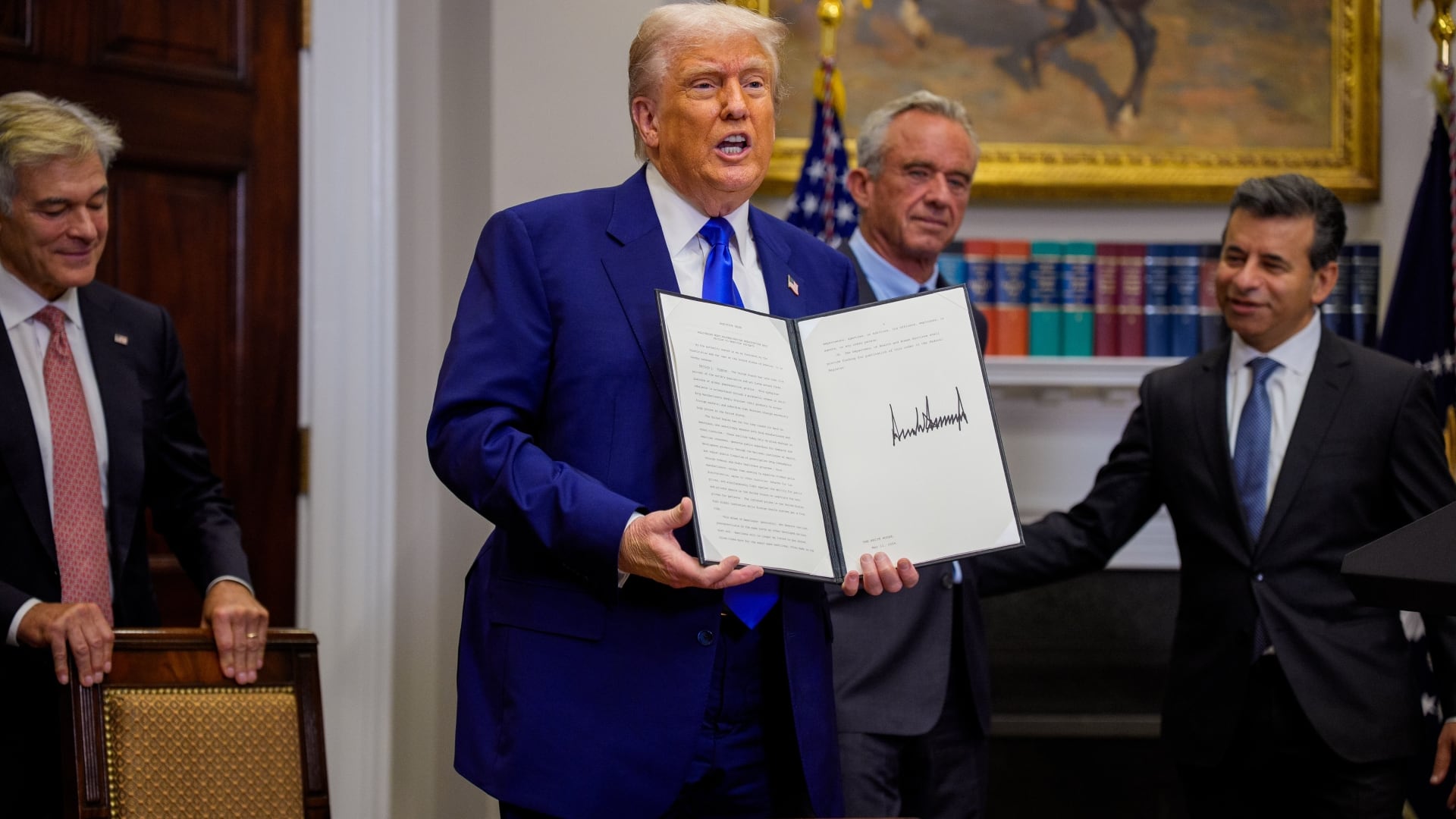
Jake Traylor, White House reporter at Politico, joins Cheddar to discuss how Trump is aiming to lower drug prices and how it differs from Biden's approach.