Americans are on track to spend more online this holiday season than ever before. According to Adobe Insights, Americans spent $6.59 billion on Cyber Monday.
The increase in online traffice means cyber attackers are going to be even more active. So how can you protect your data and your wallet while scouring the web for deals?
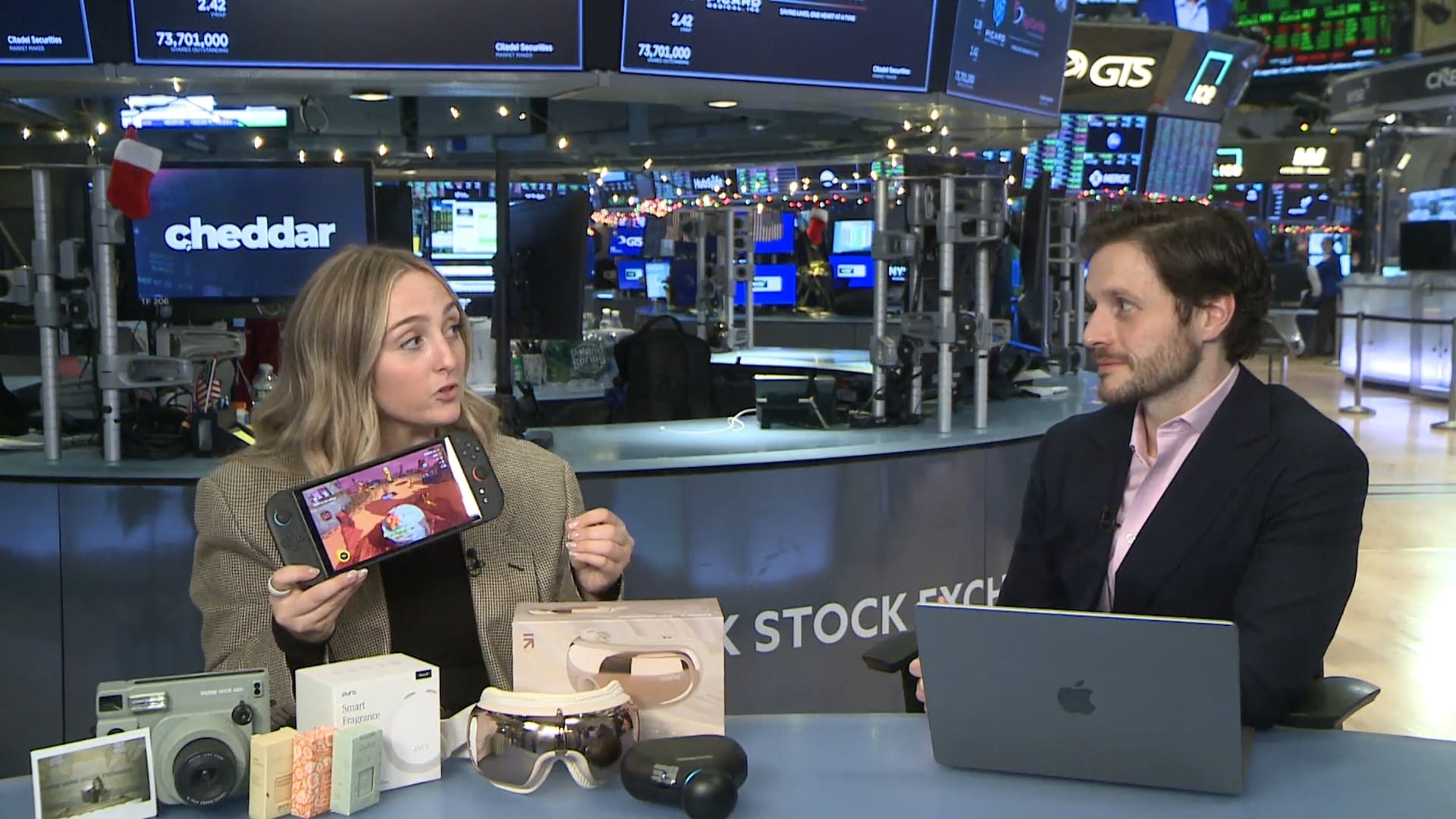
Tech reporter Jared Lindzon shares some of the best ways to protect yourself this holiday season. Starting off, make sure you are changing your passwords regularly. He also adds that you shouldn't reuse passwords for different websites. A hacker's first instinct is to try a password they already know works on other sites.
Lindzon also gives a few examples of common online scams during the holidays. He highlights phishing scams as the most likely way a hacker will try and get your information.
Almost four dozen Venezuelan workers who had temporary protected status have been put on leave by Disney after the U.S. Supreme Court allowed the Trump administration to strip them of legal protections.
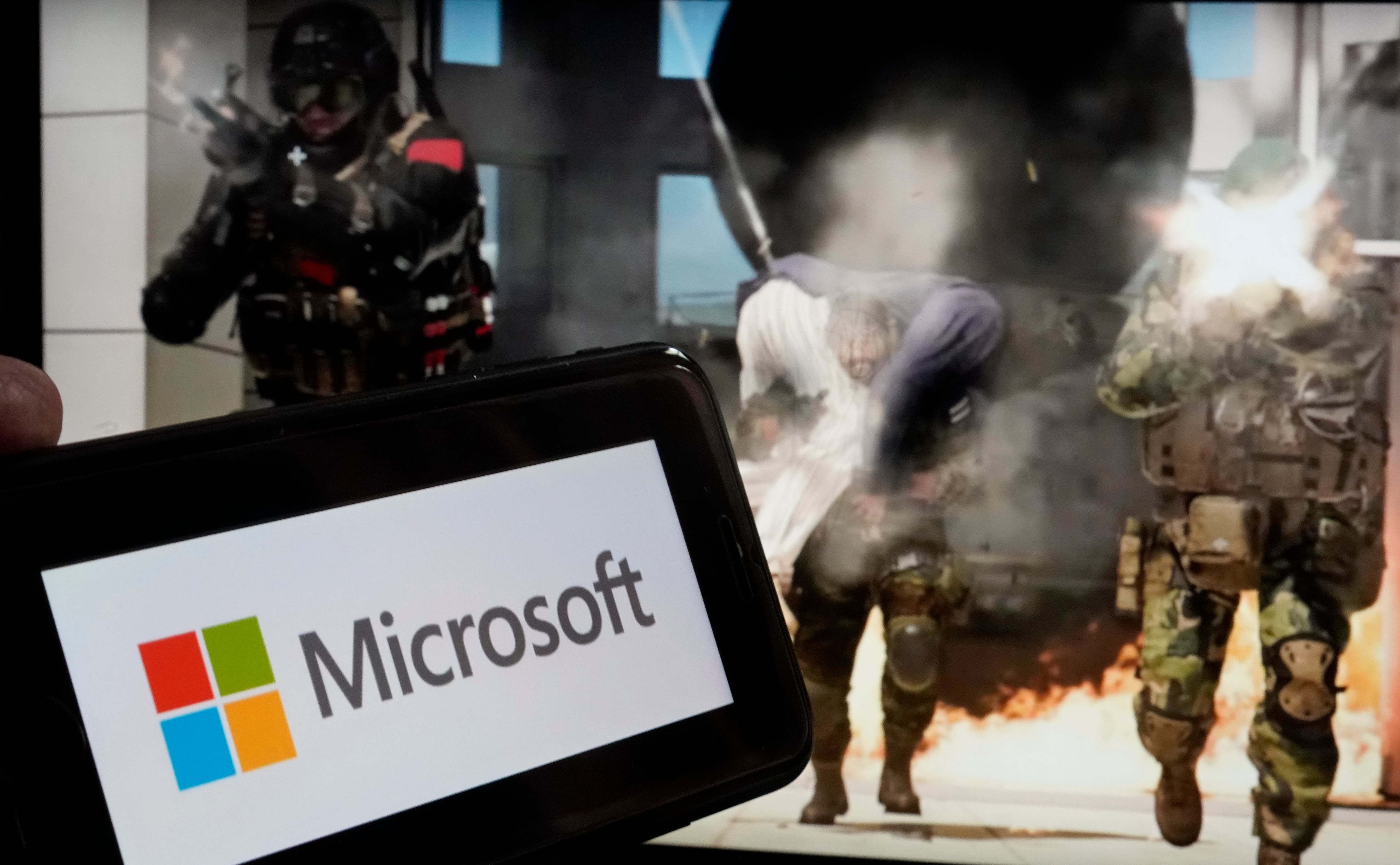
The Republican-controlled Federal Trade Commission is abandoning a Biden-era effort to block Microsoft’s purchase of “Call of Duty” video game maker Activision Blizzard.
The Justice Department has reached a deal with Boeing that will allow the company to avoid criminal prosecution for allegedly misleading U.S. regulators about the 737 Max jetliner before two of the planes crashed and killed 346 people.
After a bumpy ride, the ride-hailing app is back in the good graces of investors. Plus: OpenAI, Google, Apple, Target, Moody's, Paramount, and Golden Dome.
Smoke that filled the cabin of a Delta flight as it took off from the Atlanta airport in February was so thick the led flight attendant had trouble seeing past the first row of passengers and the pilots donned oxygen masks as a precaution.