Americans are on track to spend more online this holiday season than ever before. According to Adobe Insights, Americans spent $6.59 billion on Cyber Monday.
The increase in online traffice means cyber attackers are going to be even more active. So how can you protect your data and your wallet while scouring the web for deals?
Tech reporter Jared Lindzon shares some of the best ways to protect yourself this holiday season. Starting off, make sure you are changing your passwords regularly. He also adds that you shouldn't reuse passwords for different websites. A hacker's first instinct is to try a password they already know works on other sites.
Lindzon also gives a few examples of common online scams during the holidays. He highlights phishing scams as the most likely way a hacker will try and get your information.
Dunkin said it's removing coconut milk from the menu.
Power Brands is recalling two of its air fryer models following reports of burns.
With only a few days until Christmas, people are still scrambling to buy gifts for friends and family. Claudia Lombana, consumer and shopping expert, joined Cheddar News to provide tips on how to budget for those gifts.
With the New Year around the corner, it's time to start thinking about resolutions. Many folks begin to think about saving money or cutting down on bills. Caleb Silver, editor-in-chief of Investopedia, joined Cheddar News to provide some tips on tracking debt and staying organized.
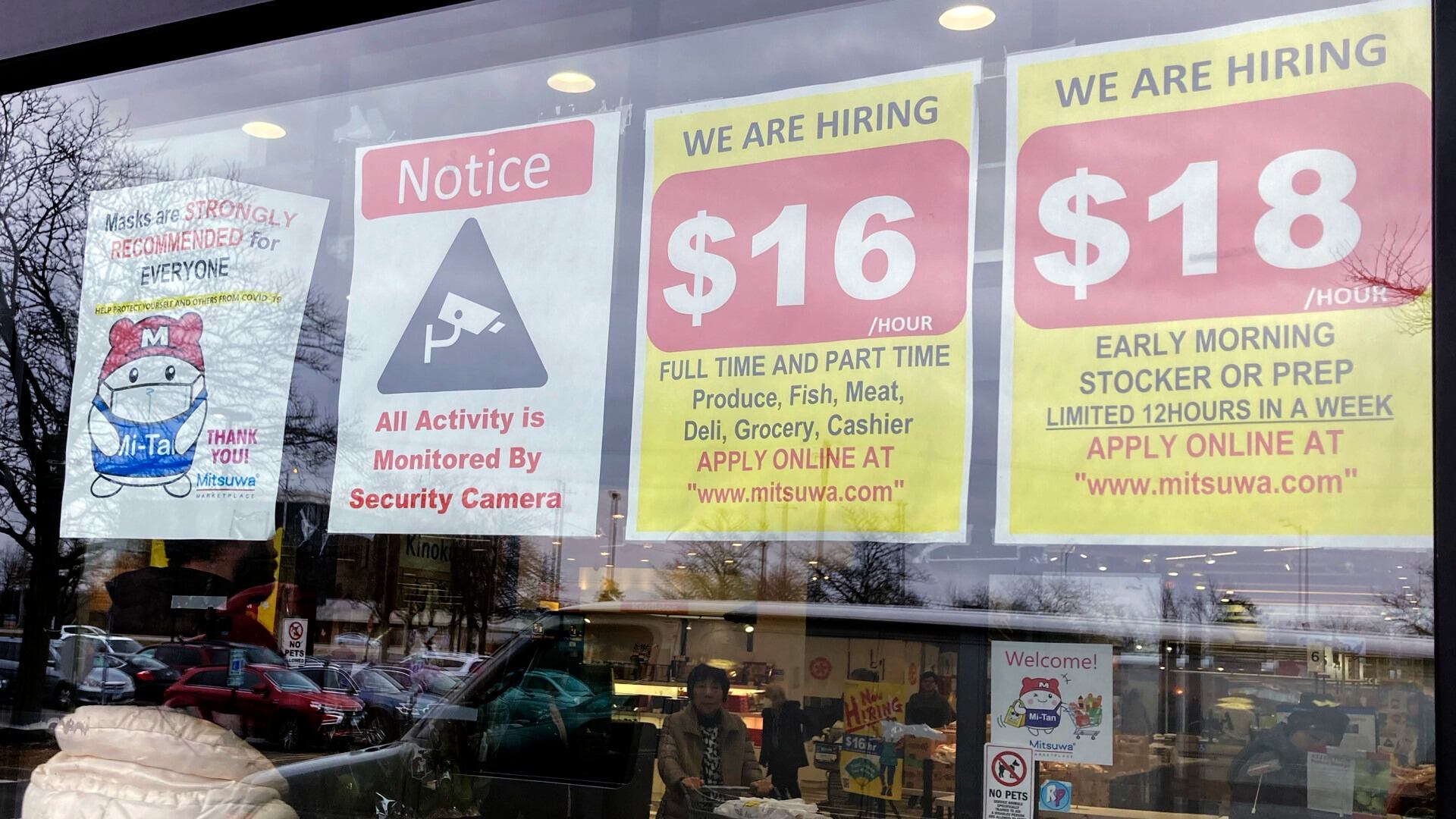
Half of U.S. states are raising their minimum wage next year.
Sony's PlayStation 5 console has now passed 50 million units sold.
FedEx decreased its full-year revenue forecast after reporting lower-than-expected quarterly profits in its latest results.
Cora is among dozens of young kids across the U.S. poisoned by lead linked to tainted pouches of the cinnamon-and-fruit puree
The IRS said Tuesday it is going to waive penalty fees for people who failed to pay back taxes that total less than $100,000 per year for tax years 2020 and 2021.
Rite Aid has been banned from using facial recognition technology for five years over allegations that a surveillance system it used incorrectly identified potential shoplifters, especially Black, Latino, Asian or female shoppers.