Americans are on track to spend more online this holiday season than ever before. According to Adobe Insights, Americans spent $6.59 billion on Cyber Monday.
The increase in online traffice means cyber attackers are going to be even more active. So how can you protect your data and your wallet while scouring the web for deals?
Tech reporter Jared Lindzon shares some of the best ways to protect yourself this holiday season. Starting off, make sure you are changing your passwords regularly. He also adds that you shouldn't reuse passwords for different websites. A hacker's first instinct is to try a password they already know works on other sites.
Lindzon also gives a few examples of common online scams during the holidays. He highlights phishing scams as the most likely way a hacker will try and get your information.
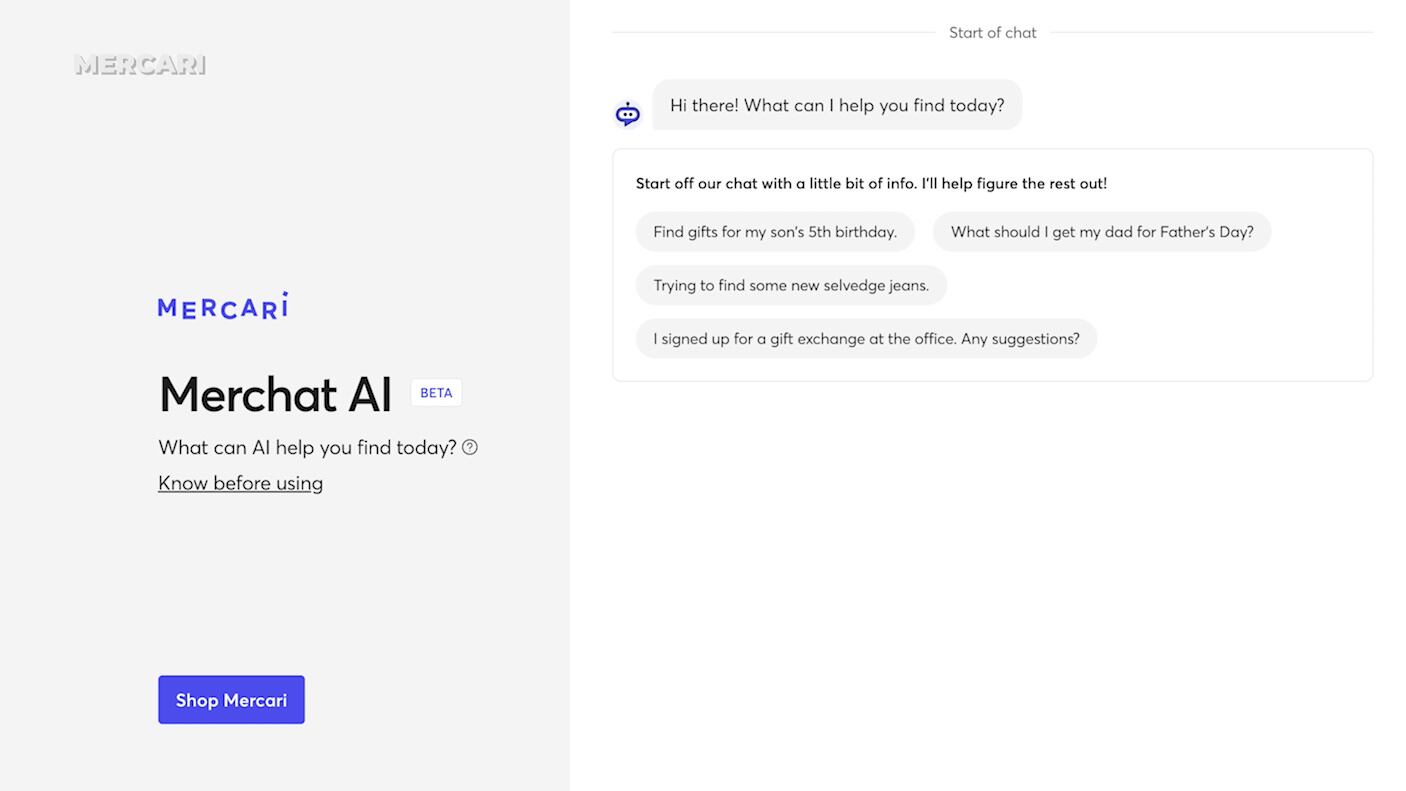
Resale platforms do big business – and Mercari just became the first in the U.S. to eliminate all fees for sellers and completely changed how returns work on its platform.
e.l.f.’s affordable price point and makeup and skincare options made it a social media darling – and the company’s CEO says the company even gets product ideas from its audience.
Nearly 40% of Americans choose travel over financial stability, funding trips on credit and sacrificing other budget line items to take a vacation — because live fast or die trying.
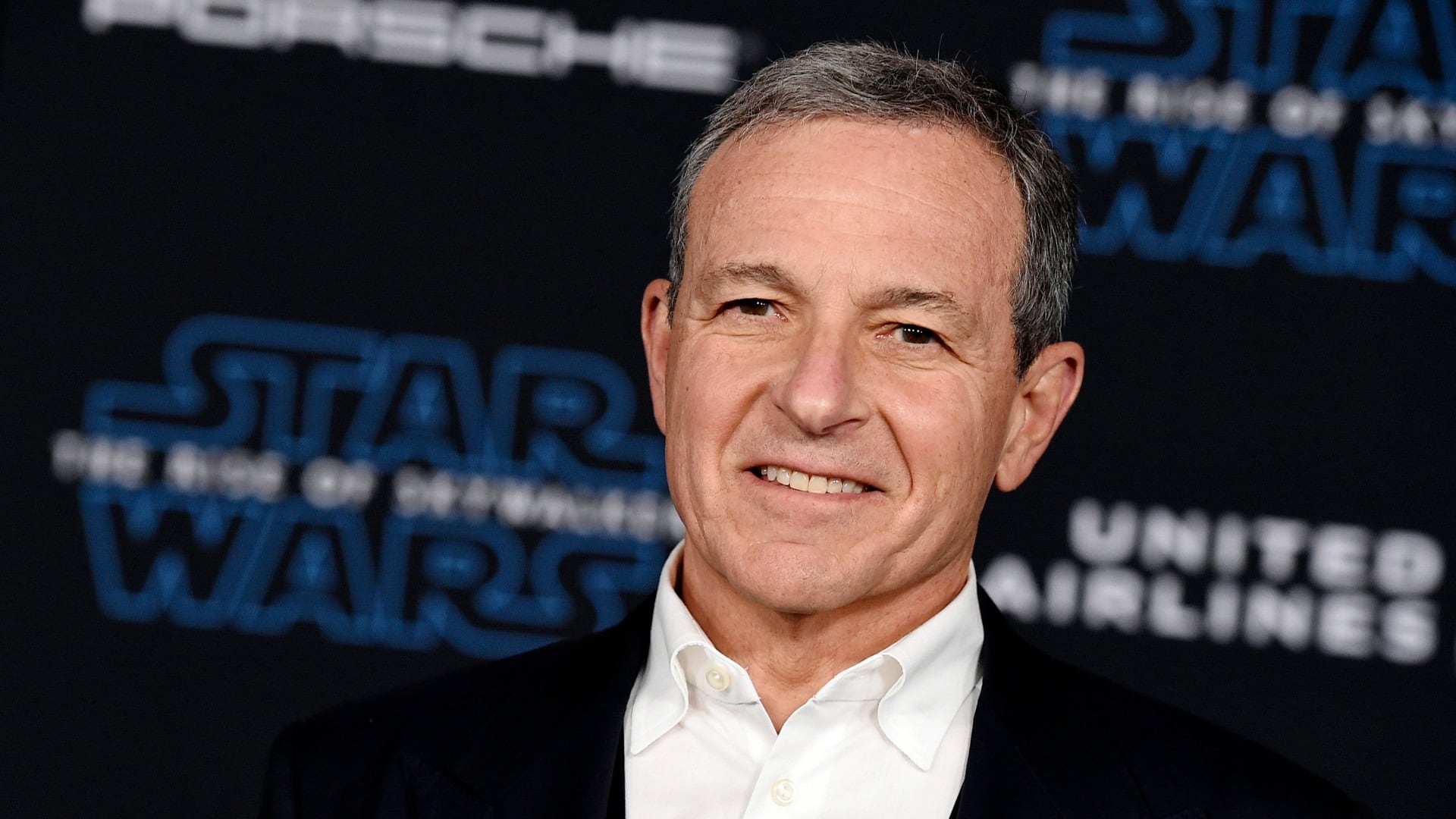
Disney shareholders have rallied behind longtime CEO Robert Iger. They voted Wednesday to rebuff activist investor Nelson Peltz and his ally, former Disney chief financial officer Jay Rasulo.
Student loan borrowers have the ability to earn retirement funds pegged to their payments – and the company Summer might be bringing it to your workplace.
It might not be what investors want to hear… but bringing down inflation could mean interest rates stay higher for (even) longer. But it's not all downside.