How Babbel's Banking on Breaking Through the U.S. Market
Markus Witte, CEO of Babbel, joined Cheddar to discuss the growing popularity of learning languages through technology. He said that the desire to learn a new language has increased dramatically over the past decade and points out that people can now get their classes on-the-go.
But what makes Babbel different from similar offerings to those of Rosetta Stone or DuoLingo? Witte argued that his company provides courses tailored to users' native languages. The platform's audio examples and dialogues are recorded by real native speakers, instead of automated computers, empowering users to speak correctly and confidently from day one.
In that same vein, Babbel focuses on teaching its users conversational language, encouraging fluency sooner. Witte noted, unsurprisingly, that members are most eager to learn Spanish and English.
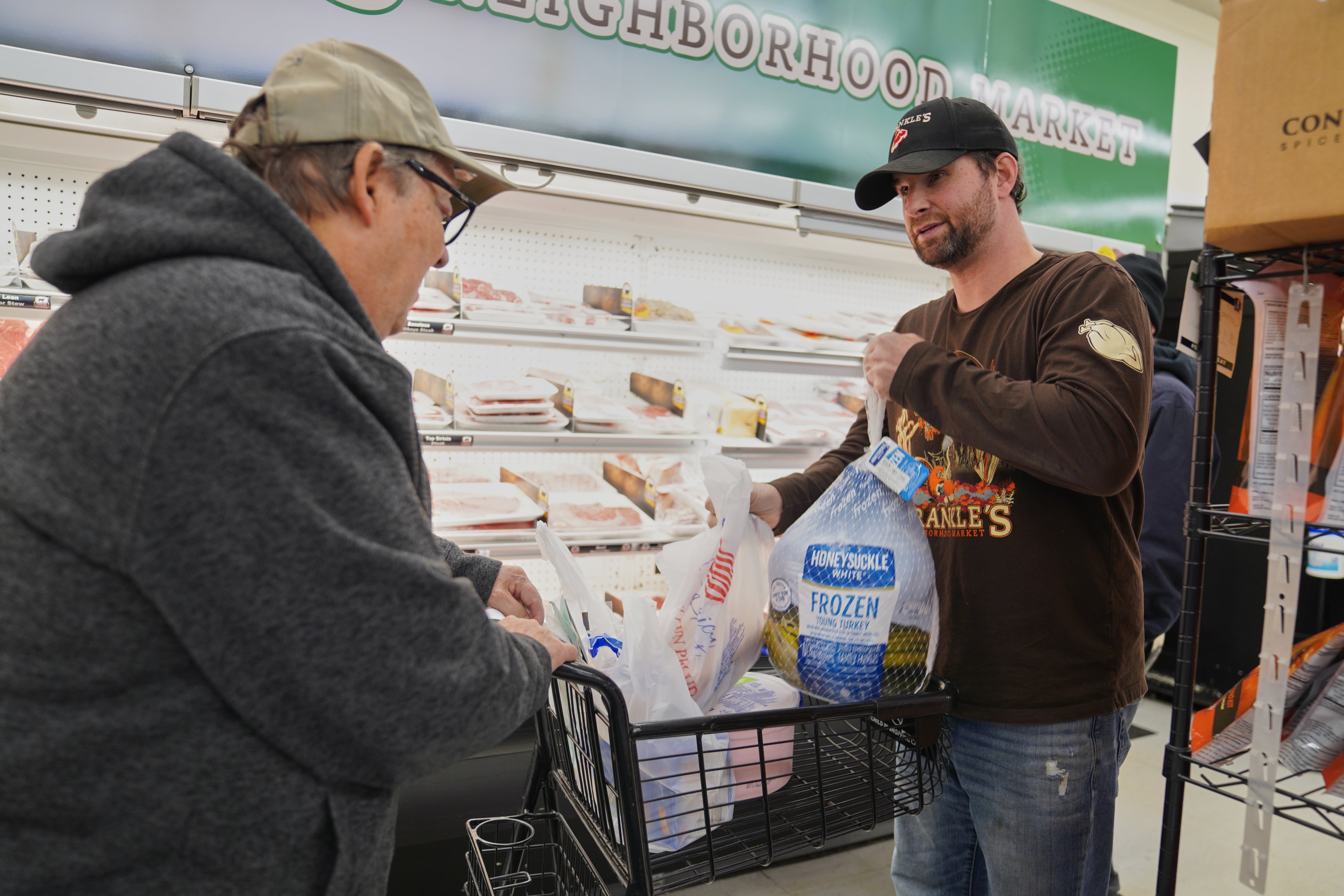
Some small grocery stores and neighborhood convenience stores are eager for the U.S. government shutdown to end and for their customers to start receiving federal food aid again. Late last month, the Trump administration froze funding for the SNAP benefits that about 42 million Americans use to buy groceries. The U.S. Department of Agriculture says about 74% of the assistance was spent last year at superstores like Walmart and supermarkets like Kroger. Around 14% went to smaller stores that are more accessible to SNAP beneficiaries. A former director of the United Nations World Food Program says SNAP is not only a social safety net for families but a local economic engine that supports neighborhood businesses.
Andy Baehr, Head of Product at CoinDesk Indices, breaks down crypto’s Black Friday crash, Bitcoin dipping under $100K, and what’s driving the market rout.
Billionaire Warren Buffett warned shareholders Monday that many companies will fare better than his Berkshire Hathaway in the decades ahead as Father Time catches up
Chris Marquette of POLITICO breaks down how the FAA is cutting flights and facing a critical shortage of air‑traffic controllers amid the government shutdown.
Dr. Manuele Aufiero, CEO & Co‑Founder of Sizable En a groundbreaking undersea energy‑storage technology powering the global shift to clean, scalable power.
Paul Fipps, President of Global Customer Operations at ServiceNow, breaks down the company’s earnings beat, 5‑for‑1 stock split and booming enterprise AI demand