A hovercraft traveling from Cape Cod to Nova Scotia became a beachside attraction when it was deliberately run aground after suffering a 3-foot tear in its skirt.
The private owner of the retired Canadian Coast Guard vessel told officials that it was not safe to operate the damaged craft, so the decision was made to land on Hampton Beach on Saturday. No one was hurt.
The massive craft, an air-cushioned vessel powered by twin fan-like propellers, was a curiosity for passersby as it rested on the beach on a rainy afternoon.
Because of the bad weather, few people were on the beach, which is usually swarmed by sunbathers during better weather, when the vessel came aground, said Hampton Police Chief Alex Reno. The craft landed near some piping plover nests, but the endangered seabirds were not disturbed by the activity, he said.
By Sunday morning, the vessel had been repaired, and the vessel departed for Portland, Maine. From there, it was to continue to Nova Scotia, Canada.
Deep Fission CEO Liz Muller discusses underground nuclear reactors, powering AI, cutting energy costs, and why the future of clean power may be below ground.
Quantum computing is moving from science fiction to national strategy. Infleqtion CEO Matt Kinsella explains Trump's new executive order and what it means.
Foundation Robotics co-founder Michael LeBlanc explains how humanoid robots are moving from the lab to military and industrial missions and what comes next.
Jeff Burnstein, President of the Association for Advancing Automation (A3), discusses humanoid robots, AI, smart manufacturing, and the future of U.S. industry.
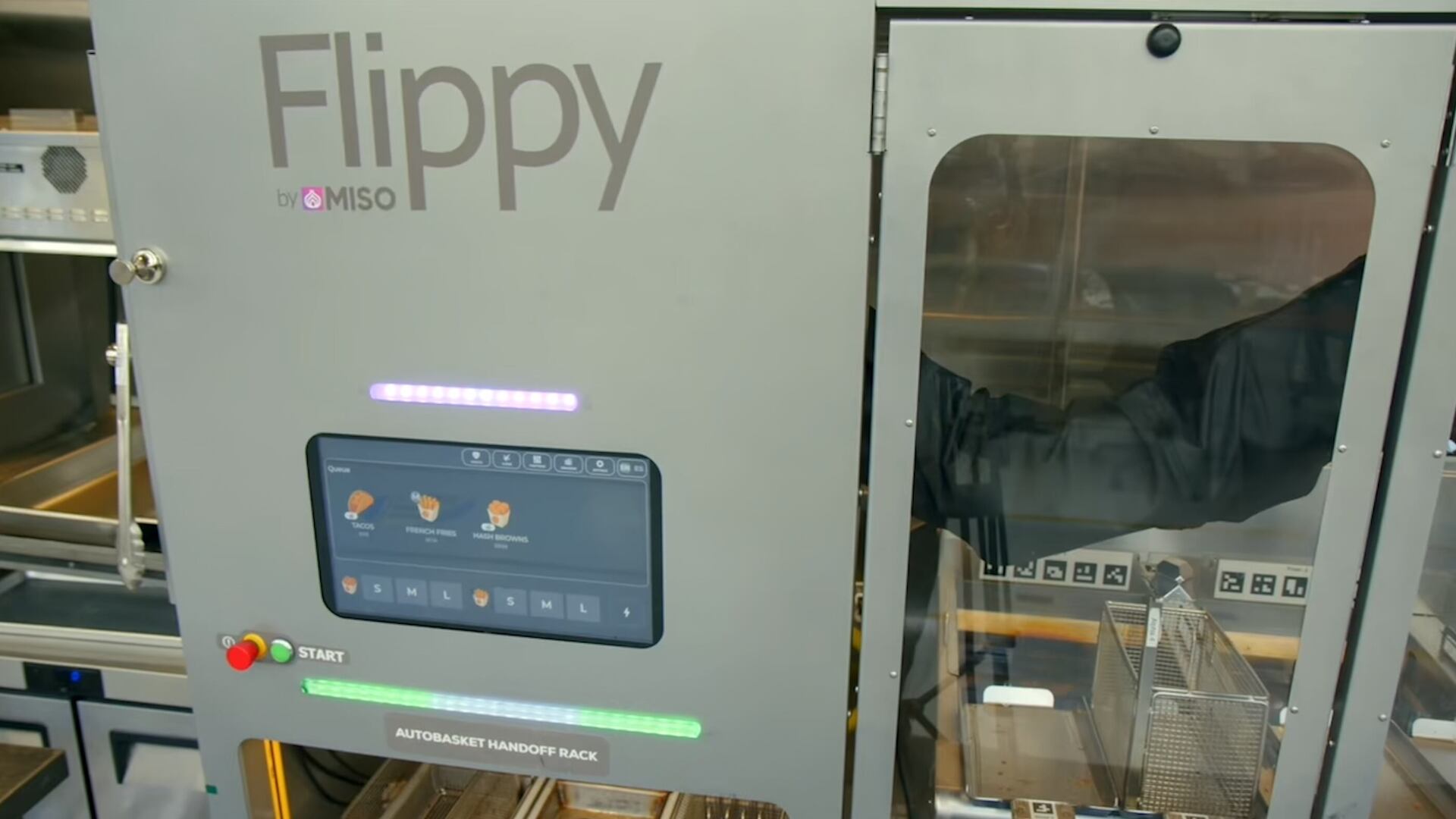
Miso Robotics CEO Rich Hull discusses Flippy Fry Station, the future of AI-powered restaurant automation and how acquiring Zume's IP could reshape food robotics
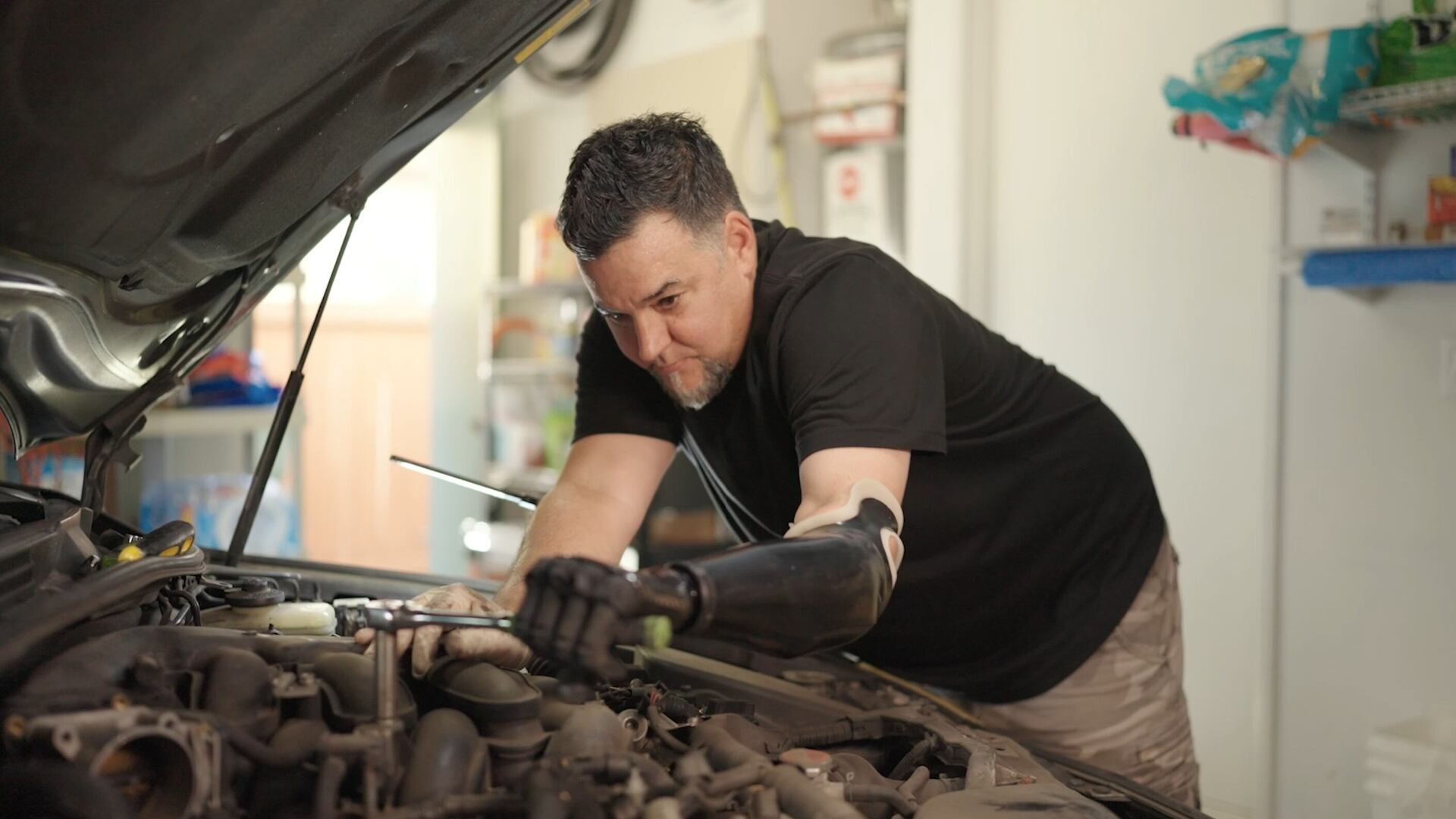
PSYONIC CEO Dr. Aadeel Akhtar explains how the company's Ability Hand restores sensation for amputees while helping train smarter, more capable AI robots.