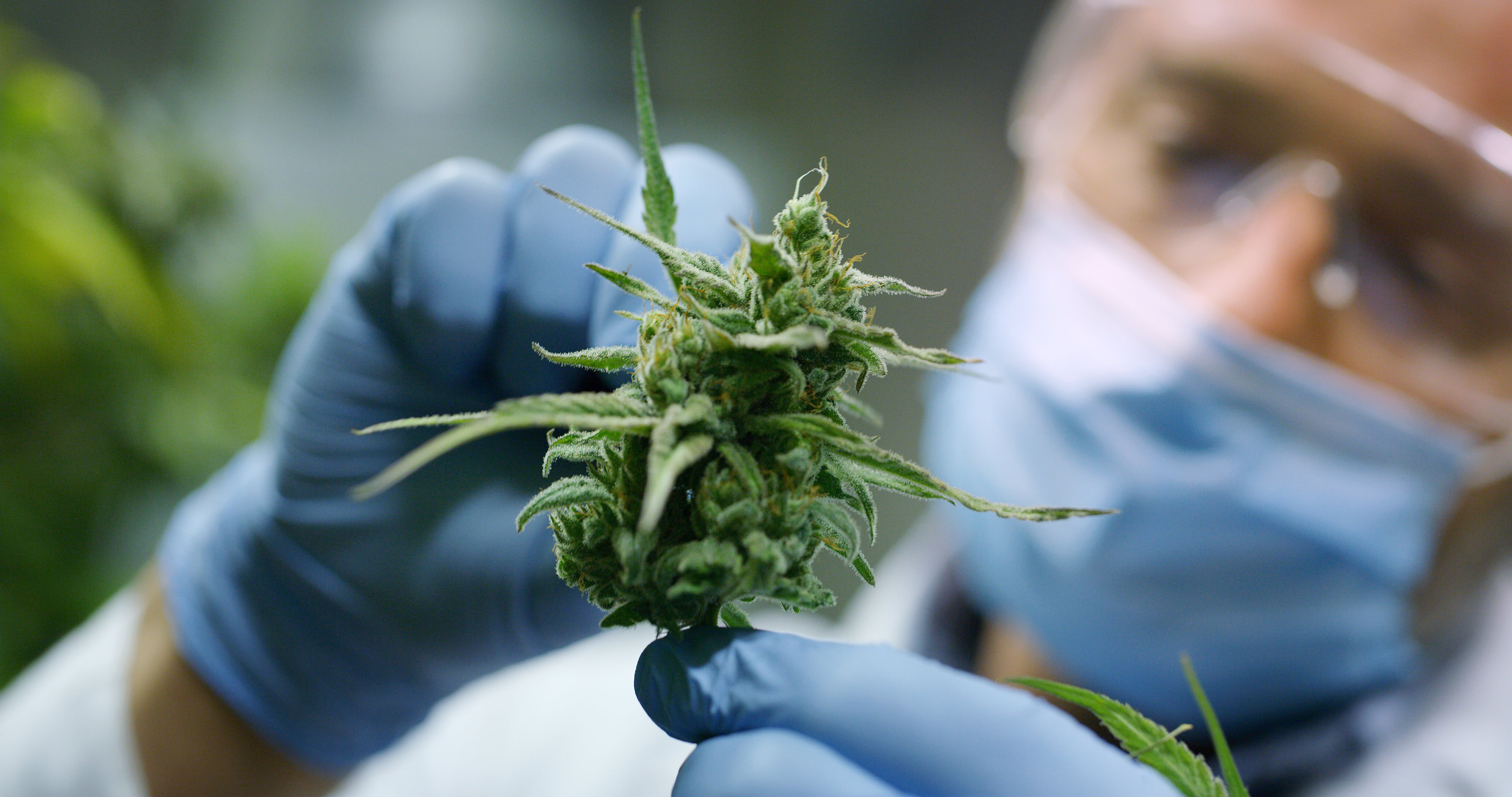
Cannabis, hemp, reefer, marijuana, dope, pot, grass ー no matter what term you choose, they all refer to the same plant: cannabis sativa.
It’s a common misconception that cannabis sativa exclusively means that particular strain of weed that is said to make users creative and focused (as opposed to indica, which is thought to promotes relaxation)ー but it’s actually the scientific name of the single plant that yields marijuana, CBD, and hemp, among other products.
I know what you’re thinking: the ganja that gets Snoop Dogg high enough to write basically all of “Doggystyle” is the same plant celebs are rubbing on their feet, and Martha Stewart plans to put in her pet products?
Simply put, yes. But it’s more complicated than that.
The difference between “industrial hemp,” which, following passage of the 2018 Farm Bill, is legal in the U.S., and what we think of as “marijuana,” which is still regulated on the federal level as intensely as cocaine, is the concentration of cannabinoids, as well as methods of cultivation, among other distinctions.
There are as many as 85 different cannabinoids in the cannabis sativa plant, as well as a host of other compounds, like terpenes, which give marijuana that unique musk. But the ones we hear most often about are CBD or cannabidiol, and THC or tetrahydrocannabinol. It’s principally the level of THC in a plant that determines whether or not it is “hemp.”
Hemp contains 0.3 percent or less of the psychoactive component, THC ー per regulations. As for marijuana, some strands can have upwards of 25 percent THC, according to the Ministry of Hemp, and there are many strains known for their specific CBD to THC ratio. Cannatonic, for example, is touted for its “relaxed,” “happy” high and has comparatively low concentrations of THC to CBD, according to Leafly.
That brings us to CBD, the other well known cannabinoid, and a major buzzword in today’s hemp and cannabis industry.
CBD oils, gel caps, tinctures, and others, are typically either isolates, or full spectrum. In CBD isolates, the CBD cannabinoid has been isolated from the others to maximize effect, according to the Ministry of Hemp. A full spectrum hemp or CBD product, on the other hand, is generally minimally processed and does not attempt to separate CBD from other plant components. It’s more often with these products that you hear about the “entourage effect” which describes the feeling when different cannabinoids interact with different terpenes and your brain.
All the knowledge in the world, however, can’t always prepare you for the wild west phase of a nascent industry. Smart consumers should exercise caution. Research on the effects of hemp and CBD, like cannabis, is still lacking, and a dearth of regulation means consumers can’t always be sure what’s in the products they are buying.