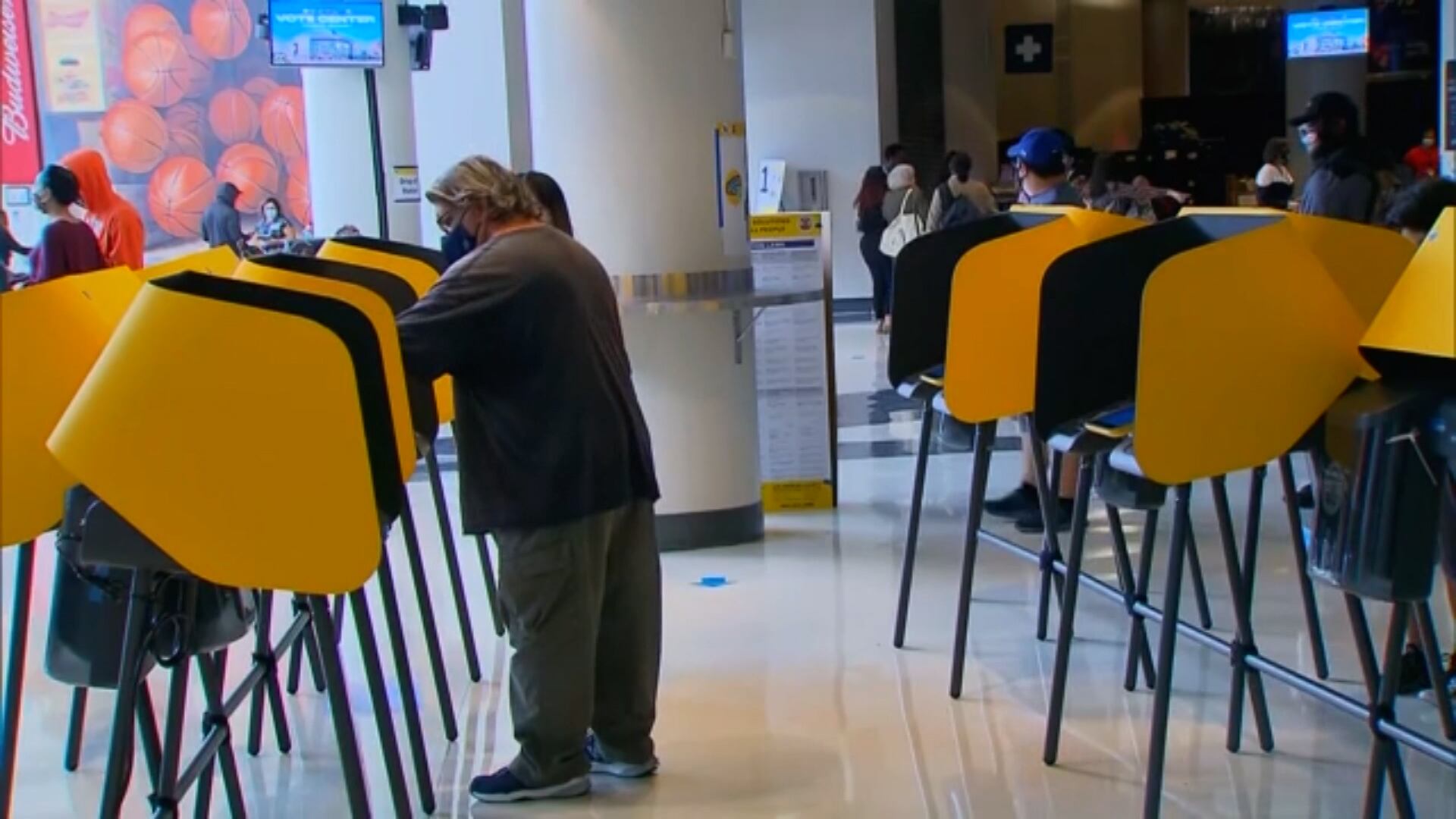
As the nation gears up for Election Day, there is looming concern over the growing federal deficit, which currently sits just over $3 trillion, mainly as a result of COVID-19 sweeping the country. But as it stands, whichever presidential candidate is declared winner, big government spending is likely to continue as the economy looks to climb its way out of the hole.
This year alone, the federal government has tabbed up nearly $4.9 trillion in spending and is on track to hit $6.6 trillion.
Trump vs. Biden Spending Plans
For President Donald Trump, a win in the election would likely mean a continuation of record spending under his administration. In the first two years of his term, Trump widened the federal deficit to 4.3 percent, largely due, in part, to tax cuts. Now, with coronavirus cases spiking nationwide and concerns over the second wave crashing on the U.S., the president has publicly pushed for an additional round of stimulus that would pump $1.8 trillion into the economy which would include another round of one-time payments of $1,200.
Biden, meanwhile, has outlined a plan that calls for $5 trillion in government spending over the next 10 years, making it the most expensive budget plan in recent history. In fact, the plan is more than twice the size of Hillary Clinton’s 2016 proposal.
While the deficit would balloon, the plan would provide local and state governments with more than $700 billion to boost job growth. The former VP also looks to pour funds into housing, clean energy, education, and tech.
What Does Big Government Spending Mean For You?
While the nation’s deficit reaches landmark levels, Americans might not feel the impact just yet. However, if the government is unable to pay its debt, the value of the American dollar could drop significantly, essentially triggering inflation. Everyday shopping necessities like gas and groceries could see a jump in prices.
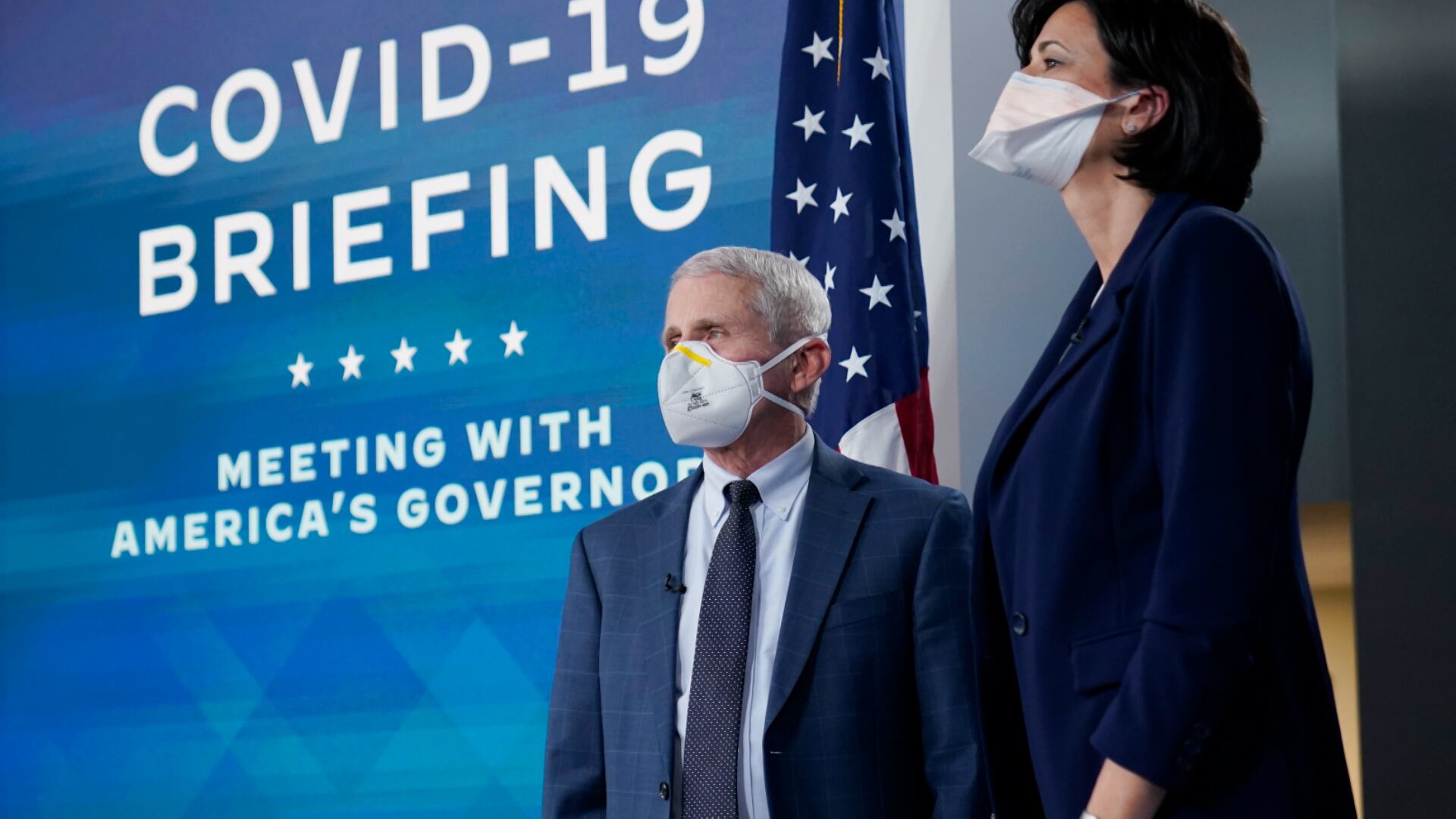
If a vaccine to combat COVID-19 becomes widely-distributed, big government spending would likely reverse from its current rate since much of it is linked to aiding struggling industries amid the pandemic.
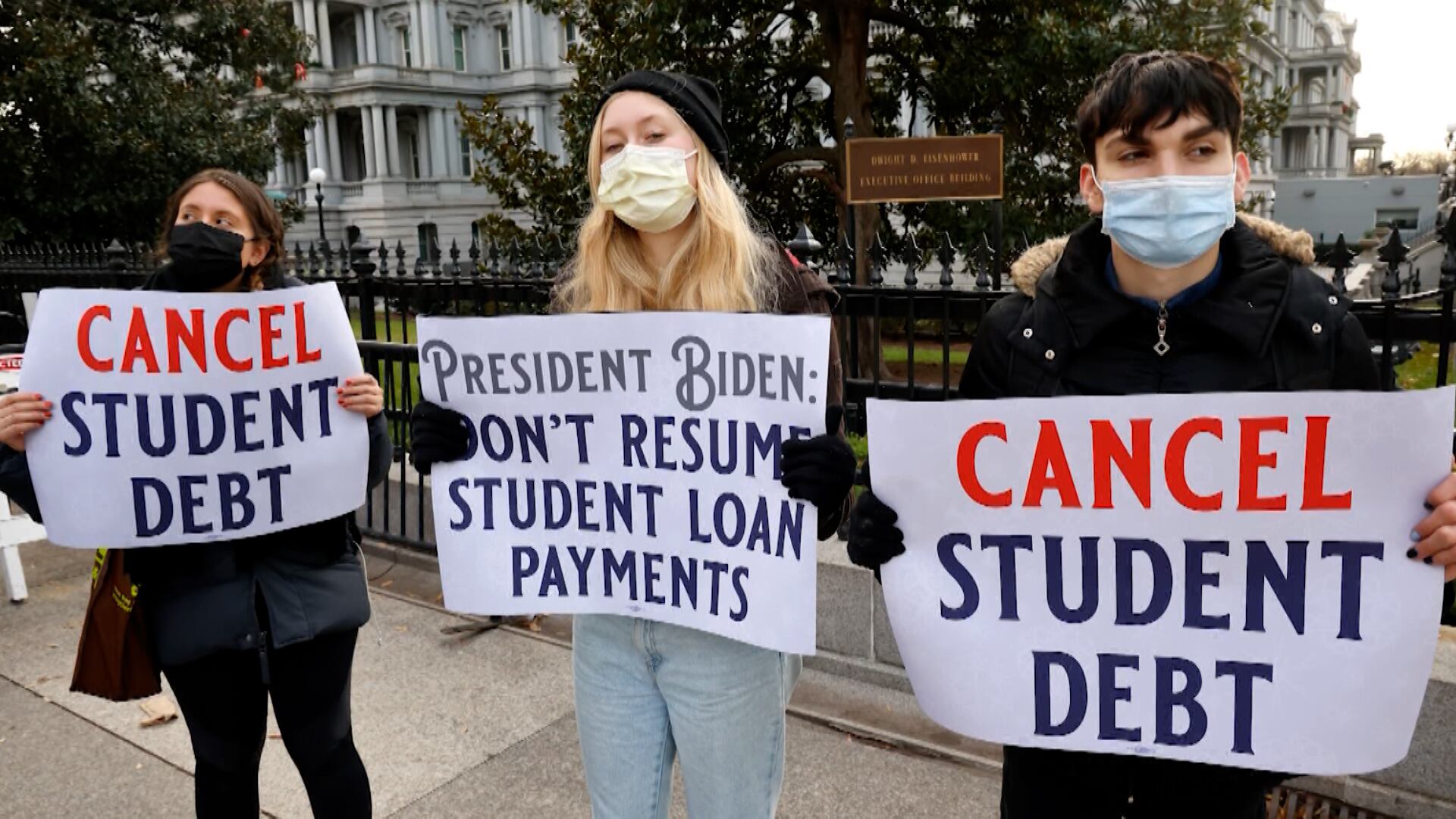
Student loan collection company Navient agreed to cancel $1.7 billion in debt and paid more than $140 million in other penalties to settle a lawsuit over abusive lending practices. Josh Shapiro, the attorney general of Pennsylvania who led negotiations in the settlement, joined Cheddar to go over the details of the company's predatory lending. "What Navient would do is charge [borrowers] these exorbitantly high rates, even though they knew people couldn't pay them or they would likely default on them," he explained.
The January 6 committee has subpoenaed four tech giants for more information on what they did and didn't do leading up to last year's deadly Capitol insurrection. Google, Facebook, Twitter, and Reddit were asked to assist the investigation in August, but the committee says their responses have been 'inadequate.' Craig Timberg, a national technology reporter at the Washington Post, joins Cheddar News' Closing Bell for more details about the subpoenas, why this is happening now, and how it might impact social media companies moving forward.
With the Australian Open set to begin on Monday, Novak Djokovic is once again being threatened with deportation from Australia after his visa was briefly reinstated and revoked again over alleged discrepancies. Djokovic’s team will sit for an Immigration hearing on Saturday.
Makena Kelly, politics reporter at The Verge, joins Cheddar News to discuss what's next for net neutrality as Biden's other nominee for the FCC, Gigi Sohn, awaits votes from the committee and Senate.
Jewell Jackson McCabe, chair of the Keep Love Alive Campaign and founder of the National Coalition of 100 Black Women, and Marvin Owens, chief engagement officer of Impact Shares and former senior director of Economic Development at the NAACP, join Cheddar News to reflect on racial issues still prevalent in America.
Hagar Chemali, Host of 'Oh My World' on Youtube and Former Spokesperson for the U.S. mission to the UN, joined Wake Up With Cheddar to share her expert insight into what the future of diplomacy could look like as the Russia-Ukraine crisis deepens.
Markets opened higher on the first trading day of the new year as investors continue to watch inflation and the rapid spread of the omicron variant in the U.S. Frances Newton Stacy, Optimal Capital Dir. of Strategy/Market Analyst joined Cheddar's Opening Bell to discuss.
Markets opened lower this morning as investors rounded out a wild 2021. Jay Hatfield, CEO Infrastructure Capital Advisors, joined Cheddar's Opening Bell to discuss which sectors and industries to watch in the new year.
Markets opened higher as investors react to positive data on the labor front, with weekly jobless claims falling to 198,000 for the week ending December 25. Ross Mayfield, investment strategy analyst at Baird joined Cheddar's Opening Bell to discuss the market open.