As the nation gears up for Election Day, there is looming concern over the growing federal deficit, which currently sits just over $3 trillion, mainly as a result of COVID-19 sweeping the country. But as it stands, whichever presidential candidate is declared winner, big government spending is likely to continue as the economy looks to climb its way out of the hole.
This year alone, the federal government has tabbed up nearly $4.9 trillion in spending and is on track to hit $6.6 trillion.
Trump vs. Biden Spending Plans
For President Donald Trump, a win in the election would likely mean a continuation of record spending under his administration. In the first two years of his term, Trump widened the federal deficit to 4.3 percent, largely due, in part, to tax cuts. Now, with coronavirus cases spiking nationwide and concerns over the second wave crashing on the U.S., the president has publicly pushed for an additional round of stimulus that would pump $1.8 trillion into the economy which would include another round of one-time payments of $1,200.
Biden, meanwhile, has outlined a plan that calls for $5 trillion in government spending over the next 10 years, making it the most expensive budget plan in recent history. In fact, the plan is more than twice the size of Hillary Clinton’s 2016 proposal.
While the deficit would balloon, the plan would provide local and state governments with more than $700 billion to boost job growth. The former VP also looks to pour funds into housing, clean energy, education, and tech.
What Does Big Government Spending Mean For You?
While the nation’s deficit reaches landmark levels, Americans might not feel the impact just yet. However, if the government is unable to pay its debt, the value of the American dollar could drop significantly, essentially triggering inflation. Everyday shopping necessities like gas and groceries could see a jump in prices.
If a vaccine to combat COVID-19 becomes widely-distributed, big government spending would likely reverse from its current rate since much of it is linked to aiding struggling industries amid the pandemic.
Following the surprising big beat on estimates for the January jobs report, William M. Rodgers III, vice president and director of the Institute for Economic Equity at the Federal Reserve Bank of St. Louis, joined Cheddar News to break down the data. “We ended 2021 with a strong crescendo to a recovery that had taken hold, and we started 2022 in good fashion." He also discussed the dueling pressures of wage growth and inflation.
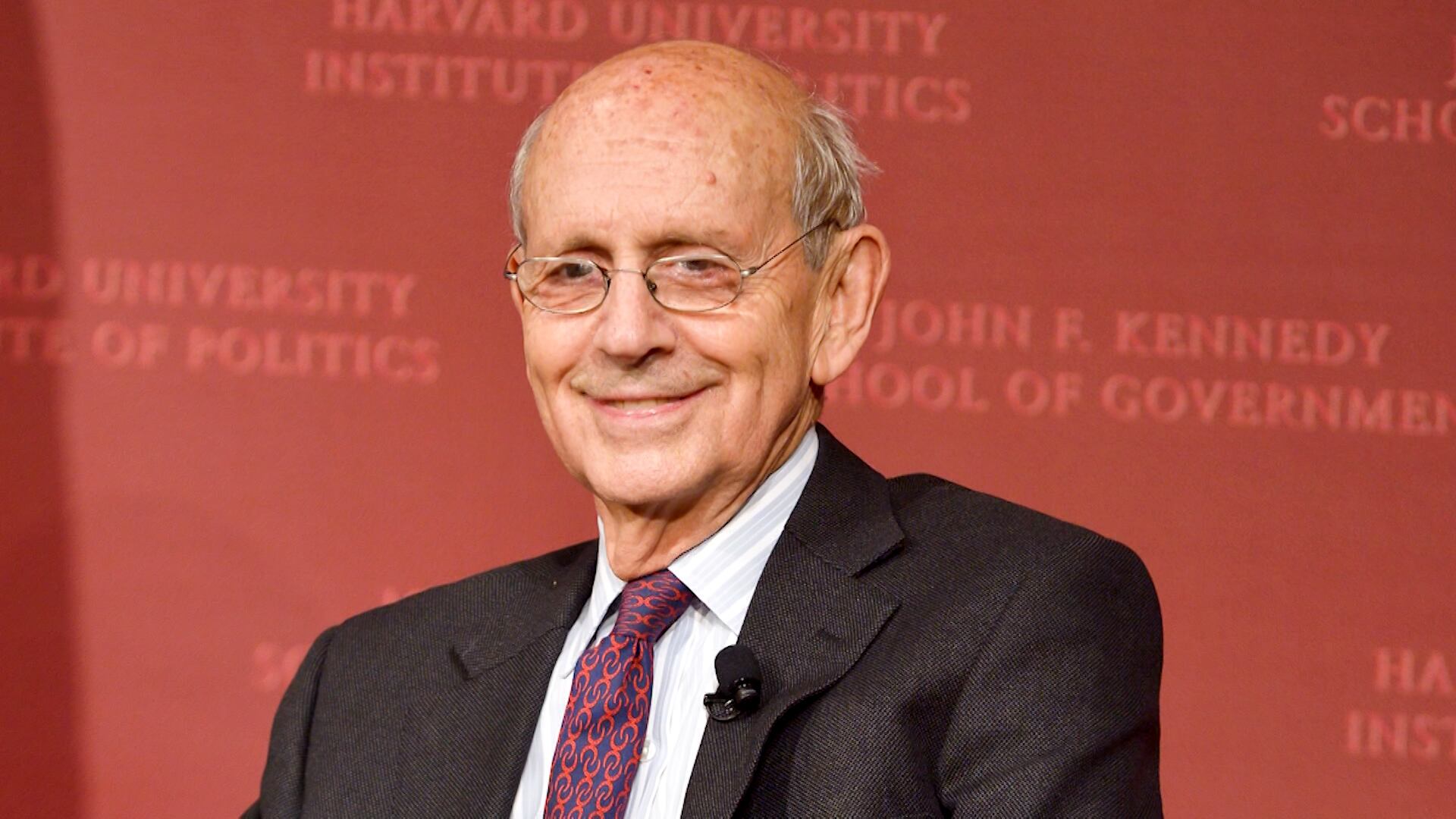
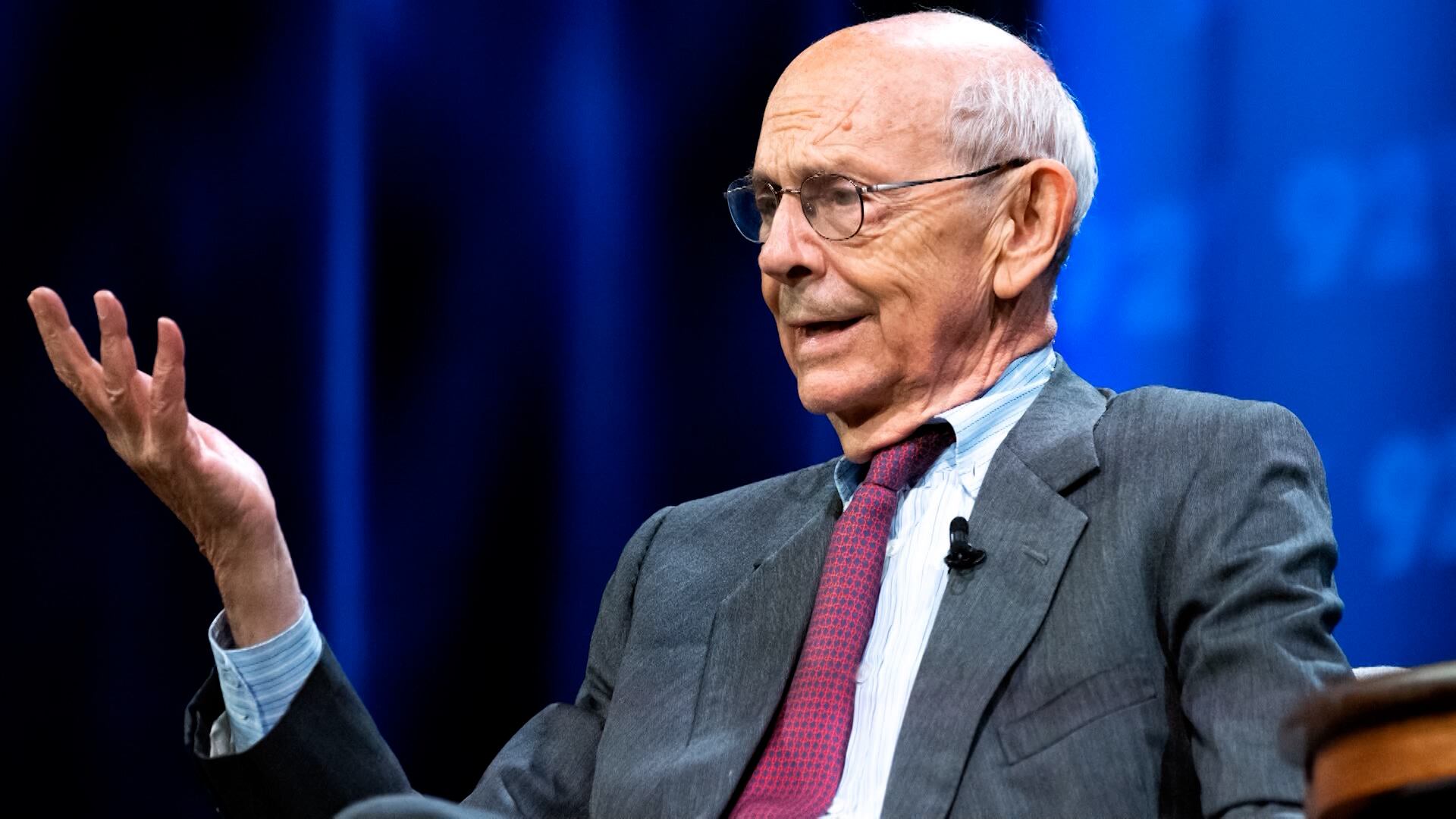
Jessica Mason Pieklo, senior vice president and executive editor of the Rewired News Group and co-host of the podcast. "Boom! Lawyered," joins Cheddar Politics to discuss Justice Stephen Breyer's retirement, legacy and potential replacement on the Supreme Court.
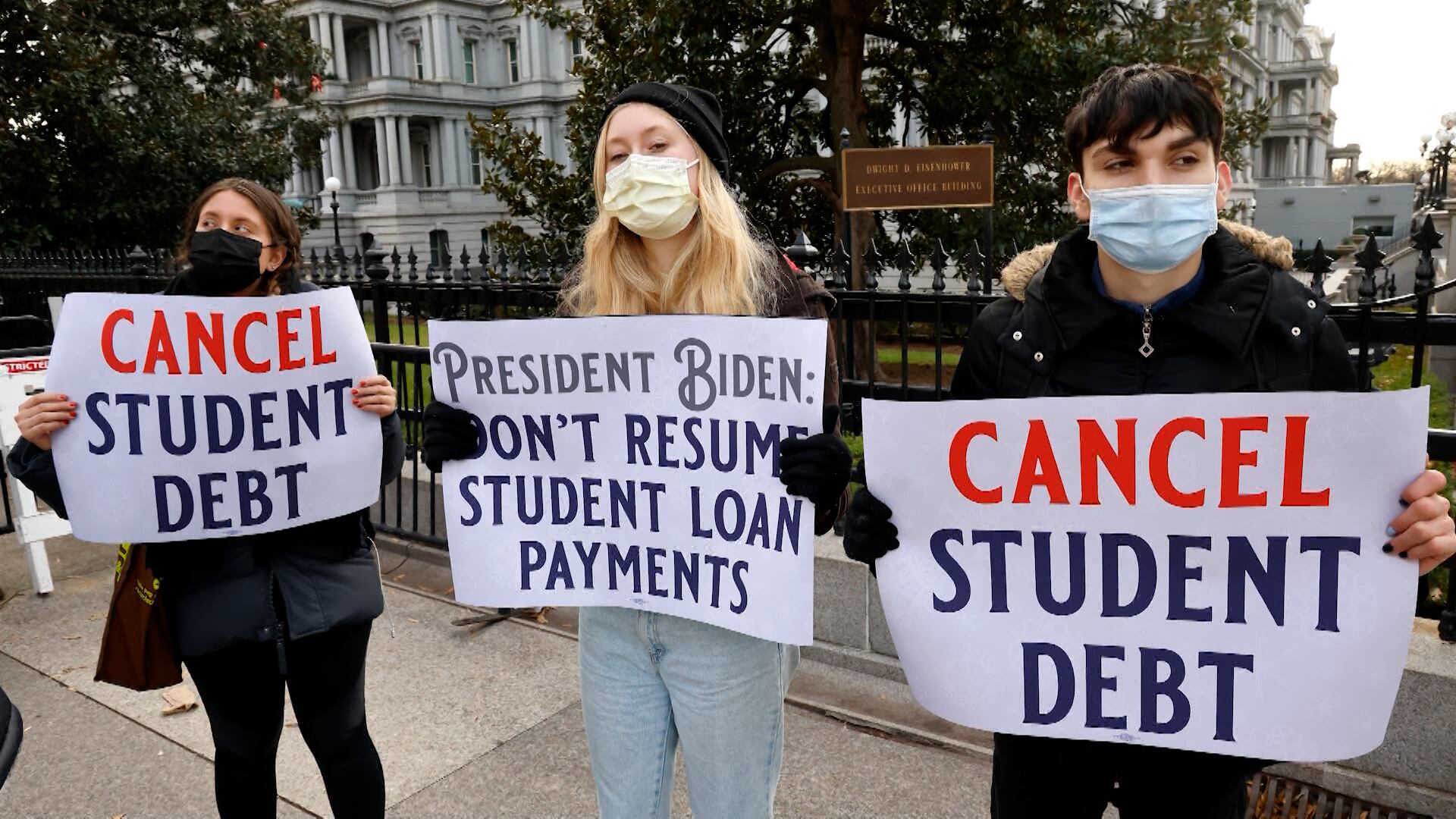
The Biden administration delivered a temporary win for student loan borrowers this year by extending the moratorium on federal payments for a few more months. That moratorium is coming to an end on May 1st and borrowers will again have their monthly loan payment plopped in their lap.
Stephanie Vanderslice, a creative writing professor paying off debt through the Parent Plus program, and Mike Pierce, executive director of the Student Borrower Protection Center, join Cheddar Politics to discuss.
2022 was already going to be a big year for the Supreme Court. We have decisions on major issues like abortion and gun rights on the way. Then, Justice Stephen Breyer announced his retirement and that set up a major confirmation fight for later this year. Amy Howe, co-founder of SCOTUSblog, joins Cheddar Politics to discuss.
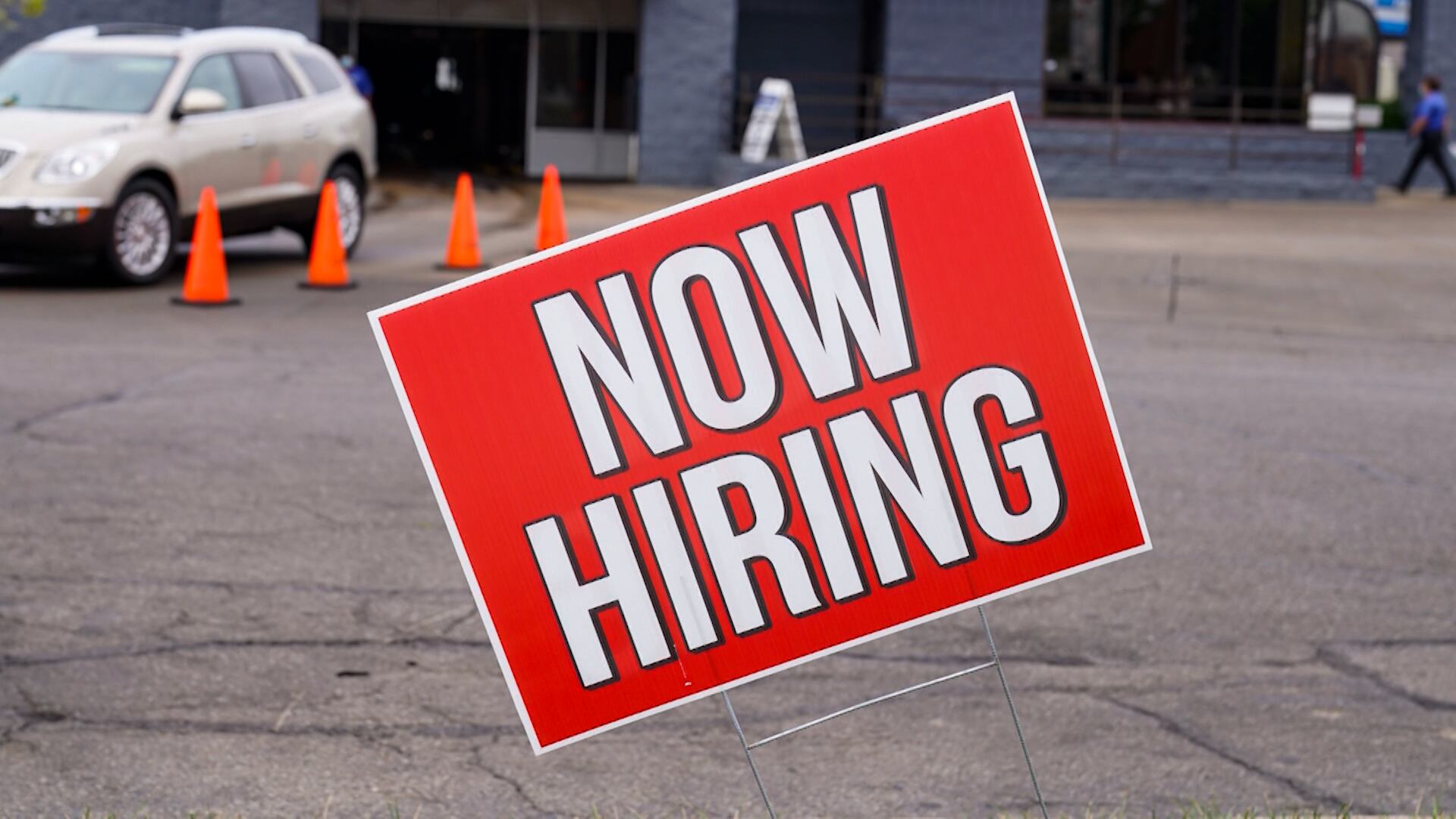
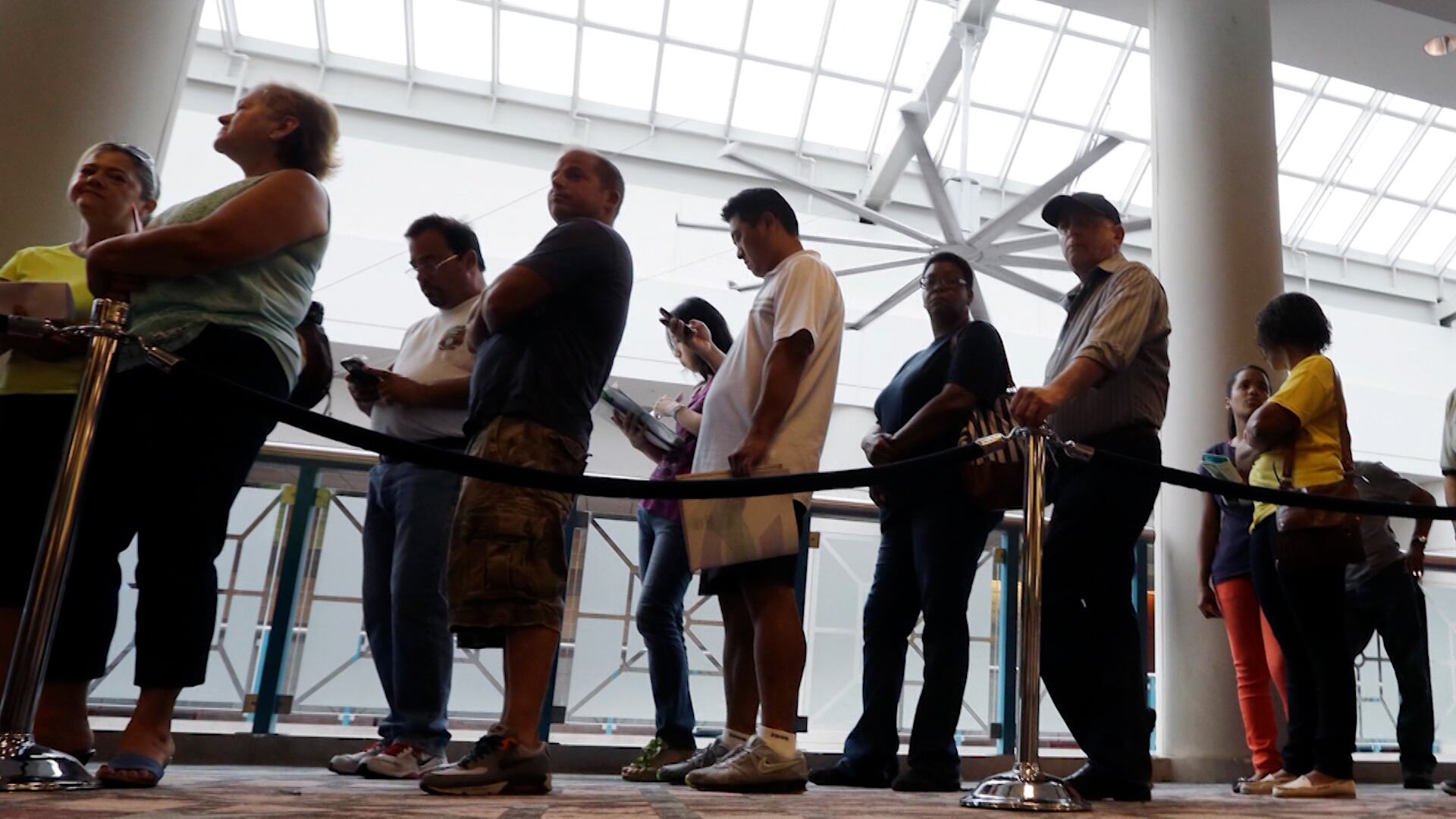
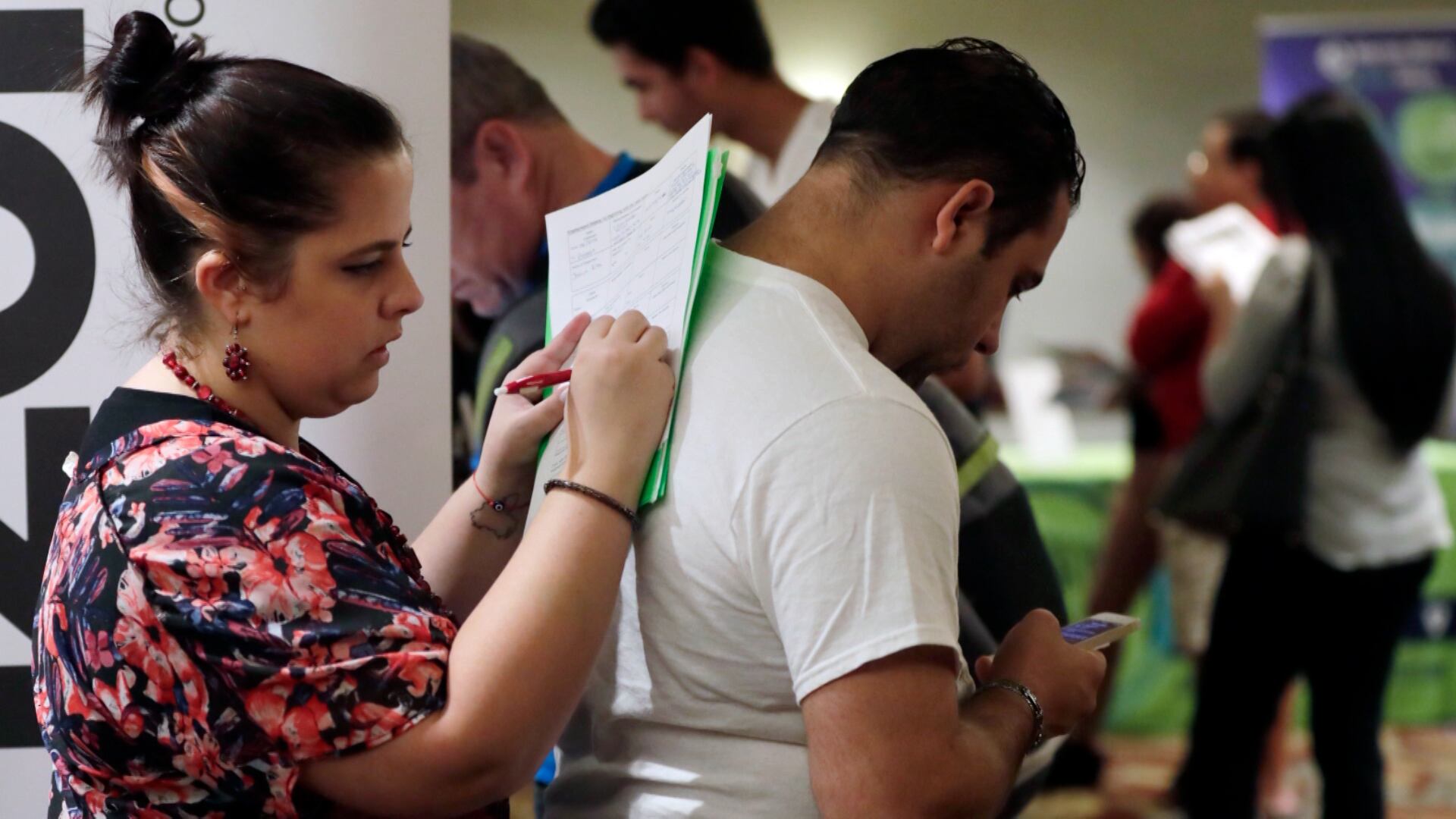
The Labor Department released a better-than-expected report of 467,000 jobs added in January. Heather Boushey, Council of Economic Advisers Member for President Biden, joined Cheddar to tout the administration's handling of the economy amid the pandemic and the upward revisions for the previous month. "It also shows that, because of the revisions, the economy was stronger over the past couple of months," she said. "I don't think that this can be said enough, but economic forecasting during an historic pandemic is extremely difficult." Boushey also addressed issues involving wage growth versus the rapid rise of inflation.
The Labor Department's January jobs report showed 467,000 jobs were added, compared to the 150,000 that were projected, a sign that employment is continuign to return to pre-pandemic levels. Lindsey Piegza, chief economist at investment bank Stifel, joined Cheddar to break down the report, noting the big gains but adding a note of caution. "Remember, even with this morning's stellar report, we're still millions below that level that we had reached prior to the onset of COVID-19," she said." Yes, we are recapturing jobs. We still have further ground that needs to be made before we can talk about reaching that previous peak." Piegza also discussed the role of the Federal Reserve going forward as the employment figures turn more positive.
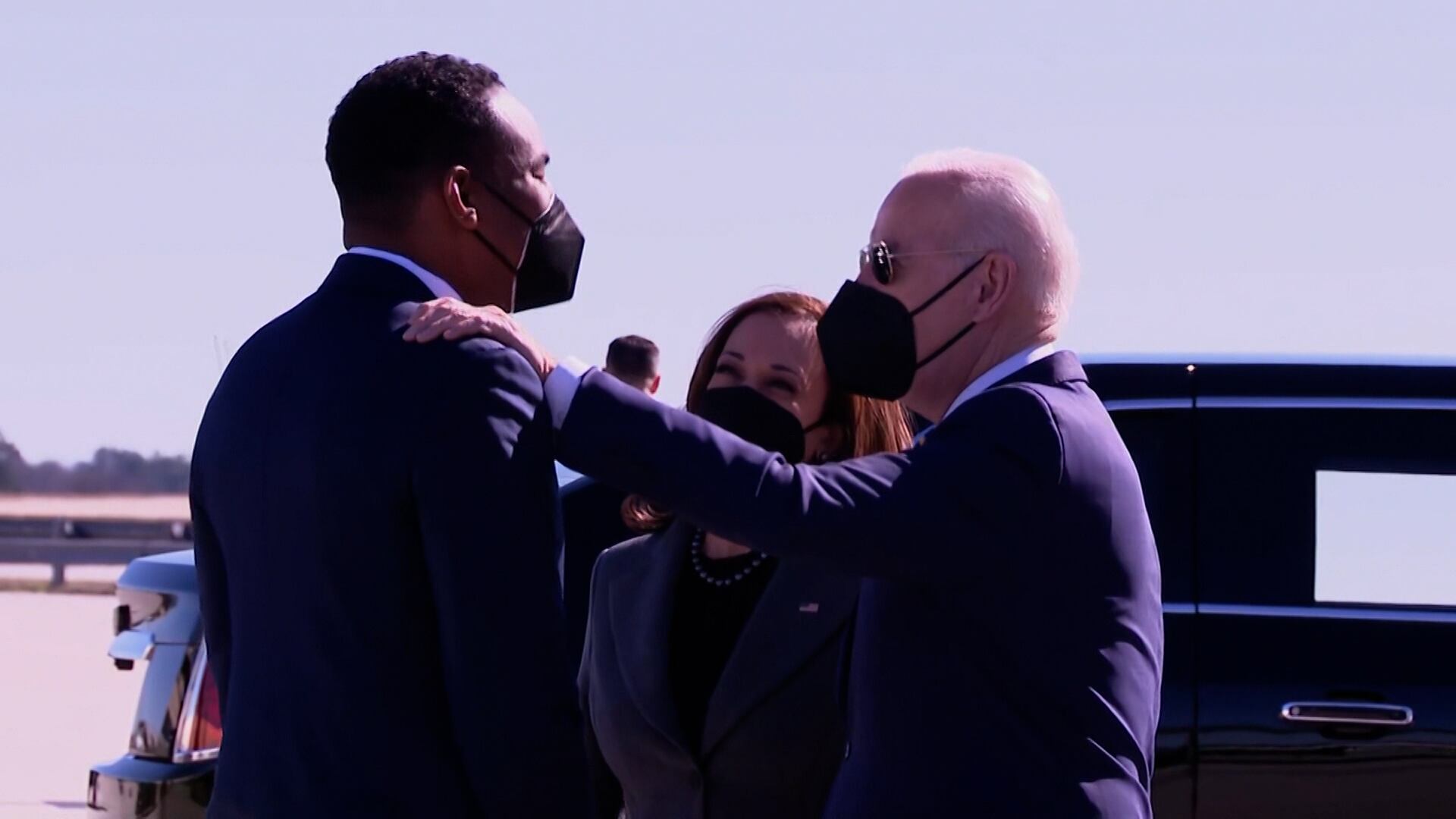
As President Biden's poll numbers fall with Black voters, Rep. Ayanna Pressley (D-Mass. 7th District) joined Cheddar to discuss what she feels could help the embattled administration: deliver on policies. Pressley pointed to stalled legislation such as new voting rights laws and Build Back Betters and canceling student loan debt, which would go a long way to improving his standing with Black constituents. "President Biden has the authority and the power to alleviate this burden, which would also help in closing the racial wealth gap, and he can do it by executive action with the stroke of a pen," she said. "And it doesn't require one vote from Congress. So, the Biden administration just needs to deliver to Black America in a tangible and impactful way."