As the nation gears up for Election Day, there is looming concern over the growing federal deficit, which currently sits just over $3 trillion, mainly as a result of COVID-19 sweeping the country. But as it stands, whichever presidential candidate is declared winner, big government spending is likely to continue as the economy looks to climb its way out of the hole.
This year alone, the federal government has tabbed up nearly $4.9 trillion in spending and is on track to hit $6.6 trillion.
Trump vs. Biden Spending Plans
For President Donald Trump, a win in the election would likely mean a continuation of record spending under his administration. In the first two years of his term, Trump widened the federal deficit to 4.3 percent, largely due, in part, to tax cuts. Now, with coronavirus cases spiking nationwide and concerns over the second wave crashing on the U.S., the president has publicly pushed for an additional round of stimulus that would pump $1.8 trillion into the economy which would include another round of one-time payments of $1,200.
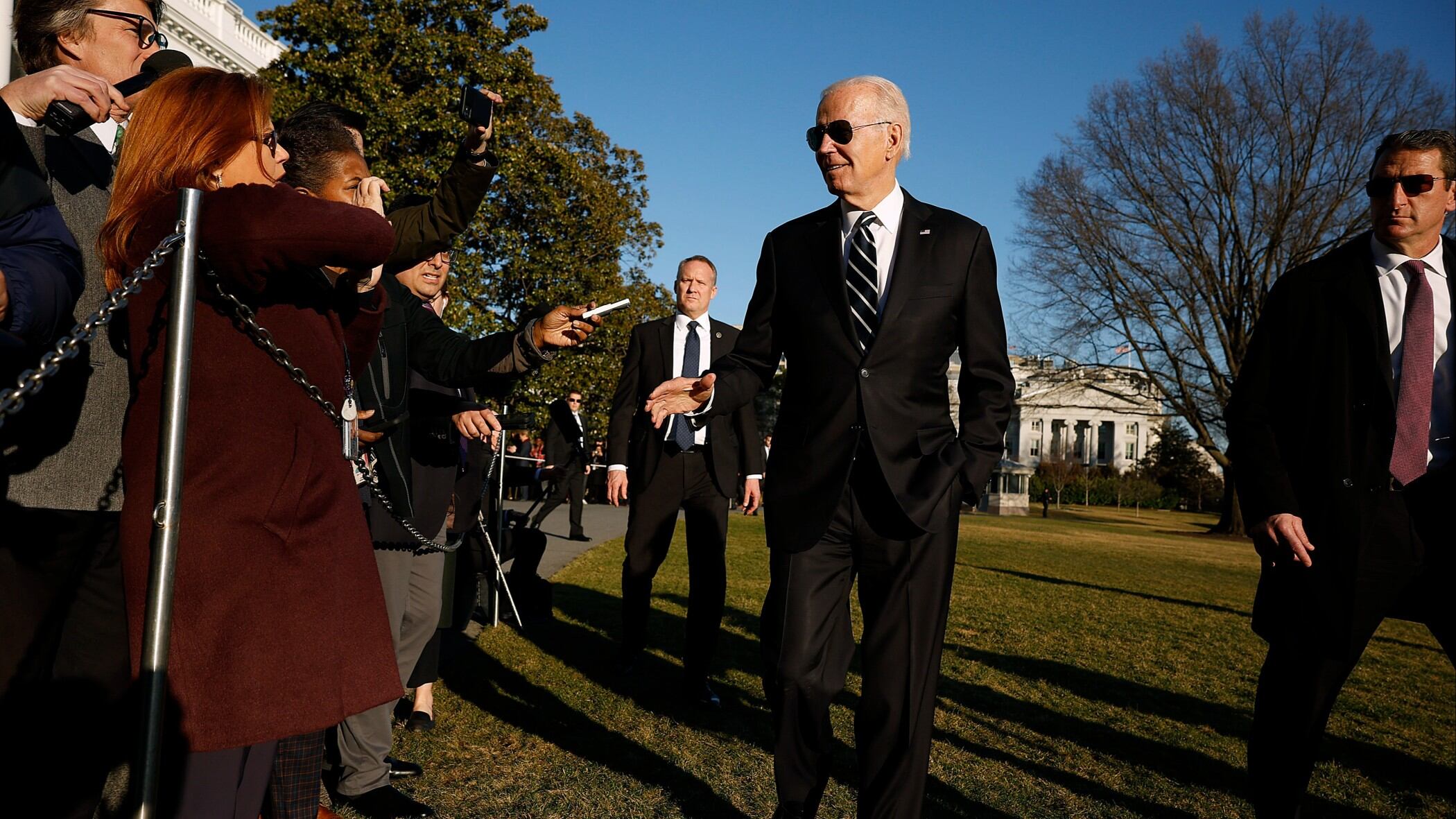
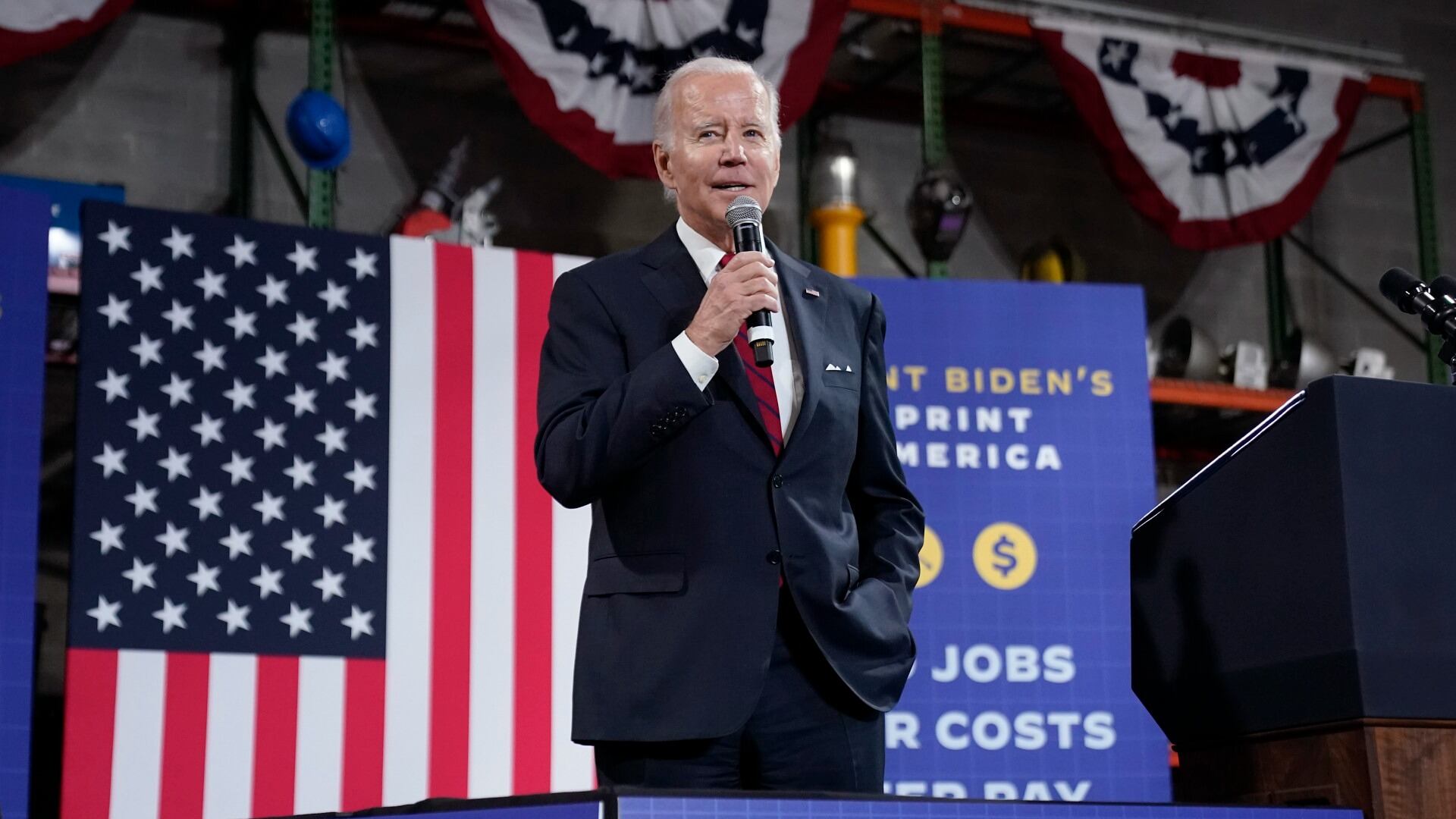
Biden, meanwhile, has outlined a plan that calls for $5 trillion in government spending over the next 10 years, making it the most expensive budget plan in recent history. In fact, the plan is more than twice the size of Hillary Clinton’s 2016 proposal.
While the deficit would balloon, the plan would provide local and state governments with more than $700 billion to boost job growth. The former VP also looks to pour funds into housing, clean energy, education, and tech.
What Does Big Government Spending Mean For You?
While the nation’s deficit reaches landmark levels, Americans might not feel the impact just yet. However, if the government is unable to pay its debt, the value of the American dollar could drop significantly, essentially triggering inflation. Everyday shopping necessities like gas and groceries could see a jump in prices.
If a vaccine to combat COVID-19 becomes widely-distributed, big government spending would likely reverse from its current rate since much of it is linked to aiding struggling industries amid the pandemic.
Read More on Trump and Biden's Plans: