*By Jacqueline Corba*
Google's navigation app Waze expanded its carpool service on Wednesday to reach commuters across the U.S.
"We want to help everyone reduce traffic," the company's head of carpool, Josh Fried, told Cheddar Rides.
Only 8 percent of commuters are carpooling, according to Waze data. Fried said if the company can boost that figure to double digits, it will be able to make a dent in traffic congestion.
In the past, Waze has only been available in [13 U.S. states](https://cheddar.com/videos/how-to-make-money-on-your-commute) in addition to markets in Brazil and Israel. Now the service will be available anywhere in the U.S.
The nationwide launch comes just 6 months after a relaunch of the app, which was initiated after the company realized the importance of an interpersonal connection, Fried said.
"It's not blind-matching anymore," he said. "It's really about making connections for commuters that live near where you live or work near where you work."
Waze's carpool service offers riders an affordable trip and reimburse drivers for gas.
For the launch, Waze was able to rely on the deep pockets of parent company Google, a unit of Alphabet ($GOOGL).
Fried said 1.3 million of Waze navigation app users have, as of this week, opted in for adding the carpool app to their devices.
For full interview [click here](https://cheddar.com/videos/googles-waze-takes-carpooling-service-nationwide).
The U.S. economy is being held up in part by the AI boom, but that boom could still lead to broader prosperity or inequality, says a Nobel Prize winner.
Foundation Robotics co-founder Michael LeBlanc explains how humanoid robots are moving from the lab to military and industrial missions and what comes next.
Jeff Burnstein, President of the Association for Advancing Automation (A3), discusses humanoid robots, AI, smart manufacturing, and the future of U.S. industry.
Should kids be banned from social media? Nick Lichtenberg of Fortune breaks down the global push to restrict under-16 users and what it means for Big Tech.
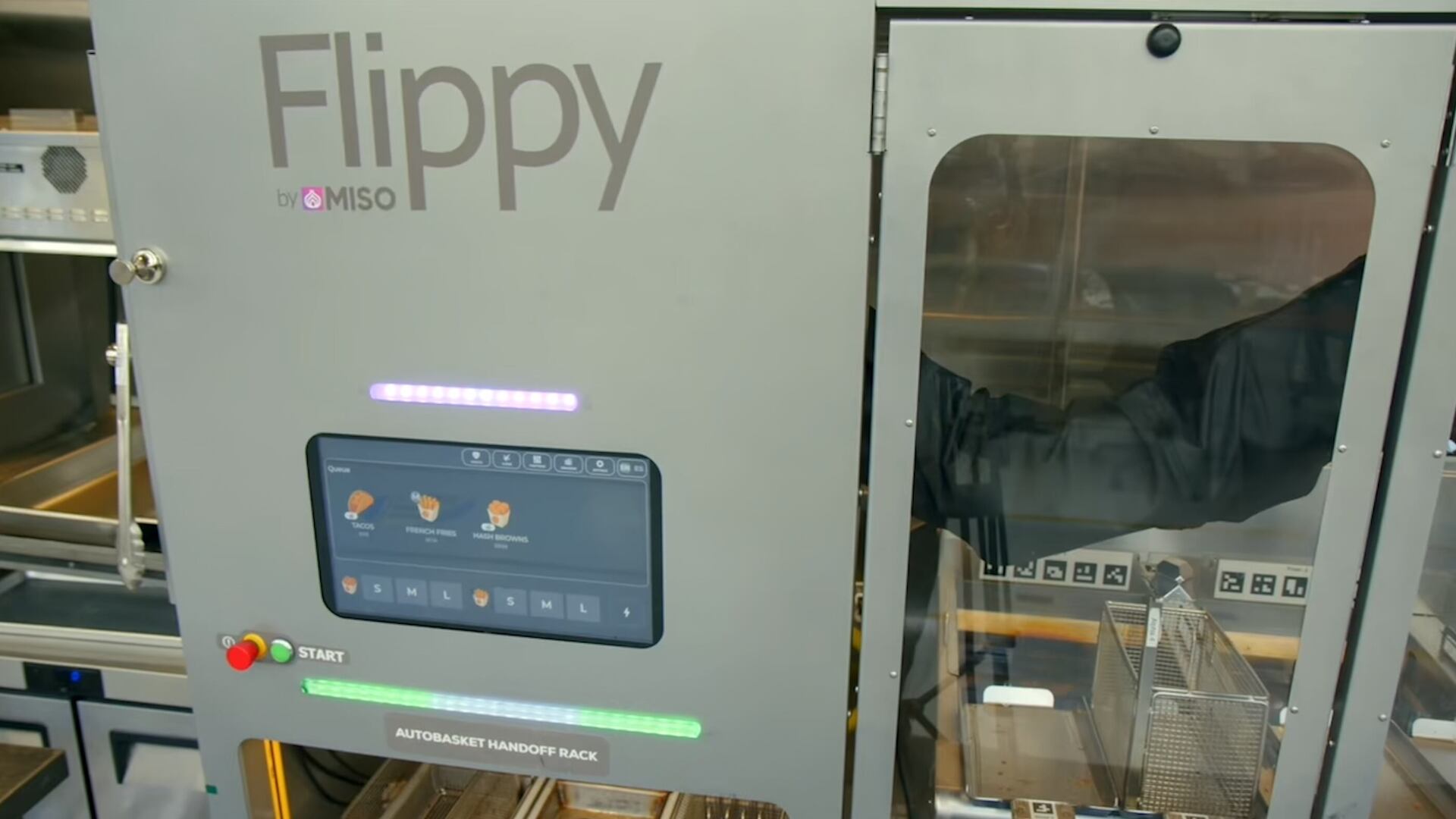
Miso Robotics CEO Rich Hull discusses Flippy Fry Station, the future of AI-powered restaurant automation and how acquiring Zume's IP could reshape food robotics
After two years of AI-fueled spending, Wall Street is asking what's next. Gil Luria breaks down monetization, valuations, winners, losers, and AI's future.