Google's Top Searches of 2018: Dead Celebrities, World Cup, and Meghan Markle
*By Carlo Versano*
What do Stan Lee, Logan Paul, and the royal wedding have in common?
They were among the most Googled terms of 2018.
Justin Burr, the search trends expert at Google, gave Cheddar some insight into the top Google trends of the year.
Google searches can provide one of the more unvarnished looks into our own psyches ーand the annual compendium of what we searched for often does a better job of capturing a moment in time, or particular mood, than any poll or survey.
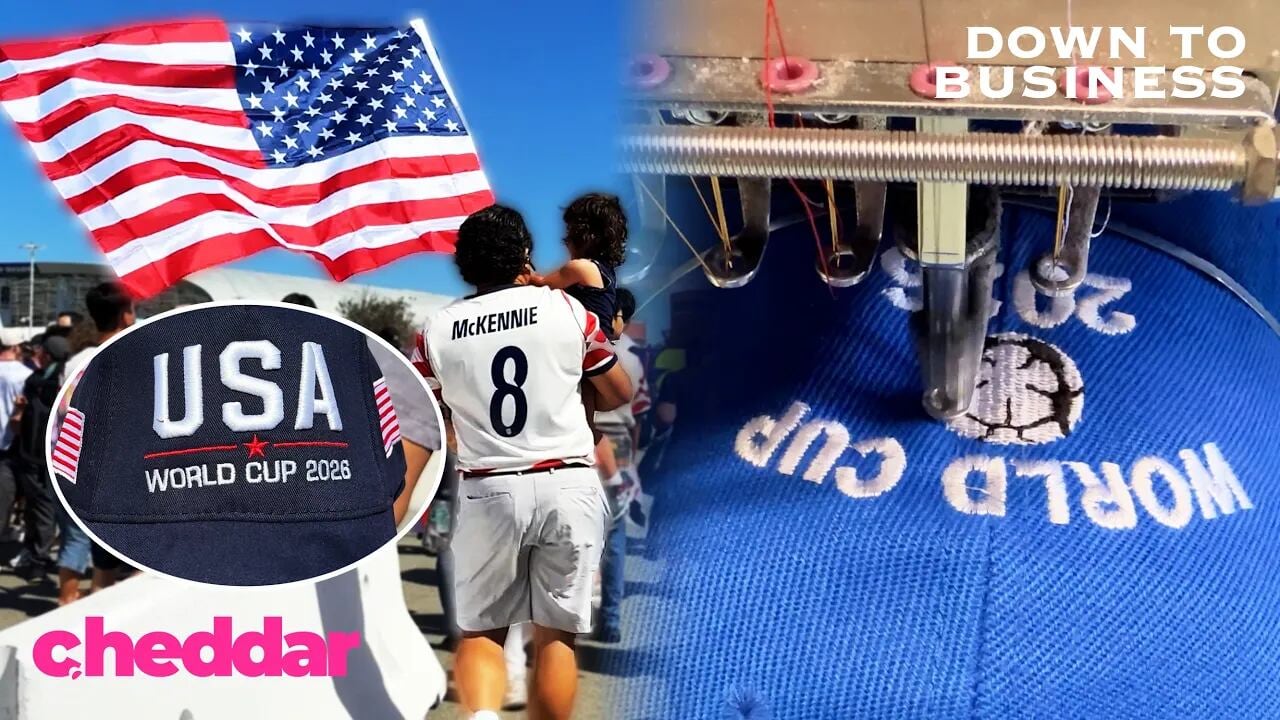
As is often the case, celebrity deaths made up the bulk of the top Google searches of 2018, Burr said. Of the top 10 searches this year, seven were for celebrities who had died: Avicii, Mac Miller, Stan Lee, Anthony Bourdain, XXXTentacion, Kate Spade, and Stephen Hawking. The other three: "Black Panther," Meghan Markle, and the World Cup. (The World Cup won the distinction of being the top search in both the U.S. and around the world.)
"People always go to Google when there are deaths," Burr said, "to understand who they were and what they did."
In news searches, the Cup once again reigned supreme, followed by Hurricane Florence, the Mega Millions jackpot, the royal wedding, and election results.
Burr said Google saw a huge spike in queries for "how to vote" leading up to the midterm election, which would jibe with the results ー which showed turnout was at a 50-year high.
In terms of individuals, the most-searched names: Meghan Markle (again), Demi Lovato, Sylvester Stallone, Logan Paul, and Khloé Kardashian. Tristan Thompson was the most-searched athlete, and the Cleveland Cavaliers was the most-searched sports team.
"There's always tangential relations between the different search results," Burr noted.
See more of the top trends of the year at [google.com/2018](google.com/2018).
Wealthfront’s CFO Alan Iberman talks the $2.05B IPO and the major moment for robo banking as the company bets on AI, automation, and “self-driving money."
A rare magnum of Dom Pérignon Vintage 1961 champagne that was specially produced for the 1981 wedding of Prince Charles and Lady Diana has failed to sell during an auction. Danish auction house Bruun Rasmussen handled the bidding Thursday. The auction's house website lists the bottle as not sold. It was expected to fetch up to around $93,000. It is one of 12 bottles made to celebrate the royal wedding. Little was revealed about the seller. The auction house says the bids did not receive the desired minimum price.
The New York Times and President Donald Trump are fighting again. The news outlet said Wednesday it won't be deterred by Trump's “false and inflammatory language” from writing about the 79-year-old president's health. The Times has done a handful of stories on that topic recently, including an opinion column that said Trump is “starting to give President Joe Biden vibes.” In a Truth Social post, Trump said it might be treasonous for outlets like the Times to do “FAKE” reports about his health and "we should do something about it.” The Republican president already has a pending lawsuit against the newspaper for its past reports on his finances.
OpenAI has appointed Slack CEO Denise Dresser as its first chief of revenue. Dresser will oversee global revenue strategy and help businesses integrate AI into daily operations. OpenAI CEO Sam Altman recently emphasized improving ChatGPT, which now has over 800 million weekly users. Despite its success, OpenAI faces competition from companies like Google and concerns about profitability. The company earns money from premium ChatGPT subscriptions but hasn't ventured into advertising. Altman had recently announced delays in developing new products like AI agents and a personal assistant.
President Donald Trump says he will allow Nvidia to sell its H200 computer chip used in the development of artificial intelligence to “approved customers” in China. Trump said Monday on his social media site that he had informed China’s leader Xi Jinping and “President Xi responded positively!” There had been concerns about allowing advanced computer chips into China as it could help them to compete against the U.S. in building out AI capabilities. But there has also been a desire to develop the AI ecosystem with American companies such as chipmaker Nvidia.