Google has agreed to pay a $170 million fine ー the largest of its kind ー as part of a settlement over allegations that YouTube violated the law by collecting personal data about children in order to serve them ads.
The terms of the settlement between YouTube-parent Google ($GOOGL) and the FTC and New York state attorney general were announced on Wednesday. Google and YouTube will pay $136 million to the federal government and another $34 million to New York. The FTC says it is the largest penalty ever in a case related to the law known as COPPA, or the Children's Online Privacy Protection Act, which passed in 1998.
The settlement, which had been expected, "sends a strong message to children's content providers and to platforms about their obligation to comply with the COPPA Rule," said FTC Chair Joseph Simons in an accompanying release. Regulators had alleged that YouTube did not tell the viewers of "child-directed" content that they were being tracked. Under COPPA, sites that are aimed at children must ask for and receive parental consent for any data they collect on children under 13.
While the largest fine under COPPA by an order of magnitude, it is still a fraction of the revenue Google brings in from advertising on YouTube. Alphabet, Google's parent, famously refuses to break out YouTube's financial results in its earnings. Analysts estimate that YouTube brings in as much as $25 billion annually. Google generated $137 billion in revenue last year.
Two FTC members voted against the settlement over concerns that it does no go far enough. One member compared it to the recent $5 billion fine levied against Facebook for its privacy missteps. Commissioner Rohit Chopra wrote that the agreement offered "no individual accountability, insufficient remedies to address the company's financial incentives, and a fine that still allows the company to profit from its lawbreaking. The terms of the settlement were not even significant enough to make Google issue a warning to its investors."
Shares of Alphabet were trading fractionally higher following the announcement.
Dave Long, CEO and Co-Founder of Orangetheory Fitness joins Cheddar to chat trends in the industry for 2024. He updates us on the company's plans to expand and what the state of the economy has meant for business.
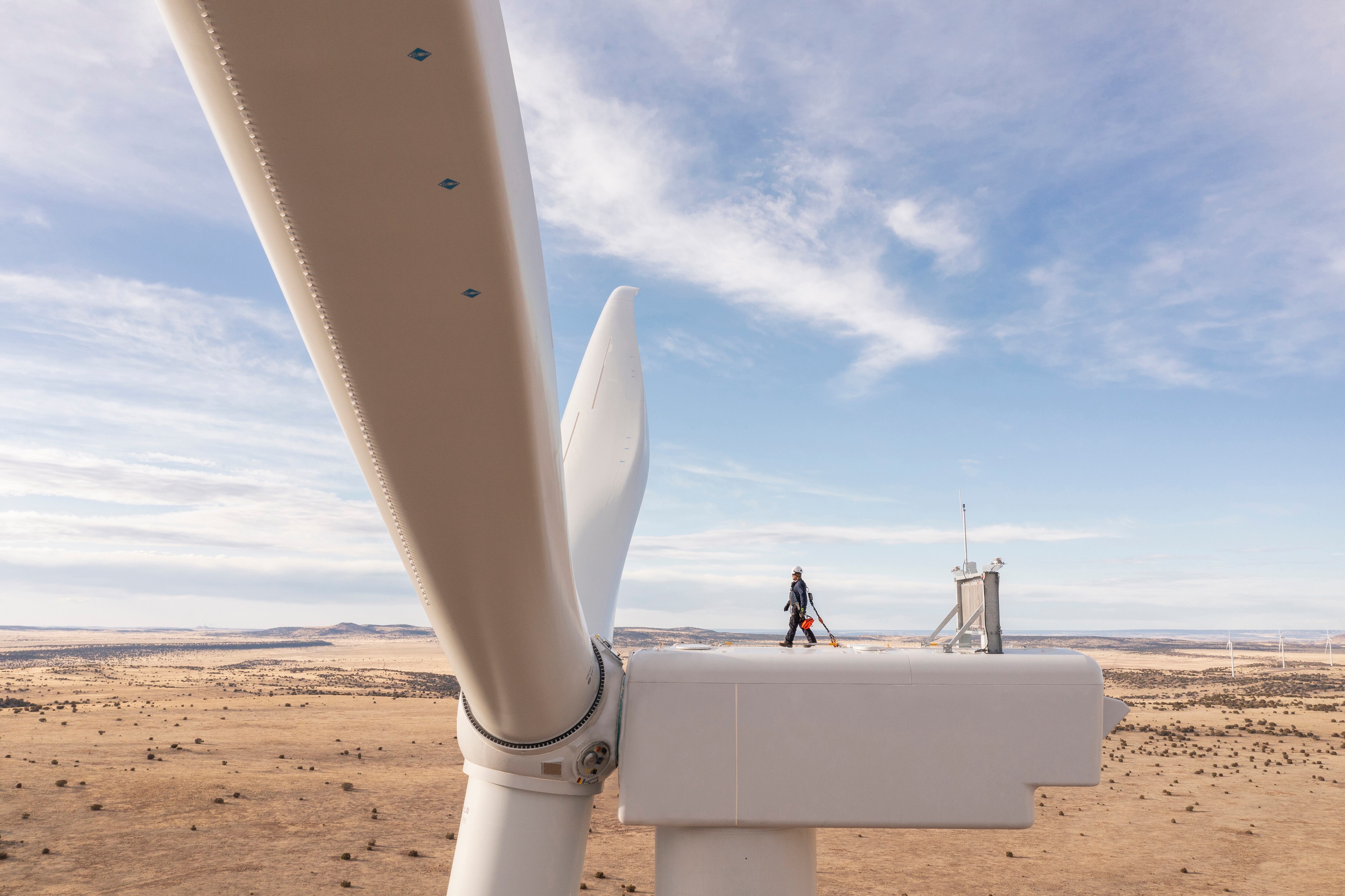
One of the world's largest renewable energy developers will be getting hundreds of wind turbines from General Electric spinoff GE Vernova as part of a record equipment order and long-term service deal.
A moon landing attempt by a private US company appears doomed because of a fuel leak on the newly launched spacecraft. Astrobotic Technology managed to orient the lander toward the sun Monday so its solar panel could capture sunlight and charge its onboard battery.
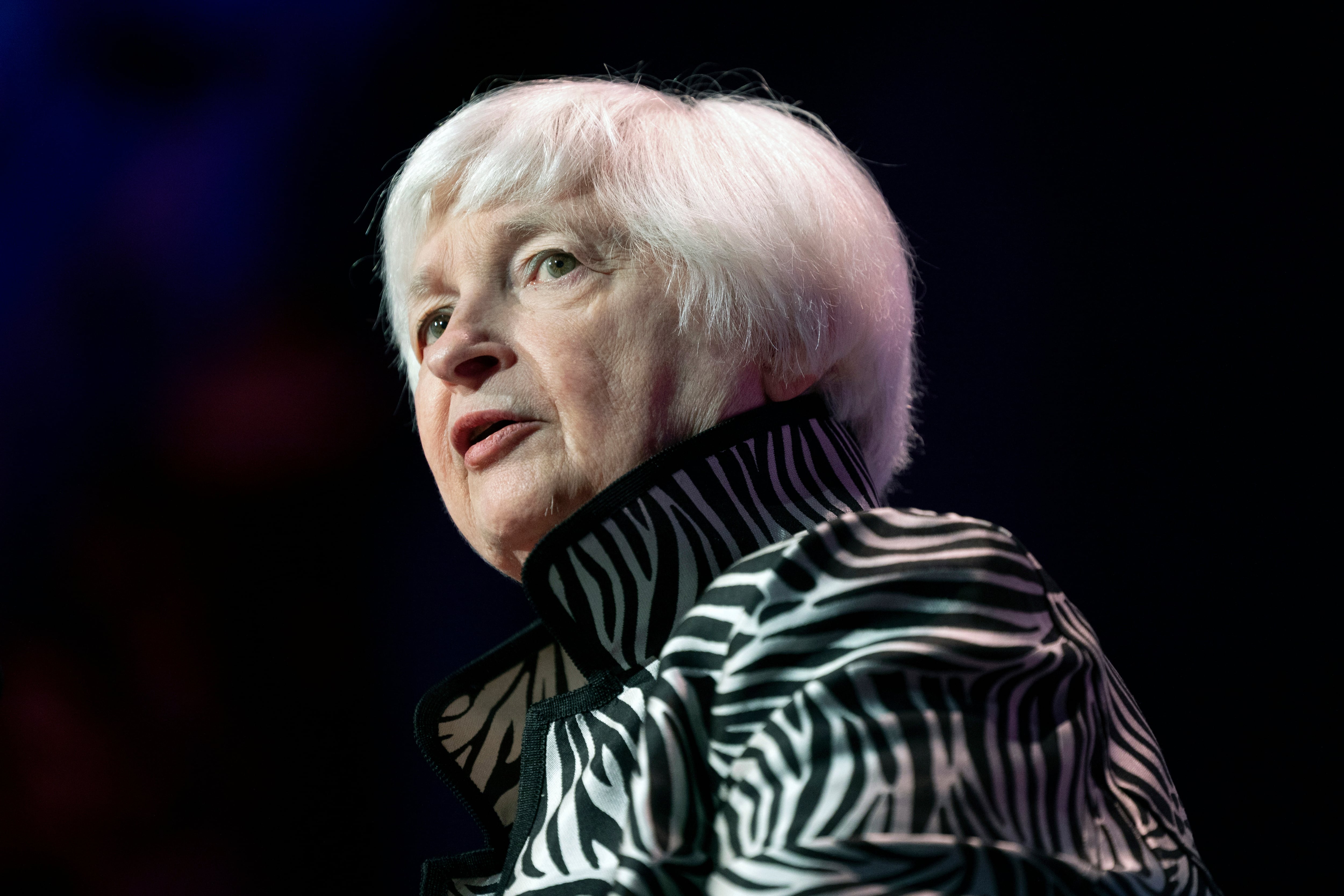
Treasury Secretary Janet Yellen has announced that 100,000 businesses have signed up for a new database that collects ownership information intended to help unmask shell company owners. Yellen says the database will send the message that “the United States is not a haven for dirty money.”
A new version of the federal student aid application known as the FAFSA is available for the 2024-2025 school year, but only on a limited basis as the U.S. Department of Education works on a redesign meant to make it easier to apply.
A steep budget deficit caused by plummeting tax revenues and escalating school voucher costs will be in focus Monday as Democratic Gov. Katie Hobbs and the Republican-controlled Arizona Legislature return for a new session at the state Capitol.
The first U.S. lunar lander in more than 50 years is on its way to the moon. The private lander from Astrobotic Technology blasted off Monday from Cape Canaveral, Florida, catching a ride on United Launch Alliance's brand new rocket Vulcan.
Global prices for food commodities like grain and vegetable oil fell last year from record highs in 2022, when Russia’s war in Ukraine, drought and other factors helped worsen hunger worldwide, the U.N. Food and Agriculture Organization said Friday.
Wall Street is drifting higher after reports showed the job market remains solid, but key parts of the economy still don’t look like they’re overheating.