Goldman Sachs Officially Names David Solomon as New CEO
*By Alisha Haridasani*
After months of speculation, Goldman Sachs officially announced on Tuesday that David Solomon will succeed Lloyd Blankfein as chief executive ー the second transfer of power at the bank since it began trading as a public company in 1999.
Solomon, the bank’s president and a [part-time DJ](https://www.cnbc.com/2018/07/16/goldman-sachs-ceo-david-solomon-djs-around-the-world.html), will take the reins on October 1, and Blankfein will stay on as chairman of the board until the end of the year.
Blankfein worked with the bank for over two decades before he secured the top job in 2006. He steered the bank through the tenuous financial crisis and oversaw its latest efforts to enter consumer banking.
After a stint at Bear Stearns, Solomon joined Goldman Sachs’ investment-banking arm as a partner in 1999, shortly after the company went public, and became the group's head in 2006. In 2016, he ascended to co-president, alongside Harvey Schwartz.
"David is the right person to lead Goldman Sachs," Blankfein said in a [statement.](http://www.goldmansachs.com/media-relations/press-releases/current/07-17-2018-announcement.html) "He has demonstrated a proven ability to build and grow businesses, identified creative ways to enhance our culture and has put clients at the center of our strategy."
The announcement came the same day Goldman reported second quarter earnings. The company generated a better-than-expected $2.6 billion profit and a 19 percent jump in revenue, thanks to strength in the investment banking business, Solomon's old orbit.
Retailers face tariffs and cost challenges this holiday season. Wells Fargo's Lauren Murphy shares insights on pricing, promotions, and shopping trends.
Dateability, founded by sisters Jacqueline and Alexa Child, is the only dating app for disabled and chronically ill communities, fostering love without limits.
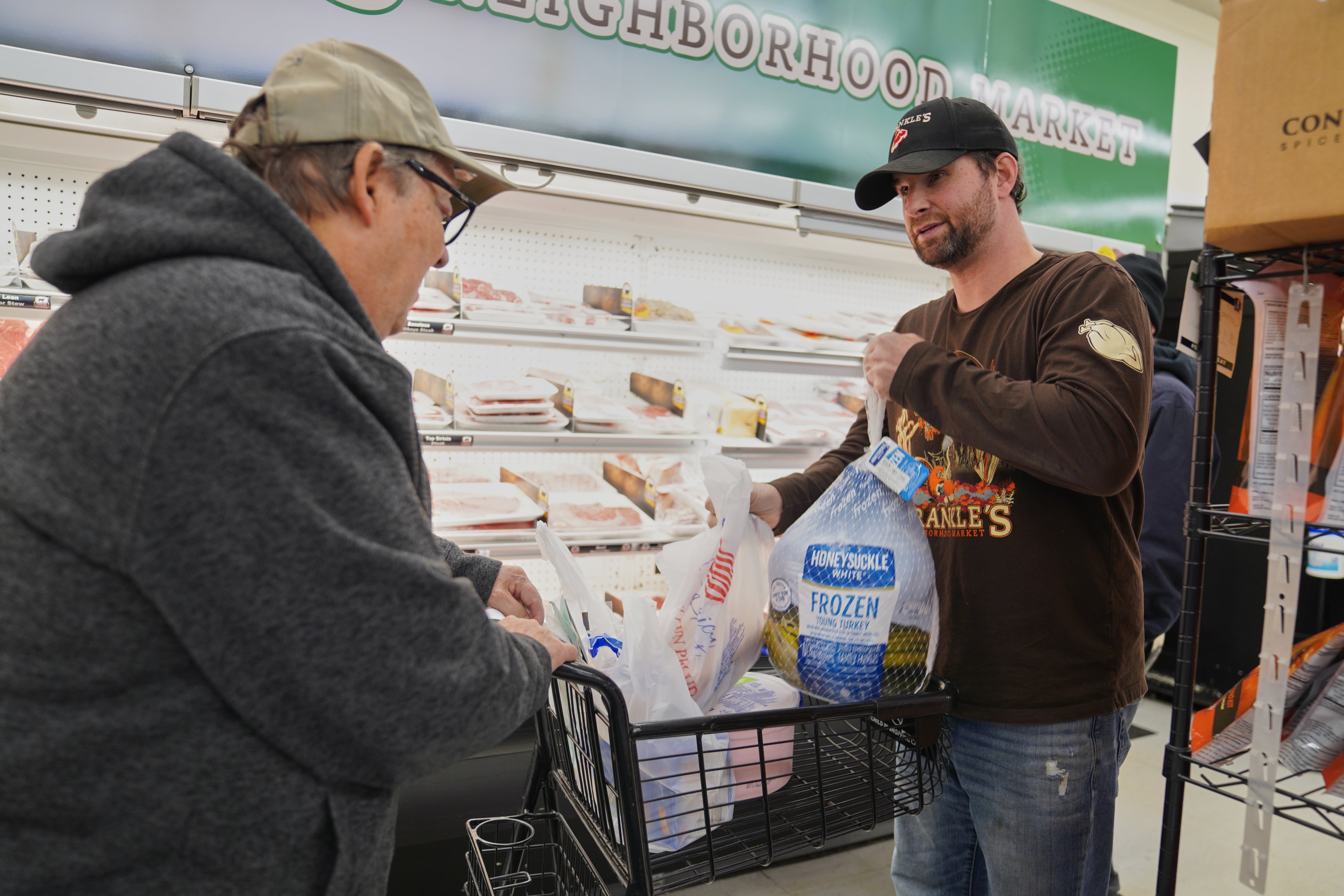
Some small grocery stores and neighborhood convenience stores are eager for the U.S. government shutdown to end and for their customers to start receiving federal food aid again. Late last month, the Trump administration froze funding for the SNAP benefits that about 42 million Americans use to buy groceries. The U.S. Department of Agriculture says about 74% of the assistance was spent last year at superstores like Walmart and supermarkets like Kroger. Around 14% went to smaller stores that are more accessible to SNAP beneficiaries. A former director of the United Nations World Food Program says SNAP is not only a social safety net for families but a local economic engine that supports neighborhood businesses.
Andy Baehr, Head of Product at CoinDesk Indices, breaks down crypto’s Black Friday crash, Bitcoin dipping under $100K, and what’s driving the market rout.
Billionaire Warren Buffett warned shareholders Monday that many companies will fare better than his Berkshire Hathaway in the decades ahead as Father Time catches up
Chris Marquette of POLITICO breaks down how the FAA is cutting flights and facing a critical shortage of air‑traffic controllers amid the government shutdown.