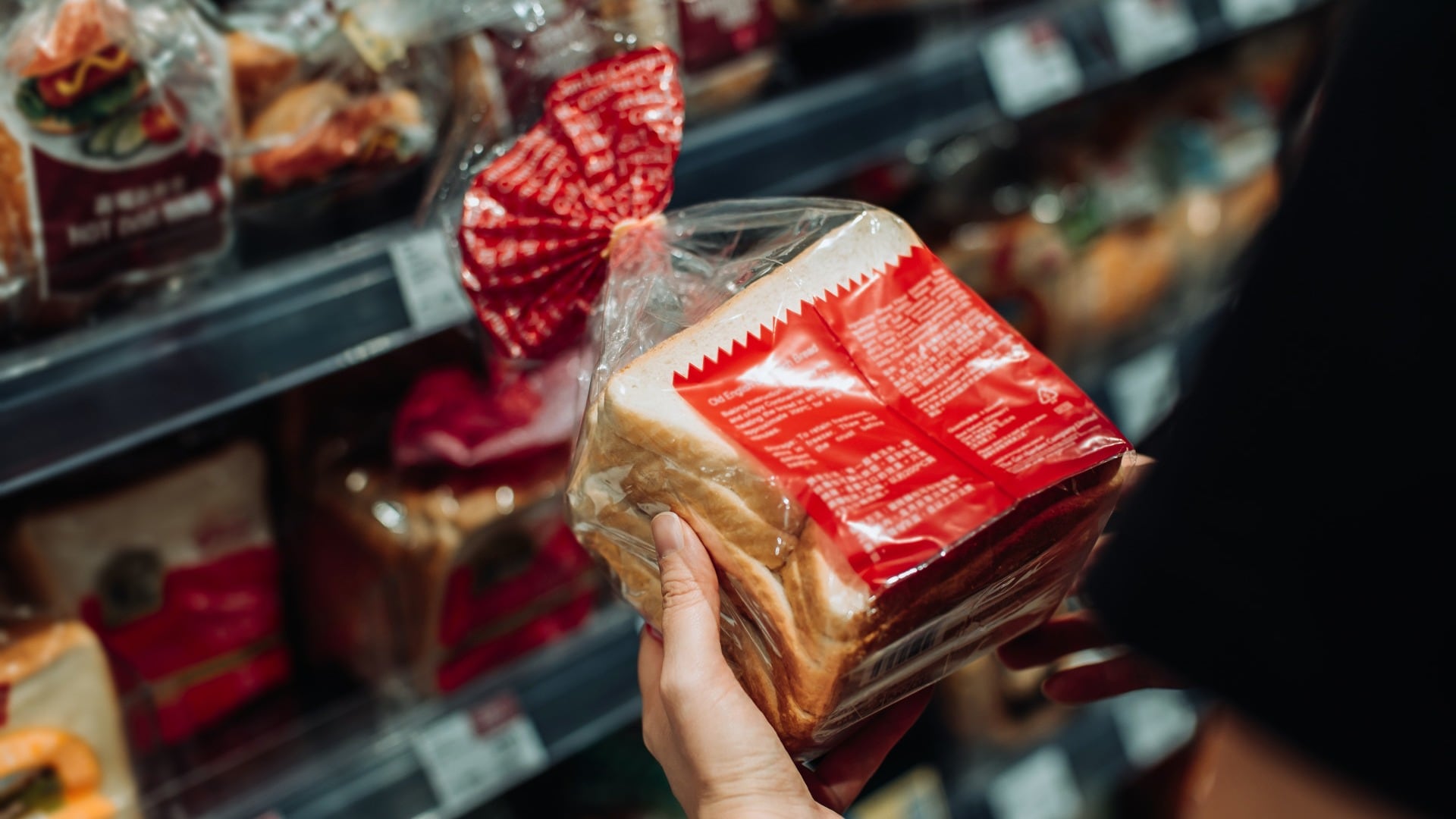
The United Nations' global index for tracking food prices fell 1.9 percent in December after hitting an all-time high in 2022 amid drought, war, pandemic, and supply chain challenges.
The Food and Agriculture Organization of the United Nations (FAO) Food Price Index, which tracks commonly traded food commodities, averaged 143.7 points in 2022. That is down one percent from the number one year ago, but 14.3 percent above the average value in 2021.
Over that period, essential goods have seen sizable price drops. The price of vegetable oil, for example, was down 6.7 percent from November, hitting their lowest levels since before the war in Ukraine. Cereal prices, meanwhile, were down 1.9 percent from November, while meat was down 1.2 percent.
While welcoming the improvement, the United Nation is urging nations to stay vigilant to avoid the kind of global food shortages that come with higher prices.
"Calmer food commodity prices are welcome after two very volatile years," said FAO Chief Economist Maximo Torero in a news release. "It is important to remain vigilant and keep a strong focus on mitigating global food insecurity given that world food prices remain at elevated levels, with many staples near record highs, and with prices of rice increasing, and still many risks associated with future supplies"
One exception to the steady price declines: dairy products. The FAO Dairy Price Index was up 1.2 percent in December, mostly due to higher international cheese prices.
Catching you up on the stories you need to know this morning, the U.S. could soon get its first major gun safety law in years, the House Select Committee investigating the January 6th attack on the U.S. capitol holds its second hearing, and today might just be the day the Supreme Court overturns Roe v. Wade, and decides on new gun laws.
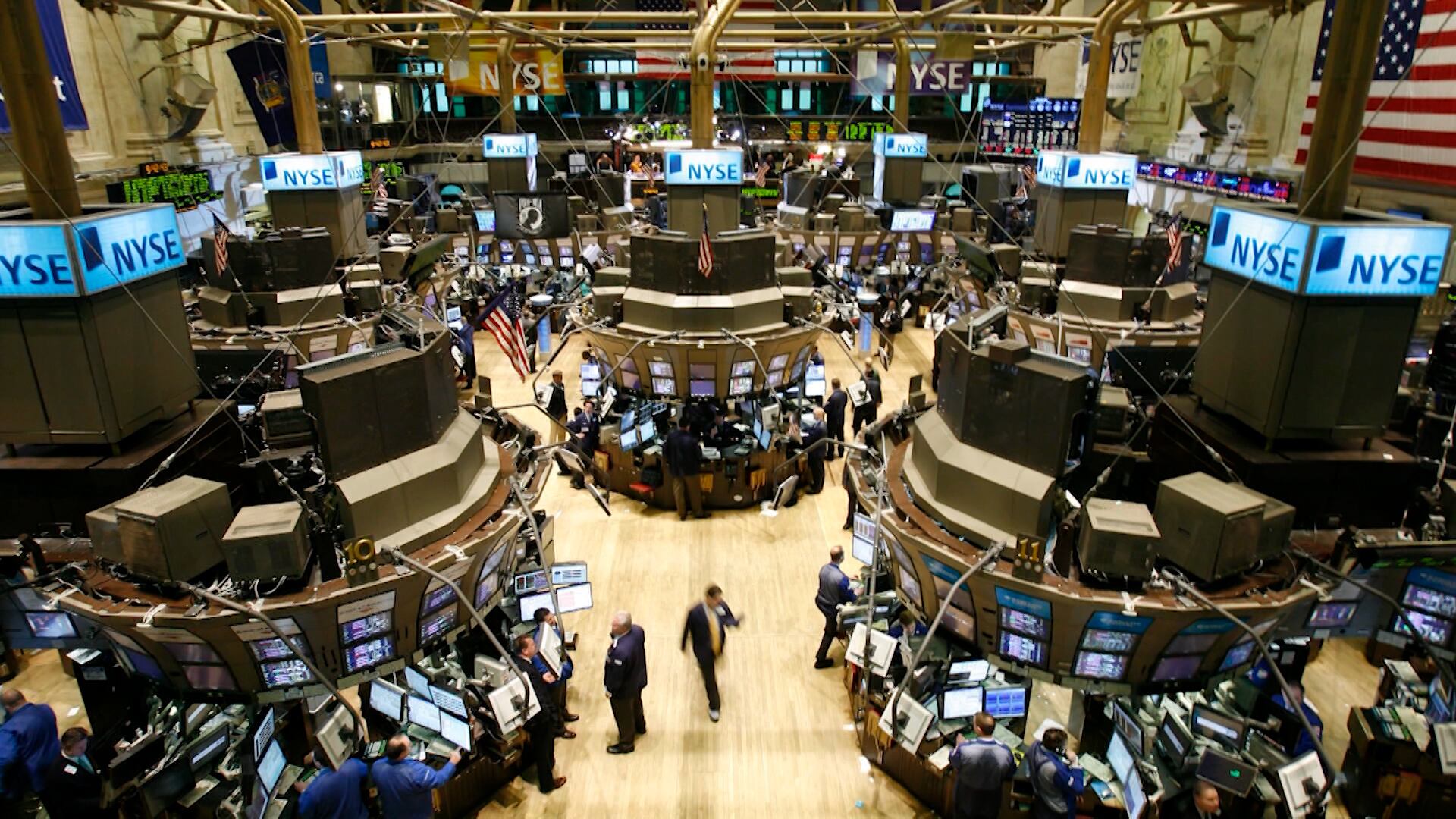
U.S. stocks closed Thursday at their lowest levels of the trading day, as investors continue to eye inflation ahead of the May CPI report out Friday. Art Hogan, Chief Market Strategist for National Holdings, joins Cheddar News' Closing Bell to discuss.
The PGA has suspended 17 golfers, including Phil Mickelson and Dustin Johnson, who are competing in a Saudi-backed golf event outside of London. In a memo, commissioner Jay Monahan said "these players have made their choice for their own financial-based reasons", announcing they are ineligible to participate on the PGA tour or any other tours it sanctions. Hugh Kellenberger, Senior Managing Editor at the Athletic, breaks down the controversy, and what might happen next.
U.S. stocks closed Friday at session lows after May CPI data showed inflation in the U.S. has not peaked and is still rising rapidly. For the week, the S&P fell 5.06%, the Dow lost 4.58%, and the Nasdaq dropped 5.60%, marking the worst week since January for all three major indexes. Mike Zigmont, Head of Trading and Research at Harvest Volatility Management, joins Cheddar News' Closing Bell to discuss.
Benefits brokerage, Nava Benefits, raised $40 million in a Series B round. Nava says it's on a mission to fix healthcare, one benefits plan at a time. The startup is working to bring benefits to small business that are normally available to only Fortune 500 companies. Brandon Weber, Co-Founder and CEO of Nava Benefits, joined Cheddar News' Closing Bell to discuss.