Germans With the Strongest Fingers Compete in ‘Wrestling’ Competition
By Associated Press
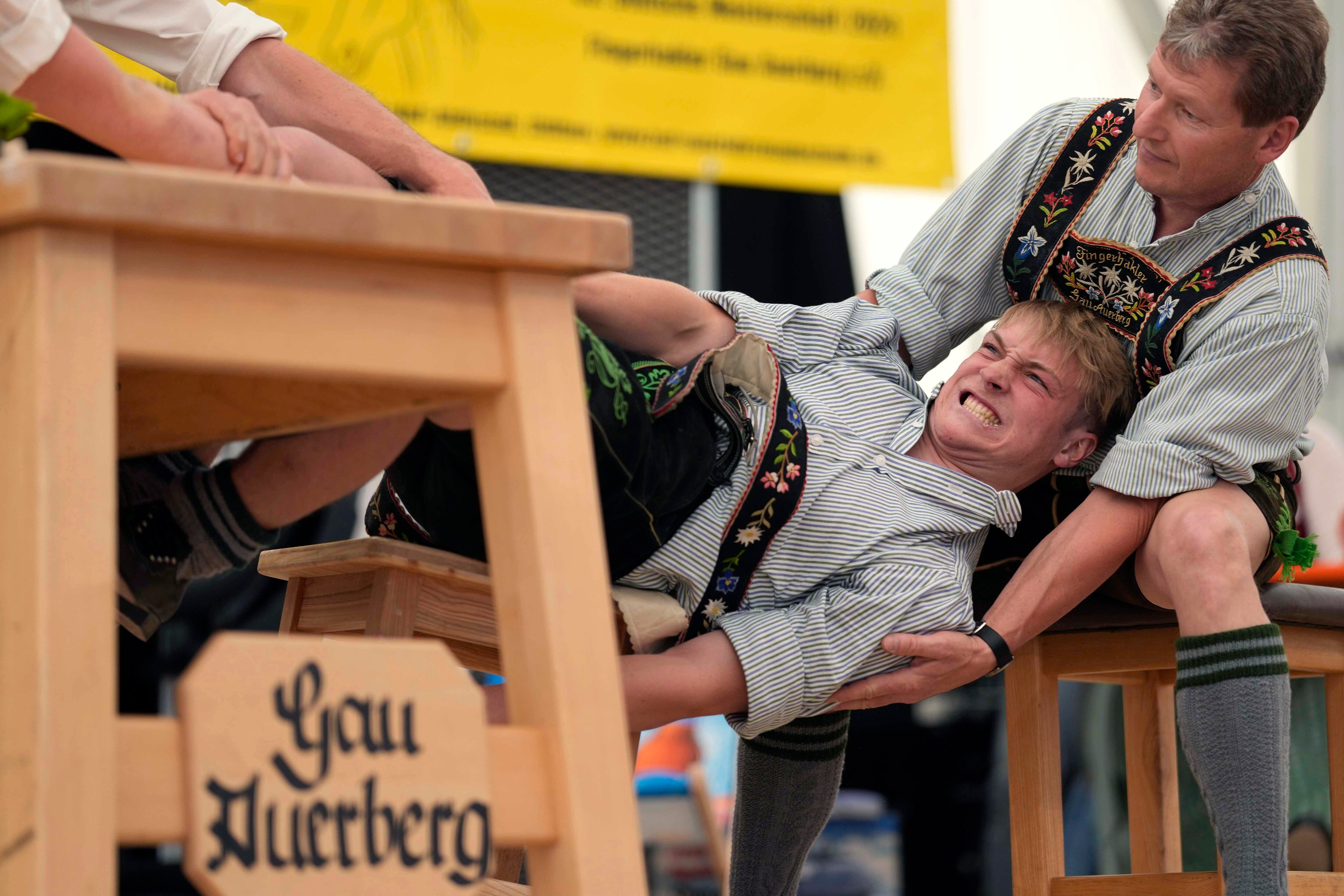
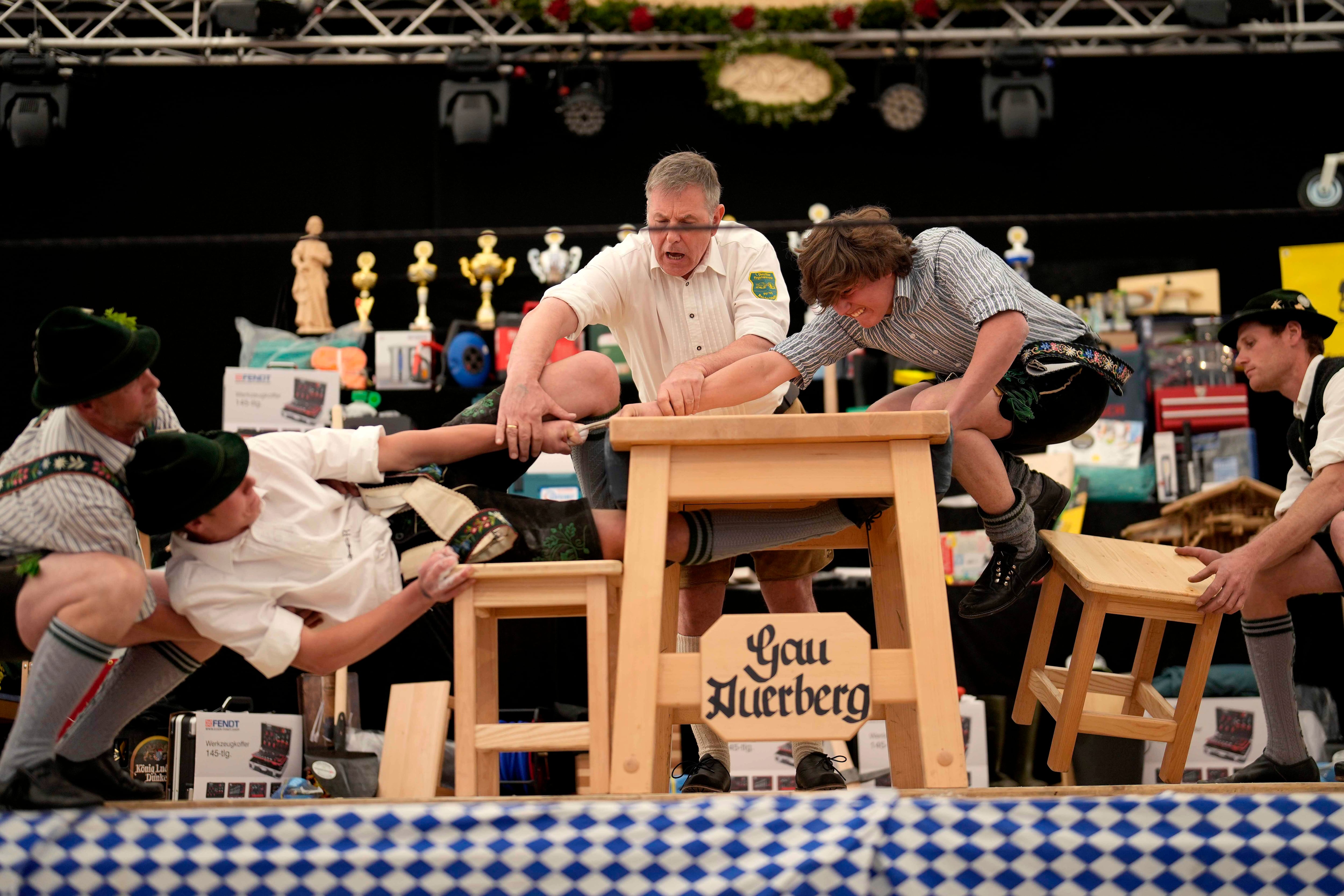
Men dressed in traditional clothes try to pull the opponent over the table at the German Championships in Fingerhakeln or finger wrestling, in Bernbeuren, Germany, Sunday, May 12, 2024. (Matthias Schrader/Associated Press)
Despite the threat of dislocated fingers and strained muscles, over 150 Bavarian men came together Sunday to compete in Germany’s unique national championship of “Fingerhakeln,” or finger wrestling.
The “finger wrestlers” met in a big beer tent in the small southern village of Bernbeuren. Around 1,000 visitors cheered on the all-male contestants as they gulped down their national beer and world-famous German sausages while Bavarian live music filled the air.
Finger wrestling, a well-known competitive sport in Germany’s Alpine region and neighboring Austria, originated as a way to settle disputes.
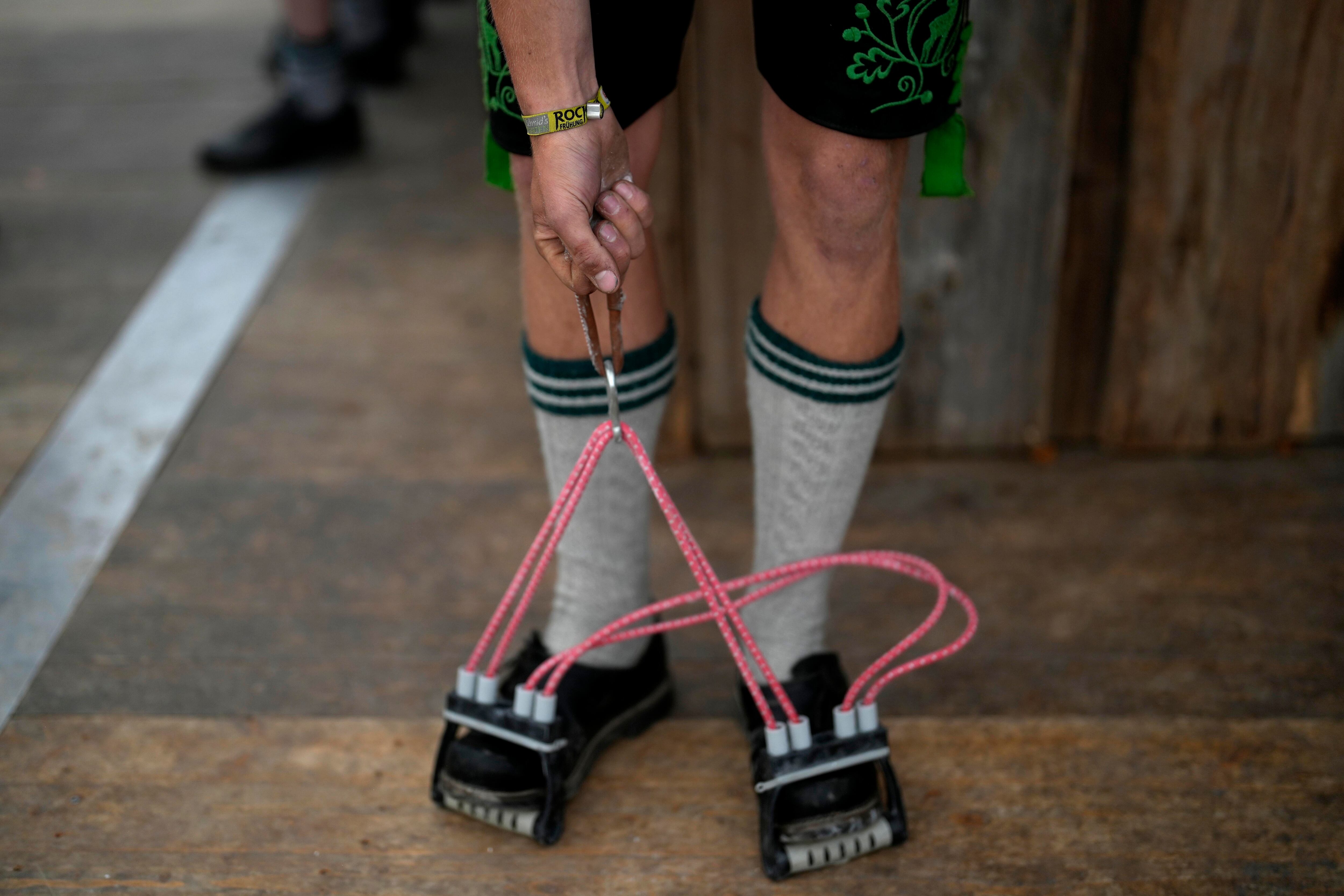
In each round, two competitors sit on opposite sides of a solid table and each hooks one finger — usually the middle finger — through opposite sides of a small leather loop. As soon as a referee signals the start, a contestant tries to pull the other across the table swiftly. The whole thing usually lasts a few seconds, and digits put out of their joints are common. The winner moves to the next round.
“This tradition has been popular for a very long time in beer houses and pubs across the region,” said Marie-Therese Eierstock, the head of the Fingerhakler Gau Auerberg association, founded in 1961 and organized this year’s championship.
Customarily, only men are allowed to participate in finger-wrestling competitions.
At Sunday’s tournament, the youngest competitor was 15 years old and the oldest 70, Eierstock said.
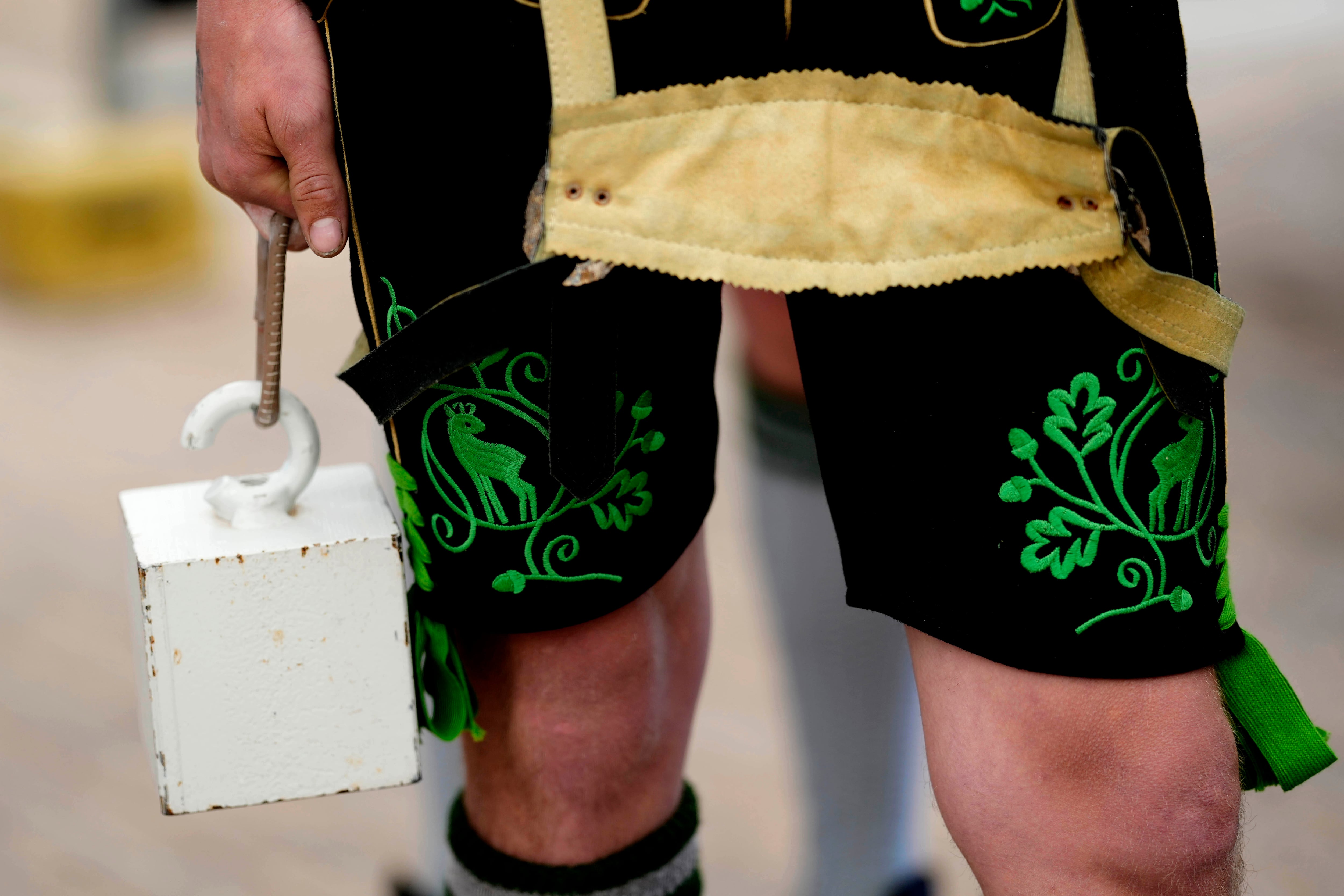
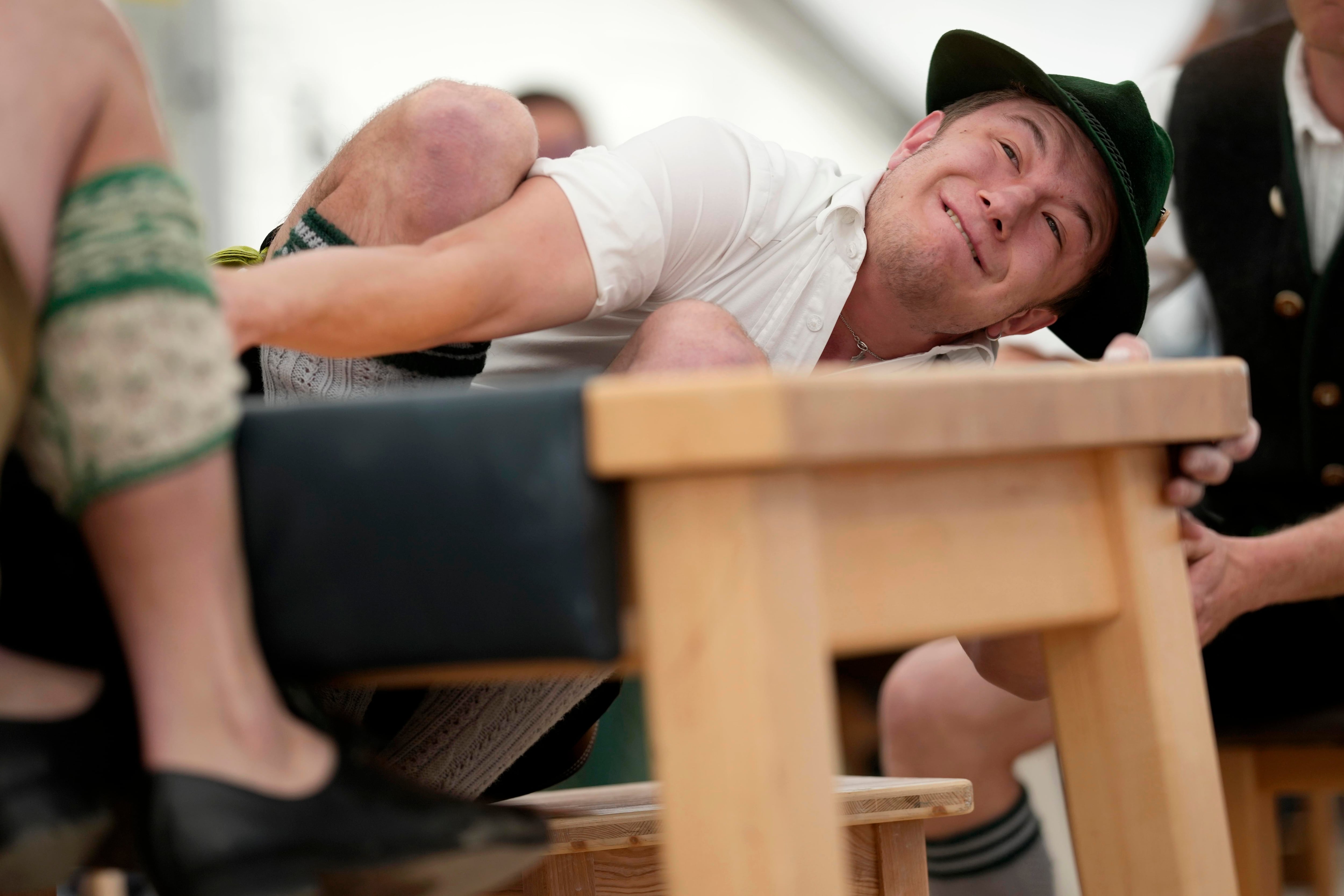
A competitor warms up for his bout at the German Championships in Fingerhakeln or finger wrestling, in Bernbeuren, Germany, Sunday, May 12, 2024. (Matthias Schrader/Associated Press)A competitor warms up for his bout, at the German Championships in Fingerhakeln or finger wrestling, in Bernbeuren, Germany, Sunday, May 12, 2024. (Matthias Schrader/Associated Press)(Matthias Schrader/Associated Press)(Matthias Schrader/Associated Press)A young boy in traditional clothes watches a bout at the German Championships in Fingerhakeln or finger wrestling, in Bernbeuren, Germany, Sunday, May 12, 2024. (Matthias Schrader/Associated Press)
U.S. sports betting is booming as NFL and college football fuel massive activity. BetMGM CEO Adam Greenblatt breaks down trends, growth, and what’s next.
President Donald Trump says a deal struck by Netflix last week to buy Warner Bros. Discovery “could be a problem” because of the size of the combined market share. The Republican president says he will be involved in the decision about whether federal regulators should approve the deal. Trump commented Sunday when he was asked about the deal as he walked the red carpet at the Kennedy Center Honors. The $72 billion deal would bring together two of the biggest players in television and film and potentially reshape the entertainment industry.
Disney's changes to a program for disabled visitors are facing challenges in federal court and through a shareholder proposal. The Disability Access Service program, which allows disabled visitors to skip long lines, was overhauled last year. Disney now mostly limits the program to those with developmental disabilities like autism who have difficulty waiting in lines. The changes have sparked criticism from some disability advocates. A shareholder proposal submitted by disability advocates calls for an independent review of Disney's disability policies. Disney plans to block this proposal, claiming it's misleading. It's the latest struggle by Disney to accommodate disabled visitors while stopping past abuses by some theme park guests.
With a merger this big, creators, studios, and theaters all face uncertain futures. Here’s what experts are worried about and what good could come from it.
With disengagement rising and hybrid work shifting, 'Everybody Matters' author Bob Chapman explains why treating people well could define the future of work.
We sat down with Ali Furman, U.S. Consumer Markets Industry Leader at consulting firm PwC to ask what trends she garnered from the initial data this year.