Snap Analyst: Company Recognizes it Needs to Change
Snap stock has been on a roller coaster since reporting earnings after the bell Tuesday.
After dropping about 20 percent in after-hours trading, shares of the messaging app pared losses and even turned briefly positive after the announcement that China's Tencent, the owner of WeChat, had quietly amassed a 12 percent stake in the company over the last several months. The stock, though, turned lower again by the time markets opened, as investors may have realized the buy was made before the company's earnings report.
Tencent's move may not have come as a surprise, though. The company has had a good relationship with Snap CEO Evan Spiegel, according to GBH Insights’ chief strategy officer Daniel Ives.
Ives told Cheddar on Wednesday that this move opens the door for Snap to potentially grow in China, something that rivals like Facebook have struggled to do. Spiegel has come under fire in the past for not wanting to expand into emerging markets, but Ives points out that apparently, his tune has changed.
In its earnings report, Snap also admitted that its image messaging and multimedia mobile app is not as user-friendly as it could be. As a result, the company has decided to do a major redesign, which may hinder growth in the short-term. But the company hopes the overhaul will yield benefits in the long run.
Ives says redesigning the app and changing the company’s strategy is “a step in the right direction.”
“They’re going through maturation since going public,” he said. “It’s a learning experience for them … and now this is a huge ‘prove me’ time for Snap over the next 6 to 9 months.”
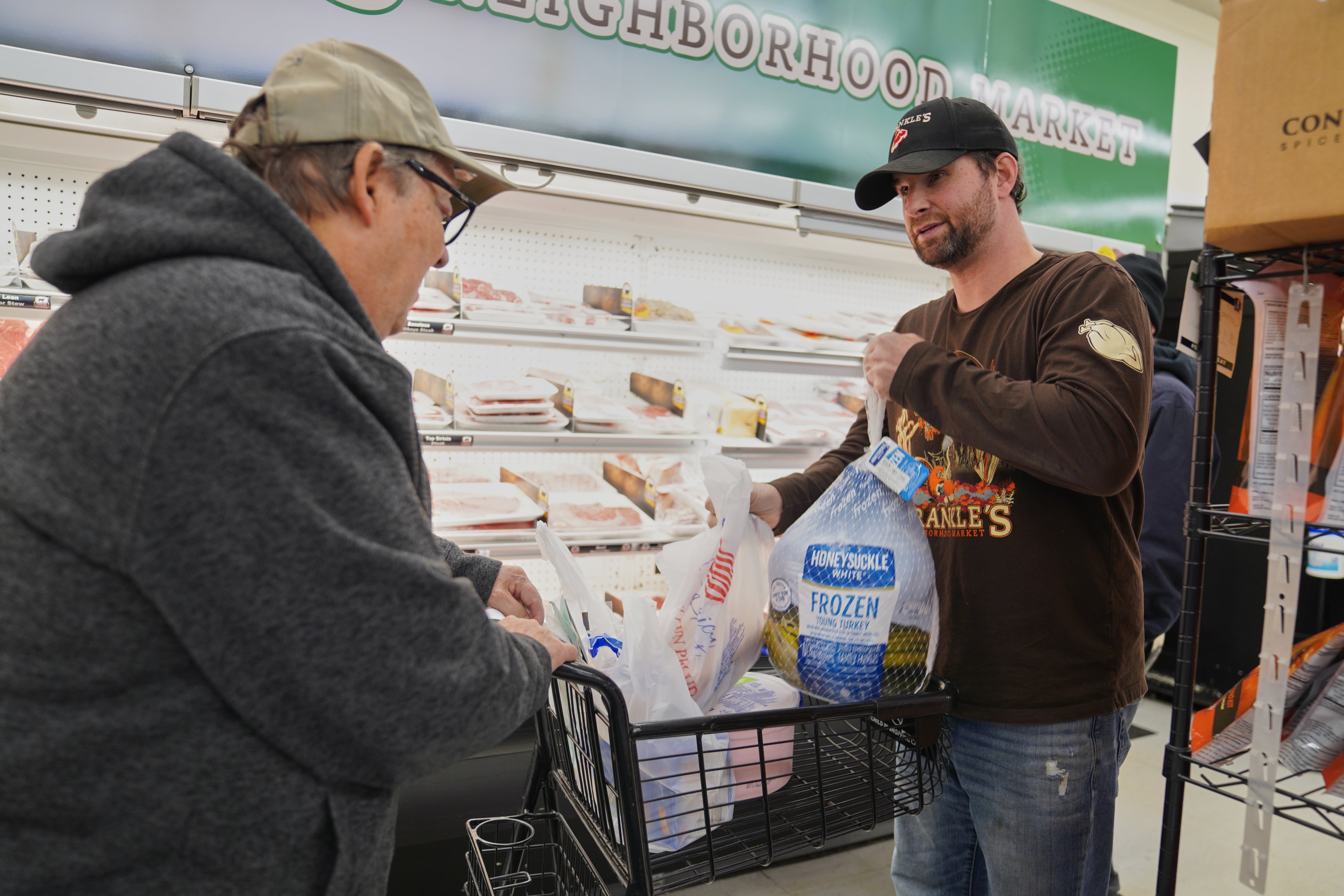
Some small grocery stores and neighborhood convenience stores are eager for the U.S. government shutdown to end and for their customers to start receiving federal food aid again. Late last month, the Trump administration froze funding for the SNAP benefits that about 42 million Americans use to buy groceries. The U.S. Department of Agriculture says about 74% of the assistance was spent last year at superstores like Walmart and supermarkets like Kroger. Around 14% went to smaller stores that are more accessible to SNAP beneficiaries. A former director of the United Nations World Food Program says SNAP is not only a social safety net for families but a local economic engine that supports neighborhood businesses.
Andy Baehr, Head of Product at CoinDesk Indices, breaks down crypto’s Black Friday crash, Bitcoin dipping under $100K, and what’s driving the market rout.
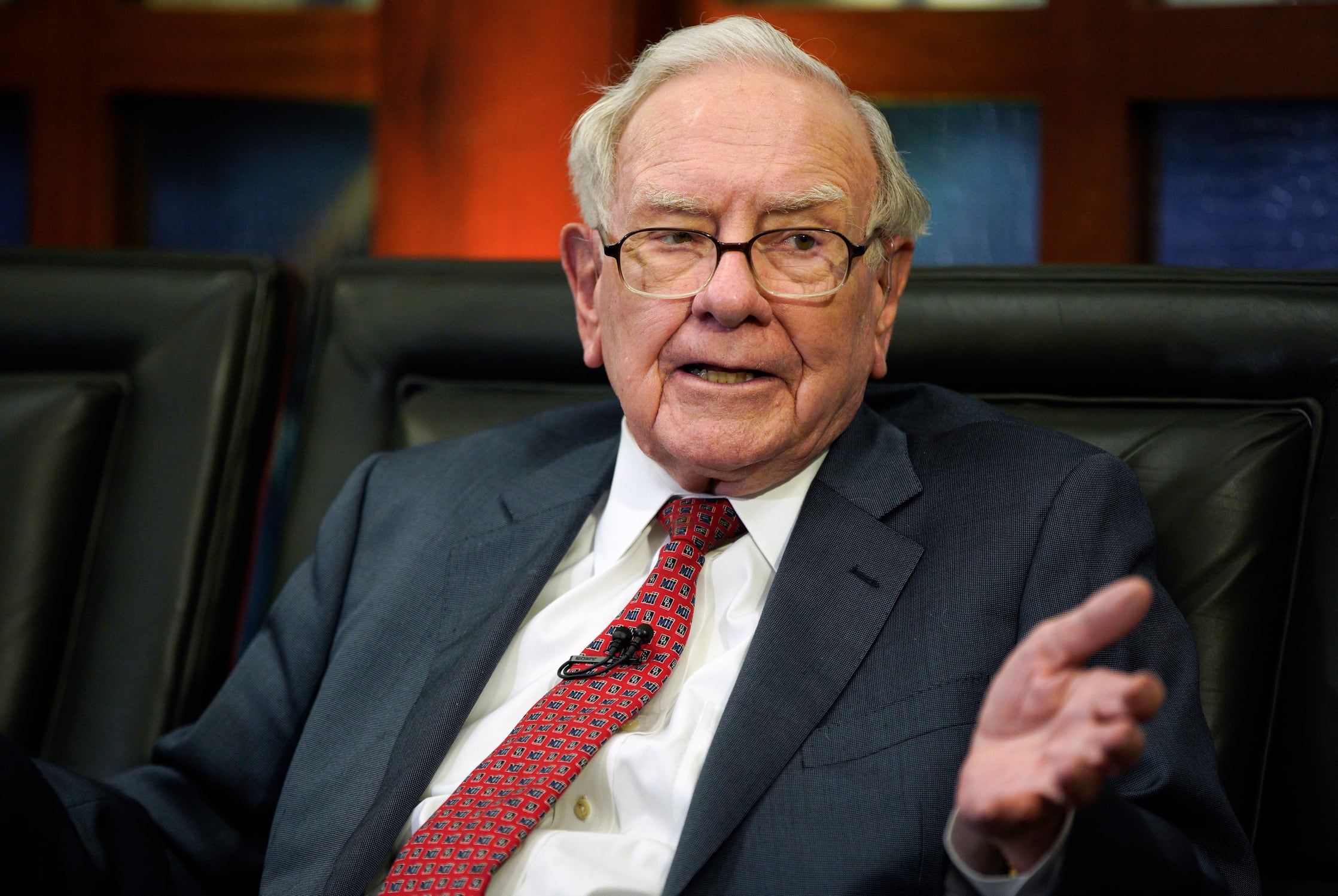
Billionaire Warren Buffett warned shareholders Monday that many companies will fare better than his Berkshire Hathaway in the decades ahead as Father Time catches up
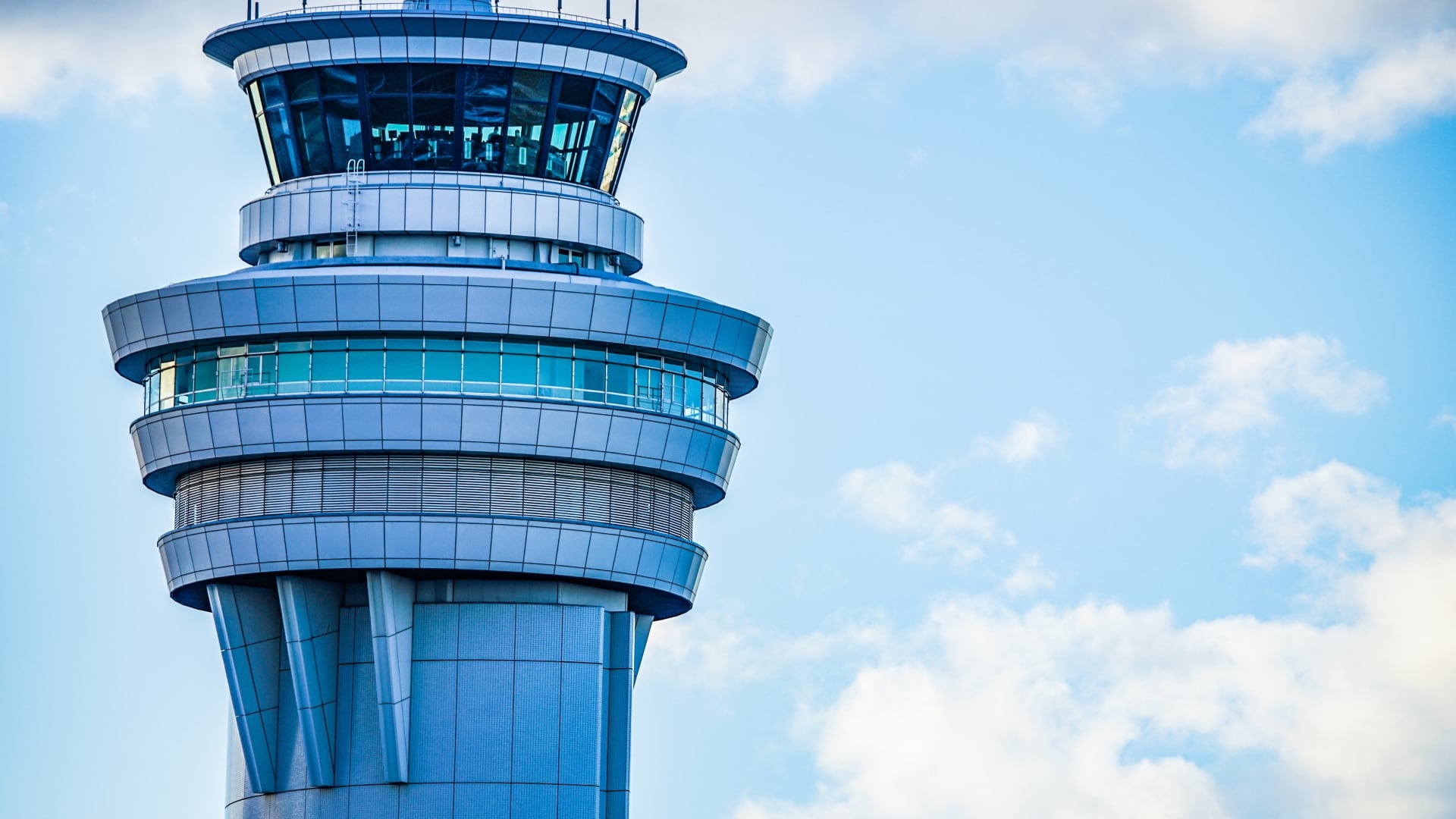
Chris Marquette of POLITICO breaks down how the FAA is cutting flights and facing a critical shortage of air‑traffic controllers amid the government shutdown.
Dr. Manuele Aufiero, CEO & Co‑Founder of Sizable En a groundbreaking undersea energy‑storage technology powering the global shift to clean, scalable power.
Paul Fipps, President of Global Customer Operations at ServiceNow, breaks down the company’s earnings beat, 5‑for‑1 stock split and booming enterprise AI demand