The federal government's partial ban on flavored vape products went into effect at 12:01 a.m. Thursday, capping a year of backlash, lobbying, and patchwork laws meant to respond to what public health officials consider to be an epidemic of teen vaping.
The efficacy of the ban, however, remains an open question. Juul, by far the leading brand of pod-based e-cigarettes, had already voluntarily removed its flavored products from the market, leaving just menthol and tobacco (the two flavors not affected by the FDA's ban). And, as reported recently by the New York Times, many teens have already moved on to disposable vapes, which are exempt from the federal ban in a major loophole.
Lauren Williams, a Kentucky high-school teacher, told the Times: "Students were telling me that everybody had gone to Puff Bars, which are disposable ... the one we confiscated here this week is Banana Ice. Students are not using Juuls anymore because no one wants menthol or tobacco."
In addition to tobacco and menthol flavors, the ban also has carve-outs for "mods," the more advanced e-cigarettes sold in vape shops. That exemption was intended to mollify the vape-shop industry, which said it faced extinction if those were to be regulated. It is also unclear how the FDA will enforce the ban given that vape products are typically sold in convenience stores, of which there are more than 150,000 in the country, according to the industry's trade group. Most of those stores are not part of larger national chains that could institute company-wide implementation efforts.
The FDA, for its part, says that it will closely monitor the marketplace and has an enforcement plan in place.
The partial federal ban follows several other state bans, including one in New York that was blocked by a state judge last month. And on the first day of the federal ban, the now-outlawed flavored pods were still available on some store shelves in Lower Manhattan ー priced at nearly double the cost of the tobacco flavors.
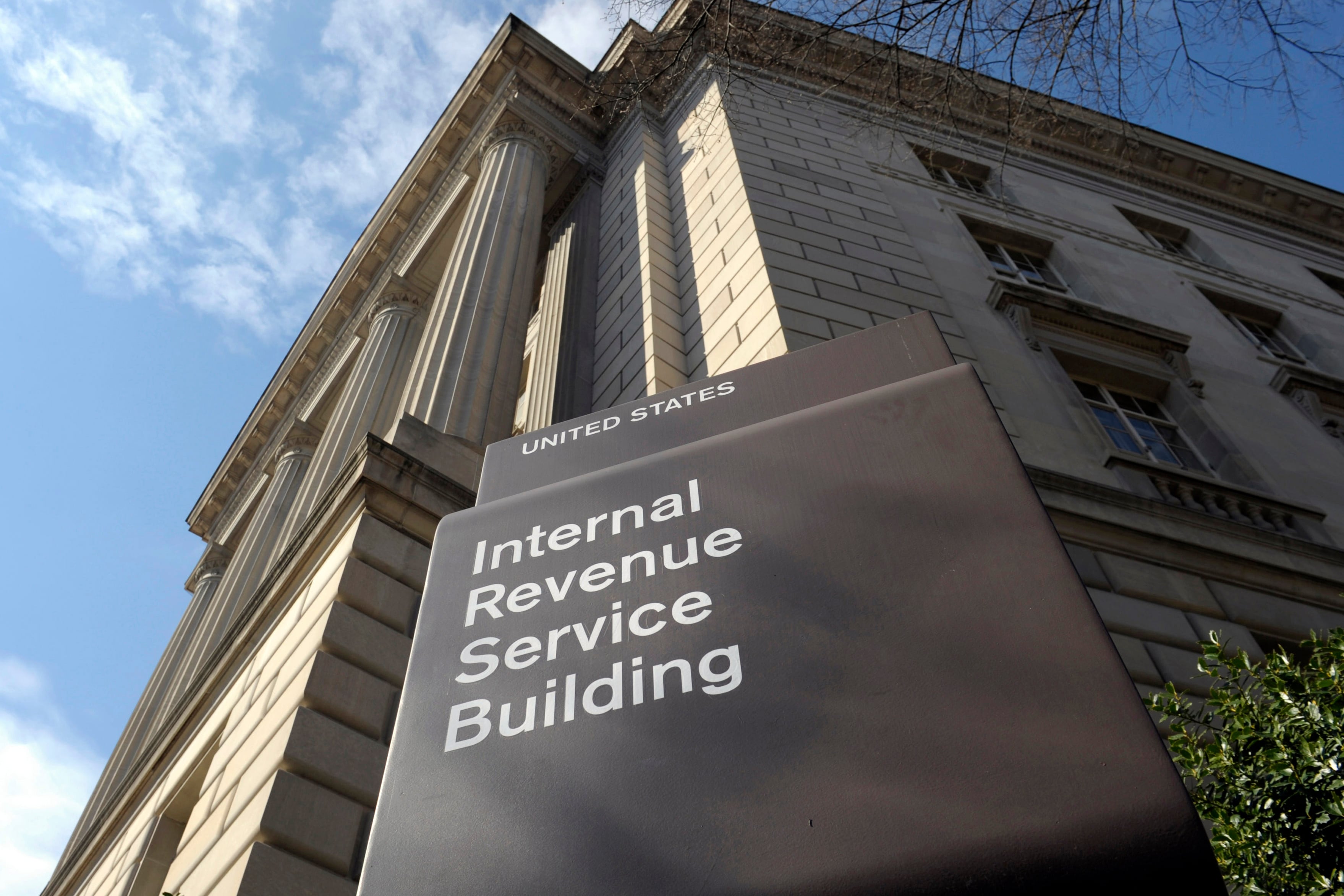
An independent watchdog within the IRS reports that while taxpayer services have vastly improved, the agency is still too slow to resolve identity theft cases. And National Taxpayer Advocate Erin Collins says those delays are “unconscionable.” Erin M. Collins said in the report released Wednesday that overall the 2024 filing season went smoothly, though IRS delays in resolving identity theft victim assistance cases are worsening. It took nearly 19 months to resolve self-reported identity theft cases as of January, and Wednesday's report states that now it takes 22 months to resolve these cases.
Amazon.com Inc. surpassed $2 trillion in market value for the first time in afternoon trading on Wednesday. The push higher for Amazon’s stock market valuation comes a little more than a week after Nvidia hit $3 trillion and briefly became the most valuable company on Wall Street. Nvidia’s chips are used to power many AI application and its valuation has soared as a result. Amazon has also been making big investments in AI as global interest has grown in the technology. Most of the company’s focus has been on business-focused products.
Climate change doesn’t just mean more extreme weather – it also leads to billions of dollars in lost productivity, tourism, and stresses infrastructure.