Everyone has those quirky tendencies, but how do we hone in those attributions and create innovation? Melissa Schilling, Author of "Quirky" and Lydia Dishman, Reporter at Fast Company join This Changes Things to discuss different strategies to becoming a great leader.
Schilling explains some of the top traits she found that could categorize someone as quirky. She says nearly all exhibit very high levels of social detachment that enables them to break with norms and they all have extreme, almost maniacal, faith in their ability to overcome obstacles. She sites Steve Jobs and Elon Musk as some of the best innovators of our time.
However, how can you foster your own quirkiness or the quirkiness of your employees? Dishman explains that in order to foster a great environment for success every leader needs to have a purpose and emotional intelligence. She explains that those "soft skills" are going to be an important job requirement in the future.
Jeff Burnstein, President of the Association for Advancing Automation (A3), discusses humanoid robots, AI, smart manufacturing, and the future of U.S. industry.
Should kids be banned from social media? Nick Lichtenberg of Fortune breaks down the global push to restrict under-16 users and what it means for Big Tech.
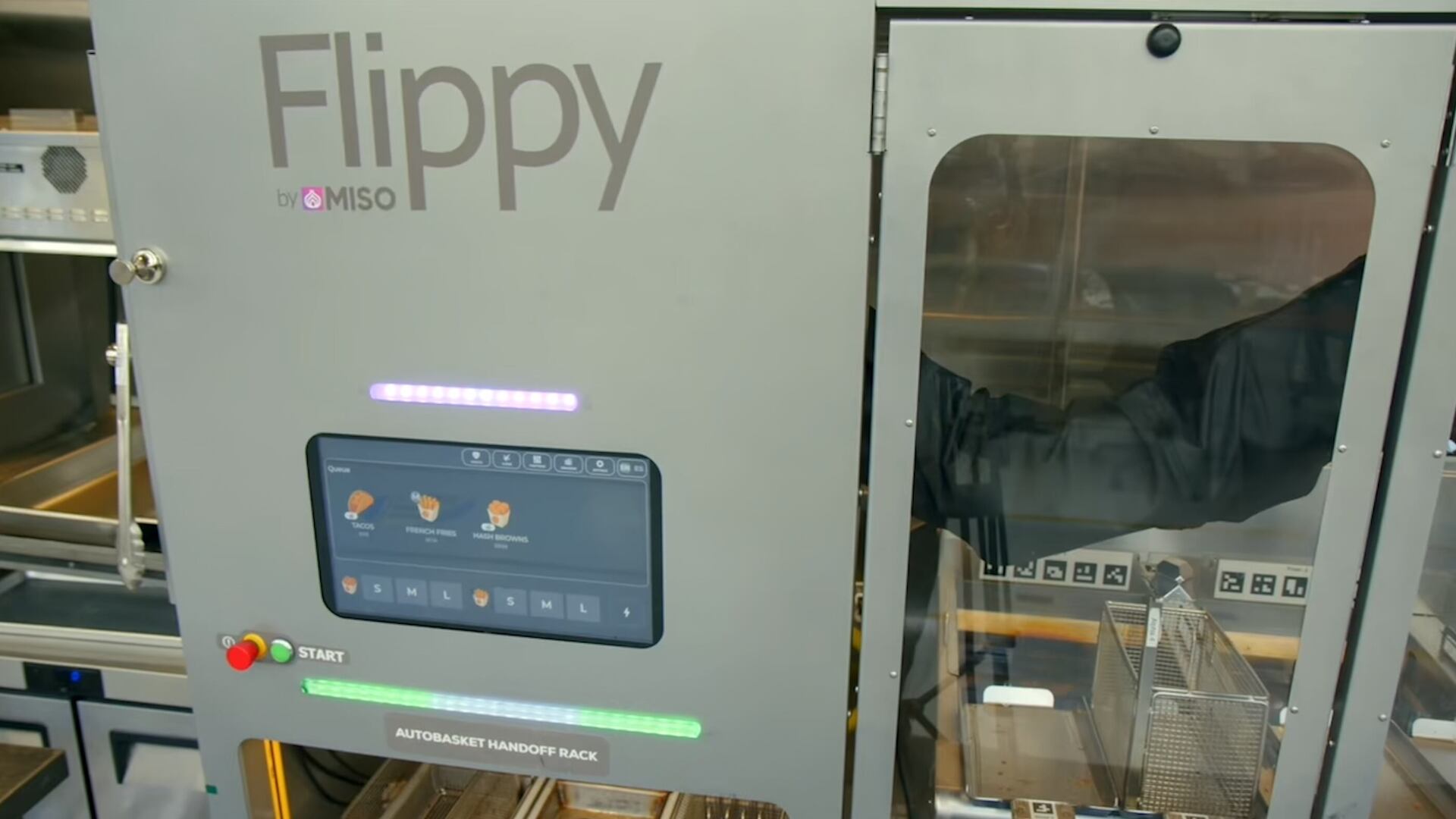
Miso Robotics CEO Rich Hull discusses Flippy Fry Station, the future of AI-powered restaurant automation and how acquiring Zume's IP could reshape food robotics
After two years of AI-fueled spending, Wall Street is asking what's next. Gil Luria breaks down monetization, valuations, winners, losers, and AI's future.
FIFA’s soccer World Cup promises to deliver $11.1 billion in spending and $30.5 billion economic impact for the U.S., but how much is it really helping?