By Christopher Rugaber
The U.S. job market is nearly healthy enough that the central bank's low-interest rate policies are no longer needed, Federal Reserve officials concluded last month.
Fed officials also expressed concerns in minutes from its December meeting, released Wednesday, that surging inflation was spreading into more areas of the economy and would last longer than they previously expected.
“Many (policymakers) saw the U.S. economy making rapid progress" toward the Fed's goal of “maximum employment,” the minutes said. “Several” officials said they felt the goal had already been reached. The economy is still roughly four million jobs short of its pre-pandemic level, though some Fed policymakers increasingly believe that all those jobs may not be recovered, at least not anytime soon, as older Americans retire and some former workers stay home to take care of children.
The minutes underscored the Fed’s sharp pivot from what had been its policy through most of the pandemic, as it shifts from keeping interest rates very low to encourage more hiring, to moving quickly towards raising rates to rein in inflation, which has surged to four-decade highs.
Fed officials also voiced rising concerns about inflation, saying that faster rate hikes may be needed, and signaling that they could start reducing the Fed's huge portfolio of bonds more quickly than expected. Those moves pushed down stock prices after the minutes were released, with the Dow Jones Industrial Average falling almost 400 points at the close of trading. Bond yields also rose in response. The yield on the 10-year Treasury note, a benchmark for setting rates on mortgages and many other kinds of loans, increased to 1.7% soon after the minutes were released, from 1.68% just before.
“Inflation readings had been higher and were more persistent and widespread than previously anticipated,” the minutes said. “Some participants noted that ... the percentage of product categories with substantial price increases continued to climb.”
“The minutes ... reflected policymakers’ rising discomfort with elevated inflation and stronger confidence in the recovery of the economy and the labor market despite the downside risks due to the Omicron variant,” Kathy Bostjancic, chief U.S. financial economist at Oxford Economics, said in a research note.
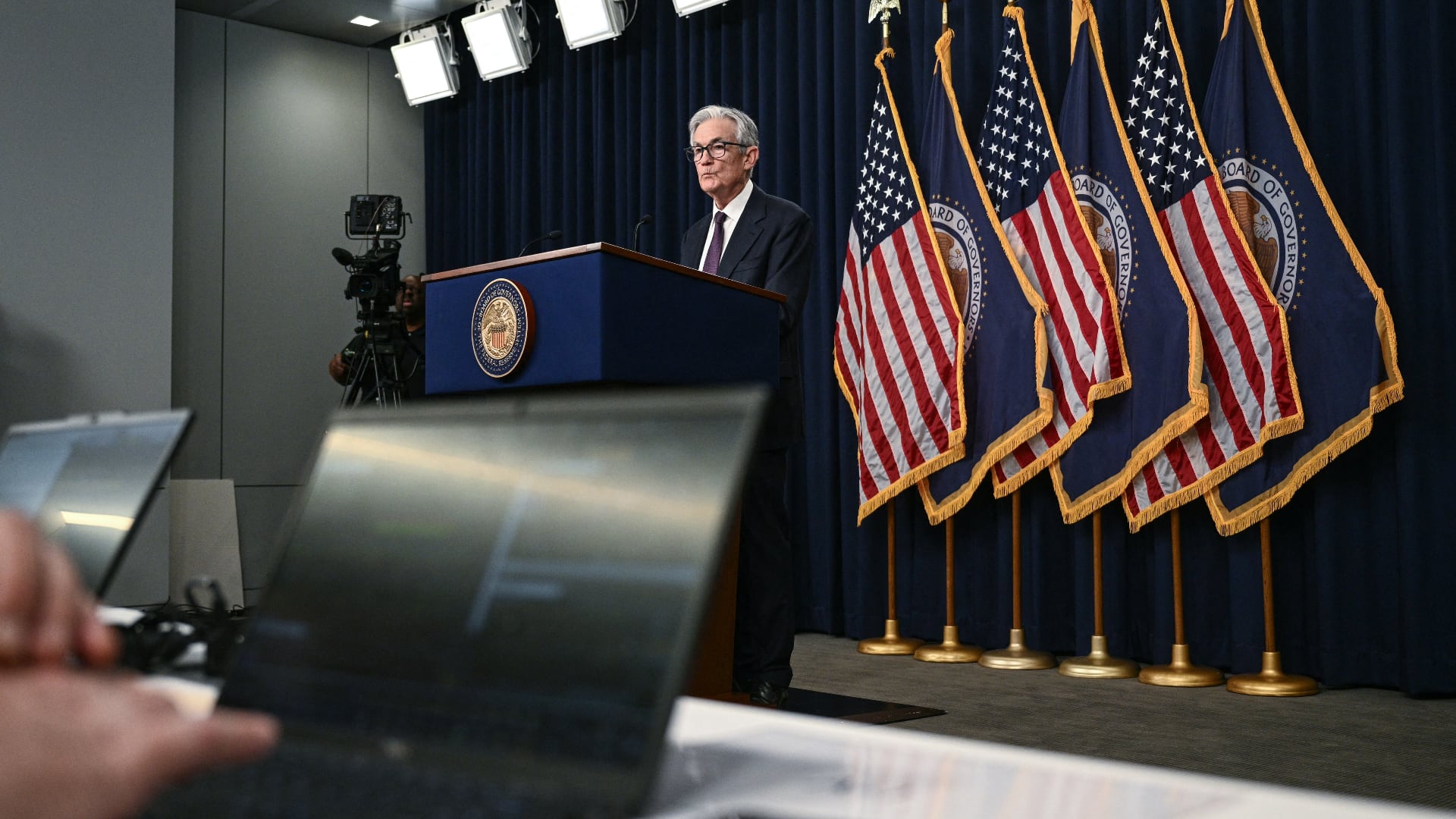
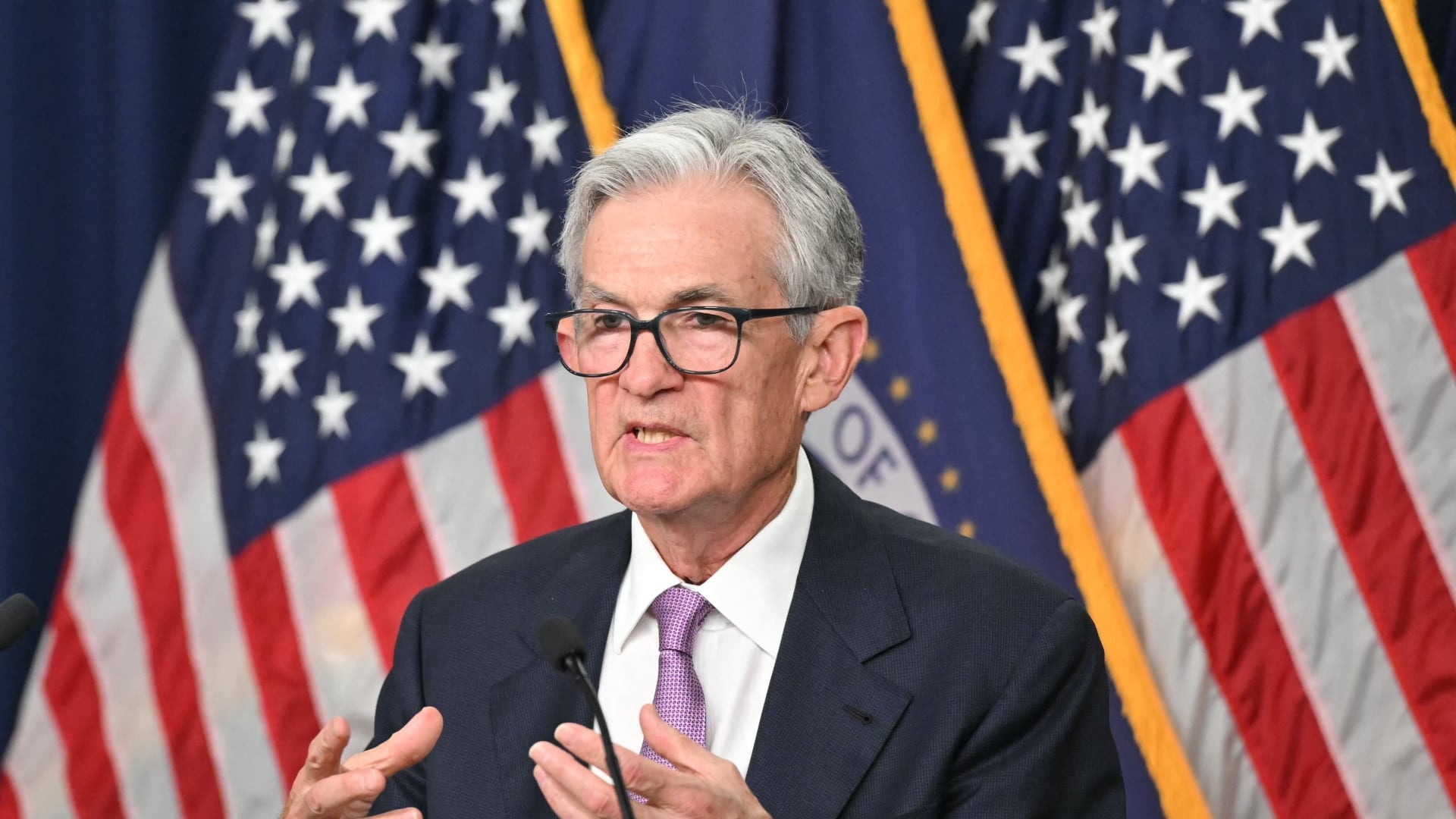
With inflation worsening and unemployment falling more quickly than many economists expected, Fed Chair Jerome Powell said after the Dec. 14-15 meeting that the central bank was accelerating the reduction of its ultra-low interest rate policies.
The Fed said last month that it would reduce the monthly bond purchases it has made since the spring of 2020 — which are intended to lower long-term rates — at twice the pace it had previously set and will likely end those purchases in March. The accelerated timetable puts the Fed on a path to start hiking its benchmark short-term interest rate as early as this June.
Fed policymakers in December also suggested they could hike the Fed's short-term benchmark interest rate three times this year. That signaled a significant pickup from their September meeting, when the 18 policymakers split over whether to lift rates a single time in 2022.
Even Fed officials who have long been focused on keeping rates low to combat unemployment — such as San Francisco Federal Reserve Bank President Mary Daly and Minneapolis Fed President Neel Kashkari — now cite concerns about high inflation as a reason for raising interest rates this year.
The Fed’s key rate, which has been pinned near zero for nearly two years, influences many consumer and business loans, including mortgages, credit cards and auto loans. Rates for those loans may start to rise, too, later this year, though changes in Fed policy don't always immediately feed into other borrowing costs.
Since the pandemic struck in March 2020, the Fed has purchased more than $4.5 trillion in Treasurys and mortgage-backed securities, more than doubling its financial holdings to nearly $8.8 trillion. At last month's meeting, Fed officials discussed when and how quickly they would reduce those bond holdings, another step that could lift interest rates, and suggested they could start doing so this year, after the first interest rate hike.
That would be much more quickly than after the Fed's last round of bond purchases, known as “quantitative easing,” which it implemented in several stages after the 2008-2009 Great Recession.
The Fed didn't start reducing its bond holdings then until October 2017, nearly two years after it first hiked rates.
But in December, Fed policymakers noted that the economy is “much stronger” than it was in 2017, “with higher inflation and a tighter labor market.”
Updated on January 5, 2022, at 4:54 p.m. ET with new approach.