WASHINGTON (AP) — For the first time, federal health officials are taking aim at telehealth companies promoting unofficial versions of prescription drugs — including popular weight loss medications — as part of the Trump administration’s crackdown on pharmaceutical advertising.
The Food and Drug Administration on Tuesday posted more than 100 letters to various drugmakers and online prescribing companies, including Hims & Hers, which has built a multibillion-dollar business centered around lower-cost versions of blockbuster obesity injections.
The FDA warned the company to remove “false and misleading” promotional statements from its website, including language claiming that its customized products contain “the same active ingredient” as FDA-approved drugs Wegovy and Ozempic. The formulations cited by regulators are produced by specialty compounding pharmacies and aren’t reviewed by the FDA.
“Your claims imply that your products are the same as an FDA-approved product when they are not,” states the warning letter, dated Sept. 9.
Hims said Tuesday that it “looks forward to engaging with the FDA.”
“Our website and our customer-facing materials note that compounded treatments are not approved or evaluated by the FDA,” the company said in a statement.
It’s the first FDA attempt to directly police online platforms like Hims, which have long argued they’re not subject to traditional drug advertising rules.
The FDA also posted separate warning letters to manufacturers of the so-called GLP-1 drugs, taking issue with a 2024 infomercial featuring Oprah Winfrey. Regulators said the 42-minute TV segment from Eli Lilly and Novo Nordisk gave a “misleading impression” about the safety of Zepbound, Wegovy and similar “drugs with multiple serious, potentially life-threatening risks.”
Health Secretary Robert F. Kennedy Jr. has long been a critic of the pharmaceutical industry, including GLP-1 drugs, and previously suggested Americans can reverse obesity with diet and exercise alone.
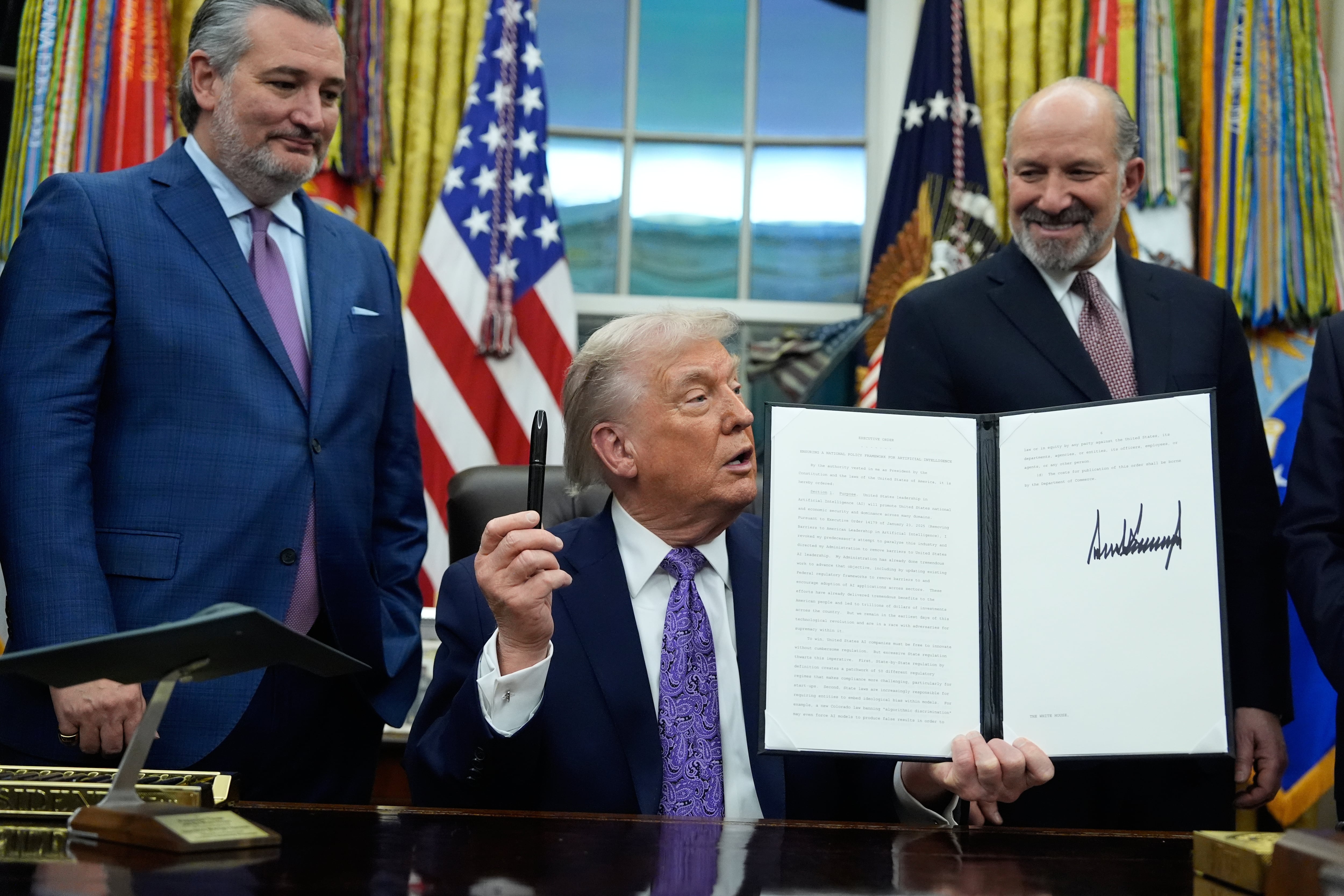
A memo signed by President Donald Trump last week directed Kennedy and the FDA to ensure that pharmaceutical ads on TV, social media and other websites are “truthful and non-misleading.”
The new FDA letters each contain “cease and desist” language. That’s a different approach for the agency, which typically drafts its letters in highly bureaucratic language citing specific FDA regulations.
Hims has been under scrutiny from Washington for some time.
Earlier this year, a Super Bowl ad from the company touted the benefits of its weight-loss medications but didn’t list any of their side effects or potential harms. FDA rules require advertisements to present a balanced picture of drug risks and benefits.
Makary singled out the ad in last week’s Journal of the American Medical Association, calling it a “brazen” example of how advertising is “contributing to America’s culture of overreliance on pharmaceuticals for health.”
Hims and similar companies initially sold cheap generic versions of drugs for hair loss, erectile dysfunction and other health issues. But booming demand for obesity medications opened the door to selling cheaper copies.
The FDA permits so-called compounding, or customized production, when there is a shortage of the official versions of FDA-approved medications.
FDA recently determined that GLP-1 drugs no longer met the criteria for a shortage. That should have ended the compounding, but there is an exception: The practice is still permitted when a prescription is customized for the patient.
Hims and other companies have taken to offering “personalized” dosages and formulations for certain patients, arguing they offer extra benefits.
Shares of San Francisco-based Hims & Hers Health Inc. fell more than 6.47% in trading Tuesday.
The letters posted Tuesday come from FDA’s drug center.
A letter posted last week from FDA’s vaccine division took issue with a TV ad for AstraZeneca’s FluMist vaccine, saying the spot’s “background music and visual distractions” detract from information about side effects. The letter was signed by FDA vaccine chief Dr. Vinay Prasad, an ally of Kennedy who recently returned to his job at the agency after briefly being forced to step aside.
Researchers and consumer advocates have long complained that the upbeat TV images of patients enjoying life with family and friends often overshadow discussions of side effects.
Additionally, studies have shown that patients exposed to drug ads are more likely to ask their doctors about the medication, even if they don’t fit the prescribing criteria. The American Medical Association, the nation’s largest physician group, came out in support of a ban in 2015, citing TV advertising’s role in “inflating demand for new and more expensive drugs.”
___
The Associated Press Health and Science Department receives support from the Howard Hughes Medical Institute’s Science and Educational Media Group and the Robert Wood Johnson Foundation. The AP is solely responsible for all content.