While the coronavirus has impacted millions of Americans across the United States, it has hit the elderly population particularly hard. In fact, more than 40 percent of coronavirus deaths in the U.S. have been linked to long-term care facilities, according to a New York Times survey. In an effort to bring those numbers down, pharmaceutical company Eli Lilly, in partnership with the National Institutes of Health (NIH), has just launched a late-stage antibody treatment trial focusing on residents and staff at nursing homes.
"COVID-19 has had a devastating impact on nursing home residents," Lilly's chief scientific officer Daniel Skovronsky said in a statement. "We're working as fast as we can to create medicines that might stop the spread of the virus to these vulnerable individuals."
The trial is expected to enroll up to 2,400 participants who live or work at a facility and have recently been diagnosed with the disease. The trial will evaluate the safety and success of using LY-CoV555, a potent, neutralizing antibody that works against the spike protein of the novel coronavirus. The trial will look at whether a single dose of the antibody treatment reduces the rate of infection over four weeks as well as symptoms over eight weeks.
"The importance of these kinds of therapies for people like the elderly or immunocompromised is that they can provide the hope and the safety net that these people really need right now," said Andrew Adams, vice president of new therapeutic modalities & COVID-19 research at Eli Lilly, who is overseeing the trial. "I think people in those populations are really desperate and looking for something to help with the coronavirus."
Eli Lilly is taking its trial on the road with customized mobile research units that can travel directly to areas that are experiencing outbreaks.
"This is an interesting solution, to bring the medicine to these vulnerable patients," said Adams. "This lets us be flexible and move these trials around the country, tracking these trials as we come across them."
Adams said he is hoping Eli Lilly will have results on the efficacy of these antibodies in the fourth quarter of this year. Even if successful, though, he says research for a vaccine needs to continue.
"These have to be thought of as more of a bridge, where a vaccine provides long-term protection in terms of years of immunity, where we will provide hopefully in the range of months with these types of treatments. We hope this to be a short-term bridge to the long-term effective vaccination," he said.
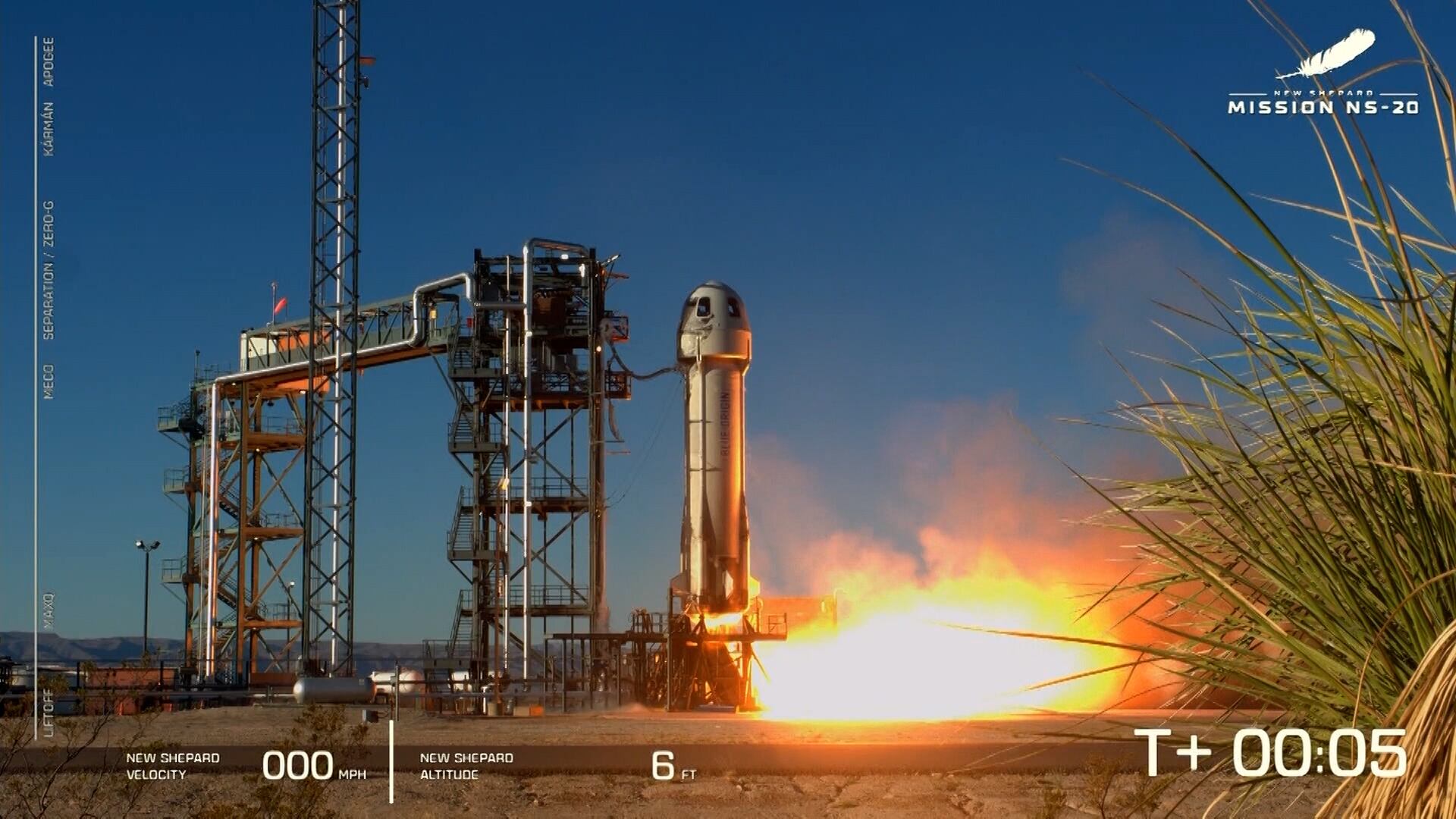
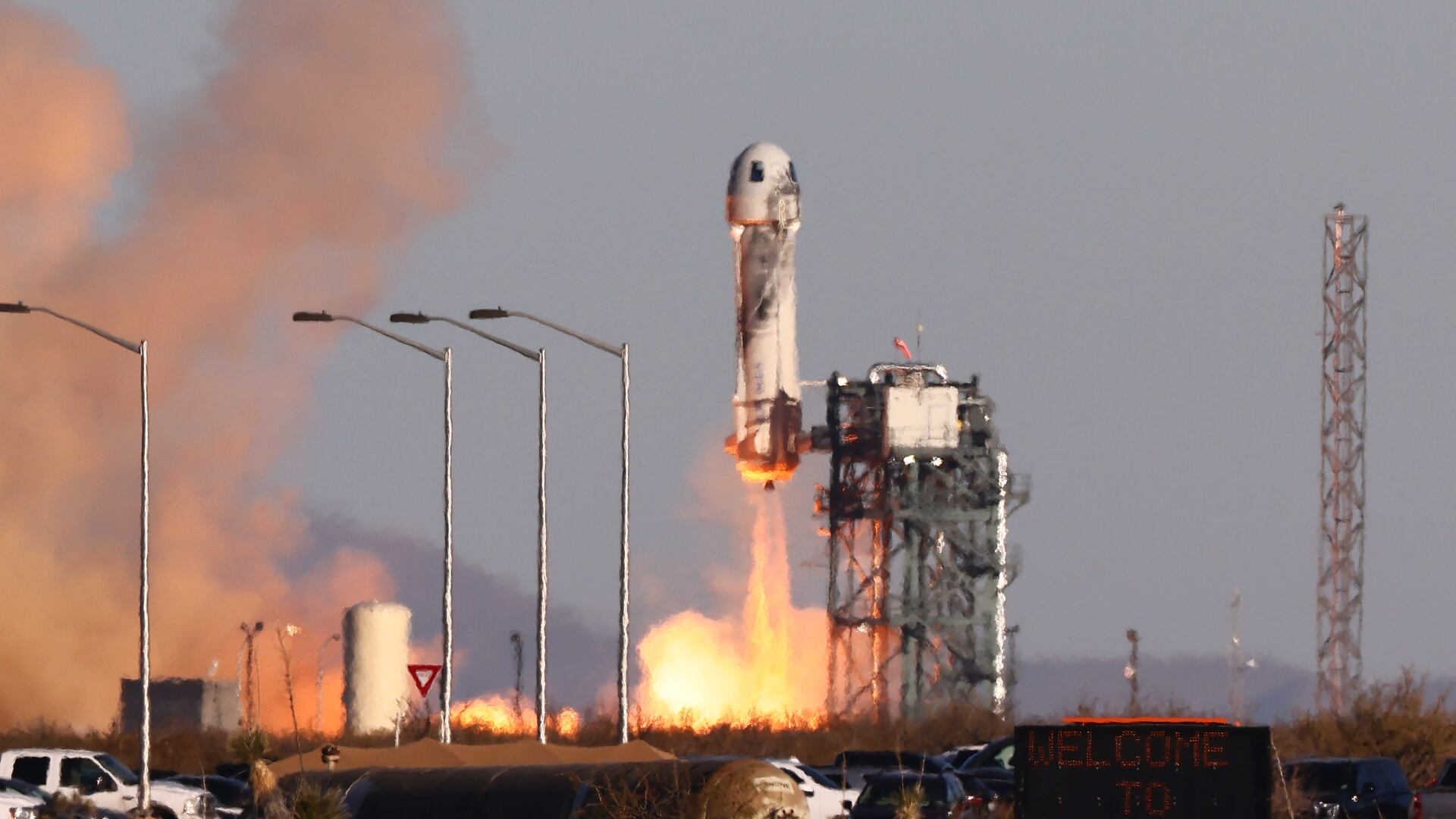
Jeff Bezos’ aerospace company Blue Origin successfully held a fourth civilian launch into space on Thursday. Former NASA Astronaut, Leroy Chiao, joined Cheddar News to talk about the significance of this launch for the future of civilian launches and to discuss the issue of safety. "This is opening space up to more people, raising more awareness, which is good for the entire industry," Chiao said. He also discussed the nature of pricing the tickets for space tourism.
The most popular and most valuable cryptocurrency is also the least eco-friendly - data shows that Bitcoin mining generates the same amount of carbon emissions as the entire country of Thailand. According to nonprofit Fair Planet, 96 million tons of carbon dioxide emissions come from Bitcoin mining every year. Now, a consortium of climate activist groups is calling on the Bitcoin industry to cut its energy use by making changes to its software code. Michael Brune, former executive director of the Sierra Club, joins Cheddar News' Closing Bell to discuss.
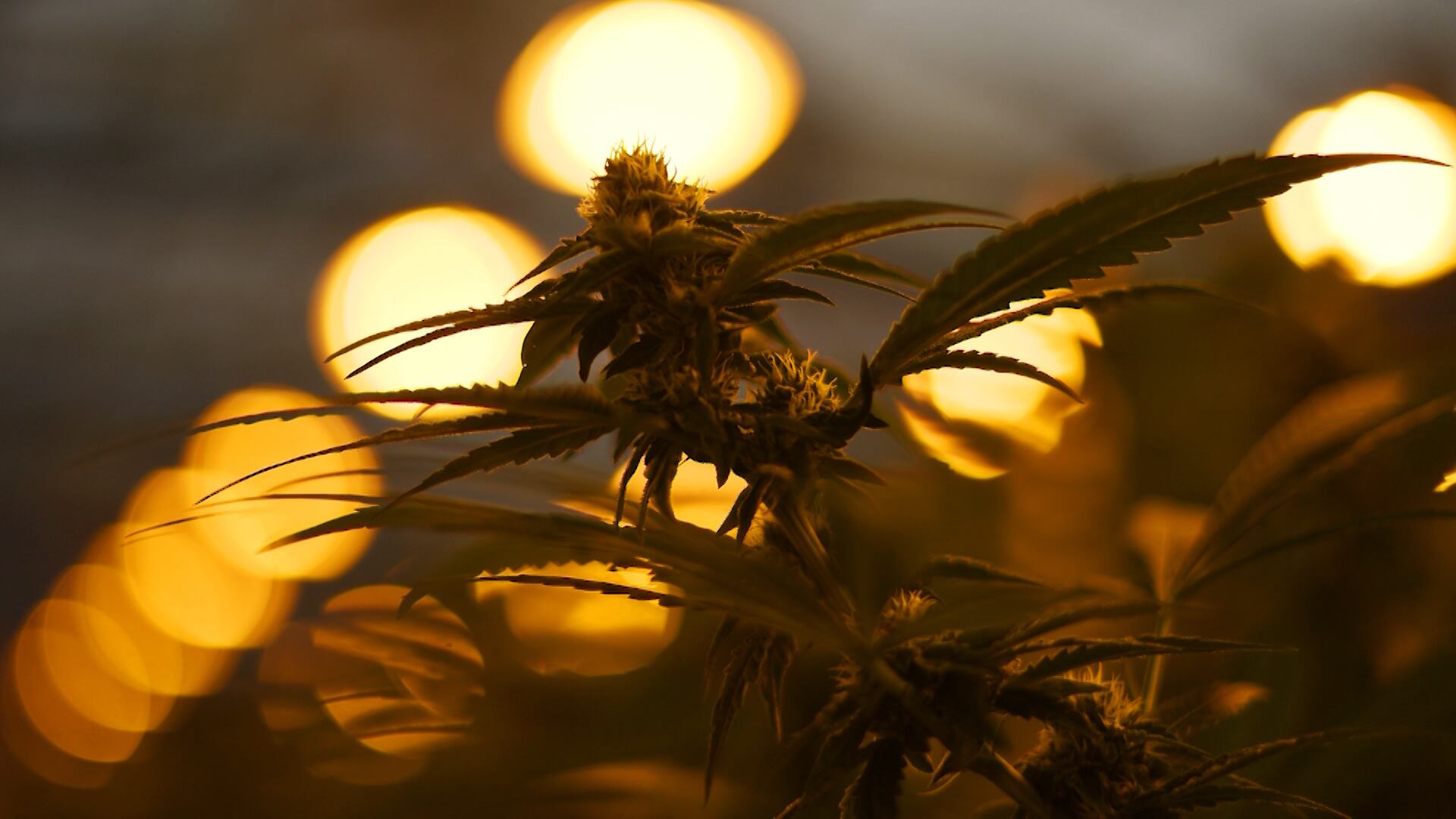
A cannabis software startup is offering a first-of-its-kind perk for its employees - reimbursements for legal cannabis purchases. Jointly Better bills itself as an experience-based cannabis wellness tracker and product platform. In an attempt to attract top talent, the company will reimburse up to $150 a month for its workers' lawful cannabis purchases. David Kooi, co-founder and CEO of Jointly, joins Cheddar News' Closing Bell to discuss.
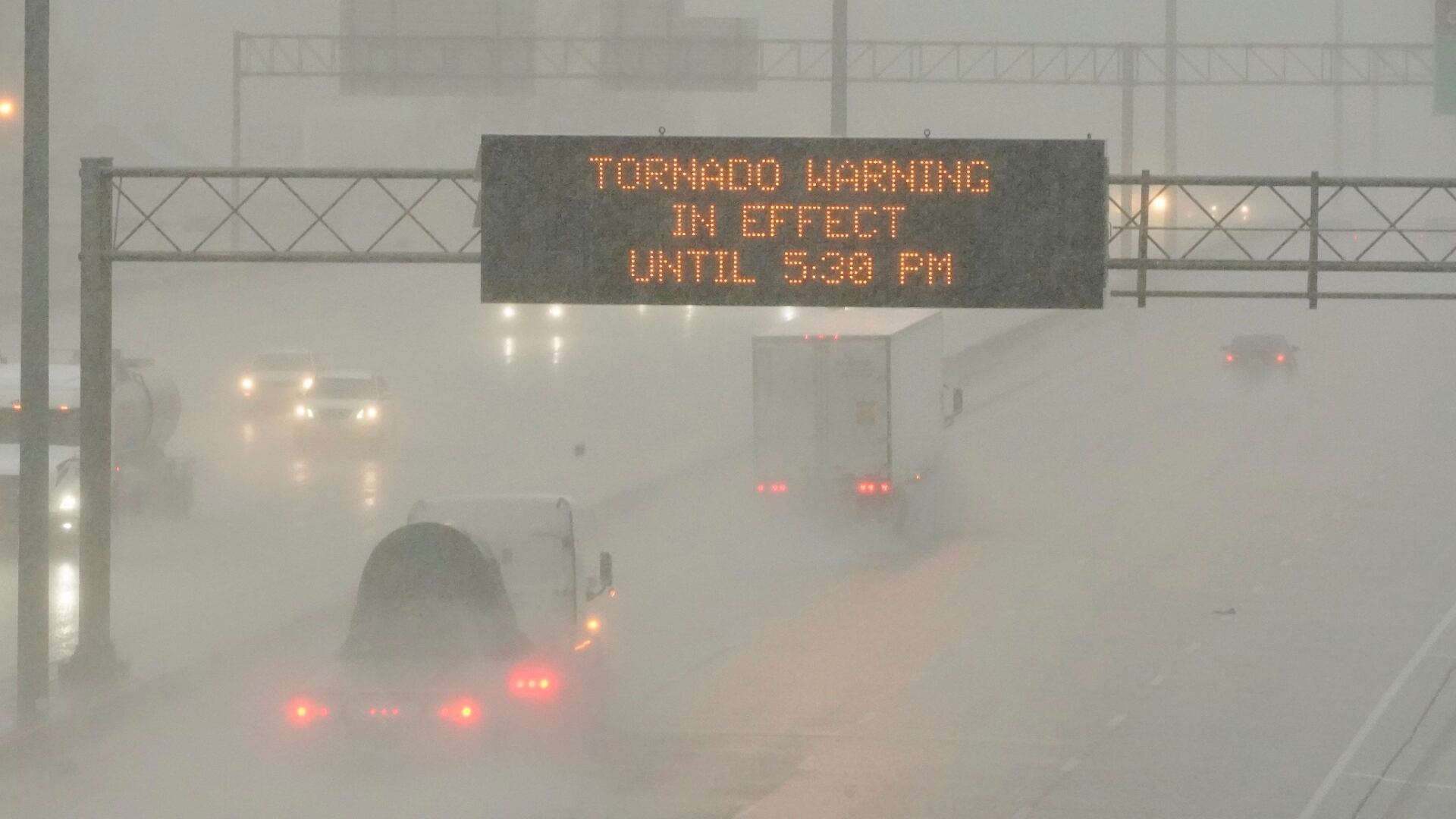
Catching you up on what you need to know on Mar 31, 2022, with updates on Biden's push for more COVID funding, a wave of storms hammering the South, Etsy sellers going on strike, and more.
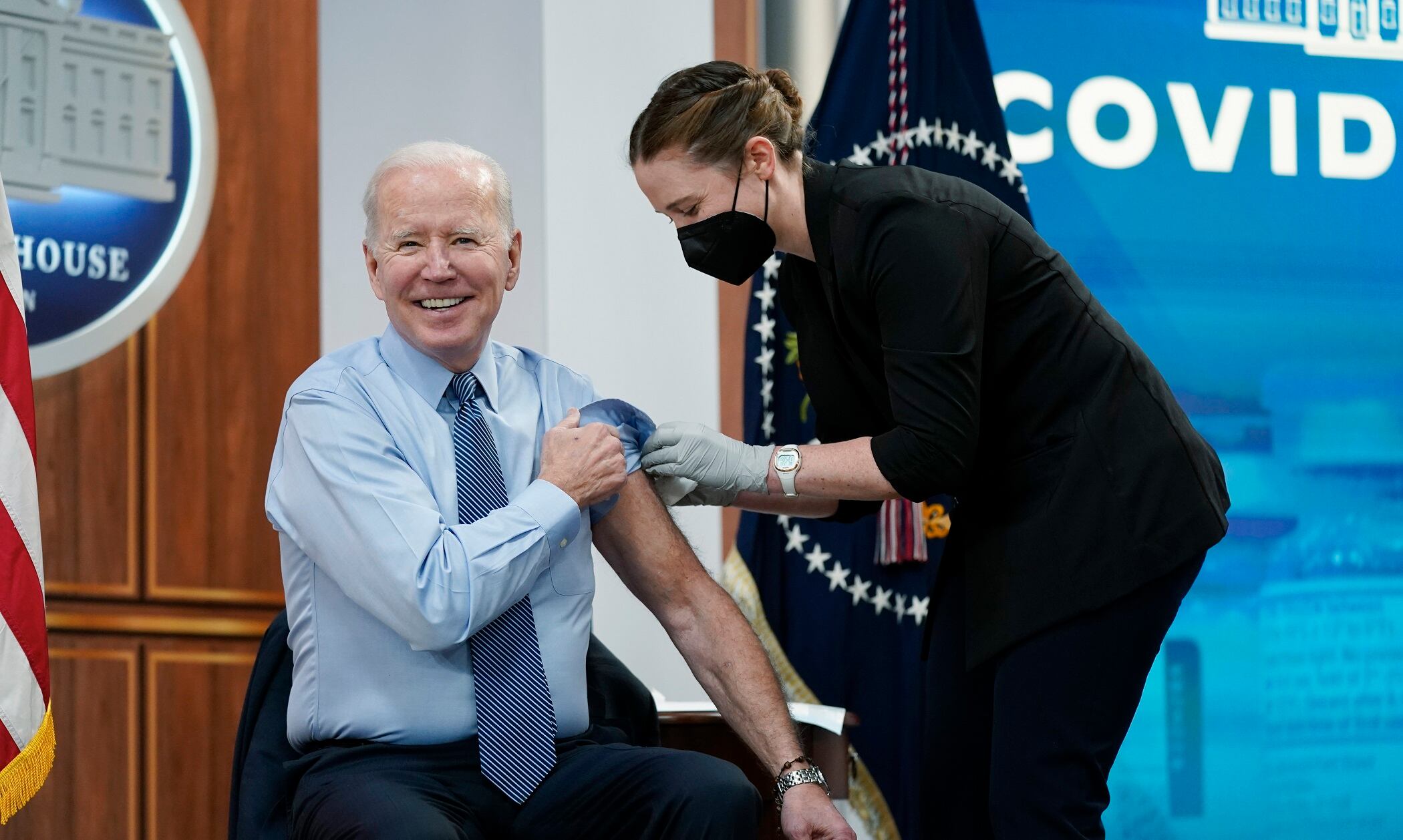
President Joe Biden has gotten a second booster dose of the Pfizer COVID vaccine, and he used the occasion Wednesday to call on Congress to pass billions of dollars in additional funding to fight the pandemic.
Catching you up on what you need to know on March 30, 2022, with updates on what is happening in Kyiv, the FDA releases plans for a fourth dose of COVID vaccines, COVID subvariant BA.2 becomes dominant variant in the U.S., employees at Conde Nast form a union, and more.
A NASA astronaut is back on Earth after a yearlong, record-setting spaceflight. He caught a Russian ride from the International Space Station on Wednesday with two cosmonauts.
Blue Origin is gearing up for its first launch of the year, set for March 31st, but it's not the only one. NASA is also days away from making history with its first private mission to the International Space Station. Three amateur astronauts, who have each paid about $55 million for their seat, will reach the ISS and spend eight days at the off-earth outpost. Jim Cantrell, CEO and co-founder of Phantom Space, joins Cheddar News to discuss what the future of space tourism may look like.