While the coronavirus has impacted millions of Americans across the United States, it has hit the elderly population particularly hard. In fact, more than 40 percent of coronavirus deaths in the U.S. have been linked to long-term care facilities, according to a New York Times survey. In an effort to bring those numbers down, pharmaceutical company Eli Lilly, in partnership with the National Institutes of Health (NIH), has just launched a late-stage antibody treatment trial focusing on residents and staff at nursing homes.
"COVID-19 has had a devastating impact on nursing home residents," Lilly's chief scientific officer Daniel Skovronsky said in a statement. "We're working as fast as we can to create medicines that might stop the spread of the virus to these vulnerable individuals."
The trial is expected to enroll up to 2,400 participants who live or work at a facility and have recently been diagnosed with the disease. The trial will evaluate the safety and success of using LY-CoV555, a potent, neutralizing antibody that works against the spike protein of the novel coronavirus. The trial will look at whether a single dose of the antibody treatment reduces the rate of infection over four weeks as well as symptoms over eight weeks.
"The importance of these kinds of therapies for people like the elderly or immunocompromised is that they can provide the hope and the safety net that these people really need right now," said Andrew Adams, vice president of new therapeutic modalities & COVID-19 research at Eli Lilly, who is overseeing the trial. "I think people in those populations are really desperate and looking for something to help with the coronavirus."
Eli Lilly is taking its trial on the road with customized mobile research units that can travel directly to areas that are experiencing outbreaks.
"This is an interesting solution, to bring the medicine to these vulnerable patients," said Adams. "This lets us be flexible and move these trials around the country, tracking these trials as we come across them."
Adams said he is hoping Eli Lilly will have results on the efficacy of these antibodies in the fourth quarter of this year. Even if successful, though, he says research for a vaccine needs to continue.
"These have to be thought of as more of a bridge, where a vaccine provides long-term protection in terms of years of immunity, where we will provide hopefully in the range of months with these types of treatments. We hope this to be a short-term bridge to the long-term effective vaccination," he said.
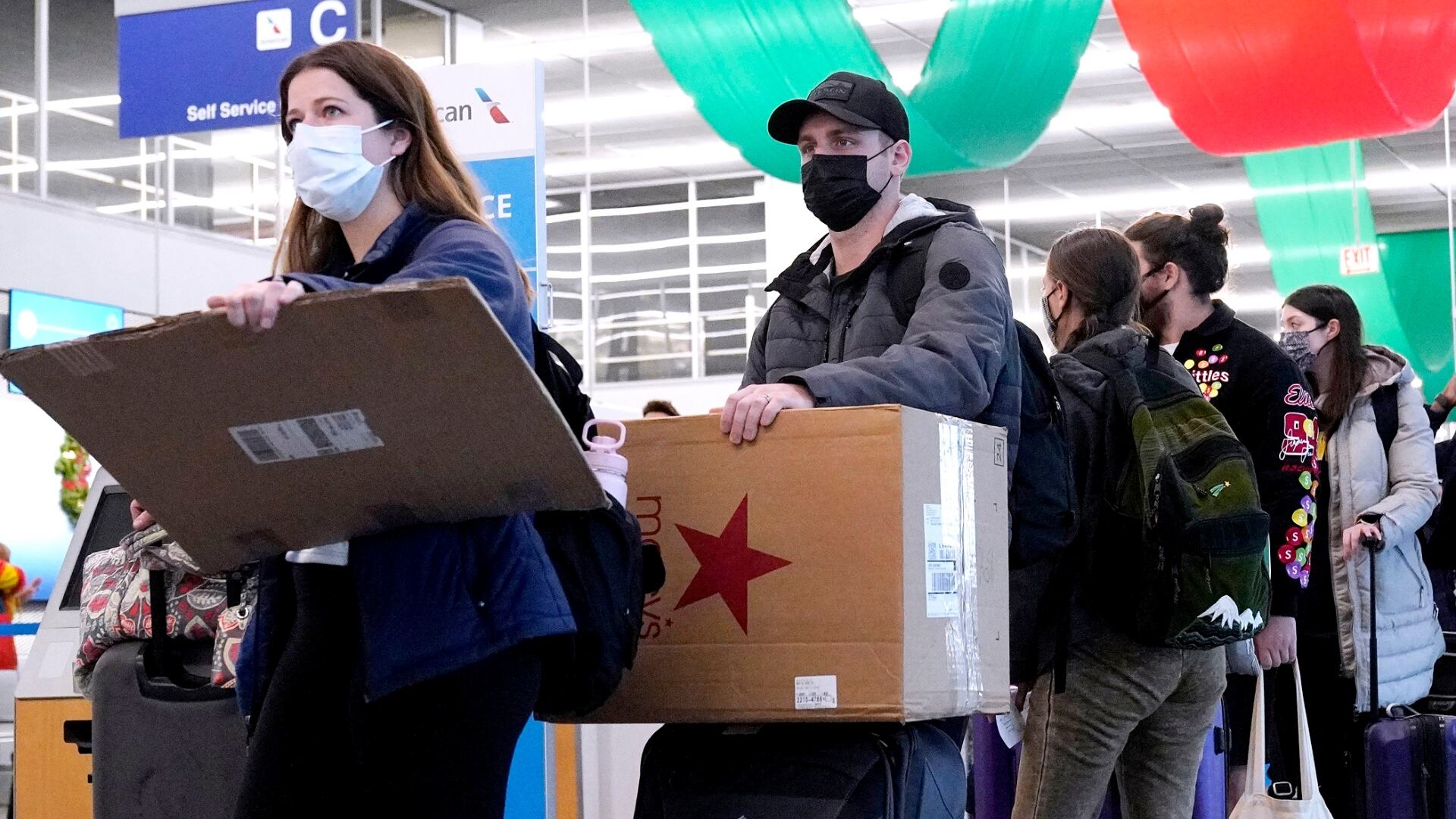
After a nationwide mask mandate for travel was struck down by a federal judge, Dr. Sampson Davis, an ER physician and bestselling author, joined Cheddar News to talk about the ramifications. "We are at a place where we are going to have to wait and see, unfortunately," he said. "The good news is that we're coming off a celebration of spring break, Easter, Passover, and we'll see what happens. But right now I'm not seeing a spike and people come into the hospital are truly sick. However, I'm still seeing people test positive for COVID."
Apple has revealed that the tech giant is working more on going green, reporting the use of more recycled materials than ever before. It's setting sustainability goals, aiming to cut emissions by 75 percent in the next 10 years and eventually ending the use of plastic in packaging.
Will Marshall, CEO, Planet, joins Cheddar Reveals to discuss Planet's influence and innovation from agriculture to sustainability using geospatial insights from their constellation of over 200 satellites.
Thomas Zurbuchen, Associate Administrator, NASA Science, joins Cheddar Reveals to break down the future of space exploration and how NASA is innovating this year and into the next decade.
Catching you up on what you need to know on April 19, 2022, with a federal judge voiding mask mandates on public transportation, updates from the Russia and Ukraine war, Mac Miller’s drug dealer sentenced for involvement in the rapper's death, and more.
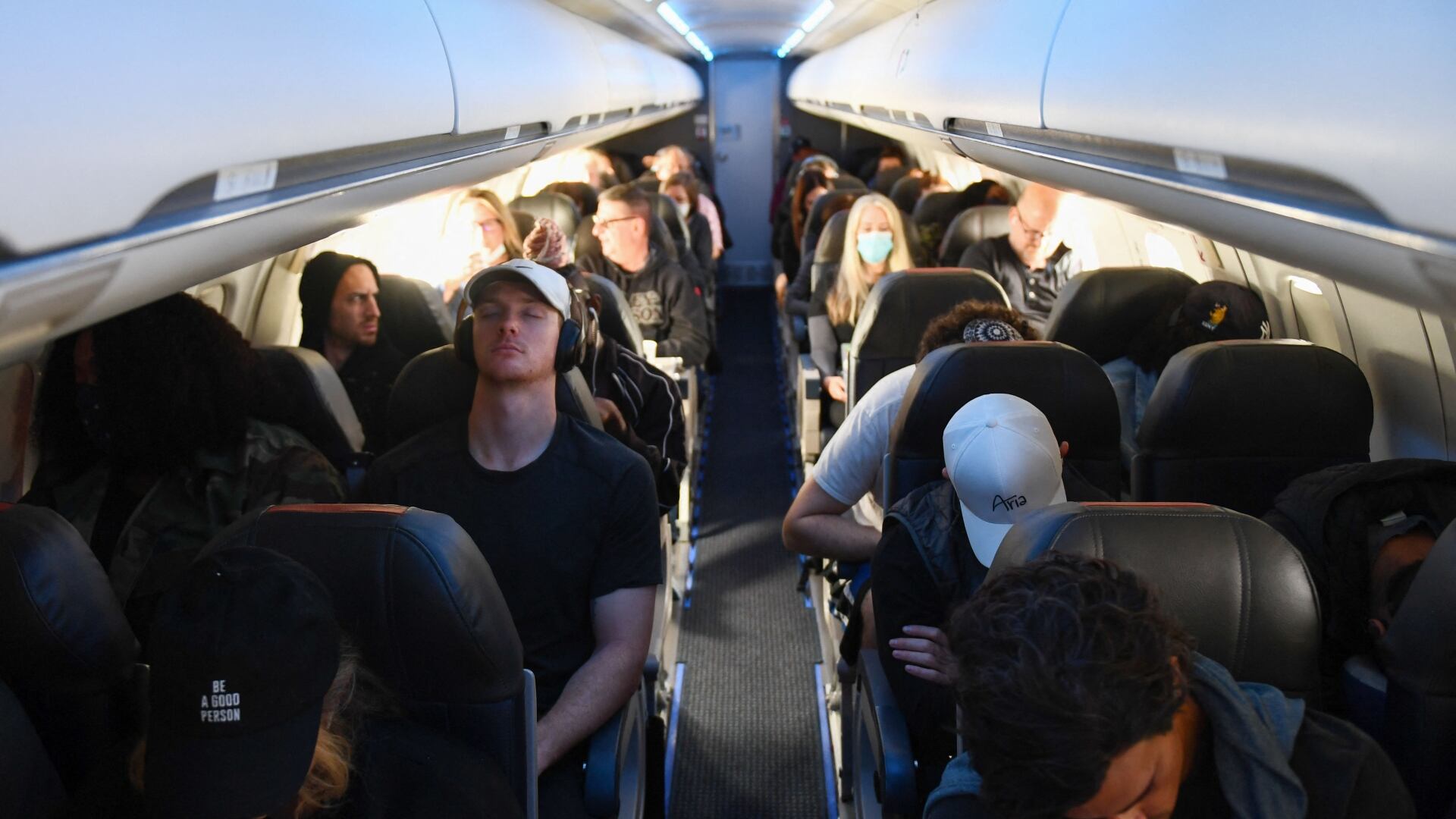
A federal judge’s decision to strike down a national mask mandate was met with cheers on some airplanes but also concern about whether it’s really time to end the order sparked by the COVID-19 pandemic.
A new Axios-Ipsos poll found that just one in ten people would currently characterize the coronavirus as a serious crisis. The vast majority do believe it's a problem, but a manageable one. It's clear that the public is itching to ditch their masks and various other restrictions. Chris Jackson, senior vice president of Ipsos public affairs, joins Cheddar News.
Between Bells executive producer Conor White recaps some of the biggest stories of the week, and teaches Azia Celestino and Hena Doba a thing or two at the same time. It's This Week In Trivia!
The Food and Drug Administration has issued an emergency use authorization for what it says is the first device that can detect COVID-19 in breath samples.
Every year in Cuba, millions of crabs emerge from the forest at the beginning of the spring rains and head for the waters of the Bay of Pigs, crossing streets and highways on a perilous journey to mate and reproduce there.