While the coronavirus has impacted millions of Americans across the United States, it has hit the elderly population particularly hard. In fact, more than 40 percent of coronavirus deaths in the U.S. have been linked to long-term care facilities, according to a New York Times survey. In an effort to bring those numbers down, pharmaceutical company Eli Lilly, in partnership with the National Institutes of Health (NIH), has just launched a late-stage antibody treatment trial focusing on residents and staff at nursing homes.
"COVID-19 has had a devastating impact on nursing home residents," Lilly's chief scientific officer Daniel Skovronsky said in a statement. "We're working as fast as we can to create medicines that might stop the spread of the virus to these vulnerable individuals."
The trial is expected to enroll up to 2,400 participants who live or work at a facility and have recently been diagnosed with the disease. The trial will evaluate the safety and success of using LY-CoV555, a potent, neutralizing antibody that works against the spike protein of the novel coronavirus. The trial will look at whether a single dose of the antibody treatment reduces the rate of infection over four weeks as well as symptoms over eight weeks.
"The importance of these kinds of therapies for people like the elderly or immunocompromised is that they can provide the hope and the safety net that these people really need right now," said Andrew Adams, vice president of new therapeutic modalities & COVID-19 research at Eli Lilly, who is overseeing the trial. "I think people in those populations are really desperate and looking for something to help with the coronavirus."
Eli Lilly is taking its trial on the road with customized mobile research units that can travel directly to areas that are experiencing outbreaks.
"This is an interesting solution, to bring the medicine to these vulnerable patients," said Adams. "This lets us be flexible and move these trials around the country, tracking these trials as we come across them."
Adams said he is hoping Eli Lilly will have results on the efficacy of these antibodies in the fourth quarter of this year. Even if successful, though, he says research for a vaccine needs to continue.
"These have to be thought of as more of a bridge, where a vaccine provides long-term protection in terms of years of immunity, where we will provide hopefully in the range of months with these types of treatments. We hope this to be a short-term bridge to the long-term effective vaccination," he said.
Bill Nye the Science Guy is back but on an even smaller screen. America’s favorite science teacher has racked up more than eight million followers on TikTok, and he joined Cheddar News to talk about his success on the platform, having fun but also being serious about scientific topics like tackling climate change, and his newest hosting project "The End is Nye," a streaming show on Peacock that examines disasters — both natural and manmade. "There are six episodes. We have big disasters. Things go terribly wrong, and then we show you how things could have gone right," he explained.
You probably have your summer music playlist ready to to go, but you're probably not aware how an in-store shopping soundtrack may impact your experience. Spotify Advertising took a look at how audio affects small business shopping. Rochelle Sanchirico, Global Director of Scaled Business and Marketing at Spotify Advertising, joins Cheddar News to discuss.
Summer travel season is just around the corner, as the U.S. is entering a fifth COVID-19 wave. Cheddar News speaks with Dr. Jen Caudle, Family Physician and Associate Professor at Rowan University on how to evaluate your vacation plans.
Catching you up on what you need to know on Wednesday, June 1, 2022, House lawmakers hold an emergency hearing on gun control measures in the wake of the Uvalde shooting, the Supreme Court temporarily blocks Texas' law stopping social media moderation, and the James Webb Space Telescope gets a new mission.
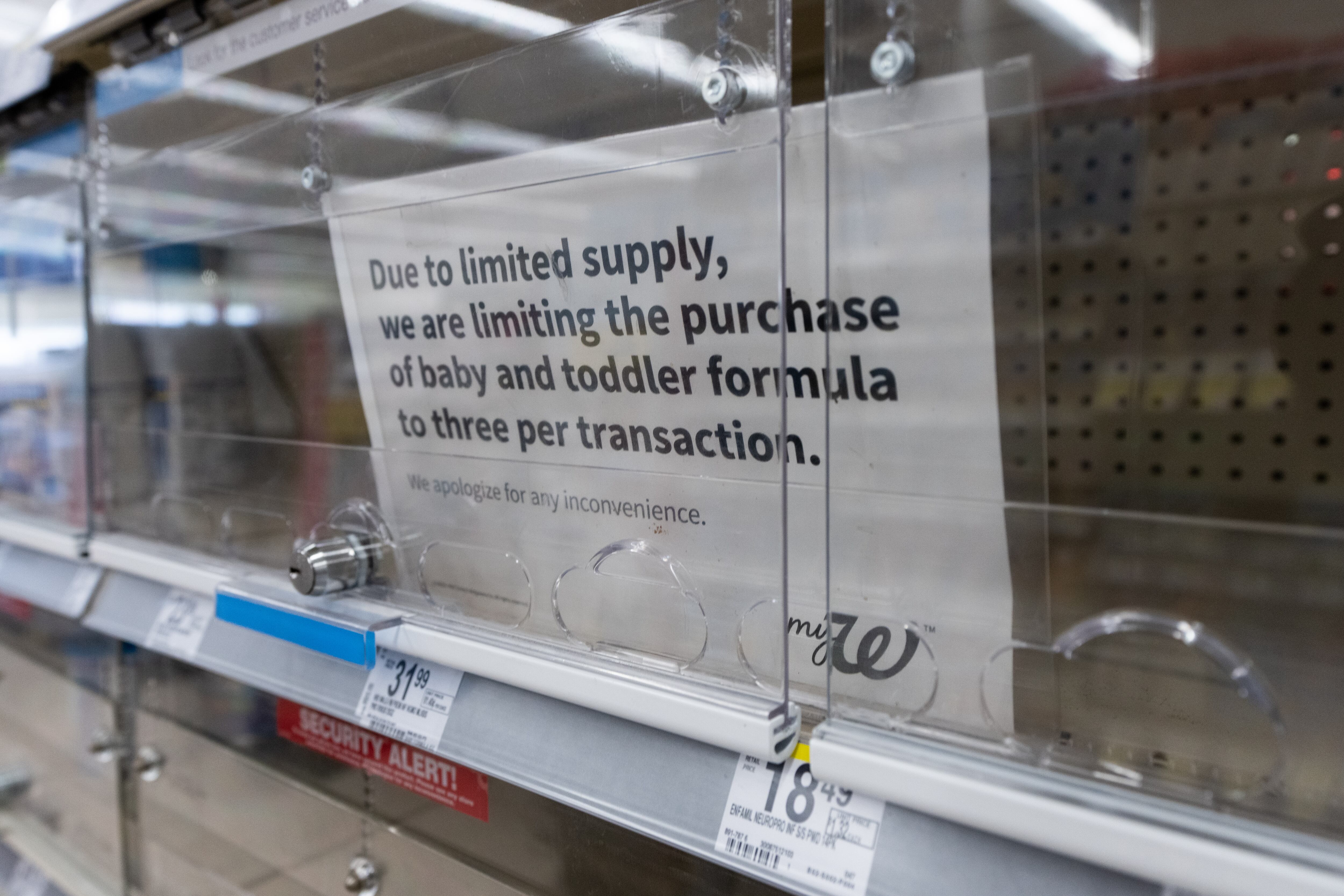
With the baby formula in the United States surging to an out-of-stock rate of 70 percent, the FDA has given Abbott permission to reopen its Michigan plant amid the crisis and authorized foreign imports. Professor Peter Pitts, a former FDA associate commissioner and current president of the Center for Medicine in the Public Interest, joined Cheddar News to discuss the ongoing shortage and its wide impact. “As difficult as things is in urban areas, they’re even worse in small communities and tribal areas where parents can't just go to the next store on the corner," he said. Pitts also noted that the Abbott factory was a "disaster" prior to its shutdown and that it would have been "regulatory malpractice" to have left it open.
Scientists are hoping that the simplest element in the universe — hydrogen — can be the solution to slowing down climate change. However, it does not come without cost. The process of making hydrogen could potentially add more CO2.
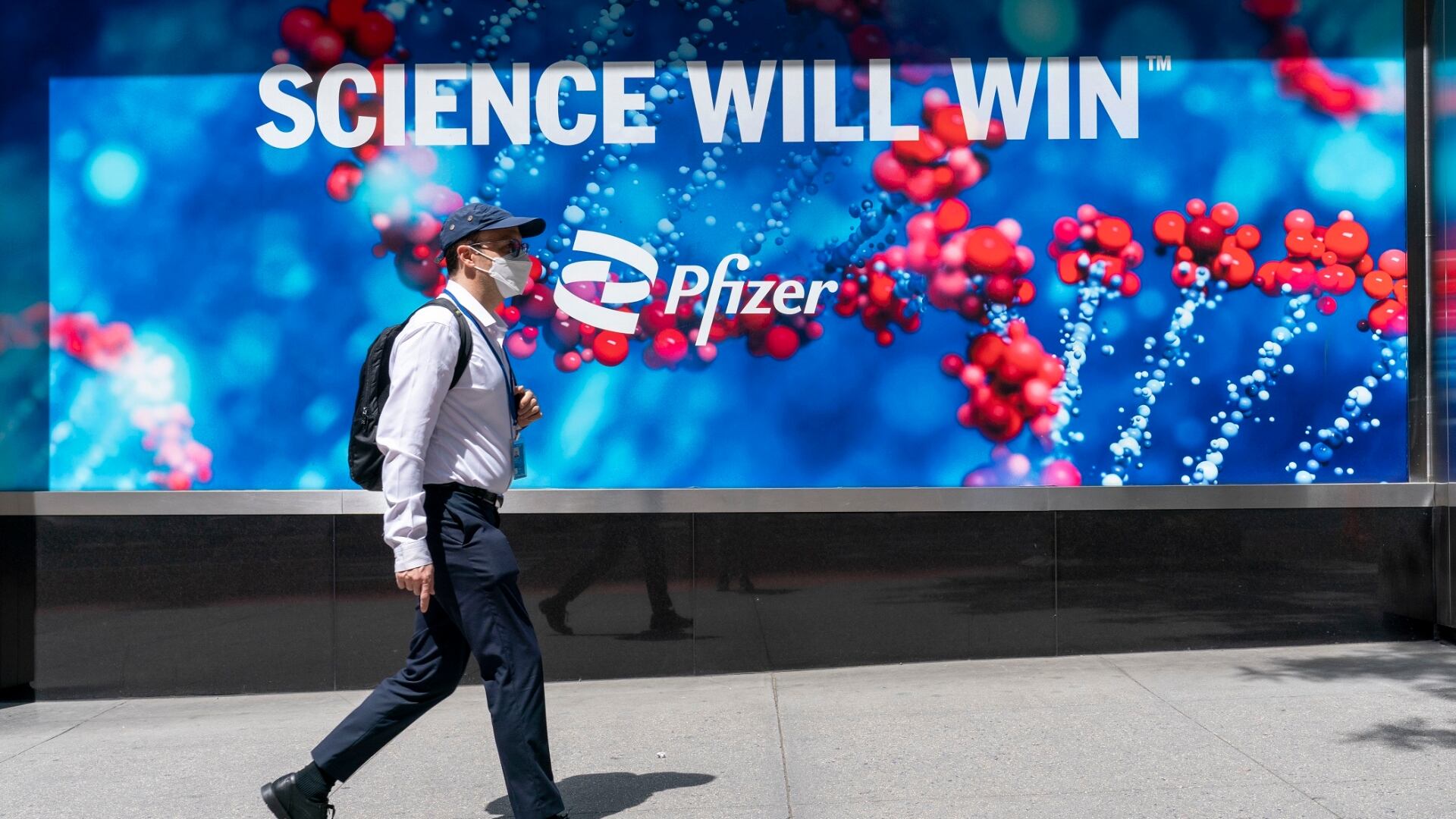
Pfizer said it will be shipping its vaccines at not-for-profit prices to 45 low-income countries. The pharmaceutical giant will be exporting 23 drugs, including those that treat cancer, heart conditions, autoimmune diseases, as well as COVID-19.
It's not a scene from a movie: an asteroid the size of Mount Everest is headed toward earth. It's bigger than 99% of the asteroids in our solar system. But Cheddar anchor Shannon Lanier says fear not. The giant rock will miss us by more than 2 million miles.