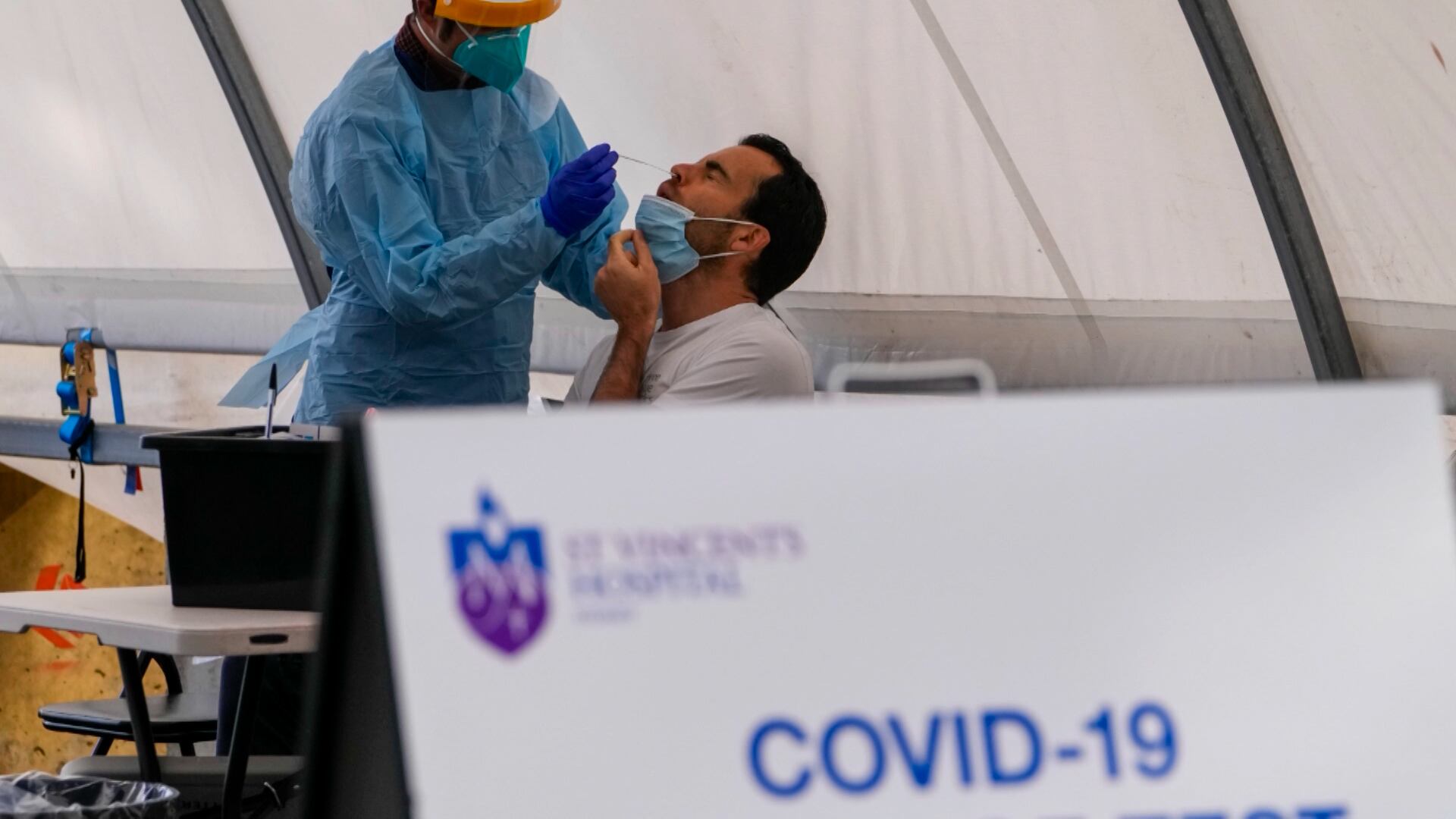
While the coronavirus has impacted millions of Americans across the United States, it has hit the elderly population particularly hard. In fact, more than 40 percent of coronavirus deaths in the U.S. have been linked to long-term care facilities, according to a New York Times survey. In an effort to bring those numbers down, pharmaceutical company Eli Lilly, in partnership with the National Institutes of Health (NIH), has just launched a late-stage antibody treatment trial focusing on residents and staff at nursing homes.
"COVID-19 has had a devastating impact on nursing home residents," Lilly's chief scientific officer Daniel Skovronsky said in a statement. "We're working as fast as we can to create medicines that might stop the spread of the virus to these vulnerable individuals."
The trial is expected to enroll up to 2,400 participants who live or work at a facility and have recently been diagnosed with the disease. The trial will evaluate the safety and success of using LY-CoV555, a potent, neutralizing antibody that works against the spike protein of the novel coronavirus. The trial will look at whether a single dose of the antibody treatment reduces the rate of infection over four weeks as well as symptoms over eight weeks.
"The importance of these kinds of therapies for people like the elderly or immunocompromised is that they can provide the hope and the safety net that these people really need right now," said Andrew Adams, vice president of new therapeutic modalities & COVID-19 research at Eli Lilly, who is overseeing the trial. "I think people in those populations are really desperate and looking for something to help with the coronavirus."
Eli Lilly is taking its trial on the road with customized mobile research units that can travel directly to areas that are experiencing outbreaks.
"This is an interesting solution, to bring the medicine to these vulnerable patients," said Adams. "This lets us be flexible and move these trials around the country, tracking these trials as we come across them."
Adams said he is hoping Eli Lilly will have results on the efficacy of these antibodies in the fourth quarter of this year. Even if successful, though, he says research for a vaccine needs to continue.
"These have to be thought of as more of a bridge, where a vaccine provides long-term protection in terms of years of immunity, where we will provide hopefully in the range of months with these types of treatments. We hope this to be a short-term bridge to the long-term effective vaccination," he said.
On this episode of Cheddar Innovates: Yat Labs Co-Founder breaks down how a 'Yat' is changing the way people think about their online identities; Scythe Robotics CEO explains how it's bringing innovation to the landscaping industry with its autonomous, all-electric mowers; Founder of California Cowboy discusses how its creating clothing designed for creating in-person connections with others with features like a beverage pocket, bottle opener, and conversation cards; Cheddar gets a look at Curiosity Stream's 'Beyond the Spotlight' biography series.
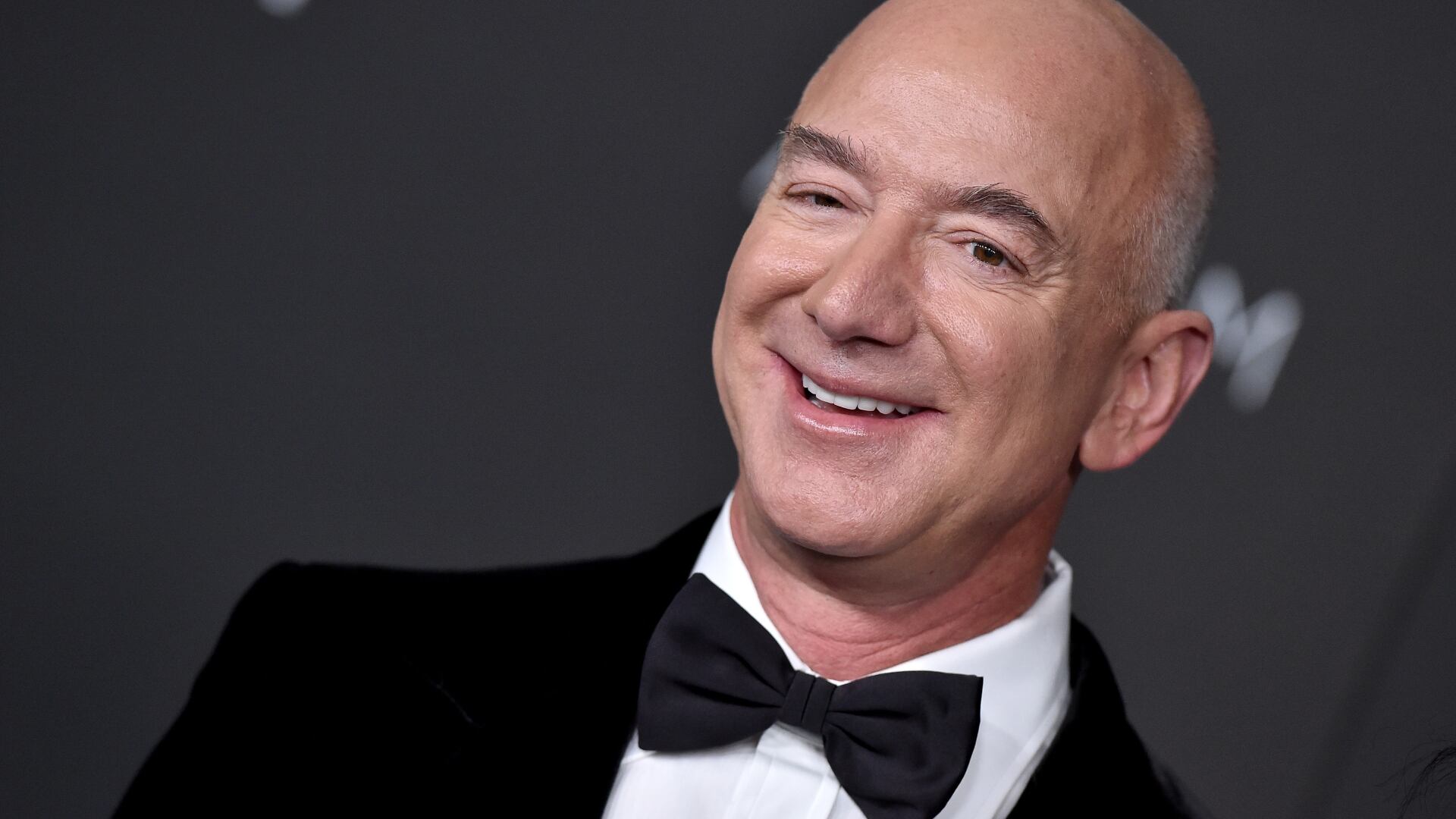
Amazon founder Jeffrey Bezos took to the stage at the U.N.'s COP26 Climate Summit to unveil a new plan to combat climate change, but some say it might do more harm than good. Justine Calma, Science Reporter at The Verge, joined Cheddar to discuss.
Pfizer has asked the FDA to expand authorization of COVID booster shots for all adults. The agency is expected to grant the request in the coming weeks, allowing vaccinated Americans as young as 18 to get boosted before the holidays. Dr. Bayo Curry-Winchell, Regional Clinical Director at Carbon Health, joined Cheddar to discuss.
Wood modification technology company Kebony recently raised $34 million in its latest funding round. The company's patented technology transformed sustainable softwood using leftover materials and makes it into a product that behaves like premium hardwood. The process has the potential to transform the global construction industry, as it is cost-effective and eco-friendly. Kebony CEO Norman Willemsen joined Cheddar News' Closing Bell to discuss.
Emma Searson, an author on the just-released Renewables on the Rise report and the director, 100% Renewable Campaign at Environment America, joined Cheddar to discuss the rapidly growing renewable energy sector. Between 2011 and 2020, the report shows that wind, solar, and geothermal energy production grew about 15 percent annually and that wind and solar alone account for 11 percent of electricity in the country. "There are a few really important drivers of the renewable energy progress that we're seeing all across the country," Searson said, highlighting falling prices, technology improvements, and supportive policies.
On this episode of 'Cheddar Reveals', Lydia McMullen-Laird and Samuel McMullen, co-founders of Live Zero Waste, discuss the sum of humanity's 'trash addiction' and lifestyle changes people can make to help reduce their individual trash output; Ryan Lupberger, Sustainability Pioneer and CEO of Cleancult, breaks down how Cleancult is redefining cleaning products and solutions to reduce their impact on the planet; Cheddar gets a look at Curiosity Stream's 'Going Circular.'
The U.S. has reopened its borders for fully vaccinated international visitors, ending a ban on foreign travelers that started more than a year ago. It's a welcome change for families separated by the pandemic and a sign of hope for the battered travel industry. Steve Shur, president of the The Travel Technology Association, discusses the new rules and how they could propel the travel industry into a post-pandemic boom.